
How Much Is a 2013 Toyota Prius Worth

The 2013 Toyota Prius remains a popular used hybrid due to its fuel efficiency, reliability, and low ownership costs. Depending on mileage, condition, and trim, prices typically range from $8,500 to $14,000, making it a smart choice for eco-conscious drivers.
If you’re in the market for a fuel-efficient, reliable, and environmentally friendly used car, the 2013 Toyota Prius is likely on your radar. As one of the most iconic hybrid vehicles ever made, the Prius has earned a reputation for longevity, low fuel consumption, and minimal maintenance costs. But how much is a 2013 Toyota Prius actually worth today?
The short answer? It depends. Like any used car, the value of a 2013 Prius hinges on several key factors: mileage, overall condition, trim level, maintenance history, and even where you live. While you might find a high-mileage example for under $9,000, a low-mileage, well-maintained model with premium features could fetch closer to $14,000—especially if it’s certified pre-owned.
In this guide, we’ll break down everything you need to know about pricing a 2013 Toyota Prius. Whether you’re buying, selling, or just curious, we’ll walk you through the factors that influence value, how to assess a vehicle’s condition, and tips to get the best deal. By the end, you’ll have a clear picture of what a fair price looks like—and how to spot a great deal when you see one.
Key Takeaways
- Price Range: A 2013 Toyota Prius typically sells for $8,500 to $14,000, depending on condition, mileage, and location.
- Mileage Matters: Lower-mileage models (under 80,000 miles) command higher prices, while high-mileage examples may dip below $9,000.
- Trim Levels Impact Value: Higher trims like the Prius Three and Four include more features and can cost $1,500–$2,500 more than base models.
- Hybrid Battery Health is Crucial: A failing or replaced battery can significantly affect resale value—always check battery status.
- Certified Pre-Owned (CPO) Adds Value: CPO vehicles often cost 10–15% more but include extended warranties and thorough inspections.
- Regional Price Differences: Prices vary by state due to demand, climate, and emissions standards—urban areas often have higher prices.
- Maintenance History Boosts Resale: Well-documented service records can increase a Prius’s value by up to $1,000.
📑 Table of Contents
Understanding the 2013 Toyota Prius Market
The 2013 Toyota Prius sits in a sweet spot in the used car market. It’s old enough to be affordable, yet new enough to still offer modern features and strong reliability. As part of the third generation of the Prius (introduced in 2010), the 2013 model benefits from years of refinement in Toyota’s hybrid technology. It’s not the flashiest car on the road, but it’s practical, efficient, and built to last.
One of the biggest reasons the 2013 Prius holds its value well is its fuel economy. With an EPA-estimated 50 miles per gallon combined (51 city / 48 highway), it remains one of the most efficient non-plug-in hybrids available. In an era of rising gas prices and growing environmental awareness, that efficiency is a major selling point.
Another factor is Toyota’s reputation for durability. The Prius was designed from the ground up to be a long-term commuter car. Many owners report driving well over 200,000 miles with minimal issues—especially if the hybrid battery is in good shape. This longevity makes the 2013 model appealing to budget-conscious buyers who want a car that won’t leave them stranded.
But while the Prius is reliable, it’s not immune to depreciation. Like all vehicles, it loses value over time. However, because of its strong demand in the used market, the 2013 Prius depreciates more slowly than many other cars in its class. According to industry data, it retains about 45–50% of its original value after 10 years—better than the average sedan.
Why the 2013 Model Year Stands Out
The 2013 model year is particularly desirable because it avoids some of the early teething issues of the third-generation redesign. Earlier models (2010–2012) had occasional complaints about infotainment glitches and interior material quality. Toyota addressed many of these concerns by 2013, making it a more polished and user-friendly vehicle.
Additionally, the 2013 Prius introduced minor updates, including improved suspension tuning for a smoother ride and better noise insulation. These refinements, while subtle, contribute to a more enjoyable driving experience—especially on longer commutes.
Another reason the 2013 model is popular is its availability. With over 200,000 units sold in the U.S. that year, there are plenty of used examples on the market. This abundance gives buyers more options and helps keep prices competitive.
Factors That Affect the Value of a 2013 Toyota Prius

Visual guide about How Much Is a 2013 Toyota Prius Worth
Image source: wallpapercave.com
When determining how much a 2013 Toyota Prius is worth, several variables come into play. Understanding these factors will help you assess whether a listing is fairly priced or a potential bargain.
Mileage: The Biggest Price Driver
Mileage is the single most important factor in pricing a used Prius. As a general rule, lower mileage means higher value. Most 2013 Priuses on the market today have between 80,000 and 150,000 miles. Here’s a rough breakdown:
– Under 80,000 miles: $12,000–$14,000
– 80,000–120,000 miles: $10,000–$12,000
– 120,000–150,000 miles: $8,500–$10,000
– Over 150,000 miles: $7,500–$9,000 (if in good condition)
Keep in mind that these are averages. A well-maintained 140,000-mile Prius with a new hybrid battery might still command a higher price than a neglected 90,000-mile example.
Vehicle Condition and Maintenance History
A Prius in excellent mechanical and cosmetic condition will always be worth more than one with dents, stains, or unresolved issues. Look for signs of regular maintenance: oil changes, brake inspections, tire rotations, and hybrid system checks.
Service records are a huge plus. A seller who can provide a detailed maintenance log shows they’ve cared for the car—and that can add $500–$1,000 to the value. On the flip side, a lack of records or signs of deferred maintenance (like worn brakes or a dirty interior) should raise red flags.
Also, check for accident history. Even minor fender benders can affect resale value. Use a vehicle history report (like Carfax or AutoCheck) to verify the car’s past.
Trim Level and Options
The 2013 Prius came in four main trims: Two, Three, Four, and Five. Each adds more features, which directly impacts price.
– Prius Two: Base model with basic infotainment, cloth seats, and manual climate control. Typically the most affordable.
– Prius Three: Adds navigation, upgraded audio, and keyless entry. A popular mid-range choice.
– Prius Four: Includes heated front seats, premium audio, and a moonroof. Higher comfort and tech.
– Prius Five: Top-tier with leather seats, advanced safety features, and more. Rare and pricier.
Higher trims can cost $1,500–$2,500 more than base models. If you’re looking for luxury features, be prepared to pay a premium.
Hybrid Battery Health
The hybrid battery is the heart of the Prius. A failing battery can cost $2,000–$4,000 to replace, which drastically affects resale value. Most 2013 Prius batteries last 10–15 years or 150,000–200,000 miles, but degradation can happen sooner in extreme climates or with poor maintenance.
Before buying, ask about the battery’s state of health (SOH). Some owners use apps like Dr. Prius or Hybrid Assistant to monitor battery performance. A battery with 70% or higher SOH is generally considered good. If the battery has been replaced recently, that’s a major selling point—and could justify a higher price.
Certified Pre-Owned (CPO) Status
Toyota’s Certified Pre-Owned program adds significant value. CPO vehicles undergo a 160-point inspection, come with a 12-month/12,000-mile comprehensive warranty, and include a 7-year/100,000-mile powertrain warranty from the original in-service date.
A CPO 2013 Prius typically costs 10–15% more than a non-certified equivalent. But for many buyers, the peace of mind and extended coverage are worth the extra cost—especially for a high-mileage hybrid.
Geographic Location
Where you live affects pricing. In urban areas with high gas prices and strong environmental awareness (like California, Oregon, or Washington), demand for hybrids is higher, pushing prices up. In rural or cold-weather regions, where hybrids may be less practical, prices can be lower.
Additionally, states with strict emissions standards often have more well-maintained vehicles, which can also influence value.
How to Determine a Fair Price for a 2013 Toyota Prius

Visual guide about How Much Is a 2013 Toyota Prius Worth
Image source: 2.bp.blogspot.com
Now that you know the factors that affect value, how do you figure out what a specific 2013 Prius is worth? Here’s a step-by-step approach.
Use Online Valuation Tools
Start with trusted pricing websites like Kelley Blue Book (KBB), Edmunds, and NADA Guides. Enter the car’s VIN, mileage, trim, condition, and location to get a range of values: trade-in, private party, and dealer retail.
For example, a 2013 Prius Three with 95,000 miles in “good” condition might be valued at $11,200 (private party) and $12,500 (dealer retail) in a mid-sized city. These tools give you a solid baseline.
Compare Similar Listings
Search online marketplaces like Autotrader, Cars.com, and Craigslist for comparable 2013 Priuses in your area. Look for vehicles with similar mileage, trim, and condition. Note the asking prices and how long they’ve been listed.
If a car has been on the market for weeks, the seller may be willing to negotiate. Conversely, a freshly listed, low-mileage example might sell quickly at or above market value.
Factor in Extras
Some Priuses come with aftermarket upgrades—like new tires, a roof rack, or a premium sound system. While these don’t drastically increase value, they can make a car more appealing and justify a slightly higher price.
On the other hand, missing features (like a broken navigation screen or worn seats) should lower the value.
Get a Pre-Purchase Inspection
Before finalizing any purchase, have a trusted mechanic inspect the car—especially the hybrid system. A $100–$150 inspection can save you thousands in unexpected repairs. The mechanic can check the battery, brakes, suspension, and overall drivetrain.
If issues are found, use them as leverage to negotiate a lower price.
Tips for Buyers: Getting the Best Deal
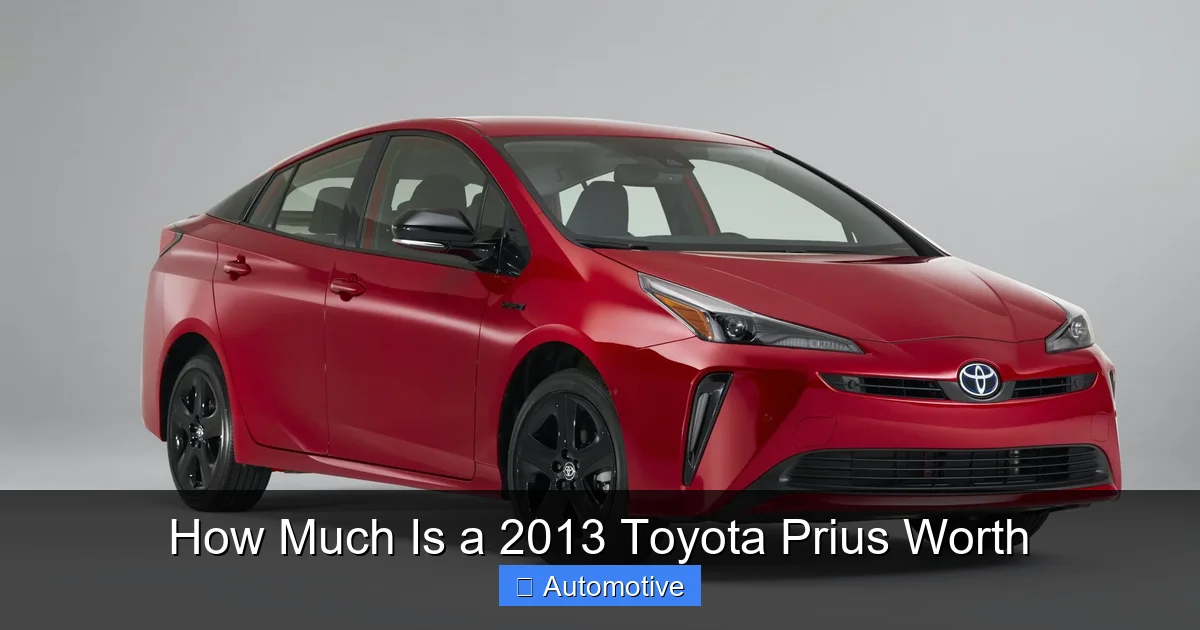
Visual guide about How Much Is a 2013 Toyota Prius Worth
Image source: images.hgmsites.net
Buying a used Prius can be a smart financial move, but only if you do your homework. Here are some practical tips to help you get the best value.
Shop in the Off-Season
Hybrid sales often peak in spring and summer when gas prices rise and people think about fuel efficiency. Shopping in fall or winter—especially after the holidays—can mean less competition and better deals.
Negotiate Based on Data
Don’t rely on emotions. Use your research to back up your offer. Say something like, “I see similar models listed for $10,800, and this one has 15,000 more miles. Would you consider $10,200?”
Most sellers expect negotiation, so don’t be afraid to make a reasonable offer.
Consider Private Sellers
Private sellers often price their cars lower than dealers because they don’t have overhead costs. However, you lose the protection of a warranty and return policy. Make sure to get a vehicle history report and inspection.
Watch for Red Flags
Avoid cars with:
– No service records
– Salvage titles
– Signs of flood damage (musty smell, rust under carpets)
– A history of multiple owners in a short time
These could indicate hidden problems.
Tips for Sellers: Maximizing Your Prius’s Value
If you’re selling your 2013 Prius, a little effort can go a long way in boosting its resale value.
Clean and Detail the Car
First impressions matter. A thorough wash, wax, interior vacuum, and upholstery cleaning can make your Prius look newer and well-cared-for. Consider professional detailing for best results.
Gather Maintenance Records
Compile all service receipts, oil change logs, and repair records. Organize them in a folder or digital file. This shows buyers you’ve maintained the car properly.
Address Minor Repairs
Fix small issues like burnt-out lights, cracked windshield wipers, or worn floor mats. These are inexpensive but signal that the car has been looked after.
Price Competitively
Don’t overprice. Use valuation tools to set a fair asking price. If you want to leave room for negotiation, list it slightly above market value—but not so high that buyers skip over it.
Advertise Effectively
Take high-quality photos from multiple angles, including the interior, engine bay, and wheels. Write a detailed description highlighting low mileage, new tires, recent battery check, or CPO status.
List on multiple platforms: Facebook Marketplace, Craigslist, Autotrader, and local classifieds.
Is a 2013 Toyota Prius Still a Good Buy?
Despite being over a decade old, the 2013 Toyota Prius remains a compelling option for many drivers. Its combination of fuel efficiency, reliability, and low operating costs makes it ideal for commuters, students, and eco-conscious families.
Of course, it’s not perfect. The ride can feel soft, acceleration is modest, and the interior materials are functional rather than luxurious. But for those prioritizing economy and dependability over performance and style, the Prius delivers.
When priced correctly, a 2013 Prius offers excellent value. Just be sure to inspect the hybrid battery, check the maintenance history, and compare prices in your area.
Who Should Buy a 2013 Prius?
This car is ideal for:
– Daily commuters with long drives
– Budget-minded buyers wanting low fuel costs
– First-time car owners needing reliability
– Environmentally conscious drivers
– Anyone looking for a hassle-free used car
It’s less ideal for:
– Drivers who want speed or sporty handling
– Families needing lots of cargo space
– Those who frequently drive in extreme cold (hybrid efficiency drops in freezing temps)
Long-Term Ownership Costs
One of the biggest advantages of the Prius is its low cost of ownership. Fuel costs are minimal, insurance is typically affordable, and repairs are less frequent than in conventional cars.
However, be prepared for potential hybrid-specific expenses:
– Hybrid battery replacement (if needed)
– Inverter coolant pump (a known issue on some 2010–2014 models)
– Brake actuator problems (rare but costly)
Regular maintenance and early detection can prevent major issues.
Conclusion
So, how much is a 2013 Toyota Prius worth? The answer depends on a mix of factors—mileage, condition, trim, battery health, and location. But as a general guide, expect to pay between $8,500 and $14,000 for a well-maintained example.
The 2013 Prius remains a smart choice for anyone seeking an efficient, reliable, and affordable used car. With proper care, it can easily last another 100,000 miles or more. Whether you’re buying or selling, doing your research and understanding the market will help you get the best possible deal.
Remember: the lowest price isn’t always the best value. A slightly higher-priced Prius with a clean history and healthy battery could save you money in the long run. Take your time, ask the right questions, and drive away with confidence.
Frequently Asked Questions
How much does a 2013 Toyota Prius cost on average?
The average price for a 2013 Toyota Prius ranges from $8,500 to $14,000, depending on mileage, condition, and trim level. Lower-mileage, well-maintained models typically fall on the higher end of this range.
Is the 2013 Prius reliable?
Yes, the 2013 Toyota Prius is known for its reliability and longevity. Many owners report driving over 200,000 miles with minimal issues, especially if the hybrid battery is in good condition.
How long does the hybrid battery last in a 2013 Prius?
The hybrid battery in a 2013 Prius typically lasts 10–15 years or 150,000–200,000 miles. Battery health can be monitored using diagnostic tools, and replacement costs range from $2,000 to $4,000.
What trim should I buy for the best value?
The Prius Three offers the best balance of features and price, including navigation and keyless entry. It’s more affordable than the Four or Five but includes most desirable upgrades.
Can I negotiate the price of a used 2013 Prius?
Yes, negotiation is common in private sales and at dealerships. Use comparable listings, mileage, and condition to support your offer and aim for a fair deal.
Is a certified pre-owned 2013 Prius worth the extra cost?
A CPO 2013 Prius costs 10–15% more but includes a warranty and thorough inspection. It’s worth considering if you want peace of mind and protection against major repairs.