
How Much Does It Cost to Tint a Dodge Challenger?

Tinting your Dodge Challenger enhances privacy, reduces heat, and improves style—but how much does it cost? Prices range from $150 to $600 depending on film quality, coverage, and installation method. This guide breaks down everything you need to know to make an informed decision.
Key Takeaways
- Cost Range: Expect to pay between $150 and $600 for a full tint job on a Dodge Challenger, depending on film type and installer.
- Film Quality Matters: Higher-end films like ceramic or carbon offer better heat rejection and durability but cost more than basic dyed films.
- DIY vs. Professional: DIY kits cost $50–$150 but risk bubbles, peeling, and uneven application; professionals ensure quality and warranty coverage.
- Legal Limits: Window tint laws vary by state—check local regulations to avoid fines, especially for front-side windows.
- Full vs. Partial Tint: Tinting only rear windows is cheaper ($100–$200), while full coverage (all windows) costs more but offers complete protection.
- Long-Term Savings: Quality tint reduces cabin heat, lowering AC use and fuel consumption over time.
- Warranty & Maintenance: Reputable shops offer 5–10 year warranties; proper care extends tint life and appearance.
📑 Table of Contents
- How Much Does It Cost to Tint a Dodge Challenger?
- Understanding Window Tinting: What You Need to Know
- Factors That Affect the Cost of Tinting a Dodge Challenger
- DIY vs. Professional Tinting: Which Is Right for You?
- Legal Considerations: Tint Laws by State
- How to Choose the Right Tint Shop for Your Challenger
- Maintaining Your Tint: Tips for Longevity
- Final Thoughts: Is Tinting Your Challenger Worth It?
How Much Does It Cost to Tint a Dodge Challenger?
So, you’ve got your hands on a sleek Dodge Challenger—maybe it’s the aggressive R/T, the track-ready SRT Hellcat, or the stylish GT. It turns heads, roars down the highway, and feels like pure American muscle. But have you ever noticed how the sun beats down on the interior during a summer drive? Or how strangers can peek right into your back seat?
That’s where window tinting comes in. Tinting your Dodge Challenger isn’t just about looking cool (though it definitely does). It’s about comfort, privacy, UV protection, and even fuel efficiency. But before you roll up to the nearest tint shop, you’re probably asking the big question: How much does it actually cost to tint a Dodge Challenger?
The short answer? It depends. But the good news is, we’re breaking it all down for you—from budget-friendly options to premium upgrades, DIY risks, legal limits, and everything in between. By the end of this guide, you’ll know exactly what to expect and how to get the best value for your money.
Understanding Window Tinting: What You Need to Know
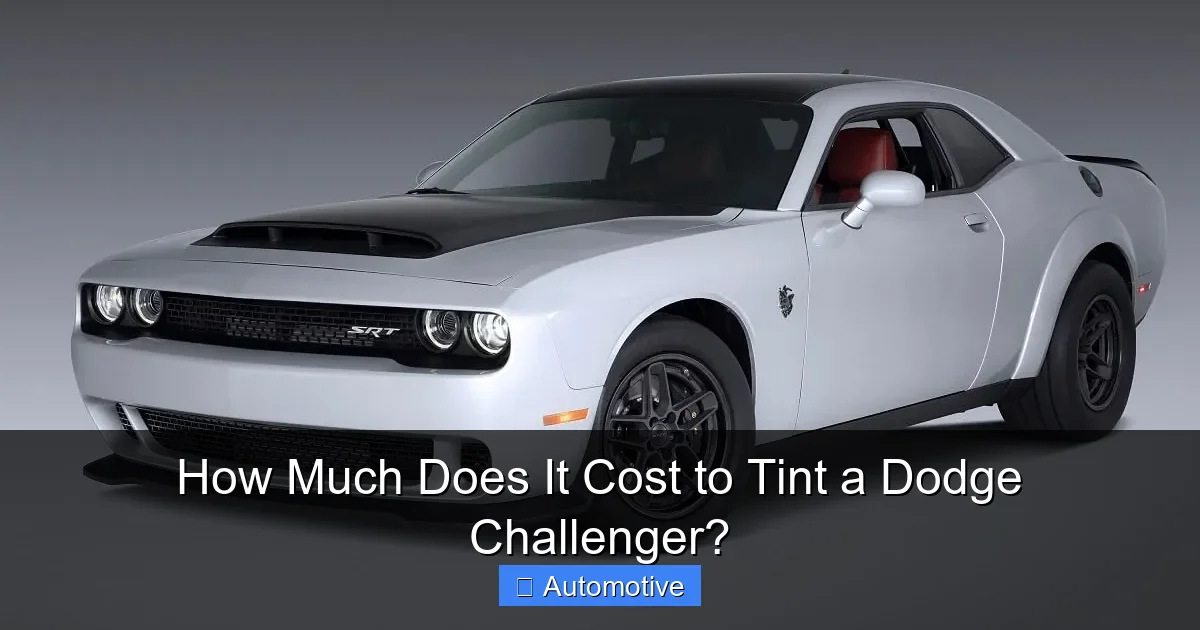
Visual guide about How Much Does It Cost to Tint a Dodge Challenger?
Image source: motorbiscuit.com
Before diving into costs, let’s clarify what window tinting actually does. At its core, window tint is a thin laminate film applied to the interior side of your car’s glass. It’s designed to reduce the amount of sunlight, heat, and harmful UV rays that enter the cabin.
But not all tints are created equal. The market offers several types of films, each with different materials, performance levels, and price points. The most common types include:
– Dyed Film: The most affordable option. It uses a layer of dye to absorb sunlight and reduce glare. However, it offers minimal heat rejection and can fade over time.
– Metallic Film: Contains tiny metal particles that reflect heat. It’s more effective than dyed film but can interfere with GPS, cell signals, and keyless entry systems.
– Carbon Film: Made with carbon particles that block infrared heat without disrupting electronics. It has a sleek, non-reflective finish and resists fading.
– Ceramic Film: The top-tier option. Uses nano-ceramic technology to block up to 99% of UV rays and 80% of infrared heat. It’s highly durable, doesn’t interfere with signals, and offers the clearest view.
Each type affects the final cost. For example, a full ceramic tint job on a Dodge Challenger will cost significantly more than a basic dyed film—but the performance difference is night and day.
Why Tint Your Dodge Challenger?
You might be thinking, “My Challenger already has dark windows. Do I really need tint?” The answer is yes—especially if you live in a sunny climate or spend a lot of time driving.
Here’s why tinting is worth it:
– UV Protection: Over 40% of skin cancers occur on the left side of the body—where drivers are most exposed. Quality tint blocks up to 99% of UV rays, protecting your skin and your car’s interior from fading.
– Heat Reduction: On a hot day, cabin temperatures can soar above 120°F. Tint can reduce interior heat by up to 60%, making your AC work less and improving fuel efficiency.
– Privacy & Security: Darker windows make it harder for thieves to see valuables inside your car. It also gives you more privacy, especially on long road trips.
– Glare Reduction: Tint cuts down on blinding sunlight and headlight glare at night, improving visibility and safety.
– Aesthetic Appeal: Let’s be honest—tinted windows make any car look sharper. On a Challenger, they enhance the aggressive, sporty vibe.
Factors That Affect the Cost of Tinting a Dodge Challenger
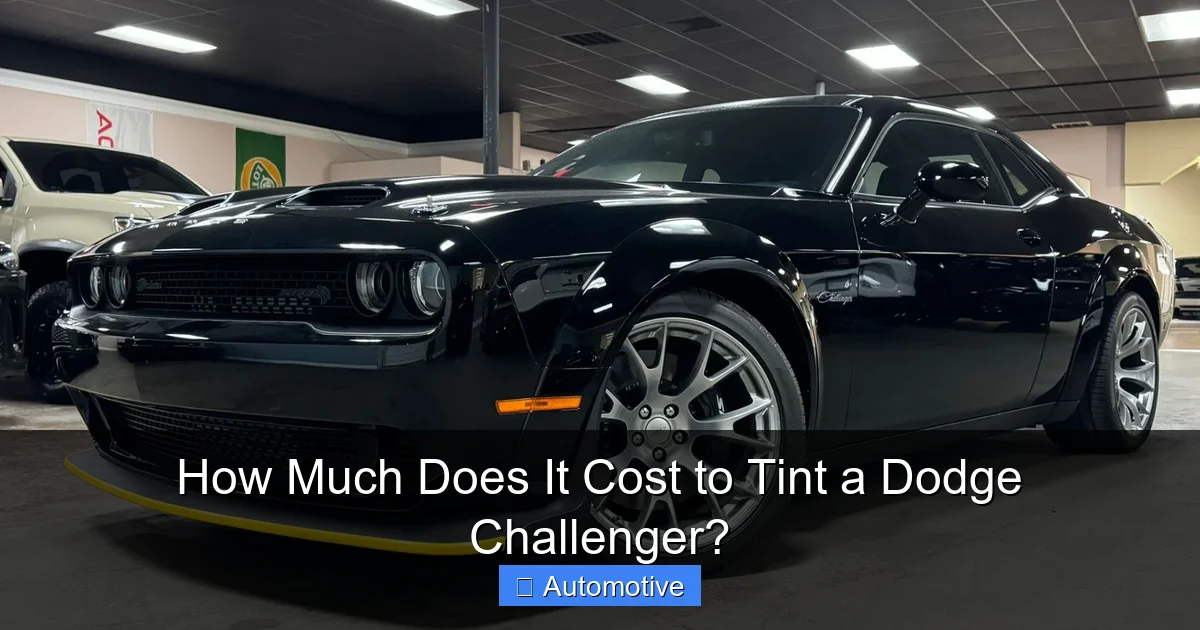
Visual guide about How Much Does It Cost to Tint a Dodge Challenger?
Image source: tampabayautonetwork.com
Now, let’s get into the nitty-gritty: what actually determines the price? Several key factors influence how much you’ll pay to tint your Dodge Challenger.
Type of Tint Film
As mentioned earlier, the film type is the biggest cost driver. Here’s a quick breakdown of average prices per window (based on a 2-door Challenger):
– Dyed Film: $10–$20 per window
– Metallic Film: $15–$25 per window
– Carbon Film: $20–$35 per window
– Ceramic Film: $30–$50 per window
For a full tint job (all five windows), that translates to:
– Dyed: $150–$250
– Metallic: $200–$350
– Carbon: $300–$450
– Ceramic: $400–$600
Keep in mind, some shops offer package deals. For example, a “full car tint” might include all windows at a discounted rate compared to pricing per window.
Number of Windows Tinted
The Dodge Challenger has five windows: two front doors, two rear doors, and the rear windshield. But not everyone tints all of them.
– Partial Tint: Tinting only the rear windows (back doors and rear windshield) is common for those who want privacy without breaking the bank. This typically costs $100–$200.
– Full Tint: Tinting all five windows gives complete coverage and maximum benefits. This is the most popular option and costs $300–$600 depending on film type.
Some owners also choose to tint the sunroof (if equipped), which adds $50–$100 to the total.
Professional Installation vs. DIY
This is a major decision point. While DIY tint kits are tempting (they cost $50–$150), they come with risks.
Professional Installation
Pros:
– Expert application with no bubbles, creases, or peeling
– Access to high-quality films not available to consumers
– Warranty coverage (often 5–10 years)
– Proper tools and clean environment
Cons:
– Higher upfront cost
– Requires scheduling and travel to a shop
DIY Tint Kits
Pros:
– Much cheaper upfront
– Can be done at home
Cons:
– High risk of errors (bubbles, dust, uneven edges)
– Limited film quality
– No warranty
– Time-consuming and frustrating for beginners
We’ll dive deeper into DIY vs. pro later, but for most Challenger owners, professional installation is the smarter long-term choice.
Geographic Location
Where you live affects pricing. Shops in major cities (like Los Angeles, Miami, or New York) often charge more due to higher overhead and demand. In contrast, rural areas or smaller towns may offer lower rates.
For example:
– A full ceramic tint in Los Angeles: $500–$650
– The same job in a small Midwest town: $350–$450
Always get at least three quotes from local shops to compare.
Shop Reputation and Experience
Not all tint shops are equal. A well-reviewed, experienced installer with a clean facility will charge more—but you’re paying for expertise and peace of mind.
Look for shops that:
– Specialize in automotive tinting
– Have positive Google and Yelp reviews
– Offer warranties
– Use brand-name films (like 3M, Llumar, or SunTek)
Avoid “bargain” shops that use cheap, off-brand films. You’ll likely end up paying more to fix problems later.
Additional Services
Some shops offer add-ons that increase the total cost:
– Pre-Cleaning: Deep cleaning of windows before application ($20–$50)
– Edge Sealing: Sealing the edges to prevent peeling ($30–$60)
– Removal of Old Tint: If you’re replacing existing tint, removal adds $50–$100
– Paint Protection Film (PPF): Some shops bundle PPF with tint for extra body protection
While not essential, these services can improve longevity and appearance.
DIY vs. Professional Tinting: Which Is Right for You?
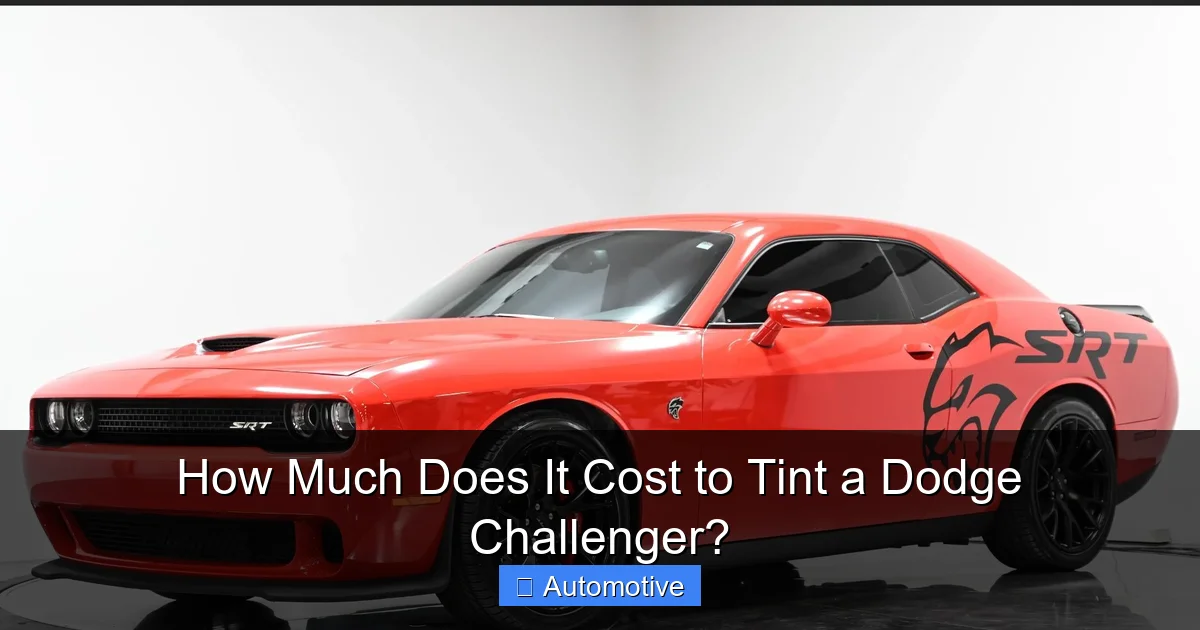
Visual guide about How Much Does It Cost to Tint a Dodge Challenger?
Image source: perfectautocollection.com
Let’s face it—DIY projects are satisfying. There’s something rewarding about saving money and doing it yourself. But when it comes to window tinting, the stakes are high.
The Case for DIY Tinting
If you’re on a tight budget and enjoy hands-on projects, a DIY kit might seem appealing. Kits from brands like Gila, Luxe, or VViViD cost $50–$150 and include everything you need: film, squeegee, spray bottle, and instructions.
But here’s the reality: tinting a car window is harder than it looks. The Challenger’s curved windows, tight seals, and large rear windshield make it especially tricky.
Common DIY mistakes include:
– Trapped air bubbles that won’t disappear
– Dust particles under the film
– Wrinkles or misaligned edges
– Film shrinking or peeling after a few months
And if you mess up? You’ll likely have to buy a new kit and start over—wasting time and money.
The Case for Professional Tinting
For most Challenger owners, professional installation is the way to go. Here’s why:
– Perfect Fit: Pros use precision-cut patterns specific to the Challenger’s window dimensions.
– Clean Environment: Tint shops have dust-free bays to prevent contamination.
– Heat Guns & Tools: They use professional tools to stretch and conform film to curved glass.
– Warranty: Most shops offer a warranty that covers peeling, bubbling, or discoloration.
Plus, many shops offer mobile services—they come to your home or office, so you don’t even have to leave your Challenger.
When DIY Might Make Sense
The only time DIY is worth considering is if:
– You’re tinting a single window (like the rear windshield)
– You have prior experience with car mods
– You’re using it as a temporary solution
Even then, we recommend starting with a small, less visible window to practice.
Legal Considerations: Tint Laws by State
Before you tint, you need to know the law. Window tint regulations vary by state and are enforced strictly in some areas.
The Dodge Challenger has five windows, and each has different legal limits:
– Windshield: Most states allow a non-reflective tint strip along the top (usually 4–6 inches).
– Front Side Windows: These are the most restricted. Many states require at least 70% VLT (Visible Light Transmission), meaning only 30% of light can be blocked.
– Rear Side Windows & Rear Windshield: These often allow darker tint, sometimes as low as 15% VLT or even 5% in some states.
Examples of State Tint Laws
– California: Front side windows must be 70% VLT or higher. Rear windows can be any darkness.
– Texas: Front side windows must be 25% VLT or higher. Rear windows and windshield can be any darkness.
– Florida: Front side windows must be 28% VLT or higher. Rear windows can be any darkness.
– New York: Front side windows must be 70% VLT. Rear windows and windshield can be any darkness.
Why It Matters
Getting pulled over for illegal tint can result in:
– A ticket ($100–$500)
– Required removal of the tint
– Court appearances
To avoid trouble, always check your state’s Department of Motor Vehicles (DMV) website or consult a local tint shop. Reputable installers will ensure your tint complies with local laws.
How to Choose the Right Tint Shop for Your Challenger
Not all tint shops are created equal. Here’s how to find a reliable one:
1. Read Reviews
Check Google, Yelp, and Facebook for customer feedback. Look for comments about:
– Quality of work
– Customer service
– Warranty claims
– Cleanliness of the shop
Avoid shops with multiple complaints about bubbling or peeling.
2. Ask About Film Brands
Top-tier shops use premium films like:
– 3M Crystalline
– Llumar Stratos
– SunTek Carbon
– Huper Optik Ceramic
These brands offer better performance and longer warranties.
3. Request a Quote
Get detailed quotes from at least three shops. A good quote should include:
– Type of film
– Number of windows
– Total cost
– Warranty details
– Estimated time
Avoid shops that give vague estimates or pressure you to decide immediately.
4. Visit the Shop
If possible, stop by the shop. A clean, organized facility with modern equipment is a good sign. Ask to see samples of their work.
5. Check the Warranty
A solid warranty (5–10 years) shows the shop stands behind its work. Ask what’s covered (peeling, bubbling, fading) and what voids it (e.g., using ammonia-based cleaners).
Maintaining Your Tint: Tips for Longevity
Once your Challenger is tinted, proper care ensures it lasts. Here’s how to keep it looking great:
Wait Before Rolling Down Windows
After installation, wait at least 3–5 days before rolling down your windows. This allows the adhesive to fully cure.
Clean Gently
Use a soft microfiber cloth and ammonia-free cleaner. Avoid abrasive sponges or paper towels, which can scratch the film.
Avoid Harsh Chemicals
Ammonia-based cleaners (like Windex) can degrade tint over time. Stick to products labeled “tint-safe.”
Park in the Shade
Prolonged sun exposure can cause fading, especially with dyed films. Use a sunshade or park in a garage when possible.
Inspect Regularly
Check for peeling edges, bubbles, or discoloration. Address issues early to prevent further damage.
Final Thoughts: Is Tinting Your Challenger Worth It?
So, how much does it cost to tint a Dodge Challenger? As we’ve seen, the answer ranges from $150 for a basic DIY dyed film to $600+ for a professional ceramic full tint job.
But cost isn’t the only factor. Consider the long-term benefits: reduced heat, UV protection, privacy, and enhanced style. For many Challenger owners, the investment pays off in comfort and peace of mind.
If you’re on a budget, start with a partial tint on the rear windows. If you want the best performance and durability, go for ceramic film with professional installation.
And remember: always check your local tint laws to stay legal and avoid fines.
Your Dodge Challenger is more than just a car—it’s a statement. Tinting it the right way enhances that statement while protecting you and your ride. So go ahead, treat your Challenger to the upgrade it deserves.
Frequently Asked Questions
How much does it cost to tint all windows on a Dodge Challenger?
The cost to tint all five windows on a Dodge Challenger ranges from $300 to $600, depending on the type of film and whether you choose professional installation. Ceramic films are the most expensive but offer the best heat and UV protection.
Can I tint my Challenger myself to save money?
Yes, DIY tint kits cost $50–$150, but they come with a high risk of bubbles, peeling, and uneven application. For best results and longevity, professional installation is recommended.
Is it legal to tint the front windows of a Dodge Challenger?
It depends on your state. Most states require front side windows to have at least 70% VLT (Visible Light Transmission). Check your local DMV regulations to ensure compliance.
How long does it take to tint a Dodge Challenger?
A professional tint job typically takes 2–4 hours, depending on the number of windows and film type. DIY jobs can take much longer, especially for beginners.
What’s the best type of tint for a Dodge Challenger?
Ceramic tint is the best option for performance, offering superior heat rejection, UV protection, and clarity without interfering with electronics. It’s more expensive but worth the investment.
How long does window tint last on a car?
Quality tint can last 5–10 years or more with proper care. Dyed films may fade faster, while ceramic and carbon films offer better durability and often come with long-term warranties.