
How Much Does It Cost to Paint a Dodge Durango?

Wondering how much it costs to paint a Dodge Durango? The price ranges from $300 to $5,000+, depending on paint quality, body prep, and whether you DIY or hire a pro. This guide breaks down every cost factor so you can make an informed decision.
[FEATURED_IMAGE_PLACEOLDER]
Key Takeaways
- Cost Range: Expect to pay between $300 and $5,000+ to paint a Dodge Durango, with most professional jobs falling between $1,500 and $3,500.
- Paint Quality Matters: Economy paint jobs are cheaper but less durable, while premium or custom finishes last longer and offer better color match and shine.
- Body Condition Affects Price: Dents, rust, or deep scratches require extra prep work, increasing labor and material costs significantly.
- DIY vs. Professional: DIY kits cost $200–$800 but require skill and time; pros offer warranties and flawless finishes.
- Location & Shop Type: Urban areas and dealerships charge more than rural shops or independent garages.
- Additional Services: Clear coat, color matching, and trim removal add to the final bill but improve longevity and appearance.
- Resale Value: A high-quality repaint can boost your Durango’s resale value by up to 15%, making it a smart long-term investment.
📑 Table of Contents
- How Much Does It Cost to Paint a Dodge Durango?
- Factors That Affect the Cost to Paint a Dodge Durango
- DIY vs. Professional Paint Jobs: What’s the Real Difference?
- Real-World Cost Breakdown: What You Can Expect to Pay
- How to Save Money on a Dodge Durango Paint Job
- Does a New Paint Job Increase Resale Value?
- Final Thoughts: Is Painting Your Dodge Durango Worth It?
How Much Does It Cost to Paint a Dodge Durango?
So, your Dodge Durango has seen better days. Maybe it’s got some fading paint from years under the sun, or perhaps a few dings and scratches from daily driving have left it looking less than sharp. You’re thinking about a fresh coat of paint—but how much is it really going to cost?
Painting a vehicle isn’t just about slapping on some color and calling it a day. It’s a detailed process that involves cleaning, sanding, priming, painting, and sealing. And when it comes to a mid-size SUV like the Dodge Durango, the size, shape, and condition of the vehicle all play a role in the final price.
The good news? You’ve got options. Whether you’re on a tight budget or looking for a showroom-quality finish, there’s a paint job out there that fits your needs. In this guide, we’ll walk you through everything you need to know about the cost to paint a Dodge Durango—from the cheapest DIY solutions to high-end professional jobs. We’ll break down the factors that affect pricing, give you real-world examples, and help you decide what’s best for your ride.
By the end of this article, you’ll have a clear idea of what to expect, how to save money, and how to get the best possible result for your Durango.
Factors That Affect the Cost to Paint a Dodge Durango
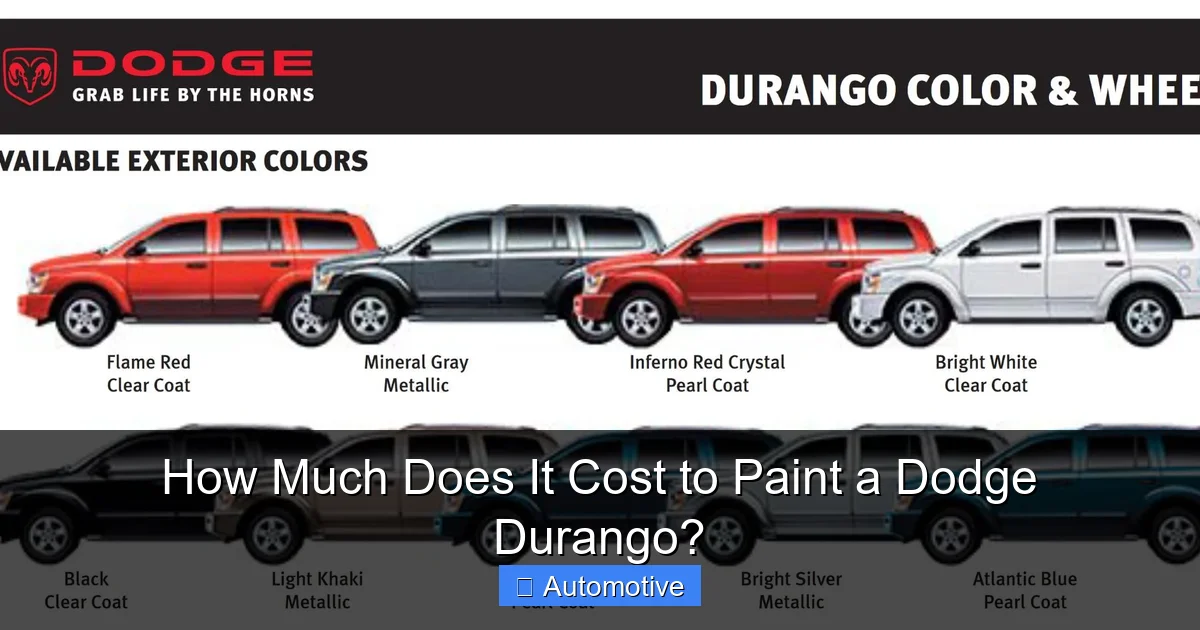
Visual guide about How Much Does It Cost to Paint a Dodge Durango?
Image source: hdpaintcode.com
So, what determines how much you’ll pay to paint your Durango? It’s not just about the paint itself. Several key factors influence the total cost, and understanding them can help you avoid surprises when you get the estimate.
1. Paint Quality and Type
Not all paint is created equal. The type of paint used can dramatically affect both the price and the longevity of your paint job.
Economy or standard paint jobs use basic acrylic enamel or urethane paints. These are the most affordable options, typically costing between $300 and $1,000 for a full job. They’ll look good at first, but they’re more prone to fading, chipping, and wear over time.
Mid-grade paint jobs use higher-quality urethane paints with better UV protection and color retention. These usually run between $1,000 and $2,500 and are a popular choice for daily drivers who want a balance of cost and quality.
Premium or custom paint jobs use top-tier materials, including metallic, pearl, or ceramic-infused paints. These can cost $3,000 to $5,000 or more. They offer superior shine, depth, and durability—perfect if you’re restoring a classic Durango or want a show-quality finish.
2. Body Condition and Prep Work
This might be the biggest hidden cost. If your Durango has dents, rust, deep scratches, or peeling paint, the prep work required will add significantly to the price.
For example, a minor scratch might just need light sanding and touch-up paint. But if you’ve got hail damage or rust spots, the body shop may need to fill, sand, and prime those areas before painting. That extra labor can add $200 to $1,000 or more to the total cost.
Even if the body looks okay, a professional job will still include thorough cleaning, sanding, and masking to ensure the paint adheres properly. Skipping this step—like some cheap shops might do—can lead to peeling or bubbling down the road.
3. Labor and Shop Type
Labor is a major part of the cost. A full paint job on a Durango typically takes 3 to 7 days, depending on the shop’s workload and the complexity of the job.
Independent body shops usually charge less than dealerships or high-end custom shops. You might pay $50–$100 per hour at a local garage, while a dealership could charge $120–$200 per hour. Custom shops with specialized equipment and experienced painters may charge even more.
Location also plays a role. Shops in big cities like Los Angeles, New York, or Chicago tend to have higher overhead and labor rates than those in smaller towns. So, the same job might cost 20–30% more in an urban area.
4. Paint Coverage and Number of Coats
A full paint job means painting the entire vehicle—hood, doors, fenders, roof, and bumpers. But some shops offer partial jobs, like just the hood or doors, which are cheaper.
Also, the number of paint coats matters. A basic job might include one coat of base paint and one clear coat. A premium job could include multiple base coats, color blending, and 2–3 layers of clear coat for extra protection and shine.
More coats mean more materials and labor, which increases the cost. But they also improve the final look and durability.
5. Additional Services
Many shops offer add-ons that can enhance your paint job—but also add to the price. These include:
– Color matching (especially important if you’re only painting part of the vehicle)
– Trim and emblem removal (for a cleaner finish)
– Waxing and polishing after the job
– Rustproofing or undercoating
While these aren’t always necessary, they can make a big difference in the final result.
DIY vs. Professional Paint Jobs: What’s the Real Difference?
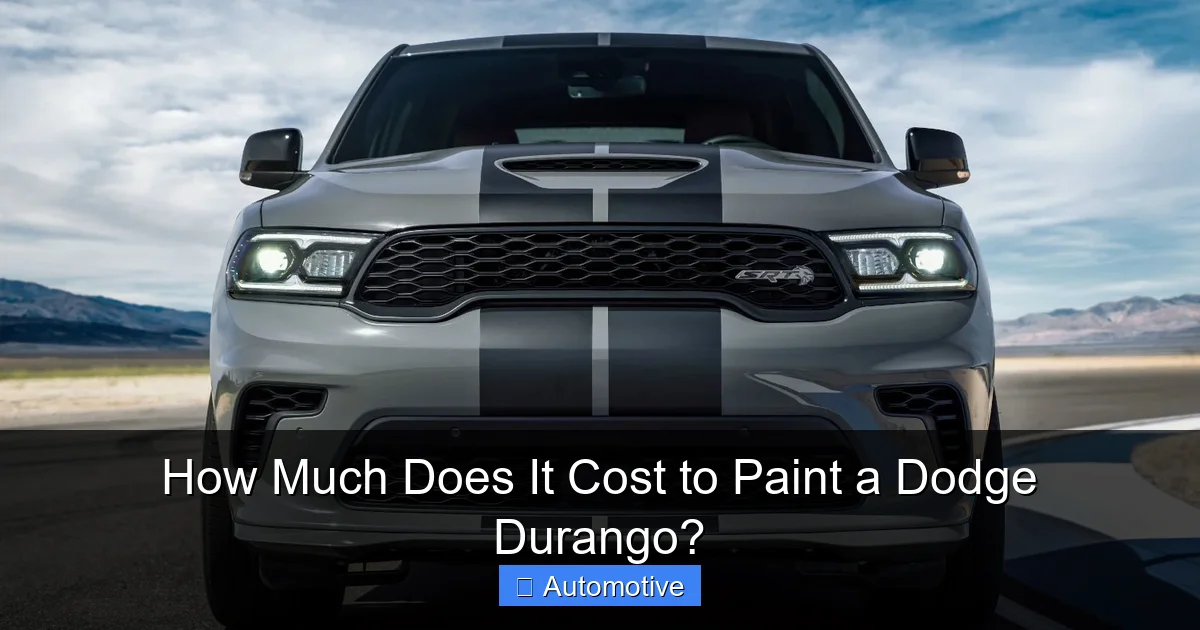
Visual guide about How Much Does It Cost to Paint a Dodge Durango?
Image source: suvdrive.com
One of the biggest decisions you’ll make is whether to tackle the paint job yourself or hire a professional. Both options have pros and cons, and the right choice depends on your budget, skill level, and expectations.
DIY Paint Kits: Affordable but Challenging
If you’re handy and looking to save money, a DIY paint kit might be tempting. These kits typically include spray paint, primer, clear coat, and basic tools. You can find them online or at auto parts stores for $200 to $800.
The appeal is clear: you could save thousands compared to a professional job. But here’s the catch—painting a car isn’t like painting a wall. It requires precision, patience, and the right environment.
You’ll need a clean, dust-free space (like a garage), proper ventilation, and protective gear. Even small particles in the air can ruin the finish. And if you’re not experienced with spray guns, you might end up with drips, uneven coverage, or orange peel texture.
Plus, DIY jobs rarely include the level of prep work that professionals do. Without proper sanding and priming, the paint may not adhere well, leading to peeling or bubbling in a few months.
That said, if you’re repainting a single panel or doing a touch-up, DIY can work well. But for a full Durango paint job, most experts recommend going pro.
Professional Paint Jobs: Quality and Peace of Mind
Hiring a professional means you get expertise, proper equipment, and often a warranty on the work. A good shop will:
– Inspect the vehicle thoroughly
– Repair any body damage
– Sand and prime all surfaces
– Apply multiple coats with precision
– Finish with a high-gloss clear coat
– Polish and inspect the final result
Most professional jobs come with a 1- to 5-year warranty, so if the paint starts to fade or peel, you can get it fixed for free.
The downside? Cost. But when you factor in the time, tools, and potential for mistakes, many people find that the extra expense is worth it for a flawless, long-lasting finish.
Real-World Cost Breakdown: What You Can Expect to Pay
Visual guide about How Much Does It Cost to Paint a Dodge Durango?
Image source: transmissioncar.com
Let’s look at some realistic price ranges based on different scenarios. Keep in mind that these are estimates—actual costs may vary depending on your location and the shop you choose.
Budget Paint Job: $300–$1,000
This is the lowest tier. You might find a small shop or mobile painter offering a quick spray job for under $500. These jobs often skip extensive prep work and use economy paint.
Best for: Minor touch-ups, older vehicles, or if you’re planning to sell soon.
Pros: Cheap and fast.
Cons: Short lifespan, poor color match, prone to fading and chipping.
Standard Professional Job: $1,500–$2,500
This is the sweet spot for most Durango owners. You get decent paint quality, proper prep work, and a solid clear coat. Shops in this range usually offer a 1- to 3-year warranty.
Best for: Daily drivers who want a fresh look without breaking the bank.
Pros: Good balance of cost and quality, professional finish.
Cons: May not include extensive body repairs or custom colors.
Premium Paint Job: $3,000–$5,000+
This is top-tier work. You’re paying for high-end materials, expert craftsmanship, and attention to detail. These jobs often include color blending, multi-stage paint, and ceramic coatings.
Best for: Show vehicles, high-mileage Durangos being restored, or if you want maximum resale value.
Pros: Showroom-quality finish, long-lasting, excellent color depth.
Cons: Expensive, may take over a week to complete.
Custom or Specialty Paint: $5,000+
If you want a unique color, custom graphics, or a matte finish, be prepared to pay a premium. Custom paint jobs require special pigments, extra labor, and often hand-painting techniques.
Best for: Enthusiasts, collectors, or those wanting a one-of-a-kind look.
Pros: Unique, eye-catching, high perceived value.
Cons: Very expensive, may reduce resale value if too personalized.
How to Save Money on a Dodge Durango Paint Job
A fresh paint job doesn’t have to drain your wallet. With a little planning and smart choices, you can get a great result without overspending.
1. Get Multiple Quotes
Don’t just go with the first estimate you get. Visit at least three different shops—independent garages, dealerships, and mobile painters—and compare prices and services.
Ask for a detailed breakdown: labor, materials, prep work, and warranty. This helps you spot hidden fees and choose the best value.
2. Choose the Right Time of Year
Body shops are often busiest in spring and summer. If you can wait, scheduling your paint job in fall or winter might get you a discount. Some shops offer off-season promotions to keep busy.
3. Bundle Services
If your Durango needs other work—like dent repair, rust removal, or interior cleaning—ask if the shop offers a package deal. Bundling services can save you 10–20% compared to paying for each separately.
4. Opt for Standard Colors
Custom colors or rare shades cost more because they require special mixing and ordering. Sticking with common colors like black, white, silver, or gray can save you $200–$500.
5. Do Some Prep Work Yourself
If you’re comfortable with basic tasks, you can save on labor by doing some prep work yourself. For example, washing and drying the vehicle, removing emblems, or sanding minor scratches.
Just be careful—over-sanding or using the wrong materials can damage the body and increase repair costs.
6. Consider a Partial Paint Job
If only certain areas are damaged, you might not need a full repaint. Painting just the hood, doors, or bumpers can cost 30–50% less than a full job.
Keep in mind, color matching is crucial. Even a slight difference will be noticeable, so make sure the shop uses high-quality matching techniques.
Does a New Paint Job Increase Resale Value?
This is a common question: will spending $2,000 on a paint job actually pay off when it’s time to sell?
The short answer: yes—if done right.
A clean, shiny exterior is one of the first things buyers notice. A faded, scratched, or peeling paint job can make a Durango look neglected, even if it runs perfectly. In fact, studies show that a well-maintained exterior can increase a vehicle’s resale value by up to 15%.
But there’s a catch. A cheap, poorly done paint job can actually hurt your resale value. Buyers may suspect hidden damage or poor maintenance. That’s why it’s important to invest in quality.
If you plan to sell in the next 1–3 years, a standard professional paint job is a smart investment. It improves curb appeal, attracts more buyers, and can help you get a higher offer.
If you’re keeping the Durango for many more years, a premium job can keep it looking great and protect the body from rust and corrosion.
Final Thoughts: Is Painting Your Dodge Durango Worth It?
So, how much does it cost to paint a Dodge Durango? As you’ve seen, the answer isn’t simple. It depends on your goals, budget, and the condition of your vehicle.
But here’s the bottom line: a quality paint job is more than just cosmetic. It protects your Durango from the elements, improves its appearance, and can even boost its value.
If you’re on a tight budget, a DIY touch-up or budget shop might be enough. But for most owners, investing in a professional job with proper prep and high-quality paint is the best choice.
Take your time, do your research, and don’t rush into the cheapest option. A little extra spent upfront can save you money—and headaches—down the road.
Your Durango deserves to look its best. With the right paint job, it can turn heads and last for years to come.
Frequently Asked Questions
How much does it cost to paint a Dodge Durango?
The cost to paint a Dodge Durango ranges from $300 for a basic DIY job to $5,000+ for a premium professional finish. Most owners pay between $1,500 and $3,500 for a quality repaint.
Can I paint my Durango myself?
Yes, you can paint your Durango yourself using a DIY kit, but it requires skill, time, and a clean workspace. Without proper prep and technique, the results may be uneven or short-lived.
How long does it take to paint a Dodge Durango?
A professional paint job typically takes 3 to 7 days, depending on the shop’s workload and the extent of prep work needed. DIY jobs can take longer, especially for beginners.
Will a new paint job increase my Durango’s value?
Yes, a high-quality paint job can increase your Durango’s resale value by up to 15% by improving curb appeal and signaling good maintenance. Poorly done jobs may have the opposite effect.
What’s included in a professional paint job?
A professional job usually includes washing, sanding, priming, painting, clear coating, and polishing. Many shops also offer warranties and color matching for a seamless finish.
Should I repair dents before painting?
Yes, repairing dents, rust, or scratches before painting is essential for a smooth, long-lasting finish. Skipping repairs can lead to peeling or bubbling paint over time.
