How Much Does Car Battery Replacement Cost
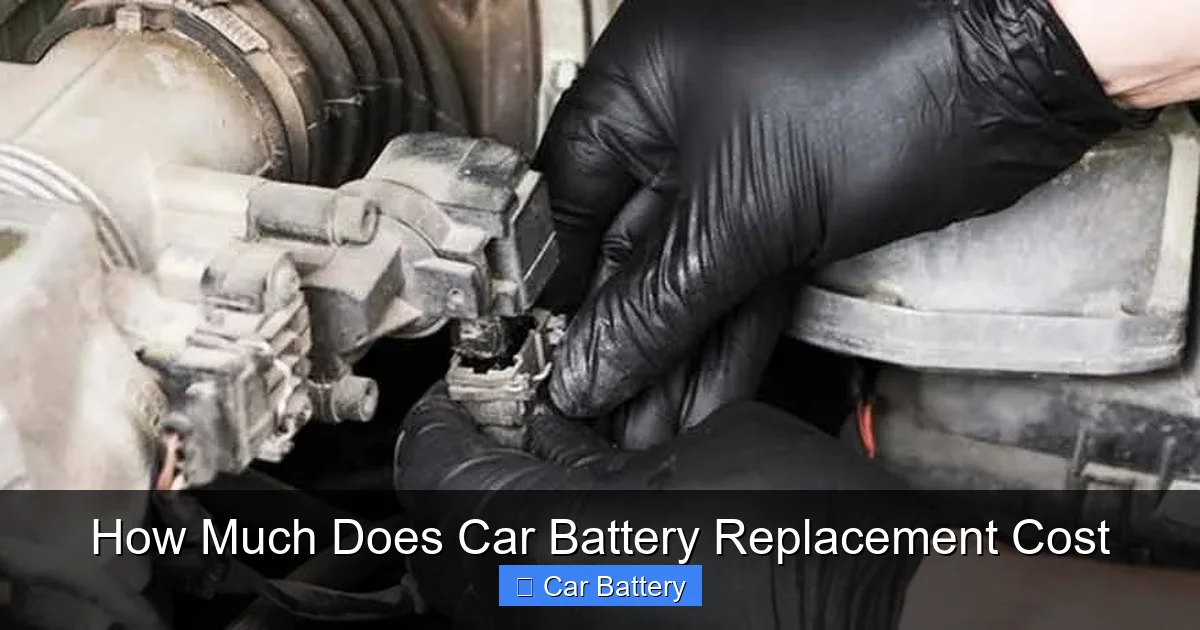
Replacing a car battery typically costs between $100 and $300, depending on the vehicle, battery type, and labor fees. While some drivers opt for DIY installation to save money, professional service ensures proper handling and warranty protection.
Imagine this: It’s a cold Monday morning, you’re running late for work, and you turn the key in your ignition—only to hear a slow, grinding click. Your car won’t start. Chances are, your battery has finally given up the ghost. Car battery replacement is one of the most common automotive repairs, yet many drivers are left in the dark about how much it actually costs. Whether you’re driving a compact sedan or a high-end SUV, understanding the factors that influence battery replacement costs can save you time, money, and stress.
The good news? Replacing a car battery is usually straightforward and affordable compared to other car repairs. The bad news? Prices can vary widely depending on your vehicle, the type of battery you need, and where you get it installed. From budget-friendly lead-acid options to high-performance AGM batteries, the market offers a range of choices. And while some people prefer to tackle the job themselves, others trust professionals to handle it safely and correctly. In this guide, we’ll break down everything you need to know about car battery replacement costs—so you can make an informed decision when the time comes.
In This Article
- 1 Key Takeaways
- 2 📑 Table of Contents
- 3 Understanding Car Battery Basics
- 4 Factors That Affect Car Battery Replacement Cost
- 5 Average Car Battery Replacement Costs in 2024
- 6 DIY vs. Professional Installation: Which Is Better?
- 7 Tips to Save Money on Car Battery Replacement
- 8 Conclusion
- 9 Frequently Asked Questions
Key Takeaways
- Battery cost varies by type: Standard lead-acid batteries are cheaper ($100–$200), while AGM and lithium-ion batteries cost more ($200–$400+).
- Labor adds $20–$80: Most mechanics charge $50–$100 per hour, but battery replacement usually takes under an hour.
- Vehicle make and model matter: Luxury and hybrid vehicles often require specialized batteries, increasing total cost.
- DIY vs. professional installation: DIY saves labor costs but risks improper installation; pros offer warranties and recycling.
- Warranty coverage reduces long-term cost: Many batteries come with 3–5 year warranties, covering free replacements if they fail early.
- Signs you need a replacement: Slow engine crank, dim lights, or a battery older than 3–5 years are common indicators.
- Seasonal timing affects price: Winter months often see higher demand and prices due to increased battery failures in cold weather.
📑 Table of Contents
Understanding Car Battery Basics
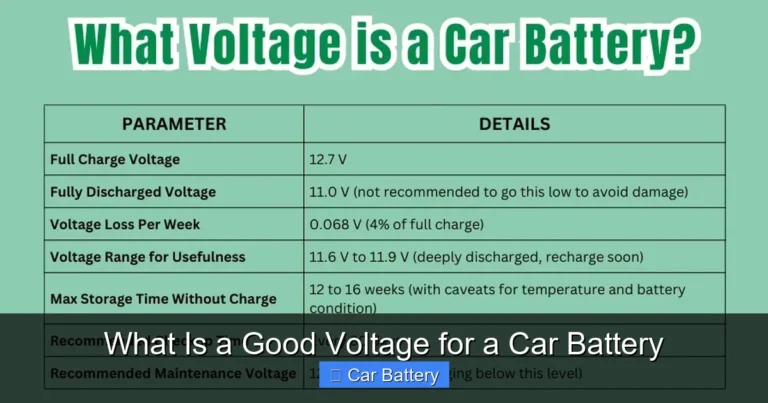
Before diving into costs, it helps to understand what a car battery does and why it eventually needs replacing. Your car’s battery is the heart of its electrical system. It provides the initial power to start the engine and supplies electricity to lights, radio, air conditioning, and other components when the engine is off. Once the engine runs, the alternator takes over to power these systems and recharge the battery.
How Long Does a Car Battery Last?
On average, a car battery lasts between 3 and 5 years. However, this lifespan can be shorter or longer depending on several factors. Extreme temperatures—both hot and cold—can accelerate wear. For example, in hot climates like Arizona or Texas, batteries may degrade faster due to heat exposure under the hood. Conversely, in cold regions like Minnesota or Canada, batteries struggle to deliver power in freezing conditions, which can lead to failure during winter months.
Other factors include driving habits. Short trips don’t allow the alternator enough time to fully recharge the battery, leading to gradual depletion. Frequent use of electronics (like GPS, phone chargers, or dash cams) while the engine is off also drains the battery faster. Additionally, poor maintenance—such as corroded terminals or loose connections—can shorten battery life.
Signs Your Battery Needs Replacing
Knowing when to replace your battery can prevent unexpected breakdowns. Here are the most common warning signs:
- Slow engine crank: If the engine turns over slowly or takes longer than usual to start, the battery may be weak.
- Dim headlights or interior lights: Lights that flicker or appear dimmer than normal, especially when idling, suggest low voltage.
- Check engine or battery warning light: A lit dashboard warning light could indicate a charging system issue, often related to the battery.
- Swollen battery case: Heat can cause the battery case to bulge, a sign of internal damage.
- Old age: If your battery is more than 3 years old and showing any of these symptoms, it’s time to consider a replacement.
Regular maintenance checks—like inspecting terminals for corrosion and testing voltage—can help you catch problems early. Many auto parts stores offer free battery testing, so take advantage of that service during routine visits.
Factors That Affect Car Battery Replacement Cost
The total cost of replacing a car battery isn’t just about the price tag on the battery itself. Several variables influence the final amount you’ll pay. Understanding these factors can help you budget wisely and avoid surprises at the mechanic’s shop.
Visual guide about How Much Does Car Battery Replacement Cost
Image source: servicetasker.com.au
Battery Type and Technology
Not all car batteries are created equal. The type of battery you need depends on your vehicle’s make, model, and electrical demands. Here’s a breakdown of the most common types:
- Flooded Lead-Acid (Standard): This is the most common and affordable type, used in most gasoline-powered cars. Prices typically range from $100 to $200. These batteries require occasional maintenance, like checking water levels, though many modern versions are maintenance-free.
- Absorbent Glass Mat (AGM): AGM batteries are more advanced and durable. They’re commonly found in vehicles with start-stop technology, luxury cars, and those with high electrical loads (e.g., premium sound systems). AGM batteries cost between $200 and $350 but offer better performance and longer life.
- Enhanced Flooded Battery (EFB): Designed for entry-level start-stop vehicles, EFBs are a step up from standard lead-acid batteries. They cost $150–$250 and provide improved cycling ability.
- Lithium-Ion: Used primarily in hybrid and electric vehicles, lithium-ion batteries are lightweight and efficient but come with a high price tag—often $300 to $600 or more. They’re not typically used in conventional gasoline cars.
Choosing the right battery ensures optimal performance and longevity. Using a cheaper battery in a vehicle that requires AGM technology can lead to electrical issues or premature failure.
Vehicle Make and Model
Your car’s brand and model play a big role in battery cost. Luxury vehicles like BMW, Mercedes-Benz, and Audi often require proprietary batteries that are more expensive and harder to find. For example, a replacement battery for a BMW 3 Series might cost $300–$450, while a Toyota Corolla’s battery could be under $150.
Hybrid and electric vehicles also use specialized batteries. While the 12V auxiliary battery in a Toyota Prius might cost $150–$250, the main hybrid battery pack is a completely different (and far more expensive) component—often thousands of dollars. However, this guide focuses on the standard 12V battery used to start the engine and power accessories.
Labor Costs and Installation Fees
Even if you buy the battery yourself, installation isn’t always free. Most mechanics charge between $20 and $80 for labor, depending on location and shop rates. On average, battery replacement takes 15–30 minutes, so labor is usually billed at a flat rate rather than hourly.
Some auto parts stores, like AutoZone, O’Reilly Auto Parts, and Advance Auto Parts, offer free installation if you purchase the battery from them. This can save you $50 or more. However, this service may not be available for all vehicles—especially those with batteries located in hard-to-reach places, like under the rear seat or inside the wheel well.
Dealerships tend to charge the highest labor rates, often $100 or more, due to higher overhead and specialized tools. Independent mechanics usually offer more competitive pricing.
Geographic Location
Where you live affects both battery and labor costs. In urban areas with higher living expenses—like New York City, Los Angeles, or San Francisco—prices tend to be 10–20% higher than in rural areas. Additionally, states with extreme weather may see seasonal price fluctuations. For instance, demand for batteries spikes in winter, especially after cold snaps, which can temporarily drive up prices.
Taxes and environmental fees also vary by state. Some regions charge a core charge (a deposit for returning your old battery), typically $10–$20, which is refunded when you bring in the old unit for recycling.
Average Car Battery Replacement Costs in 2024
So, how much should you expect to pay in 2024? Based on current market trends and data from major retailers and repair shops, here’s a realistic breakdown of average costs.
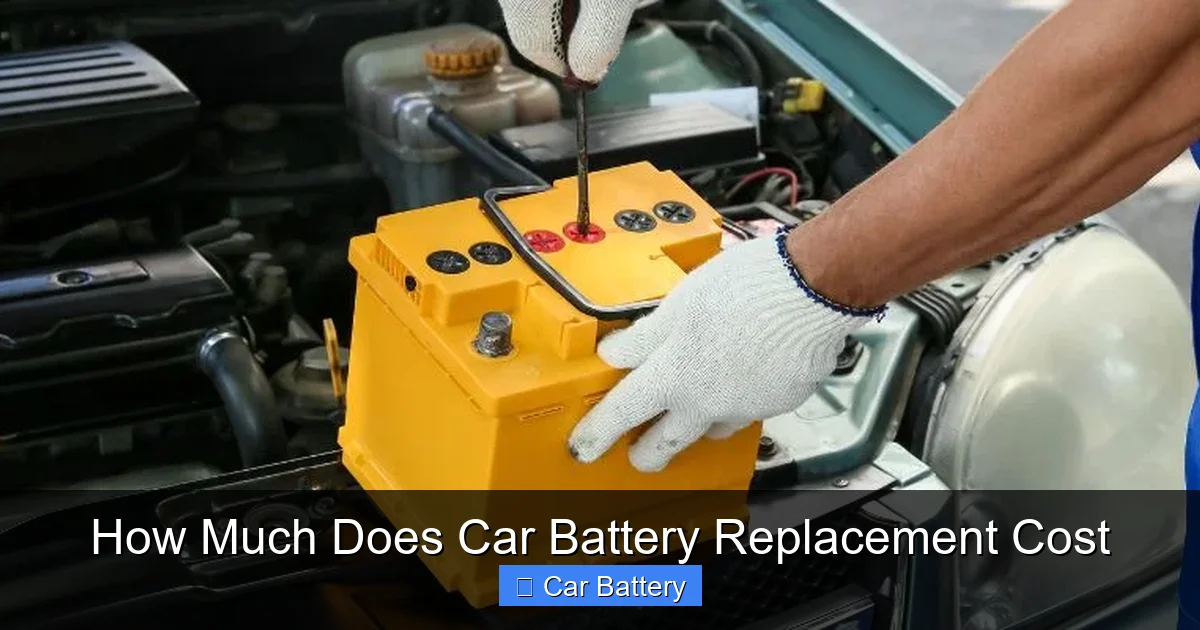
Visual guide about How Much Does Car Battery Replacement Cost
Image source: servicetasker.com.au
Battery-Only Costs
If you’re buying just the battery (and planning to install it yourself or have a friend help), here’s what you can expect to pay:
- Standard lead-acid battery: $100–$200
- EFB battery: $150–$250
- AGM battery: $200–$350
- Lithium-ion (for hybrids): $300–$600+
Prices may vary slightly depending on brand. Popular brands like Optima, DieHard, Interstate, and Bosch offer reliable performance but may cost more than generic or store-brand options. However, investing in a reputable brand often means better warranty coverage and longer lifespan.
Total Replacement Cost (Battery + Labor)
When you factor in professional installation, the total cost increases. Here’s a realistic estimate for a full replacement:
- Economy car (e.g., Honda Civic, Toyota Corolla): $150–$250 total
- Mid-range sedan (e.g., Ford Fusion, Nissan Altima): $180–$300 total
- SUV or truck (e.g., Ford F-150, Toyota RAV4): $200–$350 total
- Luxury vehicle (e.g., BMW, Audi, Lexus): $300–$500+ total
- Hybrid vehicle (e.g., Toyota Prius, Honda Insight): $250–$450 total
These estimates include both the battery and standard labor fees. Keep in mind that additional services—like terminal cleaning, battery testing, or software resets (required on some modern vehicles)—may add $20–$50 to the total.
Hidden Costs to Watch For
While most battery replacements are straightforward, some situations can lead to extra charges:
- Battery location: If the battery is buried under seats, consoles, or fenders (common in some European cars), labor time increases, raising the cost.
- Software updates: Some vehicles require a system reset after battery replacement. Dealerships may charge $50–$100 for this service.
- Old battery disposal: Most shops recycle your old battery for free, but if you’re doing it yourself, you may need to pay a small fee at a recycling center.
- Emergency service: If you need a replacement on the roadside (e.g., through AAA or a mobile mechanic), expect to pay a premium—often $100–$200 extra.
To avoid surprises, always ask for a detailed quote before agreeing to service. Reputable shops will itemize battery cost, labor, taxes, and any additional fees.
DIY vs. Professional Installation: Which Is Better?
One of the biggest decisions when replacing a car battery is whether to do it yourself or hire a professional. Both options have pros and cons, and the best choice depends on your skills, tools, and comfort level.
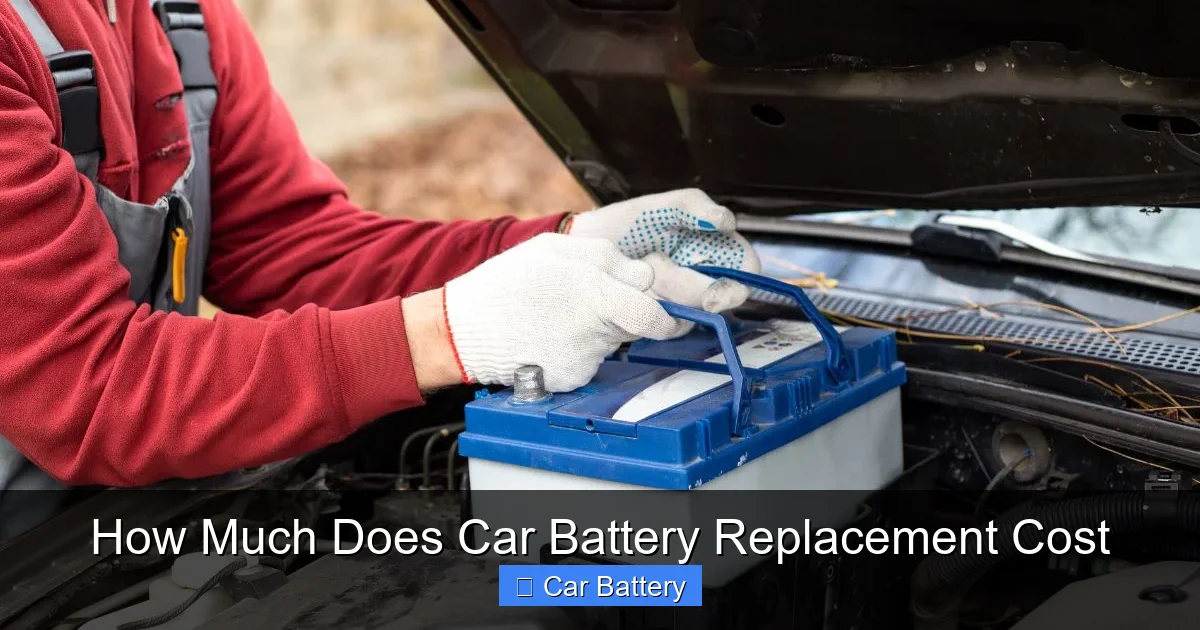
Visual guide about How Much Does Car Battery Replacement Cost
Image source: servicetasker.com.au
DIY Battery Replacement: Pros and Cons
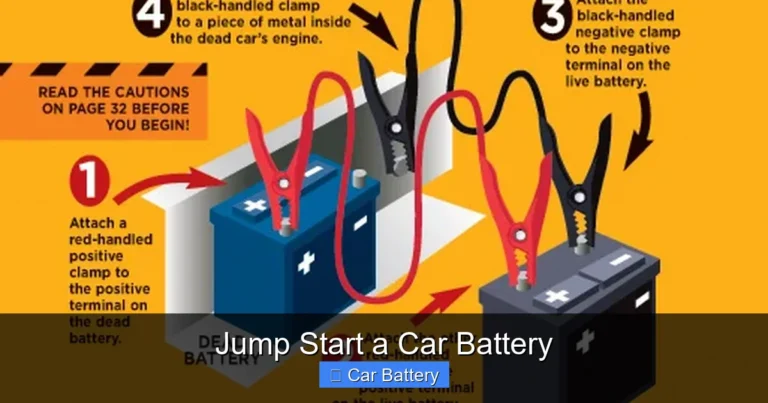
Replacing a car battery yourself can save you $50–$100 in labor costs. It’s a relatively simple task that most drivers can handle with basic tools. Here’s how it works:
- Turn off the engine and remove the keys.
- Locate the battery (usually under the hood).
- Disconnect the negative (black) cable first, then the positive (red) cable.
- Remove any brackets or clamps holding the battery in place.
- Lift out the old battery (they can weigh 30–50 pounds).
- Place the new battery in the tray, secure it, and reconnect the cables (positive first, then negative).
- Start the car to confirm it’s working.
Pros of DIY:
- Saves money on labor
- Quick and easy for most cars
- Convenient if you already have tools
Cons of DIY:
- Risk of improper installation (e.g., reversed cables can damage electronics)
- No warranty on labor
- Disposal of old battery can be tricky
- Some modern cars require software resets that need specialized tools
If you choose DIY, always wear gloves and safety glasses. Batteries contain sulfuric acid and can leak or explode if mishandled. Never smoke near a battery, and avoid touching both terminals at once.
Professional Installation: Why It’s Worth It
For many drivers, paying a professional is the safer, smarter choice. Mechanics have the tools, experience, and knowledge to handle tricky installations and ensure everything is done correctly.
Pros of professional installation:
- Proper handling and safety
- Free installation at many auto parts stores
- Warranty coverage on both parts and labor
- Old battery recycling included
- System checks and software resets if needed
Cons of professional installation:
- Higher total cost
- May require an appointment
- Potential for upselling unnecessary services
To get the best value, compare prices at local mechanics, dealerships, and national chains. Read reviews and ask about warranties. A good shop will explain the process and offer a clear quote upfront.
Tips to Save Money on Car Battery Replacement
Replacing a car battery doesn’t have to break the bank. With a little planning and smart shopping, you can reduce costs without sacrificing quality.
Shop Around and Compare Prices
Don’t settle for the first quote you get. Check prices at multiple retailers, including online stores like Amazon, RockAuto, and Walmart. Many offer competitive pricing and free shipping. Just make sure the battery is compatible with your vehicle—use your car’s year, make, and model to verify fitment.
Take Advantage of Free Services
Most auto parts stores offer free battery testing, installation, and recycling. Use these services to save money and ensure proper handling. Some even provide free system checks to confirm your alternator and starter are working correctly.
Buy During Off-Peak Seasons
Battery demand is highest in winter, so prices may rise during cold months. If your battery is still working but showing signs of weakness, consider replacing it in spring or fall when demand is lower and promotions are more common.
Choose the Right Battery for Your Needs
You don’t always need the most expensive battery. If your car doesn’t have start-stop technology or high electrical demands, a standard lead-acid battery is sufficient. Avoid overpaying for features you don’t need.
Check for Rebates and Promotions
Manufacturers and retailers often run seasonal promotions. For example, DieHard and Interstate frequently offer $20–$50 mail-in rebates. Sign up for store newsletters or check their websites for current deals.
Maintain Your Battery to Extend Life
A well-maintained battery lasts longer, delaying the need for replacement. Clean terminals regularly, secure the battery to prevent vibration damage, and avoid leaving electronics on when the engine is off. If you don’t drive often, consider using a battery maintainer or trickle charger.
Conclusion
Car battery replacement is a routine but essential maintenance task that every driver will face eventually. While the cost can range from $100 to $500 or more, understanding the factors that influence pricing helps you make smart decisions. From choosing the right battery type to deciding between DIY and professional installation, there are ways to save money without compromising safety or performance.
Remember, a failing battery rarely gives a loud warning—it often sneaks up on you. Regular checks and timely replacements can prevent inconvenient breakdowns and costly emergency calls. Whether you’re driving a compact car or a luxury SUV, investing in a quality battery and proper installation ensures your vehicle stays reliable for years to come. So the next time your car hesitates to start, don’t panic—just use this guide to navigate the process with confidence.
Frequently Asked Questions
How often should I replace my car battery?
Most car batteries last between 3 and 5 years. However, extreme weather, driving habits, and electrical usage can shorten this lifespan. Regular testing can help determine when it’s time for a replacement.
Can I replace my car battery myself?
Yes, many drivers can safely replace their own battery with basic tools and caution. However, if your vehicle requires a software reset or has a hard-to-reach battery, professional installation is recommended.
Why is my new battery dying quickly?
A new battery may fail prematurely due to a faulty alternator, parasitic drain, or improper installation. Have your charging system tested to identify the root cause.
Do I need to reset my car after replacing the battery?
Some modern vehicles require a system reset or reprogramming after battery replacement, especially those with start-stop technology or advanced electronics. Check your owner’s manual or consult a mechanic.
Is it safe to buy a used or refurbished car battery?
It’s generally not recommended. Used batteries may have hidden damage or reduced capacity, leading to early failure. New batteries come with warranties and better reliability.
What should I do with my old car battery?
Old car batteries should be recycled. Most auto parts stores and repair shops accept them for free. They contain hazardous materials and must not be thrown in the trash.