
How Much Does an Alignment Cost for a Bmw

Getting an alignment for your BMW typically costs between $150 and $350, depending on your model, location, and service provider. While dealerships charge more, independent shops and chain service centers offer competitive rates—especially if you catch alignment issues early.
Key Takeaways
- Typical alignment cost: Most BMW owners pay between $150 and $350 for a standard four-wheel alignment.
- Dealership vs. independent shops: BMW dealerships often charge 20–40% more than independent mechanics or national chains like Firestone or Midas.
- Model matters: High-performance or luxury models like the M3 or X7 may require specialized equipment, increasing the price.
- Signs you need an alignment: Uneven tire wear, pulling to one side, or a crooked steering wheel are common red flags.
- Preventative maintenance pays off: Regular alignments extend tire life, improve fuel efficiency, and enhance handling—saving you money long-term.
- DIY checks aren’t enough: While you can spot symptoms at home, only a professional alignment machine can measure and correct camber, caster, and toe angles accurately.
- Warranty and service packages: Some BMW maintenance plans include alignments, so check your coverage before paying out of pocket.
📑 Table of Contents
- How Much Does an Alignment Cost for a BMW? A Complete Guide
- What Is a Wheel Alignment and Why Does Your BMW Need One?
- Factors That Influence BMW Alignment Costs
- Signs Your BMW Needs an Alignment
- Where to Get Your BMW Aligned: Pros and Cons
- How to Save Money on Your BMW Alignment
- How Often Should You Align Your BMW?
- Final Thoughts: Is a BMW Alignment Worth the Cost?
How Much Does an Alignment Cost for a BMW? A Complete Guide
If you drive a BMW, you already know it’s not just a car—it’s a precision machine built for performance, comfort, and engineering excellence. But even the most finely tuned vehicles need regular maintenance to keep running smoothly. One often-overlooked but critical service is wheel alignment. Whether you’ve noticed your BMW pulling to one side or your tires wearing unevenly, getting an alignment might be overdue.
So, how much does an alignment cost for a BMW? The short answer: expect to pay between $150 and $350 for a standard four-wheel alignment. But that number can vary based on several factors, including your BMW model, where you live, and who performs the service. In this guide, we’ll break down everything you need to know about BMW alignment costs, what affects pricing, where to get the best deal, and why this service is so important for your driving experience.
What Is a Wheel Alignment and Why Does Your BMW Need One?
Before diving into costs, it’s important to understand what a wheel alignment actually does. In simple terms, alignment adjusts the angles of your wheels so they’re perfectly perpendicular to the road and parallel to each other. This ensures your BMW handles correctly, wears tires evenly, and maintains optimal contact with the pavement.
There are three main alignment angles technicians adjust:
Camber
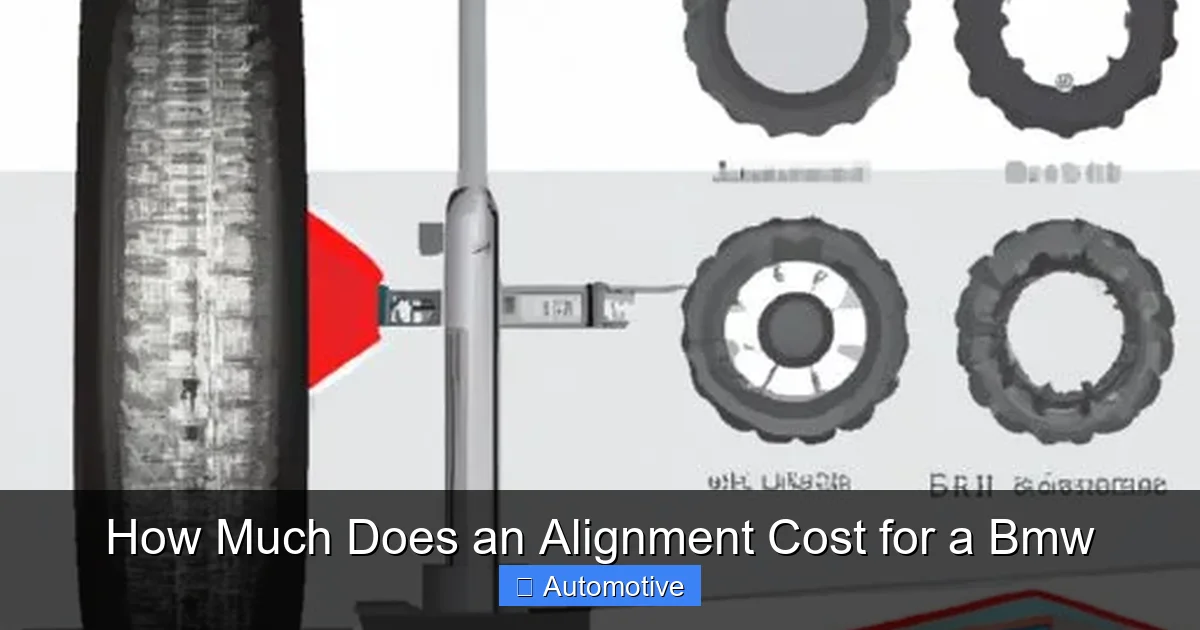
This is the inward or outward tilt of the wheel when viewed from the front. If the top of the tire leans too far in or out, it’s called negative or positive camber. Incorrect camber causes uneven tire wear on the inner or outer edges and can make the car feel unstable during cornering.
Visual guide about How Much Does an Alignment Cost for a Bmw
Image source: tffn.net
Caster
Caster refers to the forward or backward tilt of the steering axis when viewed from the side. It affects steering stability and returnability—how well the wheel centers itself after a turn. Too much or too little caster can make the steering feel heavy or wander at highway speeds.
Toe
Toe measures whether the front of the wheels point slightly inward (toe-in) or outward (toe-out) when viewed from above. Even a small misalignment here can cause rapid tire wear and a “feathering” pattern on the tread. It also impacts fuel efficiency and straight-line tracking.
BMW vehicles are engineered with tight suspension tolerances and advanced steering systems. That means even minor misalignments can affect performance, safety, and comfort. Unlike older cars, modern BMWs often require computerized alignment equipment to match factory specifications precisely.
Factors That Influence BMW Alignment Costs
Now that you know what alignment entails, let’s explore the variables that determine how much you’ll pay.
1. Type of Alignment
There are three main types of wheel alignments:

Visual guide about How Much Does an Alignment Cost for a Bmw
Image source: lihpao.com
- Front-end alignment: Adjusts only the front wheels. This is the cheapest option, typically $75–$150, but it’s rarely sufficient for modern BMWs, which are usually four-wheel drive or have independent rear suspensions.
- Four-wheel alignment: Adjusts all four wheels and is recommended for most BMW models. This is the standard service and costs between $150 and $350.
- Thrust angle alignment: Used when the rear wheels are misaligned relative to the front. This is common after suspension repairs or accidents and may add $50–$100 to the total cost.
For most BMW owners, a full four-wheel alignment is the best choice to ensure balanced handling and even tire wear.
2. Where You Get the Service Done
The service provider you choose has a big impact on price:
- BMW dealerships: Expect to pay $250–$400 or more. Dealerships use OEM (original equipment manufacturer) tools and trained technicians familiar with BMW systems. However, they often charge premium labor rates.
- Independent BMW specialists: These shops focus on European cars and may charge $175–$300. They often offer personalized service and competitive pricing while still using high-quality equipment.
- National chain shops (e.g., Firestone, Midas, Pep Boys): Prices range from $120–$250. These shops are convenient and often run promotions, but not all technicians are trained on BMW-specific systems.
- Local mechanics: Small, local garages may offer the lowest rates ($100–$200), but verify they have experience with BMWs and modern alignment machines.
Tip: Always ask if the shop uses a Hunter or similar computerized alignment system—these are essential for accurate BMW alignments.
3. Your BMW Model and Year
Not all BMWs are created equal when it comes to alignment. High-performance models like the M3, M5, or M8 often have more complex suspension setups and require specialized procedures. Similarly, SUVs like the X5 or X7 may need additional adjustments due to their weight and all-wheel-drive systems.
Older BMWs (pre-2000) might be easier and cheaper to align, while newer models with adaptive suspension or electronic damping (like the Adaptive M Suspension) may require recalibration after alignment—adding $50–$150 to the bill.
4. Geographic Location
Labor rates vary widely by region. In cities like New York, Los Angeles, or Chicago, expect to pay 20–30% more than in rural areas. For example, a $200 alignment in Austin might cost $260 in San Francisco. Always call ahead to compare local pricing.
5. Additional Repairs or Adjustments
Sometimes, alignment issues are symptoms of bigger problems. If your BMW has worn suspension components—like ball joints, control arms, or tie rods—the mechanic may recommend replacing them before aligning the wheels. These repairs can add $200–$800 to your total bill, but they’re necessary for a proper alignment.
Example: A 2015 BMW 328i owner in Denver noticed the car pulling left. The shop found a worn lower control arm and replaced it for $320, then performed a four-wheel alignment for $190. Total cost: $510. While pricey, this prevented further tire damage and unsafe handling.
Signs Your BMW Needs an Alignment
You don’t need to wait for a warning light to know your BMW needs an alignment. Here are the most common symptoms to watch for:
Uneven or Rapid Tire Wear
If you notice the inner or outer edges of your tires wearing down faster than the center, it’s a classic sign of misalignment. Check your tread depth with a penny—if Lincoln’s head is fully visible on one side but not the other, alignment is likely the culprit.

Visual guide about How Much Does an Alignment Cost for a Bmw
Image source: bmwinsights.com
Vehicle Pulls to One Side
When driving on a flat, straight road, your BMW should track straight with minimal steering input. If it constantly drifts left or right, even on level pavement, your wheels aren’t aligned.
Steering Wheel Is Off-Center
After making a turn and returning to straight driving, your steering wheel should be level. If it’s tilted even slightly, your alignment is off. This is especially noticeable on highways.
Steering Feels Loose or Wanders
A properly aligned BMW has responsive, precise steering. If the car feels “floaty” or the wheel doesn’t return to center smoothly, alignment or suspension issues may be to blame.
Vibration or Shaking
While often linked to tire balance, vibrations at certain speeds can also result from severe misalignment, especially in the rear wheels.
After Suspension Work or an Accident
Any time your BMW undergoes suspension repairs, hits a pothole hard, or is involved in a collision—even a minor one—an alignment check is essential. Even small impacts can knock wheels out of spec.
Where to Get Your BMW Aligned: Pros and Cons
Choosing the right service provider can save you money and ensure quality work. Here’s a breakdown of your options:
BMW Dealerships
Pros: Technicians are factory-trained, use genuine BMW tools, and have access to the latest service bulletins. They’re ideal for newer models with complex electronics.
Cons: Most expensive option. Labor rates can exceed $200/hour, and they may upsell unnecessary services.
Best for: Owners of new or certified pre-owned BMWs under warranty, or those with adaptive suspension systems.
Independent BMW Specialists
Pros: Expertise in European cars, competitive pricing, and personalized service. Many use the same equipment as dealerships.
Cons: Fewer locations, and quality can vary between shops.
Best for: Enthusiasts and owners of older or high-performance BMWs who want expert care without dealership prices.
National Chain Shops
Pros: Convenient locations, frequent coupons, and transparent pricing. Some chains offer lifetime alignment warranties.
Cons: Technicians may lack BMW-specific training. Not all locations have the right equipment for modern BMWs.
Best for: Routine maintenance on older BMWs or budget-conscious owners willing to verify technician expertise.
Local Mechanics
Pros: Often the cheapest option, with flexible scheduling and local reputation.
Cons: Risk of inexperienced technicians or outdated equipment. Always ask for proof of BMW alignment experience.
Best for: Simple alignments on older models, if you’ve vetted the shop thoroughly.
How to Save Money on Your BMW Alignment
Alignment doesn’t have to break the bank. Here are practical tips to reduce costs:
1. Shop Around and Get Quotes
Call at least three shops—dealership, independent specialist, and chain—and ask for a detailed quote. Mention your BMW model and year to get accurate pricing.
2. Look for Promotions
National chains often run “free alignment checks” or “$99 alignment” deals. While these may be for basic services, they’re a great starting point. Just confirm they can handle your BMW.
3. Bundle Services
Some shops offer discounts when you combine alignment with tire rotation, balance, or suspension inspection. For example, a $180 alignment might drop to $150 if you also get new tires installed.
4. Check Your Warranty or Maintenance Plan
If your BMW is under the BMW Maintenance Program or an extended warranty, alignments may be covered. Even some tire warranties include free alignments for the life of the tires.
5. Address Issues Early
A minor alignment issue caught early costs far less than waiting until tires are ruined or suspension parts fail. Regular inspections every 10,000–15,000 miles can prevent expensive repairs.
6. DIY Visual Checks
While you can’t perform an alignment yourself, you can monitor symptoms at home. Check tire wear monthly, test steering response, and note any pulling. Early detection means quicker, cheaper fixes.
How Often Should You Align Your BMW?
There’s no one-size-fits-all answer, but here are general guidelines:
- Every 10,000–15,000 miles: Recommended for most drivers, especially if you frequently drive on rough roads or highways.
- After tire replacement: Always align when installing new tires to ensure even wear and optimal performance.
- After suspension repairs: Any work on shocks, struts, control arms, or steering components requires a realignment.
- After an accident or curb impact: Even a minor bump can throw off alignment.
- When you notice symptoms: Don’t wait—address pulling, uneven wear, or steering issues immediately.
BMW’s advanced suspension systems are sensitive, so proactive alignment maintenance is key to preserving ride quality and safety.
Final Thoughts: Is a BMW Alignment Worth the Cost?
Yes—absolutely. While $150–$350 might seem steep compared to a basic oil change, the benefits far outweigh the cost. A proper alignment:
- Extends tire life by up to 25%, saving you hundreds on replacements
- Improves fuel efficiency by reducing rolling resistance
- Enhances handling, braking, and overall safety
- Prevents costly suspension damage from misaligned forces
- Keeps your BMW driving like the precision machine it was designed to be
Think of alignment as preventive healthcare for your car. Skipping it to save money now could lead to much bigger expenses down the road.
When choosing a service provider, prioritize expertise and equipment over the lowest price. A poorly done alignment can do more harm than good. Look for shops with Hunter alignment systems, certified technicians, and positive reviews from other BMW owners.
And remember: your BMW deserves the best. Whether you go to the dealership, a trusted independent shop, or a reputable chain, investing in a quality alignment ensures your car continues to deliver the performance, comfort, and driving joy BMW is known for.
Frequently Asked Questions
How much does a BMW alignment cost at a dealership?
A BMW alignment at a dealership typically costs between $250 and $400. This includes labor, use of OEM tools, and technician expertise, but prices can vary by location and model.
Can I align my BMW myself?
No, wheel alignment requires specialized computerized equipment and precise adjustments to camber, caster, and toe angles. DIY methods can’t achieve the accuracy needed for a BMW’s suspension system.
How long does a BMW alignment take?
Most alignments take 45 minutes to 1.5 hours, depending on the model and whether additional repairs are needed. Complex systems like adaptive suspension may require extra time.
Will my BMW’s warranty cover alignment?
Standard BMW warranties don’t typically cover alignments unless they’re part of a maintenance plan. However, some tire warranties or extended service contracts may include alignment services.
What happens if I don’t align my BMW?
Ignoring alignment can lead to uneven tire wear, reduced fuel efficiency, poor handling, and increased strain on suspension components—potentially causing costly repairs.
Do I need an alignment after replacing tires?
Yes, it’s highly recommended. New tires should be aligned to ensure even wear and optimal performance, especially on a precision vehicle like a BMW.