
How Much Do Porsche Mechanics Make?

Porsche mechanics earn competitive salaries, typically ranging from $50,000 to $90,000 annually, with top earners exceeding $100,000. Experience, certifications, location, and employer type significantly influence income. Specialized training and working at authorized dealerships can lead to higher pay and career growth.
Key Takeaways
- Salary Range: Porsche mechanics earn between $50,000 and $90,000 per year on average, with senior or specialized roles exceeding $100,000.
- Experience Matters: Entry-level mechanics start lower, but pay increases significantly with hands-on experience and proven expertise.
- Certifications Boost Earnings: ASE and Porsche-specific certifications can increase hourly rates and job opportunities.
- Location Impacts Pay: Mechanics in high-cost urban areas like Los Angeles or New York often earn 20–30% more than those in rural regions.
- Dealership vs. Independent Shops: Authorized Porsche dealerships typically pay more and offer better benefits than independent repair shops.
- Specialization Pays Off: Mechanics skilled in performance tuning, hybrid systems, or diagnostics command premium wages.
- Overtime and Bonuses: Many Porsche technicians earn extra through overtime, performance bonuses, and customer satisfaction incentives.
📑 Table of Contents
How Much Do Porsche Mechanics Make?
If you’ve ever stood in awe of a sleek Porsche 911 gliding down the highway or admired the precision engineering of a Cayenne SUV, you’re not alone. Porsche vehicles are icons of performance, luxury, and innovation. But behind every perfectly tuned engine and whisper-quiet ride is a skilled mechanic who keeps these machines running at peak performance. And if you’re considering a career in this niche field, one question likely tops your list: *How much do Porsche mechanics make?*
The short answer? Quite well—especially when compared to general automotive technicians. Porsche mechanics, also known as Porsche-certified technicians, are among the highest-paid in the automotive repair industry. Their expertise is in high demand, not just because Porsches are complex and high-performance vehicles, but also because they require specialized knowledge, tools, and training. Unlike your average oil change at a quick-lube shop, working on a Porsche often involves diagnosing advanced electronics, tuning high-horsepower engines, and maintaining cutting-edge hybrid or electric systems like those in the Taycan.
But the pay isn’t just about prestige—it’s a reflection of skill, training, and the value these professionals bring to dealerships and service centers. Whether you’re just starting out or looking to transition into high-end automotive repair, understanding the earning potential of a Porsche mechanic can help you make informed career decisions. In this guide, we’ll break down salary ranges, explore what influences pay, and share practical tips to maximize your income in this exciting and rewarding field.
Average Salary for Porsche Mechanics in 2024
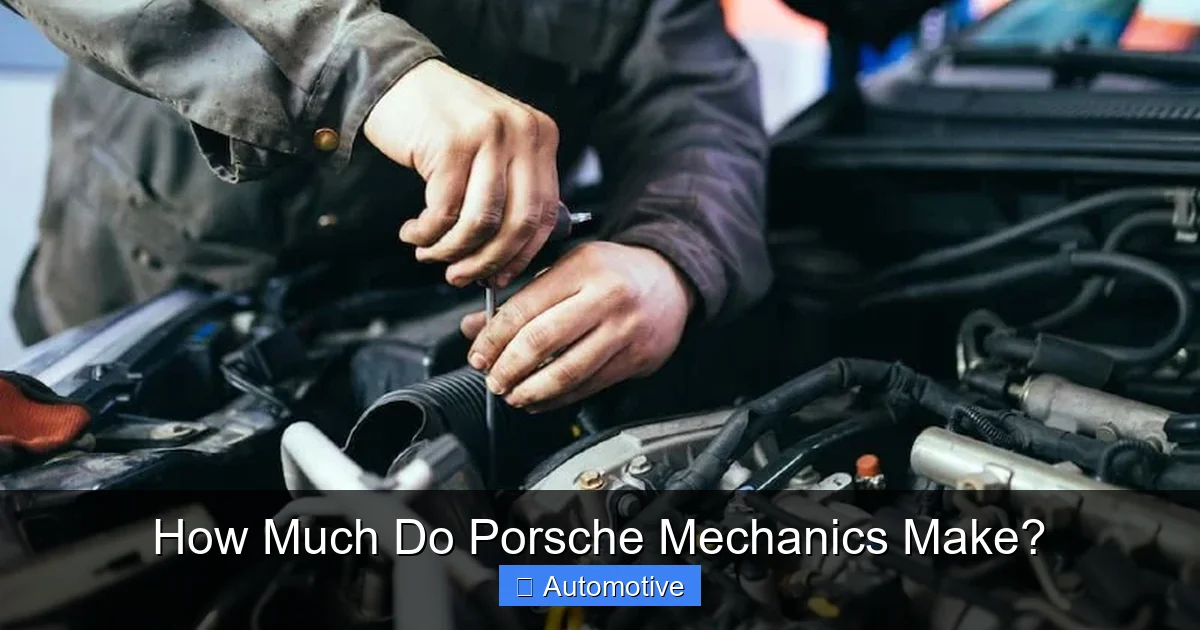
Visual guide about How Much Do Porsche Mechanics Make?
Image source: blog.scitraining.com
So, what’s the real number? According to recent data from sources like the U.S. Bureau of Labor Statistics (BLS), Glassdoor, Indeed, and specialized automotive salary surveys, the average annual salary for a Porsche mechanic in the United States ranges from **$50,000 to $90,000**. That’s significantly higher than the national average for automotive service technicians, which hovers around $45,000.
But let’s dig deeper. Entry-level Porsche mechanics—those with less than two years of experience—typically start around **$40,000 to $50,000** per year. These roles often involve basic maintenance tasks like oil changes, brake inspections, and tire rotations under the supervision of senior technicians. As mechanics gain experience and complete Porsche-specific training programs, their pay increases steadily.
Mid-level Porsche technicians with 3 to 7 years of experience can expect to earn between **$60,000 and $75,000** annually. At this stage, they’re handling more complex repairs, such as transmission work, suspension tuning, and electronic diagnostics. They may also begin specializing in certain models or systems, like the 911’s flat-six engine or the Panamera’s adaptive air suspension.
Top-tier Porsche mechanics—those with 8+ years of experience, advanced certifications, and a reputation for excellence—can earn **$85,000 to over $100,000** per year. Some senior technicians at high-volume dealerships in major cities report earnings exceeding $120,000 when factoring in overtime, bonuses, and commission-based incentives.
For example, a Porsche-certified master technician working at a dealership in Los Angeles might earn a base salary of $95,000, plus $15,000 in performance bonuses and $10,000 in overtime—bringing their total compensation to $120,000. In contrast, a similar technician in a smaller market like Omaha, Nebraska, might earn $75,000 total, highlighting the impact of location and market demand.
It’s also worth noting that many Porsche mechanics are paid hourly rather than on salary. Hourly rates typically range from **$25 to $50 per hour**, with master technicians commanding $55 or more in premium markets. Overtime is common, especially during busy seasons or when working on time-sensitive performance builds.
Factors That Influence a Porsche Mechanic’s Salary
Visual guide about How Much Do Porsche Mechanics Make?
Image source: low-offset.com
While the average salary gives us a good starting point, several key factors can significantly influence how much a Porsche mechanic actually takes home. Let’s explore the biggest variables that affect pay in this specialized field.
Experience and Skill Level
Like most skilled trades, experience is one of the strongest predictors of income. A mechanic who’s spent years diagnosing intermittent electrical faults in a 911 GT3 will naturally command higher pay than someone who’s only changed oil filters. Employers value reliability, speed, and accuracy—especially when working on six-figure vehicles where mistakes can be costly.
As mechanics progress from apprentice to journeyman to master technician, their responsibilities grow. They take on more complex jobs, mentor junior staff, and often become the go-to expert for疑难杂症 (difficult-to-diagnose issues). This progression is usually reflected in salary bumps, promotions, and access to higher-paying roles.
Certifications and Training
Porsche doesn’t just want mechanics—it wants *certified* Porsche technicians. The brand offers a structured training program through its Porsche Technical Training (PTT) curriculum, which includes online courses, hands-on workshops, and certification exams. Technicians can earn titles like “Porsche Certified Technician” or “Porsche Master Technician,” each requiring progressively more training and experience.
These certifications aren’t just badges of honor—they directly impact earning potential. A study by the National Institute for Automotive Service Excellence (ASE) found that certified technicians earn, on average, **10–15% more** than their non-certified peers. For Porsche mechanics, the premium can be even higher due to the brand’s reputation and the complexity of its vehicles.
Additionally, ASE certifications in areas like engine repair, electrical systems, and brakes are highly valued. Many dealerships require or strongly prefer ASE-certified applicants, and some even offer reimbursement for certification fees.
Geographic Location
Where you work plays a huge role in how much you earn. Mechanics in high-cost-of-living areas like San Francisco, New York City, or Miami typically earn 20–30% more than those in rural or lower-cost regions. This is due to higher demand, greater competition among dealerships, and the need to attract top talent.
For example, a Porsche mechanic in Austin, Texas, might earn $70,000, while a counterpart in Seattle could make $85,000 for similar work. Even within the same state, pay can vary—mechanics in downtown Chicago often earn more than those in suburban or rural Illinois.
That said, higher pay in expensive cities doesn’t always mean more take-home money. Cost of living adjustments are important. A $90,000 salary in San Diego might feel tighter than a $70,000 salary in Nashville when you factor in housing, taxes, and daily expenses.
Type of Employer
Not all Porsche mechanics work at dealerships—but those who do usually earn more. Authorized Porsche dealerships offer structured pay scales, benefits packages, and opportunities for advancement. They also invest heavily in training and provide access to factory-level tools and diagnostic equipment.
Independent repair shops that specialize in European or high-performance vehicles can also be lucrative, especially if they have a strong reputation and loyal customer base. However, pay may be less predictable, and benefits like health insurance or retirement plans may be limited.
Some top-tier independent shops, particularly those catering to Porsche enthusiasts and track-day drivers, pay very well—especially if they offer performance tuning, custom fabrication, or race prep services. Mechanics at these shops often earn commission on parts and labor, which can significantly boost income.
Specialization and Niche Skills
Porsche mechanics who develop expertise in specific areas tend to earn more. For instance, technicians skilled in hybrid and electric vehicle (EV) systems—like those used in the Porsche Taycan—are in high demand as the brand shifts toward electrification. Similarly, mechanics who specialize in performance tuning, suspension geometry, or motorsport support often command premium rates.
Diagnostic skills are also highly valued. Modern Porsches are packed with sensors, control modules, and software that require advanced scanning tools and technical knowledge. A mechanic who can quickly pinpoint a fault in the Porsche Communication Management (PCM) system or resolve a CAN bus error is worth their weight in gold.
Porsche Mechanic Salary by Experience Level

Visual guide about How Much Do Porsche Mechanics Make?
Image source: mechanicguides.com
Let’s break down how pay typically progresses as a Porsche mechanic gains experience. This progression isn’t just about time on the job—it’s about skill development, trust, and responsibility.
Entry-Level (0–2 Years)
New Porsche mechanics usually start in assistant or apprentice roles. They perform routine maintenance, assist senior technicians, and begin their formal training. At this stage, they’re learning the basics of Porsche systems, tools, and procedures.
– **Average Salary:** $40,000 – $50,000 per year
– **Hourly Rate:** $18 – $25
– **Typical Duties:** Oil changes, tire rotations, brake inspections, fluid top-offs, and basic diagnostics under supervision.
Many entry-level technicians are recent graduates of automotive trade schools or have completed apprenticeships. Some may also come from general automotive repair backgrounds and transition into Porsche-specific work.
Mid-Level (3–7 Years)
With a few years under their belt, mechanics take on more responsibility. They’re often certified by Porsche and ASE, and they handle complex repairs independently.
– **Average Salary:** $60,000 – $75,000 per year
– **Hourly Rate:** $28 – $38
– **Typical Duties:** Engine diagnostics, transmission service, suspension work, electrical repairs, and customer communication.
At this level, mechanics may begin specializing—perhaps focusing on 911 models, SUVs, or hybrid systems. They’re also more likely to receive performance bonuses based on efficiency and customer satisfaction.
Senior-Level (8+ Years)
Senior Porsche technicians are the backbone of any high-performing service department. They’re often master-certified, lead teams, and handle the most challenging repairs.
– **Average Salary:** $80,000 – $100,000+ per year
– **Hourly Rate:** $40 – $55+
– **Typical Duties:** Complex diagnostics, performance tuning, warranty repairs, training junior staff, and managing workflow.
Some senior mechanics transition into roles like service manager, technical instructor, or even open their own specialized shops. These paths can further increase earning potential.
Benefits and Perks Beyond Base Salary
While salary is important, the total compensation package for Porsche mechanics often includes valuable benefits that add significant value.
Health and Retirement Benefits
Most authorized Porsche dealerships offer comprehensive benefits, including:
– Medical, dental, and vision insurance
– 401(k) plans with employer matching
– Paid time off (PTO) and holidays
– Life and disability insurance
These benefits can be worth $10,000 to $20,000 annually, depending on the plan and employer.
Training and Education Support
Porsche invests heavily in its technicians. Many dealerships cover the cost of training courses, certification exams, and even tuition for advanced programs. This not only helps mechanics grow their skills but also increases their market value.
Some employers also offer tool allowances—annual stipends to purchase or upgrade professional tools. High-quality diagnostic equipment and specialty wrenches can cost thousands, so this perk is highly appreciated.
Bonuses and Incentives
Performance-based bonuses are common in dealerships. Mechanics may earn extra for:
– Completing jobs ahead of schedule
– Achieving high customer satisfaction scores
– Selling maintenance packages or upgrades
– Meeting or exceeding labor hour targets
These bonuses can add $5,000 to $15,000 per year, depending on the shop’s volume and the technician’s performance.
Employee Discounts and Vehicle Programs
One of the coolest perks? Many Porsche dealerships offer employee discounts on vehicle purchases, leases, and service. Some even have “demo car” programs, allowing technicians to drive new models for personal use. While not a direct cash benefit, these perks enhance job satisfaction and quality of life.
How to Increase Your Earnings as a Porsche Mechanic
If you’re already in the field or planning to enter it, here are practical steps to boost your income and advance your career.
Get Certified
Start with ASE certifications, then pursue Porsche-specific training through the Porsche Technical Training program. The more credentials you have, the more valuable you become.
Specialize in High-Demand Areas
Focus on emerging technologies like hybrid systems, EV diagnostics, or performance tuning. These skills are in short supply and highly compensated.
Work at a High-Volume Dealership
Dealerships in major cities with high Porsche sales offer more work, higher pay, and better benefits. Look for locations in affluent areas or near motorsport hubs.
Develop Strong Diagnostic Skills
The ability to quickly and accurately diagnose issues saves time and builds trust. Invest in advanced scan tools and stay updated on software updates.
Build a Reputation
Word-of-mouth matters. Satisfied customers and positive reviews can lead to more work, referrals, and even private clients.
Consider Opening Your Own Shop
Experienced mechanics with business acumen can launch independent shops specializing in Porsche service. While risky, this path offers unlimited earning potential.
Conclusion
So, how much do Porsche mechanics make? The answer is clear: **significantly more than the average automotive technician**, with top earners pulling in six figures. Salaries typically range from $50,000 to $90,000, with experienced, certified professionals in high-demand areas earning well over $100,000 when bonuses and overtime are included.
But it’s not just about the money. Being a Porsche mechanic means working on some of the world’s most admired vehicles, solving complex technical challenges, and being part of a passionate community of enthusiasts. With the right training, experience, and mindset, this career offers not only financial rewards but also personal fulfillment and long-term growth.
Whether you’re just starting out or looking to level up, investing in certifications, specializing in high-demand skills, and working at top-tier employers can dramatically increase your earning potential. The road to becoming a highly paid Porsche mechanic is challenging—but for those who love precision, performance, and problem-solving, it’s a journey worth taking.
Frequently Asked Questions
Do Porsche mechanics earn more than regular mechanics?
Yes, Porsche mechanics typically earn 20–40% more than general automotive technicians due to the specialized training, advanced systems, and high value of the vehicles they service.
Can I become a Porsche mechanic without a degree?
Absolutely. Most Porsche mechanics start with vocational training, apprenticeships, or on-the-job experience. Formal degrees aren’t required, but certifications and hands-on skills are essential.
Do Porsche mechanics get paid hourly or salary?
Most are paid hourly, ranging from $25 to $55 per hour. Some dealerships offer salary positions for senior roles, but hourly pay with overtime is more common.
Is it worth getting Porsche-specific certifications?
Yes. Porsche certifications significantly increase job opportunities, pay, and credibility. They’re often required for employment at authorized dealerships.
Can Porsche mechanics work on other car brands?
Yes, especially if they have ASE certifications. However, their expertise is most valuable on Porsche and other high-performance European vehicles like BMW or Audi.
What’s the job outlook for Porsche mechanics?
The demand for skilled automotive technicians, especially those trained in advanced systems and EVs, is strong and expected to grow as luxury and electric vehicles become more common.
