
How Much Can a Chrysler Pacifica Tow?

The Chrysler Pacifica offers a respectable towing capacity of up to 3,600 pounds when properly equipped, making it one of the most capable minivans on the market. While not designed for heavy-duty hauling, it’s ideal for small trailers, boats, or campers, especially with the available towing package.
Key Takeaways
- Maximum Towing Capacity: The Chrysler Pacifica can tow up to 3,600 pounds when equipped with the optional towing package and a V6 engine.
- Engine Matters: Only the 3.6L Pentastar V6 engine supports towing; the hybrid version is not rated for towing.
- Towing Package Required: To reach the max capacity, you must install the factory or dealer-installed towing package, which includes a transmission cooler, wiring harness, and hitch receiver.
- Ideal for Light-Duty Hauling: Perfect for small pop-up campers, jet skis, or utility trailers—just avoid overloading.
- Safety Features Help: Features like Trailer Sway Control and electronic stability help keep towing safe and stable.
- Fuel Efficiency Drops: Expect reduced gas mileage when towing, especially in stop-and-go traffic or on hills.
- Check Your Owner’s Manual: Always confirm your specific model’s towing limits and follow Chrysler’s guidelines for safe operation.
📑 Table of Contents
- How Much Can a Chrysler Pacifica Tow?
- Understanding the Chrysler Pacifica’s Towing Capacity
- Engine and Drivetrain: The Heart of Towing Power
- Safety Features That Make Towing Safer
- Tips for Safe and Effective Towing
- Comparing the Pacifica to Other Minivans
- Conclusion: Is the Pacifica Right for Your Towing Needs?
How Much Can a Chrysler Pacifica Tow?
If you’re considering a Chrysler Pacifica and wondering whether it can handle towing a small trailer, a jet ski, or even a lightweight camper, you’re not alone. Minivans aren’t typically the first vehicles that come to mind when people think of towing power. But the Pacifica is different. It’s one of the few minivans that actually offers a meaningful towing capacity—making it a surprisingly versatile family vehicle for weekend adventures.
So, how much can a Chrysler Pacifica tow? The short answer is: up to 3,600 pounds when properly equipped. That’s enough to pull a small camper, a couple of ATVs, or a lightweight boat. But there are important details to consider—like engine type, optional packages, and safety features—that can make or break your towing experience. In this guide, we’ll walk you through everything you need to know about the Pacifica’s towing capabilities, from what affects its performance to real-world tips for safe hauling.
Whether you’re a family planning summer road trips or a weekend warrior who loves outdoor gear, understanding your Pacifica’s towing limits will help you make the most of your vehicle without risking damage or safety issues.
Understanding the Chrysler Pacifica’s Towing Capacity
Visual guide about How Much Can a Chrysler Pacifica Tow?
Image source: towstats.com
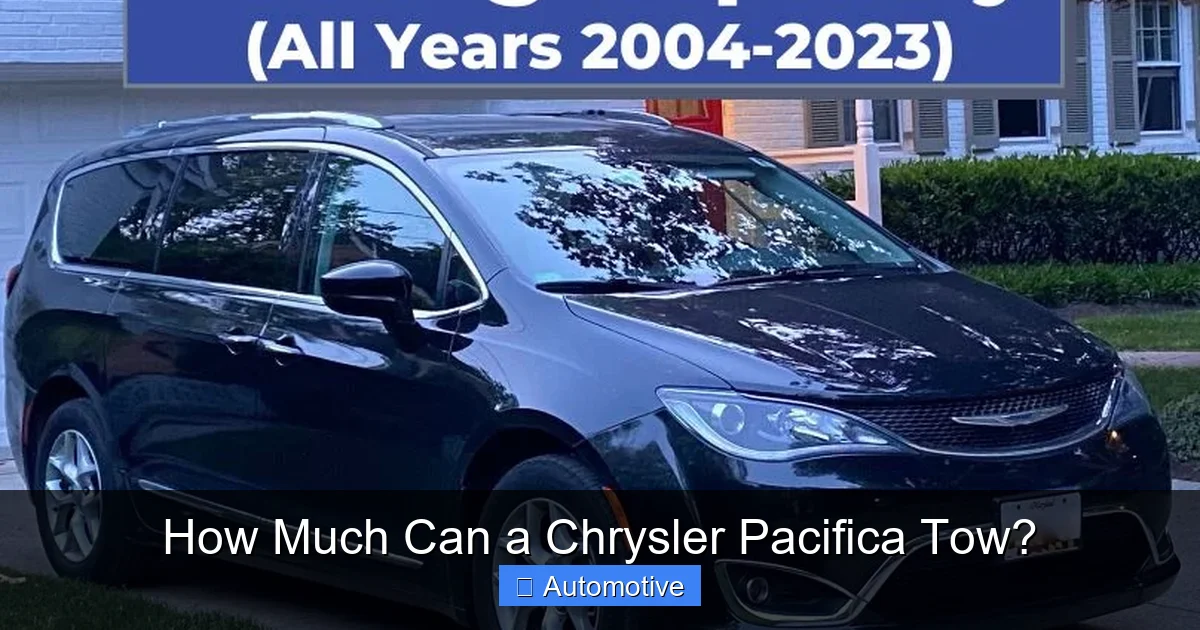
The towing capacity of any vehicle isn’t just a number—it’s a carefully calculated limit based on the engine, transmission, cooling system, frame strength, and braking power. For the Chrysler Pacifica, that number is 3,600 pounds, but only under the right conditions.
This maximum towing capacity applies specifically to the gas-powered Pacifica models equipped with the 3.6L Pentastar V6 engine and the optional towing package. Without that package, the towing capacity drops significantly—sometimes to zero, depending on the trim and configuration. That’s why it’s crucial to know exactly what your Pacifica is capable of before hitching up a trailer.
It’s also important to note that the Pacifica Hybrid, while excellent for fuel efficiency and city driving, is not rated for towing at all. Chrysler explicitly states that the hybrid version should not be used to tow any load. The hybrid system, regenerative braking, and battery placement make it unsuitable for towing, and attempting to do so could void your warranty or cause mechanical damage.
So, if towing is a priority, you’ll want to go with the traditional gas-powered Pacifica and make sure it’s equipped with the towing package. This package includes a Class III trailer hitch receiver, a 4-pin wiring harness, a transmission oil cooler, and upgraded cooling systems—all essential for safe and reliable towing.
Why the Towing Package Matters
You might be thinking, “Can’t I just add a hitch and call it a day?” Technically, yes—but that doesn’t mean your Pacifica is ready to tow safely. The factory-installed towing package isn’t just about the hitch. It’s a comprehensive upgrade designed to handle the extra stress that towing puts on your vehicle.
For example, when you tow, your engine and transmission work harder, especially on inclines or during long drives. Without a transmission cooler, the transmission fluid can overheat, leading to premature wear or even failure. The towing package includes a dedicated cooler that helps regulate temperature, protecting your Pacifica’s drivetrain.
The wiring harness is another key component. It allows your trailer’s brake lights, turn signals, and running lights to sync with your Pacifica’s lighting system. Without it, other drivers won’t know when you’re braking or turning, creating a serious safety hazard.
Finally, the Class III hitch receiver is rated for up to 3,600 pounds and is built to handle the forces involved in towing. Aftermarket hitches might not meet Chrysler’s safety standards, so it’s best to stick with the factory or dealer-installed option.
Real-World Towing Examples
So, what can you actually tow with a 3,600-pound capacity? Let’s look at some common items:
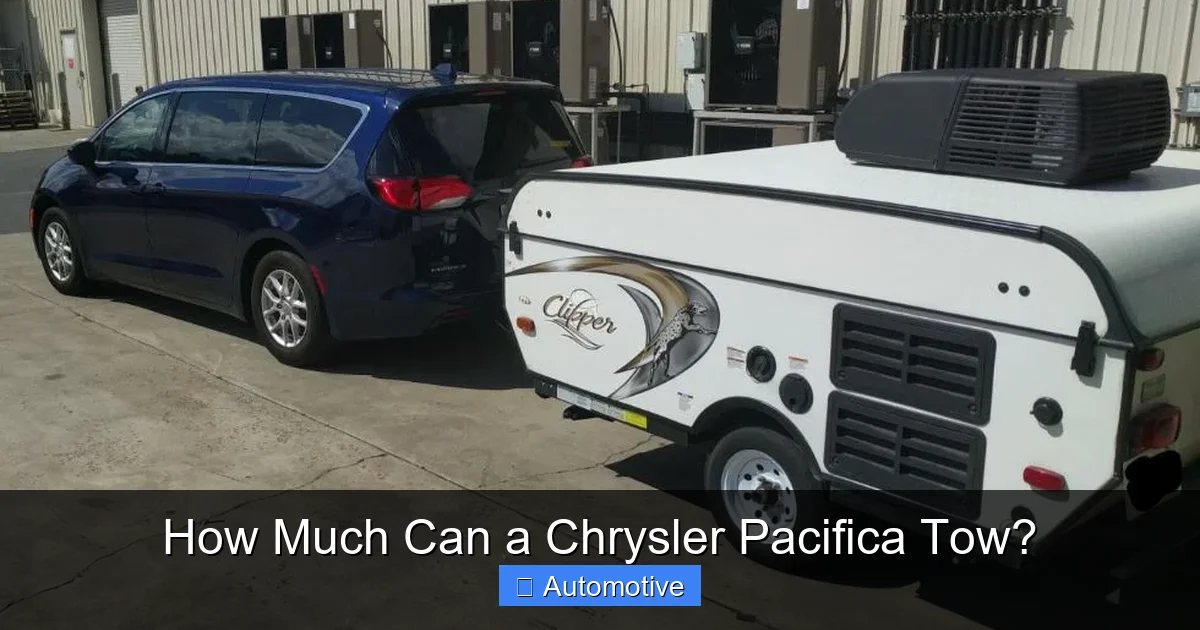
– A small pop-up camper (typically 1,500–3,000 lbs)
– A single ATV or dirt bike trailer (around 1,000–1,500 lbs with gear)
– A jet ski and trailer combo (roughly 1,200–2,000 lbs)
– A small utility trailer loaded with lawn equipment or furniture (up to 3,600 lbs)
Keep in mind that the total weight includes everything: the trailer, the cargo, fluids, and any accessories. Always weigh your loaded trailer at a certified scale to ensure you’re within limits.
For example, let’s say you want to tow a 2,800-pound pop-up camper. That’s well within the Pacifica’s range, but you’ll still need to account for passengers, luggage, and fuel. The Pacifica’s gross combined weight rating (GCWR) is around 8,500 pounds, so you’ll want to make sure your total vehicle and trailer weight doesn’t exceed that.
Engine and Drivetrain: The Heart of Towing Power
Visual guide about How Much Can a Chrysler Pacifica Tow?
Image source: towstats.com
The engine is the powerhouse behind your Pacifica’s towing ability. The 3.6L Pentastar V6 engine produces 287 horsepower and 262 lb-ft of torque—enough to move a fully loaded minivan and a trailer with confidence.
This engine has been used in various Chrysler, Dodge, and Jeep vehicles for over a decade, and it’s known for its reliability and smooth performance. In the Pacifica, it’s paired with a 9-speed automatic transmission that’s designed to handle the extra load when towing.
One of the transmission’s smart features is its ability to downshift automatically when going downhill, helping to control speed without overusing the brakes. This is especially helpful when towing, as brake fade can become a serious issue on long descents.
The Pacifica comes standard with front-wheel drive (FWD), which is sufficient for most towing needs. All-wheel drive (AWD) is available on higher trims, but it doesn’t increase towing capacity. In fact, AWD models may have slightly lower towing ratings due to added weight and drivetrain complexity.
Why the Hybrid Can’t Tow
The Pacifica Hybrid is a fantastic vehicle for families who want to reduce fuel consumption and emissions. It uses a combination of a 3.6L V6 engine and an electric motor to deliver impressive fuel economy—up to 30 mpg in city driving.
However, the hybrid system isn’t designed for towing. The battery pack is located under the second-row seats, which affects weight distribution and cooling. Additionally, the regenerative braking system isn’t optimized for the consistent loads that towing creates.
Chrysler explicitly states that the Pacifica Hybrid should not be used to tow any trailer or load. Attempting to do so could damage the hybrid components, void your warranty, or create unsafe driving conditions.
If you’re set on a hybrid minivan but still need towing capability, you might consider alternatives like the Toyota Sienna Hybrid, which offers a 3,500-pound towing capacity when equipped with AWD. But for now, the Pacifica Hybrid is strictly a no-tow zone.
Transmission and Cooling Systems
Towing puts extra strain on your vehicle’s transmission, especially in hot weather or on steep grades. That’s why the towing package includes a transmission oil cooler—a small radiator that helps keep transmission fluid at a safe temperature.
Without this cooler, the transmission can overheat, leading to slipping, delayed shifts, or even complete failure. Overheating is one of the most common causes of transmission damage in vehicles that tow without proper equipment.
The Pacifica’s cooling system also includes an engine oil cooler and enhanced radiator capacity when the towing package is installed. These upgrades help prevent engine overheating, which can occur when the engine is working harder to pull a load.
It’s also worth noting that the Pacifica’s 9-speed transmission is programmed to adjust shift patterns when towing. It holds lower gears longer to maintain power and prevent excessive shifting, which can wear out the transmission over time.
Safety Features That Make Towing Safer
Visual guide about How Much Can a Chrysler Pacifica Tow?
Image source: towstats.com
Towing isn’t just about power—it’s about control. The Chrysler Pacifica comes with several advanced safety features that help make towing safer and more manageable, even for inexperienced drivers.
One of the most important is Trailer Sway Control (TSC). This system uses the vehicle’s electronic stability control (ESC) to detect when the trailer is beginning to sway side to side—a common and dangerous problem, especially at higher speeds or in windy conditions.
When TSC detects sway, it automatically applies the brakes to individual wheels and reduces engine power to help bring the trailer back in line. It’s a subtle but powerful feature that can prevent a minor wobble from turning into a serious accident.
The Pacifica also includes electronic brakeforce distribution (EBD) and anti-lock brakes (ABS), which help maintain control during hard braking. When towing, stopping distances increase, so these systems are essential for safe operation.
Additionally, the available blind-spot monitoring system includes trailer coverage. This means the sensors can detect vehicles in your blind spot, even when a trailer is attached. It’s a small detail, but one that makes lane changes much safer when towing.
Braking and Stopping Distance
When you tow a trailer, your Pacifica’s braking system has to work harder. The added weight increases stopping distance, especially on wet or slippery roads.
To compensate, the Pacifica’s brake system is designed to handle the extra load. The towing package includes upgraded brake components and a more robust master cylinder, which helps maintain braking performance.
However, it’s still important to drive cautiously when towing. Leave extra space between you and the vehicle ahead, and avoid sudden stops. If your trailer has its own brakes (which is recommended for loads over 1,000 pounds), make sure they’re properly connected and functioning.
Many small trailers use electric brakes, which are activated by a brake controller inside the Pacifica. The towing package includes a pre-wired connector for a brake controller, but you’ll need to install the controller yourself or have it done by a professional.
Visibility and Mirrors
Towing a trailer reduces your rear visibility, making it harder to see what’s behind you. The Pacifica’s standard rearview camera helps, but it’s not enough when a trailer is blocking the view.
To improve visibility, consider adding extended side mirrors. These larger mirrors give you a better view of the trailer and the lanes beside you. Some aftermarket mirror extensions are designed specifically for minivans and can be easily attached.
You might also want to install a backup camera on the trailer itself. These wireless cameras mount on the back of the trailer and transmit a live feed to your Pacifica’s infotainment screen, giving you a clear view when reversing.
Tips for Safe and Effective Towing
Towing with a minivan like the Pacifica is entirely possible, but it requires preparation and caution. Here are some practical tips to help you tow safely and avoid common pitfalls.
First, always check your owner’s manual. Chrysler provides detailed towing guidelines, including weight limits, hitch specifications, and maintenance recommendations. Your manual is the best source of information for your specific model year and trim.
Second, weigh your trailer. Don’t guess—use a public scale (like at a truck stop or recycling center) to get an accurate reading. Include everything: the trailer, cargo, water, propane, and gear. It’s easy to underestimate weight, especially with campers that have lots of amenities.
Third, distribute weight properly. Heavier items should be placed low and centered over the trailer’s axles. Avoid loading too much weight at the front or back, as this can cause sway or affect steering.
Fourth, practice driving with a trailer. Find an empty parking lot and practice turning, backing up, and braking. Towing changes how your vehicle handles, so it’s important to get comfortable before hitting the road.
Fifth, inspect your setup before every trip. Check tire pressure, hitch connections, lights, and brakes. A loose hitch or a blown trailer light can lead to trouble down the road.
Finally, drive defensively. Allow extra time for acceleration and braking, and avoid high speeds. Wind, rain, and uneven roads can affect stability, so stay alert and adjust your driving as needed.
Maintenance When Towing
Towing puts extra wear on your Pacifica, so regular maintenance is crucial. Pay special attention to the transmission, brakes, and cooling system.
Check your transmission fluid more frequently when towing. If it’s dark or smells burnt, it may be time for a change. Overheating can degrade the fluid quickly, so don’t skip this step.
Also, inspect your brakes after long trips. Towing generates more heat, which can warp rotors or wear down pads faster than usual. If you notice squeaking, grinding, or reduced braking power, have them checked immediately.
Your tires are another critical component. Make sure both your Pacifica and trailer tires are properly inflated and in good condition. Underinflated tires can overheat and fail, especially when carrying a heavy load.
Comparing the Pacifica to Other Minivans
So how does the Pacifica stack up against other minivans when it comes to towing? Let’s take a quick look.
The Honda Odyssey has a towing capacity of 3,500 pounds when equipped with the towing package—slightly less than the Pacifica. It also uses a V6 engine and requires a dealer-installed hitch.
The Toyota Sienna offers 3,500 pounds of towing capacity, but only in AWD models. The FWD version cannot tow at all. The Sienna Hybrid, however, can tow up to 3,500 pounds with AWD, giving it an edge over the Pacifica Hybrid.
The Kia Carnival has a towing capacity of 3,500 pounds with the V6 engine and towing package. Like the Pacifica, it requires the package to reach maximum capacity.
Overall, the Pacifica is one of the top towing minivans on the market, especially when you factor in its available features and comfort. While it’s not designed for heavy-duty hauling, it’s more than capable for weekend adventures and light-duty tasks.
Conclusion: Is the Pacifica Right for Your Towing Needs?
The Chrysler Pacifica proves that minivans can be more than just family haulers—they can be adventure-ready, too. With a maximum towing capacity of 3,600 pounds, it’s one of the most capable minivans available, especially when equipped with the proper towing package and V6 engine.
While it won’t replace a full-size truck or SUV for heavy loads, it’s perfect for small trailers, campers, and recreational gear. Just remember: the hybrid version can’t tow at all, and skipping the towing package limits your options significantly.
With the right setup, safety features, and driving habits, the Pacifica can handle towing with confidence. Whether you’re heading to the lake for a weekend or moving some furniture, this minivan offers a rare blend of comfort, space, and capability.
So, if you’re looking for a family vehicle that can do it all—including towing—the Chrysler Pacifica is definitely worth considering. Just make sure you’re equipped, informed, and ready to tow safely.
Frequently Asked Questions
Can the Chrysler Pacifica Hybrid tow a trailer?
No, the Chrysler Pacifica Hybrid is not rated for towing. Chrysler explicitly states that the hybrid version should not be used to tow any load due to its battery placement and regenerative braking system.
What is the maximum towing capacity of a Chrysler Pacifica?
The maximum towing capacity is 3,600 pounds, but only when the vehicle is equipped with the 3.6L V6 engine and the optional towing package. Without the package, towing capacity is reduced or not recommended.
Do I need a special hitch to tow with my Pacifica?
Yes, you need a Class III trailer hitch receiver, which is included in the factory or dealer-installed towing package. Aftermarket hitches may not meet Chrysler’s safety standards.
Can I tow a camper with a Chrysler Pacifica?
Yes, you can tow a small pop-up camper or lightweight travel trailer, as long as the total weight is under 3,600 pounds and your Pacifica is properly equipped with the towing package.
Does towing reduce fuel economy in the Pacifica?
Yes, towing significantly reduces fuel economy. Expect lower mileage, especially in hilly terrain or stop-and-go traffic. The exact drop depends on the load and driving conditions.
What safety features help when towing with a Pacifica?
The Pacifica includes Trailer Sway Control, electronic stability control, and available blind-spot monitoring with trailer coverage. These features help maintain control and improve safety when towing.