
How Much Are Brakes for a Nissan Altima?

Replacing brakes on a Nissan Altima typically costs between $150 and $400 per axle, depending on parts, labor, and model year. Whether you choose OEM or aftermarket parts, and whether you DIY or hire a mechanic, knowing your options helps you save money and keep your Altima safe on the road.
Key Takeaways
- Cost Range: Brake replacement for a Nissan Altima usually runs from $150 to $400 per axle, including parts and labor.
- Parts Matter: OEM (Original Equipment Manufacturer) brakes are more expensive but offer reliability; aftermarket parts are cheaper and often just as good.
- DIY Savings: Doing the job yourself can save $100–$200 in labor, but only if you have the tools and experience.
- Front vs. Rear: Front brakes wear out faster and cost more to replace than rear brakes due to higher usage.
- Model Year Impact: Newer Altimas (2019–2024) may have advanced braking systems (like electronic parking brakes), increasing repair complexity and cost.
- Signs You Need New Brakes: Squealing, grinding, longer stopping distances, or a soft brake pedal mean it’s time for inspection or replacement.
- Regular Maintenance: Rotating tires and checking brake fluid every 5,000–7,000 miles helps extend brake life.
📑 Table of Contents
How Much Are Brakes for a Nissan Altima?
If you’re driving a Nissan Altima, you already know it’s a reliable, comfortable, and fuel-efficient sedan that’s perfect for daily commutes and long road trips. But like any vehicle, it needs regular maintenance—and one of the most critical (and often overlooked) parts of that upkeep is the braking system. Whether you’re hearing a high-pitched squeal when you press the pedal or noticing your car takes longer to stop, it might be time to replace your brakes. But how much are brakes for a Nissan Altima? That’s the million-dollar question—well, maybe not a million, but definitely worth knowing before you head to the shop.
The good news? Brake replacement on a Nissan Altima is generally affordable compared to many other sedans. The cost can vary depending on several factors, including the model year, whether you’re replacing front or rear brakes, the type of parts you choose, and whether you do it yourself or hire a professional. On average, you can expect to pay between $150 and $400 per axle. That’s a wide range, so let’s break it down so you can make an informed decision and avoid overpaying.
In this guide, we’ll walk you through everything you need to know about brake replacement for your Nissan Altima—from understanding the different components of your braking system to choosing between OEM and aftermarket parts, and even deciding whether to tackle the job yourself. By the end, you’ll have a clear picture of what to expect in terms of cost, time, and effort. Plus, we’ll share some practical tips to help you save money and keep your Altima stopping safely for years to come.
Understanding the Nissan Altima Braking System
Visual guide about How Much Are Brakes for a Nissan Altima?
Image source: goodyearbrakes.com
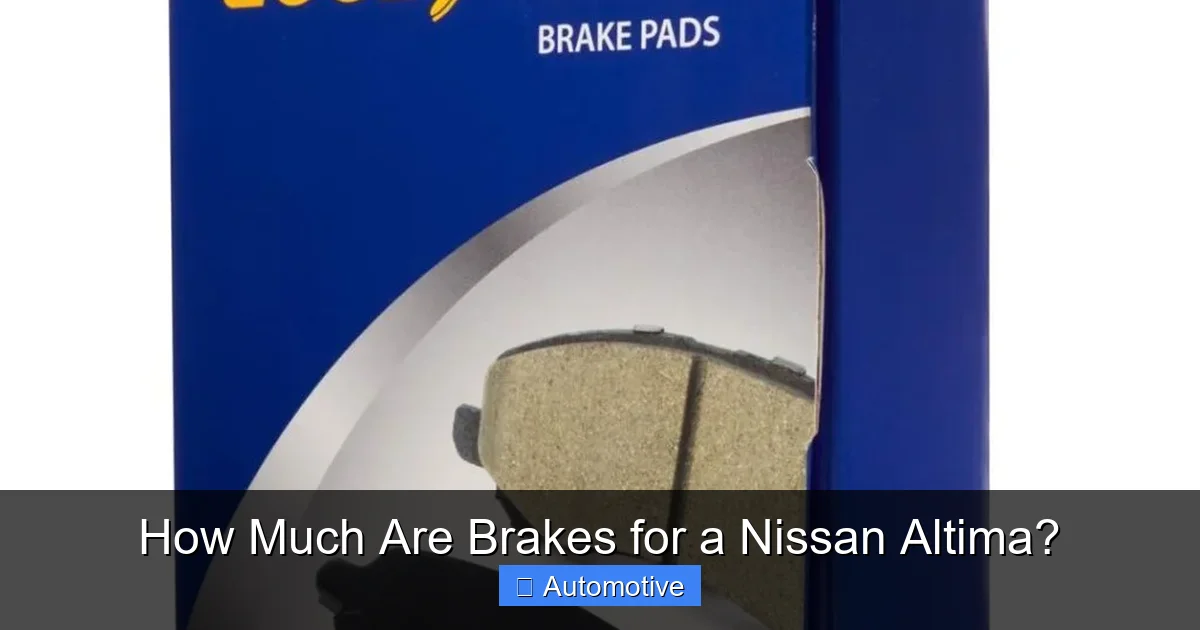
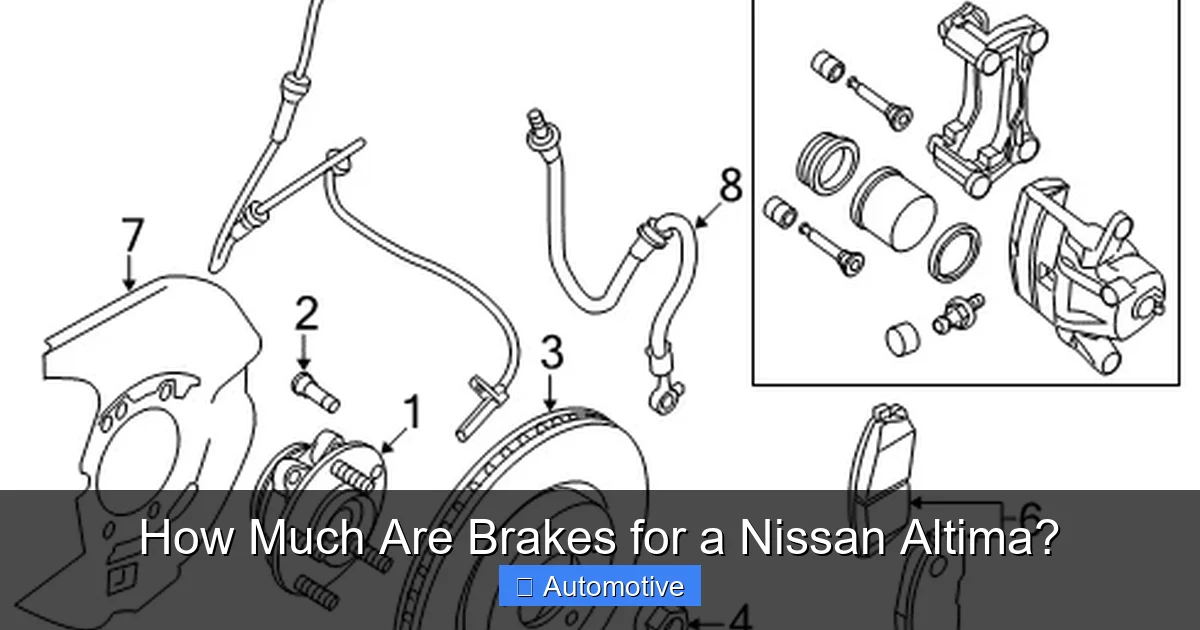
Before we dive into costs, it helps to understand how your Nissan Altima’s braking system works. After all, you can’t fix something if you don’t know how it functions. The braking system in your Altima is a complex network of parts that work together to slow or stop your car safely. At the heart of it are the brake pads, rotors (also called discs), calipers, brake fluid, and the master cylinder.
When you press the brake pedal, hydraulic pressure is sent through the brake lines, forcing the calipers to squeeze the brake pads against the rotors. This friction slows down the wheels and brings your car to a stop. Over time, the brake pads wear down, and the rotors can become warped or scored. When this happens, you’ll notice symptoms like squealing, grinding, or a vibrating steering wheel.
The Nissan Altima typically uses a front disc and rear disc brake setup, though some older models (pre-2013) may have drum brakes in the rear. Disc brakes are more common in modern vehicles because they offer better stopping power and are easier to maintain. The front brakes do most of the work—up to 70% of the stopping force—so they tend to wear out faster than the rear brakes. That’s why front brake replacement is usually more frequent and slightly more expensive.
Another thing to consider is the type of braking system your Altima has. Most models come with standard hydraulic brakes, but newer Altimas (2019 and later) may include advanced features like electronic parking brakes (EPB) or brake-by-wire systems. These technologies improve safety and performance but can complicate repairs and increase costs if something goes wrong.
Common Brake Components and Their Lifespan
Let’s take a closer look at the key components of your Altima’s braking system and how long they typically last:
– Brake Pads: These are the friction material that presses against the rotors. Most brake pads last between 30,000 and 70,000 miles, depending on driving habits. City driving with frequent stops wears them out faster than highway driving.
– Brake Rotors: Rotors can last anywhere from 50,000 to 80,000 miles. They can often be resurfaced (machined) instead of replaced if they’re not too worn or warped.
– Brake Calipers: These usually last the life of the vehicle unless they seize or leak. Replacing a caliper is more expensive and typically only needed if there’s a mechanical failure.
– Brake Fluid: This should be flushed and replaced every 30,000 to 50,000 miles. Old or contaminated fluid can reduce braking performance and damage other components.
Knowing the lifespan of these parts helps you plan for maintenance and avoid surprise repairs. For example, if you’re at 60,000 miles and haven’t replaced your front brake pads, it’s probably time to inspect them.
Signs Your Nissan Altima Needs New Brakes
You don’t have to wait until your brakes fail to take action. There are several warning signs that indicate it’s time for a brake inspection or replacement:
– Squealing or Screeching: Most brake pads have a built-in wear indicator—a small metal tab that makes noise when the pads are worn down. If you hear a high-pitched squeal when braking, it’s time to check the pads.
– Grinding Noise: This is a serious sign. It means the brake pads are completely worn out, and the metal caliper is grinding against the rotor. This can cause expensive damage and should be addressed immediately.
– Longer Stopping Distance: If your Altima takes longer to stop than usual, it could be due to worn pads, low brake fluid, or air in the brake lines.
– Vibrating Steering Wheel: A warped rotor can cause the steering wheel to shake or pulsate when you brake. This is often felt at higher speeds.
– Brake Warning Light: If the brake warning light on your dashboard comes on, don’t ignore it. It could indicate low brake fluid, a problem with the parking brake, or an issue with the ABS system.
– Soft or Spongy Brake Pedal: If the pedal feels soft or sinks to the floor, there may be air in the brake lines or a leak in the system.
If you notice any of these signs, it’s best to have your brakes inspected by a professional. Catching problems early can save you money and prevent dangerous situations on the road.
Factors That Affect Brake Replacement Cost
Visual guide about How Much Are Brakes for a Nissan Altima?
Image source: nissanpartsdeal.com
Now that you know how your braking system works and when to replace it, let’s talk about cost. The price of replacing brakes on a Nissan Altima isn’t fixed—it depends on several factors. Understanding these can help you budget and avoid overpaying.
1. Front vs. Rear Brake Replacement
As mentioned earlier, front brakes wear out faster than rear brakes because they handle most of the stopping power. Replacing front brakes typically costs more—usually between $200 and $400 per axle—while rear brake replacement ranges from $150 to $300. If you’re only replacing pads (and not rotors), the cost will be on the lower end. If rotors need to be resurfaced or replaced, expect to pay more.
For example, a 2018 Nissan Altima with worn front brake pads might cost around $250 for parts and labor if you go to a local mechanic. But if the rotors are also damaged and need replacement, the total could jump to $350 or more.
2. OEM vs. Aftermarket Parts
One of the biggest cost variables is the type of parts you choose. OEM (Original Equipment Manufacturer) parts are made by Nissan or its authorized suppliers. They’re designed specifically for your Altima and offer the best fit and performance. However, they’re also the most expensive—often 20% to 50% more than aftermarket options.
Aftermarket parts are made by third-party companies and come in a wide range of quality and price. Some brands, like Bosch, Akebono, or Wagner, offer high-quality pads and rotors that meet or exceed OEM standards. Others are cheaper but may wear out faster or produce more noise.
Here’s a quick comparison:
– OEM Brake Pads: $80–$150 per axle (just pads)
– Premium Aftermarket Pads: $50–$100 per axle
– Budget Aftermarket Pads: $30–$60 per axle
While OEM parts offer peace of mind, many drivers find that premium aftermarket parts perform just as well—and save them money. Just be sure to choose reputable brands and check reviews before buying.
3. Labor Costs and Shop Rates
Labor is a major part of the total cost. Most mechanics charge between $80 and $150 per hour for brake work. Replacing brake pads and rotors typically takes 1 to 2 hours per axle, so labor alone can add $100 to $300 to your bill.
Independent shops and local mechanics usually charge less than dealerships. For example, a dealership might charge $350 for front brake replacement, while a trusted local shop could do it for $250. Chain shops like Midas or Firestone often run promotions, so it’s worth checking for coupons or discounts.
4. Model Year and Brake System Complexity
Newer Nissan Altimas (especially 2019 and later) may have advanced braking features that affect cost. For instance, models with electronic parking brakes (EPB) require special tools and procedures to service. If the EPB system needs to be reset or calibrated, it can add $50 to $100 to the labor cost.
Similarly, Altimas with adaptive cruise control or automatic emergency braking may have sensors near the brakes. Damaging these during repair could lead to expensive replacements.
Older models (2013 and earlier) are generally simpler and cheaper to repair. However, finding parts for very old Altimas might be harder, potentially increasing cost.
5. DIY vs. Professional Installation
One of the best ways to save money is to do the brake replacement yourself—if you’re comfortable with basic car maintenance. A DIY brake job can cost as little as $100 for parts (pads and rotors), saving you $150 to $250 in labor.
But before you grab your wrench, ask yourself: Do I have the right tools? Am I confident in my ability? Brake work involves safety-critical components, so mistakes can be dangerous. If you’re not experienced, it’s better to leave it to a professional.
Average Cost Breakdown by Model Year
Visual guide about How Much Are Brakes for a Nissan Altima?
Image source: trucksauthority.com
To give you a clearer picture, here’s a breakdown of average brake replacement costs for different Nissan Altima model years. These estimates include parts and labor for front brake pad and rotor replacement at a local mechanic.
– 2007–2012 Nissan Altima: $180–$280 per axle
These older models use simpler braking systems and widely available parts. Labor is straightforward, and aftermarket options are plentiful.
– 2013–2018 Nissan Altima: $200–$320 per axle
These models introduced updated suspension and braking components. Front brakes still wear faster, and rotors may need resurfacing.
– 2019–2024 Nissan Altima: $250–$400 per axle
Newer Altimas may have electronic parking brakes, advanced sensors, and higher-performance rotors. Labor costs are higher due to complexity.
Keep in mind that these are averages. Prices can vary based on your location, the shop you choose, and the condition of your current brakes. Always get a written estimate before any work begins.
DIY Brake Replacement: Is It Worth It?
If you’re handy with tools and want to save money, replacing your own brakes can be a rewarding project. A DIY brake job on a Nissan Altima is considered moderately difficult—easier than an engine repair, but more involved than changing oil.
Tools and Parts You’ll Need
To replace front or rear brakes on your Altima, you’ll need:
– Jack and jack stands (or a hydraulic lift)
– Lug wrench
– Socket set (usually 14mm and 17mm sockets)
– C-clamp or brake caliper tool
– Brake cleaner
– New brake pads
– New rotors (if needed)
– Torque wrench
– Gloves and safety glasses
You can find brake kits online or at auto parts stores. A basic front brake kit (pads and rotors) for a 2016 Altima might cost $80–$120.
Step-by-Step Overview
1. Safety First: Park on a flat surface, engage the parking brake, and use wheel chocks.
2. Lift the Car: Use a jack to lift the vehicle and secure it with jack stands.
3. Remove the Wheel: Loosen the lug nuts and take off the wheel.
4. Remove the Caliper: Unbolt the caliper and hang it with a wire or bungee (don’t let it dangle by the brake line).
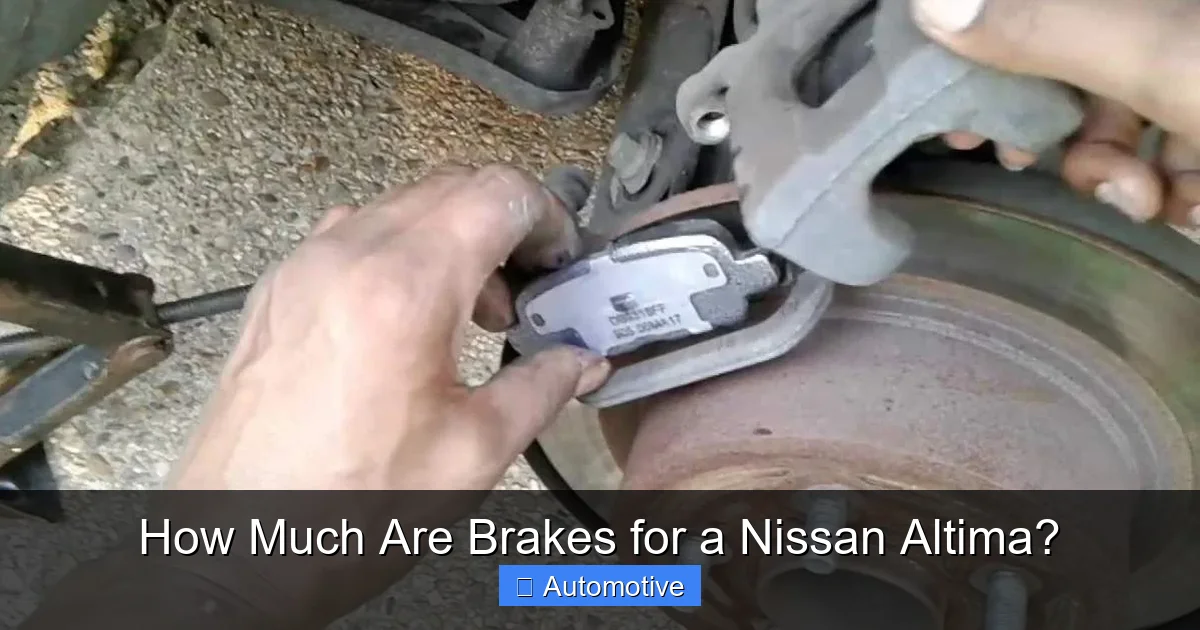
5. Replace Pads and Rotors: Slide out the old pads, remove the rotor, and install the new one. Then install the new pads.
6. Reassemble: Put the caliper back on, tighten bolts to spec, and reinstall the wheel.
7. Pump the Brake Pedal: Before driving, pump the brake pedal several times to seat the pads.
Pros and Cons of DIY
Pros:
– Save $100–$200 in labor
– Learn valuable car maintenance skills
– Full control over parts and quality
Cons:
– Risk of improper installation
– Requires tools and space
– Time-consuming for beginners
If you’re unsure, consider having a mechanic inspect your work or do the first brake job with guidance from a friend or online video.
Tips to Save Money on Brake Replacement
Brake replacement doesn’t have to break the bank. Here are some practical tips to keep costs down:
– Shop Around: Get quotes from at least three shops—dealership, independent mechanic, and chain store—and compare prices.
– Use Coupons: Many chain shops offer 10%–20% off brake services. Check their websites or apps.
– Choose Quality Aftermarket Parts: You don’t need OEM to get good performance. Look for brands with good reviews and warranties.
– Resurface Instead of Replace: If your rotors are only slightly worn, ask if they can be resurfaced (machined) instead of replaced. This can save $50–$100.
– Combine Services: If you’re due for an oil change or tire rotation, ask if the shop can do it while the wheels are off. Some offer discounts for multiple services.
– Maintain Your Brakes: Regular inspections, brake fluid flushes, and smooth driving habits can extend brake life and reduce long-term costs.
Conclusion
So, how much are brakes for a Nissan Altima? The answer depends on several factors, but you can expect to pay between $150 and $400 per axle for a complete brake replacement. Front brakes cost more than rear, OEM parts are pricier than aftermarket, and labor varies by shop and location. Newer models with advanced braking systems may cost more to service, but older Altimas are generally more affordable to maintain.
The key is to stay proactive. Listen for warning signs, inspect your brakes regularly, and don’t ignore the brake warning light. Whether you choose to DIY or hire a pro, making informed decisions about parts and labor can save you money and keep your Altima safe on the road.
Remember, brakes are not something to skimp on. Cutting corners can lead to unsafe driving conditions and more expensive repairs down the line. But with the right knowledge and a little planning, you can get quality brake service at a fair price.
Your Nissan Altima is a dependable car—treat it well, and it’ll keep taking you where you need to go, safely and smoothly, for many miles to come.
Frequently Asked Questions
How often should I replace brakes on a Nissan Altima?
Most Nissan Altima drivers need new brake pads every 30,000 to 70,000 miles, depending on driving habits. Rotors may last 50,000 to 80,000 miles. Regular inspections every 10,000 miles can help you catch wear early.
Can I replace just the brake pads and not the rotors?
Yes, if the rotors are in good condition—no deep grooves, warping, or cracks—you can replace just the pads. However, if the rotors are worn, resurfacing or replacing them ensures optimal braking performance.
Are OEM brake pads worth the extra cost?
OEM pads offer perfect fit and reliability but cost more. Many premium aftermarket brands perform just as well and cost less. Choose based on your budget and preference for quality.
How long does it take to replace brakes on a Nissan Altima?
A professional mechanic can replace front or rear brakes in 1 to 2 hours per axle. DIY jobs may take longer, especially for first-timers.
Can I drive with squealing brakes?
Squealing usually means the wear indicator is touching the rotor—pads are worn. You can drive short distances, but replace them soon to avoid rotor damage and unsafe braking.
Do I need to bleed the brakes after replacing pads?
Not usually. Bleeding is only needed if air got into the brake lines. If you didn’t open the lines, simply pump the brake pedal a few times to seat the pads.