How Many Miles Is a Full Tank of Gas on a 2015 Toyota Camry

Contents
- 1 Key Takeaways
- 2 📑 Table of Contents
- 3 Introduction: Setting the Stage for Your Camry’s Range
- 4 The Foundation: EPA Ratings and Theoretical Maximum Range
- 5 Real-World Variables: Why Your Actual Mileage Will Vary
- 6 The Gas Light: Your Reserve Range Warning System
- 7 Maximizing Your Miles per Tank: Actionable Tips
- 8 Comparing Trims and Model Years: Does It Matter?
- 9 Conclusion: Your Personal Range is the Only One That Matters
- 10 Frequently Asked Questions

Car Seat Cover (Universal Fit)

Tire Pressure Monitoring System (TPMS)

Side Window Sunshade

Car Cleaning Brush Set
A 2015 Toyota Camry with a 15.8-gallon tank and an EPA rating of up to 35 MPG highway can theoretically travel about 553 miles on a full tank. However, real-world range typically falls between 400 and 500 miles, depending heavily on driving conditions, vehicle maintenance, and fuel quality. Understanding your car’s actual range helps avoid stress and potential damage from running out of gas.
Key Takeaways
- Official EPA Estimates: The 2015 Camry’s EPA rating (up to 35 MPG highway) suggests a maximum range of ~553 miles, but this is a laboratory figure.
- Real-World Average: Most drivers realistically achieve 400-500 miles per tank, a more practical expectation for daily driving and mixed conditions.
- Gas Tank Size: All 2015 Camry models have a fuel tank capacity of 15.8 gallons, which is the fixed starting point for any range calculation.
- Gas Light Warning: The low fuel light typically illuminates with 1-2 gallons remaining, giving you roughly 30-70 miles of reserve range before empty.
- Driving Habits Are Key: Aggressive acceleration, high speeds, and city traffic can reduce your mileage by 20% or more compared to gentle, highway driving.
- Maintenance Matters: Proper tire inflation, clean air filters, and timely oil changes are critical for achieving the best possible fuel economy and range.
- Fuel Quality Impacts Range: Using Top Tier certified detergent gasoline can help maintain engine efficiency and protect long-term performance.
[FEATURED_IMAGE_PLACEHOLDER]
📑 Table of Contents
- Introduction: Setting the Stage for Your Camry’s Range
- The Foundation: EPA Ratings and Theoretical Maximum Range
- Real-World Variables: Why Your Actual Mileage Will Vary
- The Gas Light: Your Reserve Range Warning System
- Maximizing Your Miles per Tank: Actionable Tips
- Comparing Trims and Model Years: Does It Matter?
- Conclusion: Your Personal Range is the Only One That Matters
Introduction: Setting the Stage for Your Camry’s Range
You’re behind the wheel of your trusty 2015 Toyota Camry, the fuel gauge is pointing to “F,” and a natural question pops up: “How far can I actually go before I need to find a gas station?” It’s a simple question with a nuanced answer. Unlike the precise numbers on a laboratory test, the real-world mileage you get from a full tank is a living, breathing figure that changes with every trip. For the 2015 Camry—a midsize sedan celebrated for its reliability and efficiency—understanding this range is about more than just avoiding a tow truck. It’s about planning road trips, managing your weekly fuel budget, and becoming a more informed, confident driver. This article will dive deep into the factors that determine your Camry’s true range, separating the optimistic EPA sticker numbers from the practical miles you’ll see in your daily life.
We’ll explore the engineering behind the 15.8-gallon tank, break down the differences between city and highway driving, explain what that gas light really means, and give you actionable tips to eke out every last possible mile. Whether you have the base 2.5L 4-cylinder or the more powerful 3.5L V6, the principles are the same, but the numbers will differ. Let’s fill ‘er up and hit the road to discover exactly how many miles are in your full tank.
The Foundation: EPA Ratings and Theoretical Maximum Range
Every new car in America wears a window sticker from the Environmental Protection Agency (EPA) that lists its official fuel economy estimates. For the 2015 Toyota Camry, these numbers form the theoretical ceiling for your driving range. It’s crucial to understand what these figures represent and their limitations.

Visual guide about How Many Miles Is a Full Tank of Gas on a 2015 Toyota Camry
Image source: i.ytimg.com
Decoding the EPA Sticker for a 2015 Camry
The 2015 Camry was offered with two primary engine options, each paired with a 6-speed automatic transmission:
- 2.5L 4-Cylinder (LE, SE, XLE trims): EPA estimated at 25 MPG city / 35 MPG highway / 28 MPG combined.
- 3.5L V6 (XSE, Limited trims): EPA estimated at 21 MPG city / 31 MPG highway / 24 MPG combined.
These are averages from controlled laboratory testing. The combined figure is what most people think of as the “official” MPG. To calculate the theoretical maximum range, you multiply the combined MPG by the fuel tank capacity.
Doing the Math: The ” textbook ” Range
The fuel tank capacity for all 2015 Camry models is a consistent 15.8 gallons. This is a fixed variable. Using the EPA combined MPG numbers:
- 4-Cylinder Model: 28 MPG (combined) x 15.8 gallons = 442.4 miles.
- V6 Model: 24 MPG (combined) x 15.8 gallons = 379.2 miles.
If you drove exclusively on the highway at a steady speed (using the 35 MPG or 31 MPG highway estimate), the math becomes even more optimistic:
- 4-Cylinder Highway: 35 MPG x 15.8 gallons = 553 miles.
- V6 Highway: 31 MPG x 15.8 gallons = 489.8 miles.
Important Reality Check: These are best-case, laboratory scenarios. They assume perfect driving conditions, a brand-new engine, and ideal weather. They do not account for stop-and-go traffic, air conditioning use, roof racks, or the natural decline in efficiency as a car ages. They are a starting point, not a guarantee.
Real-World Variables: Why Your Actual Mileage Will Vary
This is the most critical section. Your actual miles per gallon—and therefore your total range—is a direct result of a complex interplay between your vehicle, your driving style, and your environment. Let’s break down the biggest factors that can add or subtract dozens of miles from your theoretical range.

Visual guide about How Many Miles Is a Full Tank of Gas on a 2015 Toyota Camry
Image source: cld.partsimg.com
Driving Style: The Pedal is a Lever
How you drive is the single largest variable you control. Aggressive driving is the number one fuel-waster.
- Speed: Aerodynamic drag increases exponentially with speed. Driving 75 mph on the highway can use 15-25% more fuel than driving 65 mph. The Camry is most efficient in a predictable, moderate speed range (55-65 mph).
- Acceleration and Braking: Jackrabbit starts from a stoplight and hard braking waste enormous energy. Smooth, gradual acceleration and anticipating stops (coasting) can dramatically improve city MPG. Think of the accelerator pedal as a money-spending lever—press it gently.
- Idling: Letting your car idle for long periods (e.g., waiting for someone) gets zero MPG. Modern engines use minimal fuel at idle, but it’s still pure waste. Turn the engine off if you’ll be stopped for more than 60 seconds.
Environment and Terrain
- City vs. Highway: The EPA’s city cycle simulates stop-and-go traffic with many accelerations from a dead stop. This is incredibly inefficient. A commute that is 80% city will yield far lower MPG (and range) than a pure highway trip. Your 28 MPG combined might become 23 MPG in heavy urban traffic.
- Climate Control: Using the air conditioner in summer can increase fuel consumption by 5-25%, depending on the outside temperature and how cold you set the cabin. In winter, heating the cabin (especially with electric seat heaters and a defroster) also draws significant power from the engine, reducing efficiency. Driving with windows down at high speeds creates drag, also hurting MPG.
- Altitude and Terrain: Driving in mountains or at high altitude reduces engine efficiency. Climbing grades consumes fuel rapidly, while descending can help a tiny bit with fuel-injection cut-off but never fully recovers the loss.
Vehicle Health and Maintenance
A well-maintained Camry will consistently perform closer to its EPA estimates. Neglect can destroy your range.
- Tire Pressure: This is huge. Under-inflated tires increase rolling resistance. A drop of just 5 PSI below the recommended pressure (found on your driver’s door jamb sticker) can reduce fuel economy by 2-3%. Check monthly.
- Motor Oil: Using the correct viscosity (e.g., 0W-20 for the 2.5L) as specified in your owner’s manual is essential. Thicker oil increases internal engine friction. Dirty oil also harms efficiency.
- Air Filter: A clogged engine air filter chokes the engine, forcing it to work harder and burn more fuel. A simple, inexpensive replacement every 15,000-30,000 miles makes a difference.
- Spark Plugs, Oxygen Sensors, etc.: Worn spark plugs or faulty oxygen sensors can cause incomplete combustion and poor fuel mixture, severely hurting MPG. Regular service is key.
Fuel Itself: Not All Gallons Are Created Equal
The gasoline you pump matters. Most Camrys are designed for regular 87-octane fuel. Using a higher octane (91) than required provides no benefit and is a waste of money. However, the quality of the 87 octane fuel is important.
- Ethanol Blend (E10): Almost all US gasoline contains up to 10% ethanol. Ethanol has about 34% less energy content than pure gasoline. This means E10 provides slightly fewer miles per gallon than “pure gas” (which is nearly impossible to find). The reduction is typically 2-4%.
- Top Tier Gasoline: Look for the “Top Tier” designation on the pump. This is a voluntary standard backed by automakers (including Toyota) for detergents that keep fuel injectors and intake valves clean. Cleaner combustion leads to better, more consistent efficiency over time. For more details on fuel types and their impact, you can read about how many gallons a Toyota Camry holds and the fuel it requires.
The Gas Light: Your Reserve Range Warning System
That little amber fuel pump icon that illuminates on your dashboard is not a suggestion—it’s a warning. But how much warning does it actually give you? This is a common point of anxiety for drivers.

Visual guide about How Many Miles Is a Full Tank of Gas on a 2015 Toyota Camry
Image source: i.ytimg.com
How It Works: The “Reserve Fuel” Concept
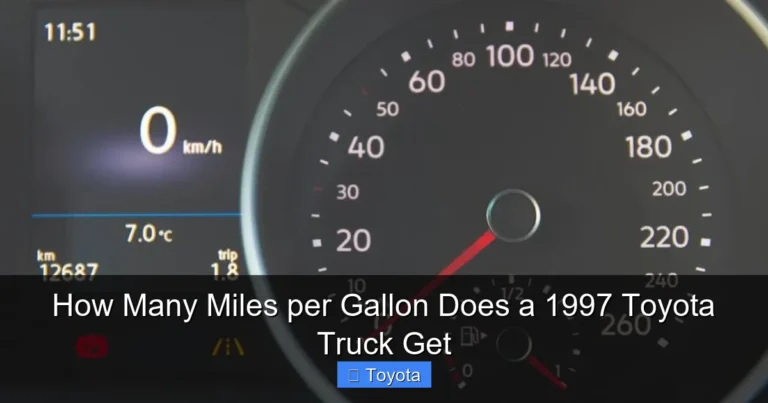
When your 2015 Camry’s gas light comes on, the vehicle’s computer is signaling that the fuel level has dropped below a predetermined threshold. This threshold is not “empty.” It’s a safety buffer, or “reserve fuel,” designed to give you enough time to find a gas station without stranding you. The size of this buffer is an estimate by Toyota’s engineers.
Estimated Miles After the Light Comes On
Based on owner reports, mechanic experience, and teardown analysis, the 2015 Camry likely retains between 1.0 and 2.0 gallons of fuel when the low fuel warning first activates. Using your real-world MPG at that moment (which is often lower due to the conditions that led to the low fuel), you can estimate your remaining range.
- For a 4-Cylinder getting 28 MPG: 1.5 gallons x 28 MPG = ~42 miles.
- For a 4-Cylinder getting 25 MPG (city-heavy): 1.5 gallons x 25 MPG = ~37.5 miles.
- For a V6 getting 24 MPG: 1.5 gallons x 24 MPG = ~36 miles.
Therefore, a safe, conservative estimate is that you have between 30 and 70 miles of driving range after the light comes on. This is not an invitation to test your luck. Driving on a constantly low fuel level can also cause the fuel pump (which is cooled by gasoline) to overheat and fail prematurely. For specific data on Camry models, including how the gas light behaves, you can explore resources that detail how many miles you can drive when the gas light comes on in a Toyota Camry.
Factors That Affect Reserve Range
- Driving Conditions: If you’re on the highway when the light comes on, your MPG is higher, so your 1.5 gallons will take you farther than if you’re in stop-and-go city traffic.
- Vehicle Load: A fully loaded car with passengers and cargo uses more fuel, shortening the reserve distance.
- Fuel Slosh: On uneven roads or during cornering, the fuel in the tank moves around. The sensor might trigger the light at slightly different levels depending on your recent driving path.
Rule of Thumb: When the light comes on, plan to refuel within the next 30-40 miles to be safe. Don’t push it to the absolute limit.
Maximizing Your Miles per Tank: Actionable Tips
Now that we understand the factors, let’s focus on what you can do to consistently hit the higher end of your Camry’s real-world range. These are habits and maintenance practices that pay for themselves in fuel savings.
Driving Techniques for Efficiency
- Use Cruise Control on Flat Highways: Maintaining a constant speed is far more efficient than constant minor accelerator adjustments.
- Plan Your Trips and Combine Errands: A series of short trips with a cold engine uses more fuel per mile than a longer, consolidated trip where the engine is fully warmed up.
- Reduce Weight: Clean out your trunk and back seat. Every 100 pounds of extra cargo reduces MPG by about 1-2%.
- Remove Roof Racks When Not in Use: Even an empty roof rack creates significant aerodynamic drag, especially at highway speeds, hurting fuel economy.
- Drive Gently: Anticipate traffic lights. Slow down gradually instead of braking at the last second. Accelerate smoothly to your cruising speed.
Maintenance Checklist for Peak MPG
- Maintain Tire Pressure: Check pressures at least once a month and before long trips. Inflate to the PSI on your door jamb sticker, not the max on the tire sidewall.
- Stick to the Service Schedule: Use the correct oil, replace filters on time, and ensure the engine is in good tune. A misfiring spark plug can destroy your MPG.
- Consider a Fuel System Cleaning: If your Camry has over 60,000 miles and you’ve used lower-quality fuel, a professional fuel injection cleaning can restore some lost efficiency by removing deposits.
Smart Fueling and Trip Planning
- Don’t “Top Off”: Modern pumps have a vapor recovery system. Clicking the nozzle multiple times to add a fraction of a gallon after the initial shut-off often just recirculates fuel vapor and doesn’t add much liquid fuel. It’s also a fire hazard.
- Use Fuel Apps: Apps like GasBuddy help you find the cheapest stations along your route, saving money that can offset the cost of an extra fill-up.
- Know Your True Average: Reset your trip meter at each fill-up. After 3-4 fill-ups, divide total miles driven by total gallons purchased. This gives you your real-world combined MPG, which is the best number to use for future range planning.
Comparing Trims and Model Years: Does It Matter?
You might wonder if the specific 2015 Camry trim (LE vs. XLE) or the engine choice makes a noticeable difference in range. The answer is yes, but the tank size is constant.
- Engine Choice (4-Cylinder vs. V6): This is the biggest differentiator. The V6 provides more power and torque but uses more fuel per mile. You will get fewer miles per tank and need to refuel more often. The trade-off is performance. For maximum range, the 2.5L 4-cylinder is the clear winner.
- Trim Level (LE, SE, XLE): Differences in wheel size (17″ vs. 18″), weight from added features (sunroof, premium audio), and factory-installed accessories can cause minor variations in MPG—usually 1 MPG or less. It’s negligible compared to driving style.
- 2015 vs. Other Years: The 2015 model year was part of the generation that ran from 2012-2017. The engine specifications and tank size were consistent throughout. A 2016 or 2017 Camry will have virtually identical range characteristics. Newer generations (2018+) have slightly different engines and aerodynamics, so their EPA ratings and real-world ranges vary. If you’re comparing to a different model entirely, like a Nissan Rogue which is an SUV, expect a smaller range due to a less efficient design and often a similar or smaller tank.
Conclusion: Your Personal Range is the Only One That Matters
So, how many miles is a full tank of gas on a 2015 Toyota Camry? The definitive, honest answer is: it depends on you. The EPA provides a useful benchmark—442 miles for the 4-cylinder and 379 for the V6 using combined estimates—but these are just starting points. Your personal range is a reflection of your daily commute, your driving habits, your car’s health, and the weather. For the vast majority of 4-cylinder owners driving a mix of city and highway, a realistic expectation is 400 to 500 miles between fill-ups. V6 owners should plan on 350 to 425 miles.
Embrace the tools you have: your trip meter, your knowledge of the 15.8-gallon tank, and your awareness of the 30-70 mile gas light reserve. By adopting efficient driving habits and staying on top of maintenance, you can consistently land at the top of your personal range window. The 2015 Camry is a fantastic tool for this—it’s reliable, efficient, and built to go the distance. Now you have the knowledge to make every single one of those miles count. Safe travels!
Frequently Asked Questions
What is the actual fuel tank capacity of a 2015 Toyota Camry?
The 2015 Toyota Camry has a fuel tank capacity of 15.8 gallons (59.9 liters) for all engine and trim combinations. This is a fixed specification you can rely on for all range calculations.
How far can I really drive after my Toyota Camry’s gas light comes on?
You can typically expect to drive between 30 and 70 miles after the low fuel light illuminates. This is based on an estimated 1-2 gallons of reserve fuel remaining. However, you should treat this as an urgent warning and find a gas station as soon as possible to avoid damaging the fuel pump or risking a breakdown.
Does using premium gas improve the range or performance of a 2015 Camry?
No. The 2015 Camry’s 2.5L 4-cylinder and 3.5L V6 engines are designed to run optimally on regular unleaded 87-octane gasoline. Using a higher octane premium fuel provides no benefit in power, fuel economy, or range and is simply an unnecessary expense. Always follow the octane rating specified in your owner’s manual.
Why am I getting worse mileage than the EPA estimates?
EPA tests are conducted under ideal, controlled conditions. Real-world factors like heavy city traffic, aggressive driving, high speeds, excessive idling, under-inflated tires, a dirty air filter, and regular use of air conditioning can all significantly reduce your miles per gallon. Tracking your own fill-ups is the best way to know your true average.
How does the 2015 Camry’s range compare to a 2015 Toyota Corolla?
The smaller, lighter 2015 Toyota Corolla (with a 13.2-gallon tank and EPA ratings up to 35 MPG) generally achieves a similar or slightly lower total range (roughly 350-460 miles) than the Camry. The Camry’s larger 15.8-gallon tank gives it a potential advantage in total miles between stops, especially on highway trips, despite being a larger vehicle.
What is the single most important thing I can do to improve my Camry’s fuel range?
Modify your driving style. Smooth, gentle acceleration and braking, using cruise control on highways, and obeying speed limits can improve your fuel economy by 15-25% instantly, which translates directly to more miles per tank. This costs nothing and is the most effective “tune-up” you can perform.