
How Many Gallons in a 30 Lb Propane Tank

A 30 lb propane tank holds approximately 7 gallons of propane when filled to the standard 80% capacity. This size is ideal for grilling, camping, and powering small appliances, offering a balance of portability and fuel supply.
Key Takeaways
- A 30 lb propane tank holds about 7 gallons of propane. This is based on the standard 80% fill rule for safety and expansion.
- Propane weighs 4.24 pounds per gallon. This conversion factor is key to understanding tank capacity and fuel weight.
- These tanks are commonly used for grills, RVs, and portable heaters. Their size makes them versatile for both home and outdoor use.
- Always check the tank’s tare weight (TW) before filling. This ensures you don’t overfill and maintains safety standards.
- Refill stations are widely available at gas stations, hardware stores, and propane suppliers. Knowing where to refill saves time and money.
- Proper storage and handling prevent leaks and accidents. Keep tanks upright, ventilated, and away from heat sources.
- Monitor usage to avoid running out mid-cook or mid-trip. A simple gauge or dipstick can help track remaining fuel.
📑 Table of Contents
Understanding Propane Tank Sizes and Capacities
If you’ve ever stood in front of a propane tank, wondering how much fuel it actually holds, you’re not alone. Propane tanks come in various sizes, and understanding their capacity—especially when it comes to a 30 lb tank—can make a big difference in planning your next barbecue, camping trip, or home heating session. One of the most common questions people ask is: “How many gallons in a 30 lb propane tank?” The answer isn’t just a number—it’s tied to physics, safety standards, and real-world usage.
Propane is a versatile fuel used in grills, RVs, space heaters, and even whole-house heating systems. But unlike gasoline or diesel, propane is stored as a liquid under pressure, which means its volume and weight don’t behave the same way as other fuels. This is why knowing the relationship between pounds and gallons is so important. A 30 lb propane tank doesn’t hold 30 gallons—far from it. Instead, it holds about 7 gallons of liquid propane when filled to the standard safe level.
Why the difference? Because propane expands when heated. To prevent dangerous pressure buildup, safety regulations require that tanks be filled to only 80% of their total volume. This leaves room for the liquid to expand without risking a rupture. So, while a 30 lb tank has a physical capacity of around 8.7 gallons, it’s only filled with about 7 gallons of propane. That 7 gallons weighs approximately 30 pounds, thanks to propane’s density of about 4.24 pounds per gallon.
Why the 80% Fill Rule Matters
The 80% fill rule isn’t just a suggestion—it’s a critical safety standard enforced by the National Fire Protection Association (NFPA) and other regulatory bodies. Propane, like all liquids, expands when heated. If a tank were filled to 100%, even a small rise in temperature could cause the liquid to expand beyond the tank’s capacity, leading to dangerous pressure levels.
Imagine leaving a full propane tank in the sun on a hot summer day. Without that 20% empty space, the expanding liquid could trigger the pressure relief valve or, in extreme cases, cause the tank to fail. The 80% rule ensures there’s always enough “headspace” for expansion, keeping you and your property safe.
This rule applies to all propane tanks, from small 5 lb cylinders to large 100 lb tanks. So whether you’re using a tiny tank for a portable stove or a 30 lb tank for your backyard grill, the same safety principle applies.
How Propane Weight and Volume Are Related
To truly understand how many gallons are in a 30 lb propane tank, you need to know the basic conversion: **1 gallon of propane weighs approximately 4.24 pounds** at 60°F (15.6°C). This number can vary slightly with temperature, but 4.24 lbs/gallon is the standard used by industry professionals.
Using this conversion, we can calculate the liquid volume in a 30 lb tank:
30 lbs ÷ 4.24 lbs/gallon ≈ 7.08 gallons
So, a 30 lb propane tank holds about 7 gallons of propane when filled to the recommended 80% capacity. This is the amount you’re actually paying for when you refill or exchange your tank.
It’s important to note that the “30 lb” label on the tank refers to the weight of the propane it can hold—not the total weight of the tank itself. The tank’s empty weight, known as the tare weight (TW), is stamped on the collar or handle. For a typical 30 lb tank, the tare weight is around 17 to 18 pounds. So when fully filled, the total weight is roughly 47 to 48 pounds (30 lbs of propane + 17–18 lbs of tank).
Common Uses for a 30 lb Propane Tank
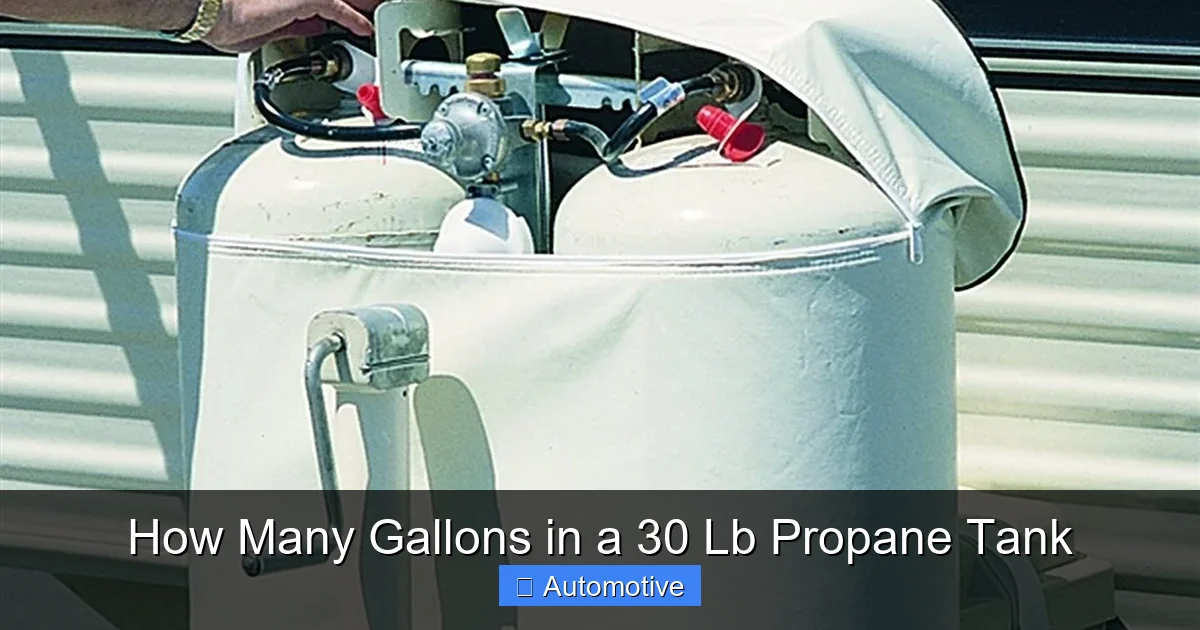
Visual guide about How Many Gallons in a 30 Lb Propane Tank
Image source: propaneva.com
A 30 lb propane tank strikes a great balance between portability and fuel capacity. It’s large enough to power appliances for hours, but small enough to move around with relative ease. This makes it a favorite among homeowners, campers, and outdoor enthusiasts.
Backyard Grilling and Outdoor Cooking
One of the most popular uses for a 30 lb propane tank is powering a gas grill. Whether you’re hosting a summer cookout or just grilling burgers for the family, a 30 lb tank provides plenty of fuel for multiple cooking sessions. Most gas grills use between 10,000 and 20,000 BTUs per hour, depending on the model and heat setting.
Let’s say your grill uses 15,000 BTUs per hour and you cook for 2 hours a week. A 30 lb tank holds about 666,000 BTUs (7 gallons × 91,500 BTUs per gallon). That means you could grill for over 44 hours before running out—enough for more than 20 weeks of weekly cookouts. Of course, actual usage depends on how often and how hot you cook, but a 30 lb tank offers excellent longevity for the average griller.
Recreational Vehicles (RVs) and Camping
RVers love 30 lb propane tanks because they can power multiple appliances on the road. In an RV, propane might run the furnace, water heater, refrigerator, stove, and even the air conditioner (in some models). A 30 lb tank gives you enough fuel to stay comfortable for several days, especially if you’re boondocking (camping without hookups).
For example, an RV furnace might use 20,000 to 40,000 BTUs per hour when running. If it cycles on and off throughout the night, a 30 lb tank could easily last 3 to 5 nights in mild weather. Add in cooking and hot water, and you’re still looking at a solid week of off-grid living.
Many RVs are equipped with dual-tank setups, allowing you to switch between tanks when one runs low. This means you can refill one while the other is in use, ensuring you never run out unexpectedly.
Portable Heaters and Emergency Power
During power outages or in remote cabins, a 30 lb propane tank can be a lifesaver. It can fuel portable heaters, generators, or even small space heaters to keep you warm. Propane heaters are efficient and produce clean heat, making them ideal for emergency situations.
For instance, a typical propane space heater uses about 10,000 to 15,000 BTUs per hour. With a 30 lb tank’s 666,000 BTUs, you could run such a heater for over 40 hours straight. That’s nearly two full days of continuous heat—plenty to get through a winter storm or power outage.
Home Appliances and Backup Systems
Some homeowners use 30 lb tanks to power backup generators or outdoor kitchen setups. While larger tanks (like 100 lb or bulk tanks) are better for whole-house systems, a 30 lb tank can be a practical solution for smaller needs. You might use it to run a backup generator during an outage or to power a outdoor pizza oven for a party.
It’s also common to see 30 lb tanks used with tankless water heaters for outdoor showers or remote cabins. These systems heat water on demand, and a 30 lb tank can provide hot water for several showers or laundry loads.
How to Check and Refill a 30 lb Propane Tank
Visual guide about How Many Gallons in a 30 Lb Propane Tank
Image source: gocarlife.com
Knowing how many gallons are in a 30 lb propane tank is one thing—keeping it filled is another. Fortunately, refilling is straightforward, but it does require some attention to safety and proper procedure.
Checking the Tare Weight (TW)
Before you refill, always check the tare weight (TW) stamped on the tank’s collar. This is the weight of the empty tank. For a 30 lb tank, the TW is usually around 17 to 18 pounds. When you weigh the full tank, subtract the TW to find out how much propane is inside.
For example, if your tank weighs 45 pounds and the TW is 17.5 pounds, then the propane weighs 27.5 pounds. Divide that by 4.24 to get the approximate gallons: 27.5 ÷ 4.24 ≈ 6.5 gallons. This tells you the tank is nearly full and may not need a refill yet.
Using a Propane Gauge or Dipstick
Many modern propane tanks come with built-in gauges that show the fuel level. These are usually located near the valve and display a percentage (e.g., 80% full). If your tank doesn’t have a gauge, you can use a propane dipstick—a special tool that measures the liquid level when inserted into the tank.
Another simple method is the “water trick”: pour a cup of hot water down the side of the tank and feel for a cool spot. The propane cools the tank, so the area where the liquid ends will feel cooler than the empty space above. This isn’t precise, but it gives you a rough idea.
Where to Refill Your Tank
Refill stations are widely available. You can find them at:
– Gas stations with propane pumps
– Hardware stores (like Home Depot or Lowe’s)
– Propane suppliers and dealers
– Campgrounds and RV parks
Refilling is usually cheaper than exchanging a tank. Exchange programs (like Blue Rhino) charge a premium for convenience, but refilling lets you top off only what you need. A typical refill of a 30 lb tank costs between $15 and $25, depending on location and propane prices.
Safety Tips for Refilling
Always refill in a well-ventilated area, away from open flames or sparks. Never smoke near a propane tank. Make sure the tank is upright and secure during filling. Overfilling is dangerous—never fill beyond 80% capacity.
After refilling, check for leaks by applying soapy water to the valve and connections. If bubbles form, there’s a leak. Tighten connections or replace faulty parts before use.
Storing and Handling a 30 lb Propane Tank Safely
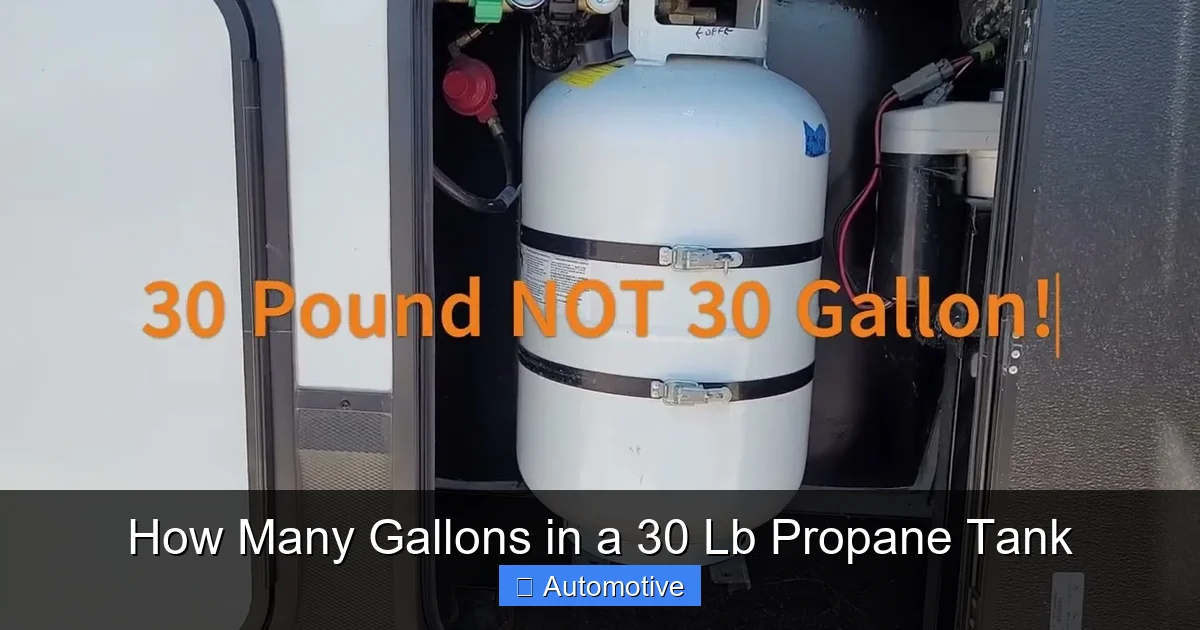
Visual guide about How Many Gallons in a 30 Lb Propane Tank
Image source: i.ytimg.com
Safety should always be your top priority when dealing with propane. A 30 lb tank contains highly flammable gas under pressure, so proper storage and handling are essential.
Indoor vs. Outdoor Storage
Never store a propane tank indoors, including in garages, basements, or sheds. Propane is heavier than air, so leaks can pool in low areas and create explosion risks. Always store tanks outside in a shaded, well-ventilated area.
If you’re using the tank with a grill or heater, keep it upright and on a stable surface. Secure it with a chain or strap if necessary, especially in windy areas or on uneven ground.
Protecting Tanks from Heat and Sun
Avoid placing propane tanks in direct sunlight or near heat sources like engines, generators, or fire pits. High temperatures increase pressure inside the tank, which can trigger the relief valve or cause damage.
If you’re transporting a tank in a vehicle, secure it upright in the trunk or bed, and open windows for ventilation. Never leave a tank in a hot car—temperatures can soar quickly, creating dangerous conditions.
Transporting Tanks Safely
When moving a 30 lb tank, use a hand truck or dolly to avoid strain. Never drag, roll, or drop the tank. Keep the valve closed and the protective cap on during transport.
If you’re traveling with a tank in your vehicle, make sure it’s secured and not blocking access to emergency equipment. Some states have specific regulations for transporting propane, so check local laws if you’re crossing state lines.
Calculating How Long a 30 lb Tank Will Last
One of the most practical questions people have is: “How long will my 30 lb propane tank last?” The answer depends on what you’re using it for and how much fuel your appliances consume.
BTU Consumption Basics
Propane is measured in British Thermal Units (BTUs), which indicate how much energy it produces. One gallon of propane contains about 91,500 BTUs. So a 30 lb tank (7 gallons) holds roughly 640,500 BTUs.
To estimate how long your tank will last, you need to know the BTU rating of your appliance. This is usually listed in the owner’s manual or on a label near the burner.
Example: Grilling with a 30 lb Tank
Let’s say your gas grill has a total output of 40,000 BTUs and you cook on high for 2 hours. That’s 80,000 BTUs used per session.
Total BTUs in tank: 640,500
BTUs used per cookout: 80,000
Number of cookouts: 640,500 ÷ 80,000 ≈ 8
So you could grill 8 times before running out. If you cook once a week, the tank would last about two months.
Example: RV Furnace Usage
An RV furnace might use 30,000 BTUs per hour and run for 6 hours a night in cold weather. That’s 180,000 BTUs per night.
640,500 ÷ 180,000 ≈ 3.5 nights
So a 30 lb tank could power the furnace for about 3 to 4 nights. If you also use the stove and water heater, the tank will last less time.
Tips to Extend Tank Life
– Use lower heat settings when possible.
– Cover your grill or oven to retain heat.
– Maintain appliances for peak efficiency.
– Use windbreaks for outdoor heaters.
– Combine usage—e.g., cook and heat water at the same time.
Environmental and Cost Considerations
Propane is often praised as a cleaner-burning fuel compared to gasoline or coal. It produces fewer greenhouse gases and particulate matter, making it a more environmentally friendly option for heating and cooking.
Cost Efficiency
Propane prices fluctuate based on supply, demand, and location. As of 2024, the average cost is around $2.50 to $3.50 per gallon. A full 30 lb tank (7 gallons) would cost about $17.50 to $24.50 to refill.
Compared to electricity or natural gas, propane can be more cost-effective for certain applications, especially in rural areas without access to utility lines.
Environmental Impact
While propane is a fossil fuel, it burns cleaner than many alternatives. It produces about half the carbon dioxide of gasoline and minimal soot. It’s also non-toxic and won’t contaminate soil or water if leaked.
However, it’s still a non-renewable resource, so using it efficiently and exploring renewable alternatives (like solar or electric heat pumps) is important for long-term sustainability.
Conclusion
So, how many gallons in a 30 lb propane tank? The answer is about 7 gallons—when filled to the safe 80% capacity. This size tank is a workhorse for grilling, camping, RVs, and emergency heating, offering a great balance of fuel supply and portability.
Understanding the relationship between weight and volume, knowing how to check and refill your tank, and practicing safe storage and handling are all key to getting the most out of your propane. With proper care, a 30 lb tank can serve you reliably for years, powering your adventures and keeping your home comfortable.
Whether you’re firing up the grill for the first time or prepping for a cross-country RV trip, knowing your propane capacity helps you plan better, save money, and stay safe. So next time you’re at the refill station, you’ll know exactly what you’re getting—and how long it will last.
Frequently Asked Questions
How many gallons are in a 30 lb propane tank?
A 30 lb propane tank holds approximately 7 gallons of propane when filled to the standard 80% capacity. This is based on propane’s weight of about 4.24 pounds per gallon.
Can I overfill a 30 lb propane tank?
No, you should never overfill a propane tank. Safety regulations require filling to only 80% capacity to allow for liquid expansion when heated. Overfilling can cause dangerous pressure buildup.
How much does a full 30 lb propane tank weigh?
A full 30 lb propane tank weighs about 47 to 48 pounds. This includes the tare weight (empty tank, around 17–18 lbs) plus 30 pounds of propane.
How long does a 30 lb propane tank last on a grill?
A 30 lb tank can power a typical gas grill for 20 to 40 hours, depending on BTU usage and cooking time. For weekly grilling, it may last 2 to 3 months.
Where can I refill a 30 lb propane tank?
You can refill a 30 lb tank at gas stations, hardware stores, propane dealers, and campgrounds. Refilling is usually cheaper than tank exchange programs.
Is it safe to store a 30 lb propane tank indoors?
No, never store a propane tank indoors. Always keep it outside in a shaded, well-ventilated area, away from heat sources and open flames.