
How Many Car Payments Can You Miss Before Repossession?

Missing car payments can lead to repossession, but lenders don’t act immediately. Most lenders wait until you’re 60–90 days late, but policies vary. Knowing your loan terms and acting fast can help you avoid losing your car.
Key Takeaways
- Most lenders allow 1–2 missed payments before repossession: While one missed payment won’t trigger repossession, two or more can put you at serious risk, especially if you’re over 60 days late.
- Repossession typically begins after 90 days of non-payment: Once you’re three months behind, the lender may send a repossession notice or send a repo agent to take your vehicle.
- State laws and loan agreements vary: Some states require a right-to-cure period or notice before repossession, while others allow “self-help” repossession without court involvement.
- Communication with your lender is critical: Calling your lender early can lead to payment plans, deferments, or loan modifications that prevent repossession.
- Repossession damages your credit score: A repossession stays on your credit report for up to seven years and can make future loans harder to get.
- You may still owe money after repossession: If the sale of your car doesn’t cover the loan balance, you could be responsible for the remaining “deficiency balance.”
- Act quickly at the first sign of trouble: The sooner you reach out or explore alternatives, the better your chances of keeping your car and protecting your financial health.
📑 Table of Contents
- How Many Car Payments Can You Miss Before Repossession?
- Understanding Car Loan Repossession
- The Timeline: How Many Missed Payments Lead to Repossession?
- What Happens During Repossession?
- How to Avoid Repossession
- The Impact of Repossession on Your Credit and Finances
- Your Rights as a Borrower
- Final Thoughts: Stay Proactive and Informed
How Many Car Payments Can You Miss Before Repossession?
Let’s face it—life happens. A medical emergency, job loss, or unexpected expense can throw your budget off track in a heartbeat. When that happens, your car payment might slip to the bottom of your priority list. But how long can you go without paying before the lender comes knocking—or worse, towing your car away?
The short answer? It depends. Most lenders won’t repossess your vehicle after just one missed payment, but two or three missed payments—especially if you’re more than 60 to 90 days late—can put you in serious danger. Repossession isn’t an instant process, but it’s also not something to ignore. Understanding the timeline, your rights, and your options can make the difference between keeping your car and facing a financial setback that lasts years.
In this guide, we’ll walk you through everything you need to know about missed car payments and repossession. From how lenders typically respond to late payments to what you can do to stop repossession in its tracks, we’ve got you covered. Whether you’re already behind or just want to be prepared, this article will help you stay informed and in control.
Understanding Car Loan Repossession
Before diving into timelines, it’s important to understand what repossession actually means. Repossession is the legal process by which a lender takes back a vehicle because the borrower has failed to meet the terms of the loan agreement—most commonly, by missing payments.
Visual guide about How Many Car Payments Can You Miss Before Repossession?
Image source: i.pinimg.com
When you finance a car, the lender holds a security interest in the vehicle until the loan is paid off. This means they have the legal right to take the car if you default on the loan. Default usually occurs when you miss one or more payments, but the exact definition depends on your loan contract.
What Triggers Repossession?
Repossession is typically triggered by a pattern of non-payment. Most lenders consider you in default after 30 to 90 days of missed payments, but this can vary. Some lenders may act faster if you’ve missed multiple payments in a row or if your account shows signs of financial distress.
Other factors that can lead to repossession include:
- Failing to maintain required insurance on the vehicle
- Moving without notifying the lender
- Using the car for illegal activities
- Selling or transferring ownership without paying off the loan
But the most common cause? Simply not making your monthly payments on time.
How Repossession Works
Repossession doesn’t usually involve a court order. In most states, lenders can use “self-help” repossession, meaning they can send a repo agent to take your car—even from your driveway—as long as they don’t use force or break the law (like breaking into a locked garage).
Once the car is repossessed, the lender will typically sell it at auction. The sale proceeds go toward paying off your loan balance. If the sale doesn’t cover the full amount, you may still owe the difference—called a deficiency balance. In some cases, the lender may sue you to collect that money.
The Timeline: How Many Missed Payments Lead to Repossession?
Now for the big question: How many car payments can you miss before repossession? The answer isn’t one-size-fits-all, but there’s a general timeline most lenders follow.
Visual guide about How Many Car Payments Can You Miss Before Repossession?
Image source: i.pinimg.com
After 1 Missed Payment
Missing one payment is stressful, but it’s unlikely to result in immediate repossession. Most lenders will send a late notice and charge a late fee—typically $25 to $50. Your credit score may take a small hit, but your car is still safe.
However, this is your wake-up call. If you can’t make the next payment, contact your lender right away. Many offer grace periods or short-term solutions to help you get back on track.
After 2 Missed Payments (60 Days Late)
Once you’re two payments behind—usually around 60 days late—the situation becomes more serious. At this point, your account may be reported to credit bureaus as delinquent, which can significantly impact your credit score.
Lenders may start calling you more frequently or send formal demand letters. Some may even report your account to collections. While repossession isn’t guaranteed at this stage, it’s a strong possibility if you don’t take action.
After 3 Missed Payments (90 Days Late)
This is the danger zone. Once you’re three months behind, most lenders will consider your loan in default and may initiate repossession. At this point, they’ve likely exhausted other options and see repossession as the only way to recover their money.
You may receive a final notice or a “right to cure” letter, giving you a short window—often 10 to 30 days—to pay the past-due amount and bring your account current. If you don’t, the lender can legally repossess your vehicle.
State Laws and Grace Periods
It’s important to note that state laws can affect the repossession timeline. Some states require lenders to send a notice before repossession, while others allow immediate action. A few states even have “right-to-cure” laws that give borrowers a chance to catch up on payments before the car is taken.
For example:
- In California, lenders must send a 10-day notice before repossession.
- In Texas, repossession can happen without notice as long as it’s done peacefully.
- In New York, borrowers have a 15-day right to cure after a default notice.
Always check your state’s laws and your loan agreement to understand your specific rights.
What Happens During Repossession?
If your car is repossessed, the process can be quick and stressful. Here’s what typically happens:
Visual guide about How Many Car Payments Can You Miss Before Repossession?
Image source: dubaisportcarrentals.ae
The Repossession Process
A repo agent will locate your vehicle—often using GPS tracking if your car has a device installed—and tow it away. This can happen at your home, workplace, or even a public parking lot. As long as the agent doesn’t use force or trespass, the repossession is legal.
After the car is taken, the lender will send you a notice explaining the repossession and your rights. This notice usually includes information about how to redeem the vehicle (if possible) and what happens next.
Redemption and Reinstatement
In some cases, you may be able to get your car back. This is called redemption or reinstatement, and it depends on your state and lender policies.
- Reinstatement: You pay all past-due amounts, late fees, and repossession costs to bring your loan current and get your car back. This is usually allowed within a short window—often 10 to 30 days after repossession.
- Redemption: You pay the full remaining balance of the loan plus repossession and storage fees to fully own the car again. This is less common and often expensive.
Keep in mind that not all lenders offer these options, and they may require you to agree to new terms.
Sale of the Vehicle
If you don’t redeem or reinstate the loan, the lender will sell the car—usually at a wholesale auction. The sale price is often lower than the car’s market value, which can leave you with a large deficiency balance.
For example, if you owe $15,000 on your loan but the car sells for $10,000, you could still owe $5,000—plus repossession and legal fees. In many states, the lender can sue you to collect this amount.
How to Avoid Repossession
The best way to avoid repossession is to act early. The moment you realize you might miss a payment, take action. Here are some practical steps you can take:
Contact Your Lender Immediately
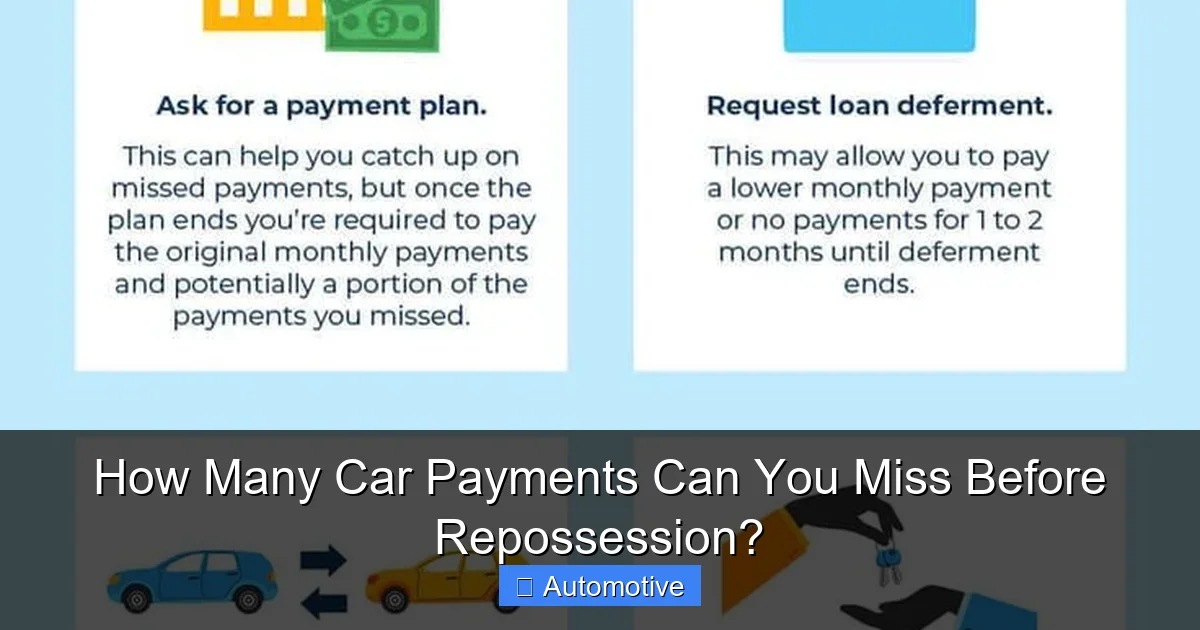
Don’t wait. Call your lender as soon as you know you’ll have trouble making a payment. Many lenders offer hardship programs, payment deferments, or loan modifications for borrowers facing temporary financial issues.
Be honest about your situation. Lenders are often willing to work with you if you’re proactive. They’d rather help you keep the car than go through the hassle and cost of repossession.
Explore Payment Options
Ask about:
- Payment deferment: Pushing your payments back a month or two.
- Loan modification: Changing the terms of your loan, such as extending the repayment period to lower monthly payments.
- Forbearance: Temporarily reducing or pausing payments during a financial hardship.
These options can give you breathing room to get back on your feet.
Consider Selling the Car Yourself
If you can’t afford the payments, selling the car voluntarily might be a better option than repossession. You’ll avoid the negative credit impact and may even get more money than the lender would at auction.
Use the sale proceeds to pay off the loan. If there’s money left over, great. If not, you may still owe a small balance, but it’s usually less than what you’d owe after repossession.
Seek Financial Counseling
If you’re struggling with debt, consider talking to a nonprofit credit counselor. They can help you create a budget, negotiate with creditors, and explore debt management plans.
Organizations like the National Foundation for Credit Counseling (NFCC) offer free or low-cost services to help you regain control of your finances.
The Impact of Repossession on Your Credit and Finances
Repossession isn’t just about losing your car—it can have long-lasting effects on your financial life.
Credit Score Damage
A repossession will appear on your credit report and can drop your credit score by 100 points or more. It stays on your report for up to seven years, making it harder to qualify for loans, credit cards, or even apartments.
Even after the repossession is removed, the late payments leading up to it may still be visible, continuing to affect your credit.
Difficulty Getting Future Loans
Lenders see repossession as a major red flag. If you apply for a car loan, mortgage, or personal loan in the future, you may be denied or offered higher interest rates.
Some lenders specialize in “subprime” loans for people with bad credit, but these often come with high fees and steep interest rates.
Potential Legal Action
If you owe a deficiency balance, the lender may sue you to collect the money. If they win, they could garnish your wages or place a lien on your property.
In some cases, the lender may sell the debt to a collection agency, which will continue to pursue you for payment.
Your Rights as a Borrower
Even if you’re behind on payments, you have rights under federal and state laws.
Fair Debt Collection Practices Act (FDCPA)
The FDCPA protects you from abusive debt collection practices. Collectors cannot harass you, make false statements, or threaten legal action they don’t intend to take.
If a repo agent or collector violates these rules, you can file a complaint with the Consumer Financial Protection Bureau (CFPB).
Right to Notice
In many states, lenders must send a notice before repossession. This gives you a chance to pay what you owe or make arrangements.
After repossession, you also have the right to know how much the car sold for and how the proceeds were applied to your loan.
Right to Reinstate or Redeem
As mentioned earlier, some states allow you to reinstate or redeem your loan after repossession. Check your state laws and loan agreement to see if these options are available to you.
Final Thoughts: Stay Proactive and Informed
Missing car payments is stressful, but repossession isn’t inevitable. Most lenders prefer to work with borrowers who communicate and take responsibility. The key is to act early, stay informed, and explore all your options.
Remember: one missed payment won’t cost you your car, but ignoring the problem will. Whether you’re dealing with a temporary setback or a longer-term financial challenge, there are steps you can take to protect your vehicle and your credit.
Don’t wait until it’s too late. Reach out to your lender, seek help if needed, and take control of your financial future. Your car—and your peace of mind—are worth it.
Frequently Asked Questions
Can my car be repossessed after one missed payment?
It’s unlikely. Most lenders allow a grace period and won’t repossess your car after just one missed payment. However, you may face late fees and a hit to your credit score.
How long do I have to catch up on payments before repossession?
Typically, lenders wait until you’re 60 to 90 days late before initiating repossession. Some states require a notice period, giving you 10 to 30 days to pay what you owe.
Can I get my car back after it’s been repossessed?
Yes, in some cases. You may be able to reinstate the loan by paying past-due amounts and fees, or redeem the car by paying the full balance. This depends on your lender and state laws.
Will I still owe money after my car is repossessed?
Possibly. If the sale of your car doesn’t cover the loan balance, you may owe a deficiency balance. The lender can sue you to collect this amount in many states.
Does repossession affect my credit score?
Yes, repossession significantly damages your credit score and stays on your credit report for up to seven years. It can make it harder to get loans or credit in the future.
What should I do if I can’t make my car payment?
Contact your lender immediately. Many offer hardship programs, deferments, or loan modifications. The sooner you reach out, the more options you’ll have to avoid repossession.