How Long Does It Take for a Car Battery to Recharge
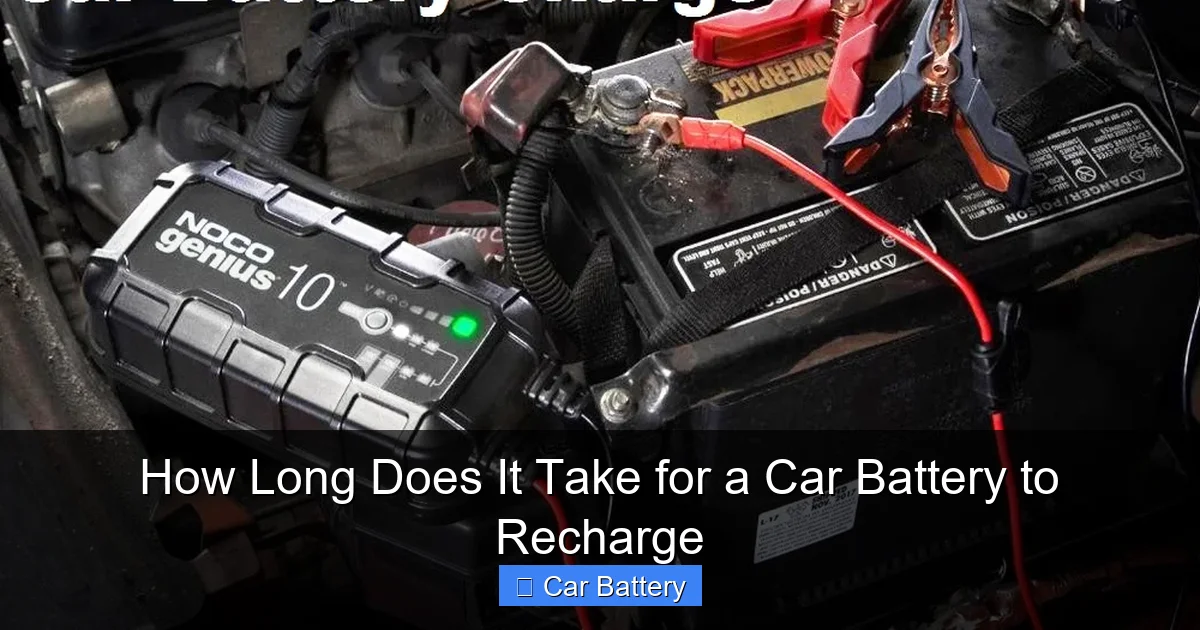
The time it takes for a car battery to recharge depends on several factors, including battery size, charger type, and how deeply it was drained. Most car batteries can regain a usable charge in 30 minutes to several hours, but full recharge may take much longer. Understanding your charging options and battery health helps ensure reliable starts and longer battery life.
In This Article
- 1 Key Takeaways
- 2 📑 Table of Contents
- 3 How Long Does It Take for a Car Battery to Recharge?
- 4 Understanding Car Batteries and How They Work
- 5 Factors That Affect Car Battery Recharge Time
- 6 Different Methods to Recharge a Car Battery
- 7 How to Safely Recharge Your Car Battery
- 8 Tips to Extend Battery Life and Reduce Recharge Needs
- 9 Conclusion
- 10 Frequently Asked Questions
- 10.1 Can a car battery recharge itself while driving?
- 10.2 How long should I drive to fully recharge a dead battery?
- 10.3 Is it safe to leave a battery charger connected overnight?
- 10.4 Why does my battery keep dying even after recharging?
- 10.5 Can cold weather affect how long it takes to recharge a battery?
- 10.6 What’s the fastest way to recharge a car battery?
Key Takeaways
- Charging time varies widely: A car battery can recharge in as little as 30 minutes with a fast charger or take over 24 hours with a trickle charger, depending on conditions.
- Battery capacity matters: Larger batteries (measured in ampere-hours or Ah) take longer to recharge than smaller ones.
- Charger type is crucial: Smart chargers, trickle chargers, and jump starters each have different charging speeds and safety features.
- Depth of discharge affects recovery: A lightly drained battery recharges faster than one that’s completely dead.
- Temperature plays a role: Cold weather slows chemical reactions in the battery, increasing recharge time.
- Driving helps recharge: A 30-minute drive at highway speeds can restore a significant portion of a battery’s charge.
- Regular maintenance extends life: Keeping terminals clean and checking voltage helps maintain optimal charging efficiency.
📑 Table of Contents
How Long Does It Take for a Car Battery to Recharge?
Have you ever turned the key in your ignition, only to hear a weak click or nothing at all? That sinking feeling when your car won’t start is often due to a dead or drained battery. But once you get it jump-started or connected to a charger, a common question pops up: How long does it take for a car battery to recharge?
The answer isn’t one-size-fits-all. Recharge time depends on a mix of factors—your battery’s size, how much charge it lost, the type of charger you’re using, and even the weather outside. In general, you can expect a car battery to regain enough power to start your engine in as little as 30 minutes under ideal conditions. But if you’re aiming for a full recharge—especially after a deep discharge—it could take several hours or even a full day.
This guide will walk you through everything you need to know about recharging your car battery. From understanding how batteries work to choosing the right charging method, we’ll cover practical tips and real-world examples so you can get back on the road safely and confidently. Whether you’re dealing with a morning no-start or planning for winter storage, knowing how long it takes—and what affects that time—can save you time, money, and stress.
Understanding Car Batteries and How They Work
Before diving into recharge times, it helps to understand what’s happening inside your car battery. Most vehicles use a 12-volt lead-acid battery, which stores energy through a chemical reaction between lead plates and sulfuric acid electrolyte. When you turn the key, the battery sends a burst of electricity to the starter motor, which cranks the engine. Once the engine is running, the alternator takes over, generating power to recharge the battery and run electrical systems.
Visual guide about How Long Does It Take for a Car Battery to Recharge
Image source: thumbs.dreamstime.com
How Batteries Lose Charge
Car batteries don’t last forever. Over time, they lose their ability to hold a charge due to sulfation (a buildup of lead sulfate crystals), internal corrosion, or simply age. But even a healthy battery can drain if you leave lights on, use electronics with the engine off, or live in a cold climate where chemical reactions slow down.
For example, if you accidentally leave your headlights on overnight, your battery might drop from a full 12.6 volts to below 12 volts—enough to prevent starting. In such cases, recharging is necessary. But how long that takes depends on how much energy was lost and how you choose to restore it.
Battery Capacity and Ratings
Car batteries are rated in ampere-hours (Ah), which tells you how much current they can deliver over time. A typical car battery might have a capacity of 48 Ah. This means it can theoretically supply 1 amp for 48 hours, or 48 amps for 1 hour. However, real-world performance is lower due to inefficiencies and the fact that deep discharges shorten battery life.
Another important rating is cold cranking amps (CCA), which measures how well the battery can start an engine in cold weather. A higher CCA rating generally means a more robust battery, but it doesn’t directly affect recharge time. What matters more for recharging is the battery’s state of charge (SoC)—how much energy is left—and its overall health.
Factors That Affect Car Battery Recharge Time
Now that you know how batteries work, let’s look at the key factors that determine how long it takes to recharge one. These variables can dramatically change the timeline, so understanding them helps you set realistic expectations.
Visual guide about How Long Does It Take for a Car Battery to Recharge
Image source: discoverbattery.com
1. Depth of Discharge
The deeper the discharge, the longer it takes to recharge. If your battery is only slightly drained—say, from 12.4 volts to 12.2 volts—it might regain a usable charge in under an hour. But if it drops to 11.8 volts or lower (a deep discharge), it could take several hours to fully recharge.
For example, a battery that’s been completely drained by leaving the interior lights on for 12 hours will need more time and energy to recover than one that simply lost charge due to a short drive. Deep discharges also stress the battery, potentially reducing its lifespan.
2. Charger Type and Output
Not all chargers are created equal. The type of charger you use has a huge impact on recharge time:
- Trickle chargers: These deliver a low, steady current (usually 1–2 amps). They’re safe for long-term use and ideal for maintaining a battery during storage. However, they’re slow—recharging a dead battery could take 24 hours or more.
- Standard chargers: These output 4–10 amps and are good for occasional use. A 6-amp charger might recharge a moderately drained battery in 4–6 hours.
- Smart chargers: These automatically adjust voltage and current based on the battery’s condition. They can charge faster and safer, often completing a recharge in 2–4 hours. Many also include maintenance modes to prevent overcharging.
- Jump starters with built-in chargers: Some portable jump starters can also recharge a battery. These are convenient for emergencies but may not provide a full charge quickly.
3. Battery Size and Age
Larger batteries with higher Ah ratings take longer to recharge. A heavy-duty truck battery, for instance, might have 80 Ah or more, requiring significantly more time than a compact car’s 40 Ah battery.
Age also matters. An older battery (5+ years) may not accept a charge as efficiently due to internal degradation. Even with a powerful charger, it might take longer to reach full capacity—or it might never fully recharge at all.
4. Temperature Conditions
Cold weather slows down the chemical reactions inside a battery, making it harder to charge. In freezing temperatures, recharge times can increase by 20–50%. Conversely, hot weather can speed up charging slightly, but excessive heat can damage the battery over time.
If you’re charging in winter, consider bringing the battery indoors or using a charger with a temperature sensor to adjust output safely.
5. Alternator Recharging While Driving
Many people assume they need a charger to restore a dead battery. But once your car is running, the alternator does the work. A 30-minute drive at highway speeds (where the alternator spins faster) can recharge a lightly drained battery by 50–70%. However, if the battery was deeply discharged, you may need to drive for an hour or more—or use a dedicated charger for a full recovery.
Keep in mind: short trips (under 15 minutes) don’t give the alternator enough time to recharge the battery fully. This is why frequent short drives can lead to chronic undercharging and premature battery failure.
Different Methods to Recharge a Car Battery
There’s more than one way to recharge a car battery, and each method has its pros, cons, and ideal use cases. Choosing the right one depends on your situation, tools, and how urgently you need your car back on the road.
Visual guide about How Long Does It Take for a Car Battery to Recharge
Image source: res.cloudinary.com
Jump-Starting with Another Vehicle
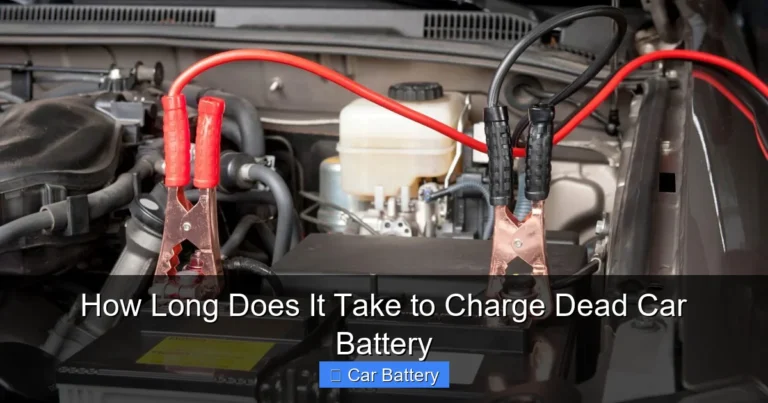
Jump-starting is the fastest way to get a dead battery running again. By connecting jumper cables to a working car’s battery, you transfer enough power to crank your engine. Once the engine starts, the alternator begins recharging the battery.
How long it takes: The actual jump-start takes just a few minutes. But to recharge the battery sufficiently, you should drive for at least 30 minutes. For a deeply drained battery, you may need to drive longer or use a charger afterward.
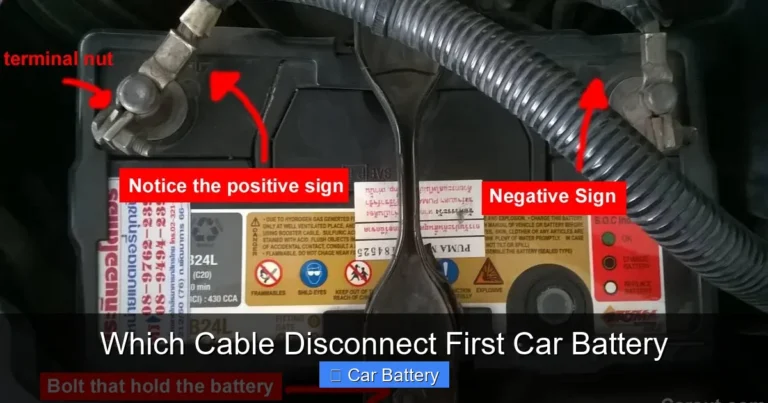
Tip: Always follow proper jump-starting procedures—connect red to positive, black to negative, and avoid sparks near the battery. If the battery is swollen or leaking, do not attempt to jump-start it.
Using a Portable Jump Starter
Portable jump starters (also called battery boosters) are compact devices that store enough power to start a car without another vehicle. Many modern models include USB ports, flashlights, and even air compressors.
How long it takes: Like jump-starting, this gets your car running in minutes. Recharge time afterward depends on driving duration. Some advanced models can also slowly recharge the battery if left connected, but this is slower than a dedicated charger.
Tip: Keep your jump starter charged and stored in a dry, temperature-controlled place. Test it periodically to ensure it’s ready when needed.
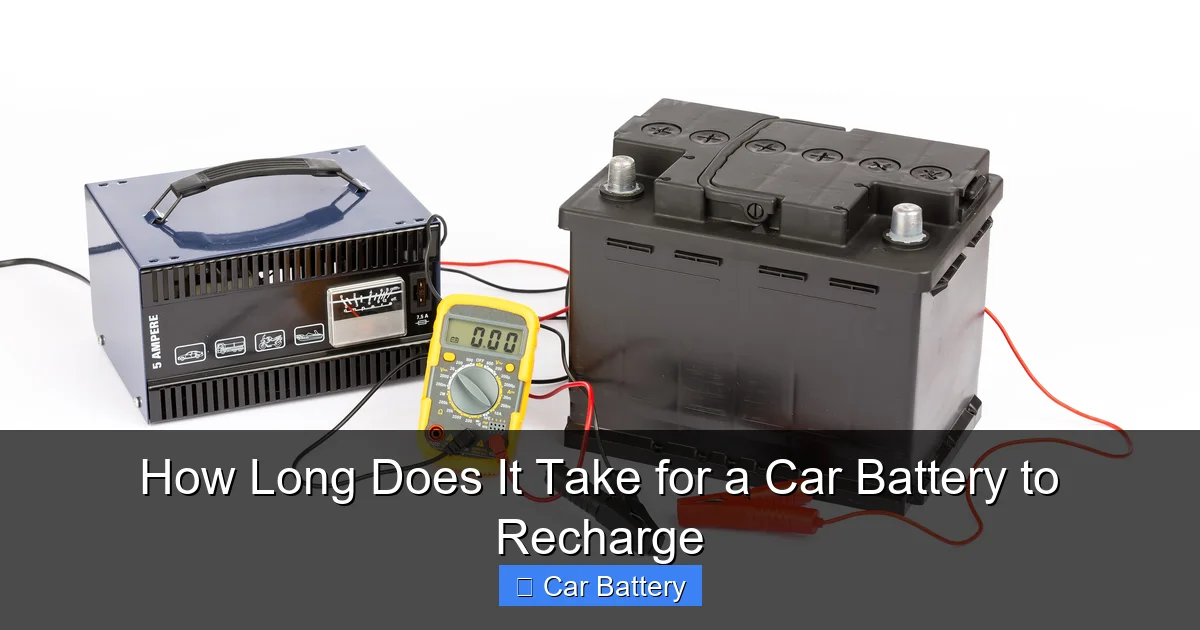
Connecting a Battery Charger
For a full and safe recharge, a battery charger is the best option. Here’s how different types compare:
- Trickle charger (1–2 amps): Best for long-term maintenance. Recharge time: 12–24 hours for a dead battery. Safe to leave connected for days.
- Standard charger (4–10 amps): Good for occasional use. Recharge time: 4–12 hours. Monitor closely to avoid overcharging.
- Smart charger (4–15 amps): Ideal for most users. Automatically adjusts charge rate and switches to maintenance mode. Recharge time: 2–6 hours.
Example: If you have a 48 Ah battery that’s 50% discharged (24 Ah lost), a 6-amp charger would theoretically take 4 hours to recharge (24 Ah ÷ 6 A = 4 hours). In practice, it may take slightly longer due to inefficiencies.
Charging via the Alternator (Driving)
As mentioned earlier, driving your car is a natural way to recharge the battery. The alternator generates electricity as the engine runs, sending power back to the battery.
How long it takes: A 30-minute drive at 55 mph can restore 50–70% of a lightly drained battery. For a full recharge, especially after a deep discharge, you may need to drive for 1–2 hours or combine driving with a charger.
Tip: Avoid short trips if your battery is weak. Combine errands into longer drives to give the alternator time to work.
How to Safely Recharge Your Car Battery
Recharging a car battery isn’t just about speed—it’s also about safety. Lead-acid batteries contain sulfuric acid and can produce explosive hydrogen gas during charging. Follow these best practices to protect yourself and your vehicle.
Safety Precautions
- Work in a well-ventilated area: Never charge a battery in a closed garage. Hydrogen gas can accumulate and ignite.
- Wear protective gear: Safety glasses and gloves protect against acid splashes.
- Disconnect the battery (if needed): Some chargers recommend removing the battery from the car, especially for older models. Check your charger’s instructions.
- Clean the terminals: Use a wire brush to remove corrosion before connecting cables. Dirty terminals can cause poor connections and slow charging.
- Check for damage: If the battery case is cracked, swollen, or leaking, do not charge it. Replace it instead.
Proper Charging Procedure
- Turn off the engine and all electronics.
- Connect the charger’s red clamp to the positive (+) terminal and black clamp to the negative (−) terminal.
- Set the charger to the appropriate mode (e.g., 12V, standard, or maintenance).
- Plug in the charger and turn it on.
- Monitor the progress. Most smart chargers will display voltage or charge percentage.
- Once fully charged, disconnect the charger in reverse order (black first, then red).
Tip: Avoid overcharging. Most modern chargers prevent this, but older models may not. If you’re using a trickle charger, set a timer or check it regularly.
When to Call a Professional
Sometimes, a battery won’t recharge no matter what you try. This could indicate a faulty battery, a bad alternator, or a parasitic drain (something drawing power when the car is off). If your battery repeatedly dies or won’t hold a charge, have it tested by a mechanic or auto parts store. Many offer free battery and charging system checks.
Tips to Extend Battery Life and Reduce Recharge Needs
The best way to avoid long recharge times is to prevent deep discharges in the first place. With a few simple habits, you can keep your battery healthy and reduce the chances of getting stranded.
Regular Maintenance
- Clean terminals monthly: Corrosion increases resistance and slows charging.
- Check voltage: Use a multimeter to test battery voltage. A healthy battery should read 12.6 volts when off and 13.7–14.7 volts when running.
- Tighten connections: Loose cables can cause starting problems and inefficient charging.
Driving Habits
- Take longer drives: Aim for at least 20–30 minutes of continuous driving a few times a week.
- Limit short trips: Combine errands to reduce the number of cold starts.
- Turn off electronics: Avoid using lights, radio, or climate control with the engine off.
Seasonal Care
- In winter: Use a battery blanket or park in a garage to keep the battery warm.
- In summer: Park in the shade to prevent overheating, which can evaporate electrolyte.
- For storage: If you won’t drive the car for weeks, use a trickle charger or disconnect the battery.
Upgrade When Needed
If your battery is more than 4–5 years old, consider replacing it before it fails. Newer batteries with advanced technology (like AGM or lithium-ion) charge faster and last longer, though they cost more upfront.
Conclusion
So, how long does it take for a car battery to recharge? The short answer: it depends. A lightly drained battery might be ready in 30 minutes with a smart charger, while a deeply discharged one could take a full day with a trickle charger. Factors like battery size, charger type, temperature, and driving habits all play a role.
The key is to choose the right charging method for your situation and to maintain your battery regularly. Whether you’re jump-starting on the side of the road or plugging in a charger at home, understanding the process helps you make smarter decisions and avoid future breakdowns.
Remember, a car battery is more than just a power source—it’s the heart of your vehicle’s electrical system. Treat it well, and it’ll keep you moving reliably for years to come.
Frequently Asked Questions
Can a car battery recharge itself while driving?
Yes, the alternator recharges the battery while the engine runs. A 30-minute drive at highway speeds can restore a significant portion of the charge, but deeply drained batteries may need additional charging.
How long should I drive to fully recharge a dead battery?
For a lightly drained battery, 30–60 minutes of driving may be enough. For a completely dead battery, you may need to drive for 1–2 hours or use a charger for a full recharge.
Is it safe to leave a battery charger connected overnight?
It depends on the charger. Smart chargers are safe to leave connected as they switch to maintenance mode. Trickle chargers can also be left on, but standard chargers should be monitored to avoid overcharging.
Why does my battery keep dying even after recharging?
This could indicate a failing battery, a bad alternator, or a parasitic drain. Have your charging system tested by a professional to identify the root cause.
Can cold weather affect how long it takes to recharge a battery?
Yes, cold temperatures slow chemical reactions in the battery, increasing recharge time. Charging in a warm garage or using a temperature-compensated charger can help.
What’s the fastest way to recharge a car battery?
The fastest method is using a high-output smart charger (10–15 amps), which can recharge a moderately drained battery in 2–4 hours. Jump-starting gets the car running quickly but doesn’t fully recharge the battery.