How Long Does a Toyota Alternator Last

Contents




Most Toyota alternators last between 80,000 and 150,000 miles, or about 7 to 10 years with proper care. However, driving habits, climate, and electrical load can significantly impact longevity. Regular maintenance and early symptom detection help prevent unexpected breakdowns.
If you own a Toyota—whether it’s a reliable Camry, a rugged Tacoma, or a fuel-efficient Prius—you likely appreciate its reputation for durability and low maintenance. But even the most dependable vehicles have components that wear out over time. One critical part that often flies under the radar until it fails is the alternator. So, how long does a Toyota alternator last? The short answer: most last between 80,000 and 150,000 miles, or roughly 7 to 10 years. But like any mechanical component, its lifespan depends on a mix of factors including driving habits, environmental conditions, and how well you maintain your vehicle.
The alternator is the unsung hero of your car’s electrical system. While the battery starts the engine, the alternator keeps it running by generating electricity to power everything from your headlights and radio to your air conditioning and onboard computers. Without a working alternator, your battery would drain within minutes, leaving you stranded. That’s why understanding its expected lifespan and knowing the warning signs of failure can save you time, money, and a whole lot of frustration.
In this guide, we’ll dive deep into the world of Toyota alternators—how they work, what affects their longevity, how to spot trouble early, and what you can do to maximize their life. Whether you’re a long-time Toyota owner or considering buying one, this information will help you stay ahead of potential issues and keep your vehicle running smoothly for years to come.
Key Takeaways
- Typical lifespan: A Toyota alternator usually lasts 80,000 to 150,000 miles, depending on usage and maintenance.
- Signs of failure: Dimming lights, battery warning light, strange noises, or difficulty starting the engine may indicate alternator issues.
- Maintenance matters: Regular inspections, clean connections, and timely battery replacements help extend alternator life.
- Driving conditions impact longevity: Frequent short trips, extreme temperatures, and heavy electrical use (like aftermarket accessories) can shorten lifespan.
- Replacement cost: Expect to pay $400–$800 for a new alternator, including parts and labor, depending on the model and location.
- OEM vs. aftermarket: OEM (original equipment manufacturer) parts offer reliability, while quality aftermarket options can be cost-effective.
- Prevention is key: Address warning signs early to avoid being stranded and damaging other electrical components.
📑 Table of Contents
What Is an Alternator and Why Does It Matter?
Before we get into how long a Toyota alternator lasts, it’s important to understand what it actually does. Think of the alternator as your car’s personal power plant. Once the engine is running, the alternator takes over from the battery and begins generating electrical current. It uses a belt connected to the engine’s crankshaft to spin a rotor inside a stator, creating alternating current (AC), which is then converted to direct current (DC) to power your vehicle’s electrical systems.
This process is essential because modern Toyotas—especially newer models—are packed with electronics. From infotainment systems and navigation to advanced safety features like lane departure warnings and adaptive cruise control, your car relies heavily on a steady electrical supply. The alternator ensures that all these systems have the power they need, while also recharging the battery so it’s ready for the next start.
How the Alternator Powers Your Toyota
When you turn the key or push the start button, the battery sends a burst of energy to the starter motor, which cranks the engine. Once the engine is running, the alternator kicks in. It produces around 13.5 to 14.5 volts of electricity, which is slightly higher than the battery’s 12.6 volts. This extra voltage ensures the battery stays charged while powering all the electrical components.
For example, if you’re driving at night with the headlights, heater, and radio on, the alternator is working overtime. In a Toyota RAV4 with a powerful sound system and heated seats, the electrical load increases even more. The alternator must keep up with these demands, or the battery will begin to drain.
Common Alternator Components
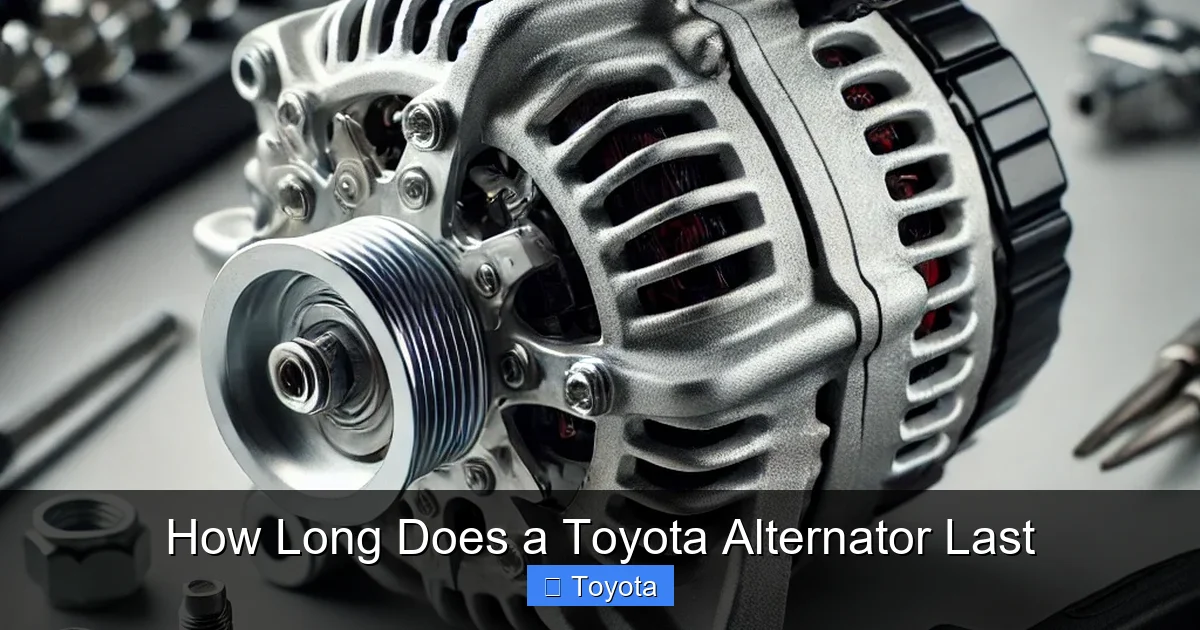
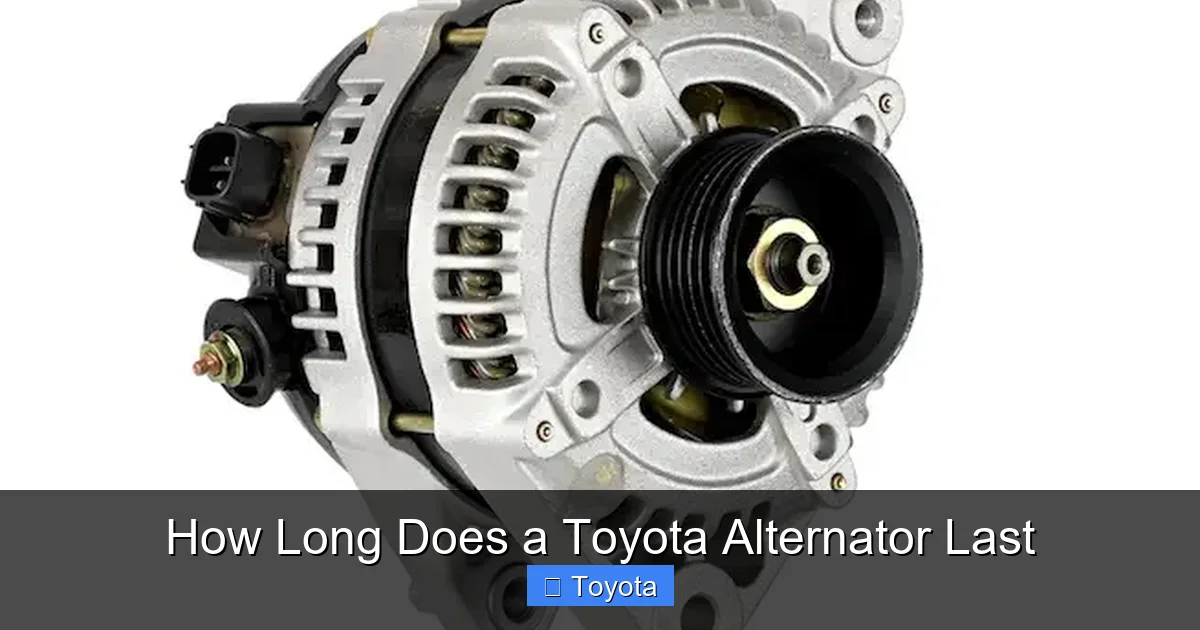
A typical Toyota alternator consists of several key parts:
- Rotor: The spinning electromagnet that creates a magnetic field.
- Stator: The stationary wire coils that generate electricity when the rotor spins.
- Diode Rectifier: Converts AC power to DC power for the vehicle’s systems.
- Voltage Regulator: Controls the output voltage to prevent overcharging or undercharging the battery.
- Belt and Pulley: Connects the alternator to the engine, allowing it to spin when the engine runs.
Over time, these components can wear out. The brushes that conduct electricity to the rotor may erode, the diode rectifier can fail, or the belt may slip or break. When any of these parts fail, the alternator can’t produce enough power, leading to electrical problems.
Average Lifespan of a Toyota Alternator
Visual guide about How Long Does a Toyota Alternator Last
Image source: youramazingcar.com
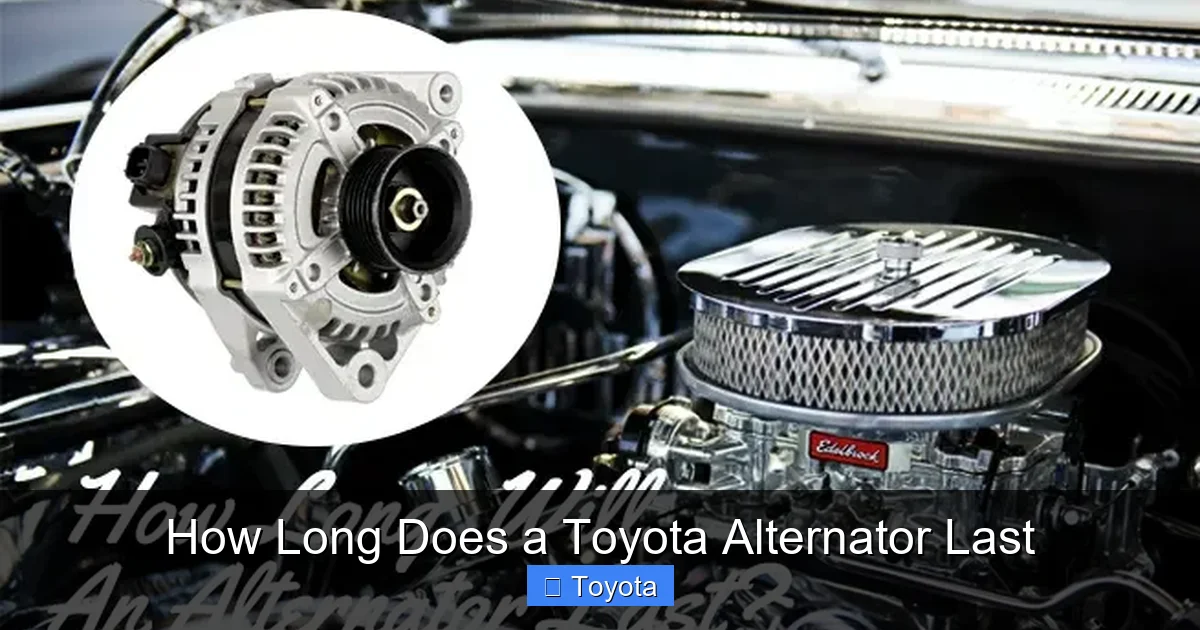
So, how long does a Toyota alternator last? On average, you can expect a Toyota alternator to last between 80,000 and 150,000 miles. That translates to roughly 7 to 10 years of service, assuming you drive about 12,000 to 15,000 miles per year. However, this is just a general estimate. Some alternators may fail earlier due to manufacturing defects or harsh conditions, while others can last well beyond 150,000 miles with proper care.
Factors That Influence Alternator Lifespan
Several factors can affect how long your Toyota’s alternator will last. Understanding these can help you take proactive steps to extend its life.
Driving Habits: Frequent short trips are one of the biggest culprits in shortening alternator life. When you drive for only a few minutes at a time, the alternator doesn’t have enough time to fully recharge the battery. Over time, this constant undercharging stresses both the battery and the alternator, leading to premature failure.
For example, if you drive a Toyota Corolla to work and back—each trip lasting only 10 minutes—the alternator may never reach full output. This is especially true in cold weather, when the battery requires more power to start the engine. In contrast, longer highway drives allow the alternator to operate efficiently and recharge the battery properly.
Climate and Environment: Extreme temperatures also play a role. In hot climates, the alternator works harder to cool itself and maintain output. Heat can degrade internal components like the diode rectifier and voltage regulator. In cold climates, thick engine oil and increased electrical demand (like heated seats and defrosters) put extra strain on the alternator.
If you live in Arizona or Texas, where summer temperatures regularly exceed 100°F, your alternator may wear out faster than someone in a milder climate like Oregon or Washington. Similarly, drivers in Minnesota or Alaska may notice more alternator issues during winter months.
Electrical Load: The more electronics you use, the harder your alternator has to work. Aftermarket accessories like high-powered sound systems, LED light bars, or phone chargers can increase the electrical load. While modern Toyotas are designed to handle standard accessories, adding too many can push the alternator beyond its capacity.
For instance, a Toyota Tacoma owner who installs a 1,000-watt subwoofer and multiple USB charging ports may overload the alternator, especially if the vehicle wasn’t originally equipped to handle such demands. This can lead to overheating and early failure.
Maintenance and Care: Regular maintenance is one of the best ways to extend alternator life. Keeping the battery terminals clean, ensuring the drive belt is properly tensioned, and replacing the battery when needed all contribute to a healthier electrical system.
A dirty or corroded battery connection can cause voltage spikes that damage the alternator. Similarly, a loose or worn belt can cause the alternator to slip, reducing its output. Replacing a weak battery before it fails also prevents the alternator from working overtime to compensate.
Real-World Examples
Let’s look at a few real-world scenarios to illustrate how these factors play out.
Example 1: The City Commuter
Sarah drives a 2015 Toyota Camry in downtown Chicago. She makes short trips—15 minutes to work, 10 minutes to the grocery store. She rarely takes long drives. After 90,000 miles, she notices her headlights dimming at stoplights and her battery warning light flickering. A mechanic diagnoses a failing alternator. Her short driving pattern and cold winters likely contributed to the early failure.
Example 2: The Highway Driver
Mike owns a 2012 Toyota Highlander and drives 20,000 miles a year, mostly on highways between Denver and Salt Lake City. He takes long road trips and rarely uses high-power accessories. At 140,000 miles, his alternator is still going strong. His consistent highway driving allows the alternator to operate efficiently, extending its lifespan.
Example 3: The Off-Road Enthusiast
Jake drives a 2018 Toyota 4Runner with a lifted suspension, off-road lights, and a winch. He frequently uses these accessories during weekend adventures. At 110,000 miles, he experiences alternator failure. The added electrical load from his modifications likely shortened the alternator’s life.
These examples show that while the average lifespan is a helpful guideline, individual experiences can vary widely based on usage.
Signs Your Toyota Alternator Is Failing
Visual guide about How Long Does a Toyota Alternator Last
Image source: youramazingcar.com
Knowing the symptoms of a failing alternator can help you catch problems early—before you’re left stranded with a dead battery. Here are the most common warning signs to watch for.
Dimming or Flickering Lights
One of the earliest and most noticeable signs is dimming or flickering headlights, dashboard lights, or interior lights. If your lights seem to brighten when you accelerate and dim when you idle, it’s a strong indicator that the alternator isn’t producing enough power.
For example, you might notice that your headlights are bright when you’re driving on the highway but become noticeably dimmer when you stop at a red light. This happens because the alternator isn’t generating enough electricity at low engine speeds, so the battery has to pick up the slack—until it drains.
Battery Warning Light
The battery warning light on your dashboard—often labeled “ALT” or “GEN”—is a direct alert that the charging system isn’t working properly. While this light can sometimes indicate a bad battery, it’s often a sign of alternator trouble.
If the light comes on while driving, don’t ignore it. Continue to a safe location and have your vehicle inspected. Driving with a failing alternator can lead to a complete electrical shutdown, leaving you unable to restart the car.
Strange Noises
A failing alternator may produce unusual sounds, such as grinding, whining, or squealing. These noises often come from worn bearings or a loose belt inside the alternator.
For instance, you might hear a high-pitched whine that gets louder as you increase the engine speed. This could mean the alternator’s internal bearings are worn out and need replacement. A squealing sound, especially after starting the car, might indicate a slipping belt.
Electrical Issues
If your power windows move slowly, your radio cuts out, or your air conditioning fan runs at reduced speed, it could be due to low voltage from a weak alternator. These symptoms often worsen over time as the alternator continues to degrade.
In a Toyota Prius, for example, you might notice that the hybrid system struggles to engage or that the dashboard displays error messages related to the electrical system. Since the Prius relies heavily on electrical power for its hybrid operation, alternator failure can have more severe consequences.
Difficulty Starting the Engine
If your Toyota is slow to start or won’t start at all, it could be due to a dead battery caused by a failing alternator. Remember, the alternator keeps the battery charged. If it’s not working, the battery will eventually drain.
You might find that your car starts fine in the morning but won’t turn over after being parked for a few hours. This is a classic sign that the alternator isn’t recharging the battery while driving.
Burning Smell
In rare cases, a failing alternator may produce a burning smell, similar to overheated wires or rubber. This could indicate that the alternator is overheating due to internal short circuits or excessive load.
If you smell something burning under the hood, pull over immediately and turn off the engine. Continuing to drive could cause further damage or even a fire.
How to Extend the Life of Your Toyota Alternator
Visual guide about How Long Does a Toyota Alternator Last
Image source: i2.wp.com
While you can’t stop wear and tear entirely, there are several steps you can take to help your Toyota alternator last as long as possible.
Drive Longer Distances When Possible
As mentioned earlier, short trips prevent the alternator from fully recharging the battery. Whenever possible, take longer drives—even if it’s just a weekend trip or a scenic route home. This gives the alternator time to operate at full capacity and recharge the battery.
If you mostly drive short distances, consider using a battery maintainer or trickle charger during long periods of inactivity, such as during winter storage.
Limit Electrical Load
Be mindful of how many electrical accessories you use, especially at idle. Turn off unnecessary features like the radio, heated seats, or air conditioning when the engine is off or idling for long periods.
If you’ve installed aftermarket electronics, ensure your alternator can handle the extra load. Upgrading to a high-output alternator may be necessary for vehicles with heavy electrical demands.
Keep Connections Clean
Corrosion on battery terminals and alternator connections can interfere with electrical flow and cause voltage spikes. Inspect these connections regularly and clean them with a wire brush and baking soda solution if needed.
Also, check the alternator’s ground wire and ensure it’s securely attached. A poor ground can cause erratic electrical behavior and damage the alternator.
Replace the Battery When Needed
A weak or old battery forces the alternator to work harder to keep it charged. Most car batteries last 3 to 5 years. If your battery is nearing the end of its life, replace it before it fails.
When replacing the battery, choose a high-quality unit that matches your Toyota’s specifications. Avoid cheap, low-capacity batteries that can strain the alternator.
Inspect the Drive Belt
The serpentine belt that drives the alternator should be checked regularly for cracks, fraying, or looseness. A worn or slipping belt reduces alternator output and can cause premature failure.
Most Toyota models recommend inspecting the belt every 30,000 to 60,000 miles. Replace it if you notice signs of wear or if it makes noise.
Schedule Regular Maintenance
Include alternator checks in your regular maintenance routine. A qualified mechanic can test the alternator’s output with a multimeter and inspect for signs of wear.
Many Toyota service centers offer charging system diagnostics as part of routine inspections. Taking advantage of these services can help catch problems early.
Alternator Replacement: What to Expect
If your Toyota alternator does fail, replacement is usually straightforward—but it comes with a cost. Here’s what you need to know.
Cost of Replacement
The cost to replace a Toyota alternator typically ranges from $400 to $800, including parts and labor. The exact price depends on your vehicle’s make, model, and year, as well as your location and whether you use OEM or aftermarket parts.
For example, replacing the alternator in a Toyota Camry might cost around $500, while a Toyota Tundra or Sequoia could be closer to $700 due to larger, more complex units.
OEM vs. Aftermarket Alternators
You’ll have a choice between OEM (original equipment manufacturer) and aftermarket alternators. OEM parts are made by the same manufacturer that supplied the original part and are designed to meet Toyota’s specifications. They tend to be more reliable but also more expensive.
Aftermarket alternators are made by third-party companies and can be more affordable. However, quality varies widely. Look for reputable brands with good warranties and customer reviews.
In most cases, a high-quality aftermarket alternator is a good option, especially for older vehicles. But for newer Toyotas with advanced electronics, OEM may be the safer choice.
DIY vs. Professional Installation
Replacing an alternator is a moderate DIY project if you’re comfortable working under the hood. It typically involves removing the serpentine belt, disconnecting electrical connectors, and unbolting the alternator.
However, if you’re not experienced with car repairs, it’s best to leave it to a professional. Improper installation can lead to electrical issues or damage to other components.
Most mechanics can complete the job in 1 to 2 hours.
Warranty Considerations
New alternators usually come with a warranty of 1 to 3 years. Make sure to ask about the warranty when purchasing and keep your receipt. If the alternator fails prematurely, you may be eligible for a free replacement.
Conclusion
So, how long does a Toyota alternator last? The answer isn’t one-size-fits-all, but with proper care, most Toyota alternators can last between 80,000 and 150,000 miles—or 7 to 10 years. Your driving habits, climate, electrical usage, and maintenance routine all play a role in determining its lifespan.
By staying alert to warning signs like dimming lights, strange noises, or a battery warning light, you can catch problems early and avoid being stranded. Simple steps like driving longer distances, keeping connections clean, and replacing the battery on time can go a long way in extending your alternator’s life.
When replacement is needed, choose a quality part and consider professional installation for peace of mind. With the right care, your Toyota’s alternator—and your vehicle as a whole—can continue to deliver reliable performance for many miles to come.
Frequently Asked Questions
How long does a Toyota alternator last on average?
Most Toyota alternators last between 80,000 and 150,000 miles, or about 7 to 10 years, depending on driving conditions and maintenance.
Can a bad alternator damage my Toyota’s battery?
Yes, a failing alternator can cause the battery to drain repeatedly, leading to premature battery failure and potential damage to the electrical system.
Is it safe to drive with a failing alternator?
It’s not recommended. A failing alternator can lead to a sudden loss of power, leaving you stranded. Have it inspected as soon as possible.
Can I replace the alternator myself?
Yes, if you have mechanical experience and the right tools. However, improper installation can cause electrical issues, so professional help is often safer.
Do aftermarket alternators work as well as OEM?
High-quality aftermarket alternators can perform just as well as OEM parts, but it’s important to choose a reputable brand with a good warranty.
Why does my Toyota’s alternator keep failing?
Repeated alternator failure may be due to underlying issues like a bad voltage regulator, corroded connections, or excessive electrical load from aftermarket accessories.