How Long Does a Subaru Battery Last

Contents


A typical Subaru battery lasts between 3 to 5 years, depending on driving habits, climate, and maintenance. While some batteries may fail earlier due to extreme temperatures or infrequent use, others can last up to 6 years with proper care. Regular inspections and timely replacements help keep your Subaru running smoothly.
If you own a Subaru—whether it’s a rugged Outback, a sporty WRX, or a family-friendly Forester—you likely appreciate its reliability, all-wheel-drive capability, and long-term value. But like any vehicle, your Subaru relies on a healthy battery to start the engine, power electronics, and keep everything running smoothly. One of the most common questions Subaru owners ask is: How long does a Subaru battery last?
The short answer? Most Subaru batteries last between three and five years. But that’s just the average. The real lifespan depends on several factors, including where you live, how you drive, and how well you maintain your vehicle. Some drivers find their battery still going strong at the six-year mark, while others may need a replacement after just two years. Understanding what influences battery life can help you get the most out of your Subaru’s electrical system and avoid being stranded with a dead car on a cold morning.
In this guide, we’ll dive deep into the factors that affect Subaru battery longevity, how to spot early warning signs, and practical tips to extend its life. Whether you’re a new Subaru owner or have been driving one for years, this information will help you stay ahead of battery issues and keep your vehicle in top shape.
Key Takeaways
- Average Lifespan: Most Subaru batteries last 3–5 years, with some reaching 6 years under ideal conditions.
- Climate Impact: Extreme heat or cold can shorten battery life by accelerating chemical reactions or reducing efficiency.
- Driving Habits Matter: Frequent short trips prevent full recharging, leading to faster battery degradation.
- Warning Signs: Slow engine cranking, dim headlights, and dashboard warnings indicate a failing battery.
- Maintenance Helps: Cleaning terminals, checking voltage, and using a trickle charger can extend battery life.
- Replacement Tips: Always replace with a compatible battery and consider OEM or high-quality aftermarket options.
- Professional Help: Have your charging system tested during routine service to catch issues early.
📑 Table of Contents
What Is the Average Lifespan of a Subaru Battery?
When it comes to car batteries, there’s no one-size-fits-all answer—but for Subaru vehicles, the typical lifespan falls within a predictable range. On average, a Subaru battery lasts between 3 to 5 years. This is consistent with most modern vehicles, as automotive batteries are designed to handle daily use under normal conditions.
However, this range isn’t set in stone. Some Subaru owners report their original battery lasting up to 6 years, especially if they live in mild climates and drive regularly. On the flip side, others may need a replacement after just 2 to 3 years due to extreme weather, infrequent driving, or electrical system issues.
For example, a Subaru Crosstrek owner in Arizona might experience faster battery degradation due to intense heat, which accelerates the chemical reactions inside the battery and causes fluid evaporation. Meanwhile, a Forester driver in Minnesota could face challenges in winter when cold temperatures reduce the battery’s ability to deliver power, increasing the strain during startup.
Subaru uses standard lead-acid batteries in most of its models, though some newer vehicles may come with enhanced flooded batteries (EFB) or absorbed glass mat (AGM) batteries, especially in models with start-stop technology. These advanced batteries tend to last longer and perform better under demanding conditions, but they also come at a higher cost.
It’s also worth noting that the battery’s age starts ticking the moment it’s manufactured, not when it’s installed. So even if your Subaru is brand new, the battery inside might already be several months old. Always check the manufacture date on the battery label—most have a code like “A123” where the letter represents the month (A=January, B=February, etc.) and the number is the year.
In short, while 3–5 years is a reliable estimate, your Subaru’s battery life will vary. The key is to monitor its health and not wait until it completely fails.
Factors That Affect Subaru Battery Life
Visual guide about How Long Does a Subaru Battery Last
Image source: vehicleqanda.com
Several factors influence how long your Subaru battery will last. Understanding these can help you take proactive steps to maximize its lifespan and avoid unexpected breakdowns.
Climate and Temperature Extremes
One of the biggest culprits behind shortened battery life is extreme weather. Both hot and cold temperatures can take a toll on your Subaru’s battery.
In hot climates—like the deserts of Nevada or the humid summers of Florida—high temperatures accelerate the chemical reactions inside the battery. While this might sound beneficial, it actually causes the battery to degrade faster. Heat increases the rate of electrolyte evaporation and can warp internal components, leading to internal shorts or reduced capacity. Studies show that a battery in a hot climate may lose up to 35% of its lifespan compared to one in a temperate zone.
On the other hand, cold weather—common in places like Alaska, North Dakota, or even upstate New York—reduces a battery’s cranking power. Cold temperatures slow down the chemical reactions, making it harder for the battery to deliver the amps needed to start the engine. In fact, a battery at 32°F (0°C) can have only about 60% of its power compared to when it’s at 80°F (27°C). This is why many Subaru owners notice slower starts in winter, especially after the car has been sitting overnight.
Driving Habits and Usage Patterns
How you drive your Subaru plays a major role in battery health. Frequent short trips—like driving to the grocery store, dropping off kids, or commuting less than 10 miles—don’t give the alternator enough time to fully recharge the battery. Each time you start the car, the battery delivers a surge of power, and the alternator must replenish that energy. If the engine doesn’t run long enough, the battery remains partially discharged, leading to a condition called “sulfation,” where lead sulfate crystals build up on the plates and reduce capacity over time.
Conversely, long highway drives allow the alternator to run at higher RPMs, generating more power and fully recharging the battery. If you mostly drive short distances, consider taking your Subaru on a 20–30 minute highway drive once a week to help maintain battery charge.
Another factor is infrequent use. If you leave your Subaru parked for days or weeks at a time—say, during a vacation or seasonal storage—the battery slowly drains due to parasitic loads from the clock, alarm system, and onboard computers. This can lead to a deeply discharged battery, which is harder to recover and may shorten its overall life.
Electrical Load and Accessories
Modern Subarus come packed with electronics: infotainment systems, heated seats, power windows, LED lights, and advanced driver-assistance features. While these are convenient, they also place a higher demand on the battery, especially when the engine is off.
Leaving lights on, using the stereo with the engine off, or charging multiple devices can drain the battery quickly. Even something as simple as a faulty glove box light that stays on can slowly deplete the battery over time.
Additionally, aftermarket accessories like dash cams, phone chargers, or upgraded sound systems can draw power even when the car is off. If not properly wired, they can create a parasitic drain that shortens battery life.
Battery Quality and Maintenance
Not all batteries are created equal. Subaru vehicles typically come with OEM (Original Equipment Manufacturer) batteries, which are designed to meet the vehicle’s specifications. These tend to be reliable and well-matched to the electrical system.
However, if you need a replacement, choosing a high-quality aftermarket battery from a reputable brand—such as Optima, Interstate, or Bosch—can offer better performance and longevity. Look for batteries with higher cold cranking amps (CCA) and reserve capacity (RC), especially if you live in a cold climate or frequently use electrical accessories.
Maintenance also plays a role. While modern batteries are mostly maintenance-free, it’s still important to keep the terminals clean and free of corrosion. A buildup of white or greenish powder on the terminals can interfere with electrical connections, reducing charging efficiency and starting power. A simple cleaning with a mixture of baking soda and water, followed by a protective spray, can make a big difference.
Charging System Health
Your Subaru’s battery doesn’t work in isolation—it’s part of a larger charging system that includes the alternator, voltage regulator, and wiring. If any of these components fail, the battery may not recharge properly, leading to repeated deep discharges and premature failure.
For example, a failing alternator might not generate enough power to recharge the battery, causing it to drain quickly. Or a faulty voltage regulator could overcharge the battery, leading to overheating and fluid loss.
That’s why it’s important to have your charging system checked during routine maintenance. Most Subaru service centers offer a free battery and charging system test, which can detect issues before they leave you stranded.
Signs Your Subaru Battery Is Failing
Visual guide about How Long Does a Subaru Battery Last
Image source: batterytools.net
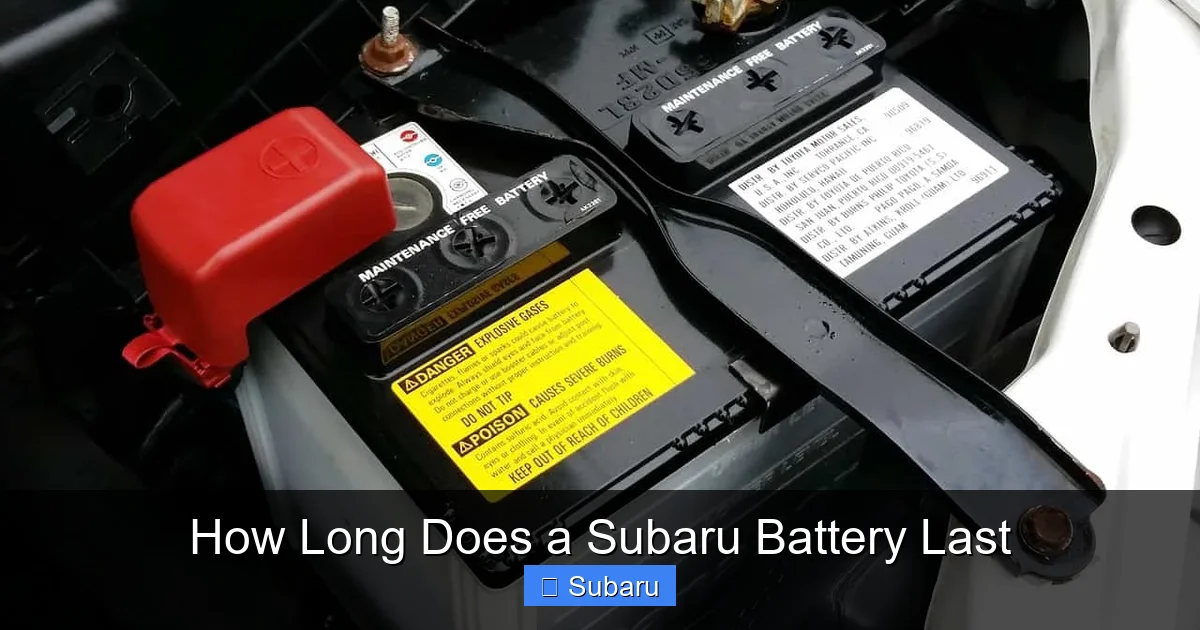
Even with the best care, batteries don’t last forever. Knowing the early warning signs can help you replace your Subaru battery before it fails completely.
Slow Engine Crank
One of the most common signs of a dying battery is a slow or labored engine crank. When you turn the key or press the start button, the engine may turn over more slowly than usual, or you might hear a “clicking” sound without the engine starting. This happens because the battery doesn’t have enough power to spin the starter motor at the required speed.
If you notice this, especially on cold mornings, it’s a strong indicator that your battery is nearing the end of its life.
Dim Headlights and Electrical Issues
A healthy battery should provide consistent power to all electrical components. If your headlights appear dim—especially when the engine is off or idling—it could mean the battery isn’t holding a charge.
Other electrical symptoms include flickering dashboard lights, slow power window operation, or a weak horn. These issues often worsen over time and may come and go before becoming constant.
Check Engine or Battery Warning Light
Modern Subarus are equipped with onboard diagnostics that monitor the battery and charging system. If the system detects a problem, it may trigger the check engine light or a dedicated battery warning light on the dashboard.
While these lights can indicate other issues, they’re often related to low voltage or charging problems. Don’t ignore them—have your vehicle scanned for trouble codes at a Subaru dealership or auto parts store.
Swollen or Leaking Battery Case
Physical damage to the battery is a clear red flag. If the battery case appears swollen, bulging, or cracked, it’s likely overcharged or has suffered internal damage. Leaking acid is also dangerous and requires immediate attention.
Swelling is often caused by excessive heat or overcharging, both of which can shorten battery life and pose safety risks.
Old Age
Sometimes, the simplest sign is the battery’s age. If your Subaru battery is more than four years old, it’s wise to have it tested annually. Even if it seems to be working fine, internal degradation may have reduced its capacity.
Many auto parts stores offer free battery testing, which measures voltage, cold cranking amps, and overall health. This can give you peace of mind or alert you to an impending failure.
How to Extend the Life of Your Subaru Battery
Visual guide about How Long Does a Subaru Battery Last
Image source: thepowerall.com
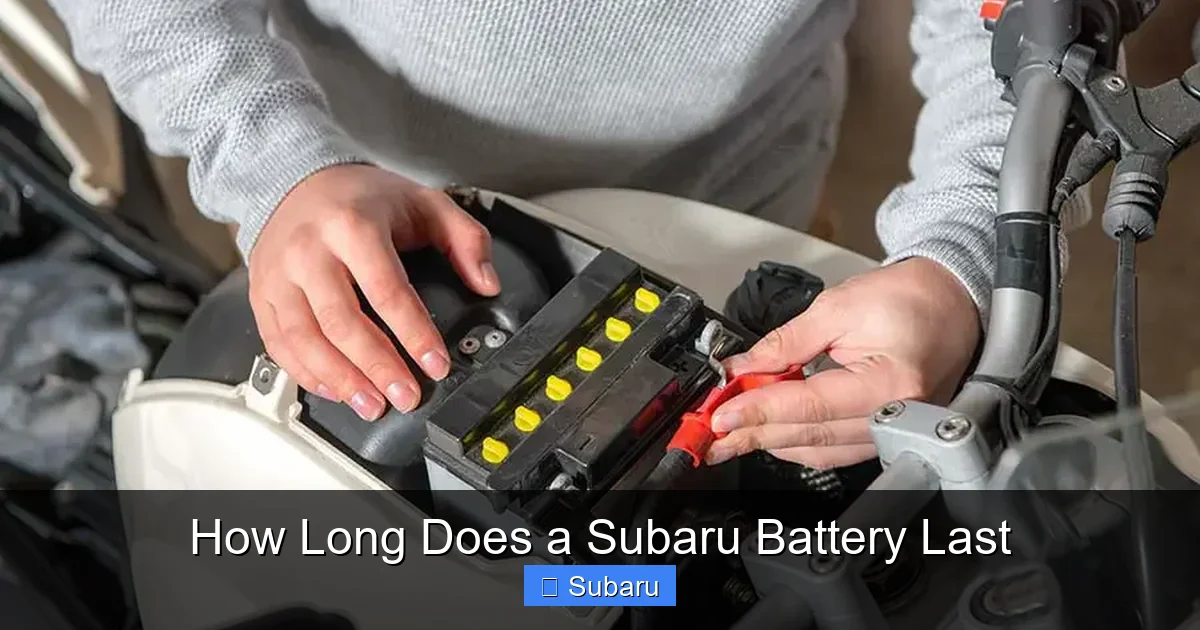
While you can’t stop time, you can take steps to help your Subaru battery last as long as possible. A little prevention goes a long way.
Drive Regularly and Take Longer Trips
As mentioned earlier, short trips don’t allow the alternator to fully recharge the battery. To combat this, try to take your Subaru on longer drives—at least 20–30 minutes—several times a week. This gives the charging system time to restore the battery to full capacity.
If you don’t drive often, consider using a battery maintainer or trickle charger. These devices plug into a wall outlet and provide a slow, steady charge to keep the battery topped off without overcharging.
Keep the Battery Clean and Secure
Corrosion on the battery terminals can interfere with electrical flow. Inspect the terminals every few months and clean them if you see any buildup. Use a wire brush and a solution of baking soda and water to scrub away corrosion, then rinse with clean water and dry thoroughly.
Also, make sure the battery is securely mounted. Vibration from driving can damage internal components over time, so check that the hold-down clamp is tight and the battery isn’t shifting.
Minimize Electrical Drain
Avoid leaving lights, radios, or accessories on when the engine is off. If you use a dash cam or other device that draws power, make sure it’s wired correctly and doesn’t create a parasitic drain.
Some Subaru owners install a battery disconnect switch for long-term storage, which cuts off all power and prevents slow drainage.
Protect Against Extreme Temperatures
In hot climates, park in the shade or use a sunshade to reduce under-hood temperatures. In cold weather, consider using a battery blanket or engine block heater to keep the battery warm.
If you live in an area with harsh winters, upgrading to a battery with higher cold cranking amps (CCA) can improve cold-weather performance.
Schedule Regular Maintenance
Include battery checks in your routine Subaru service. Most manufacturers recommend inspecting the battery and charging system every 12 months or 12,000 miles.
During these checks, technicians will test the battery’s voltage, check for corrosion, and ensure the alternator is functioning properly. Catching issues early can prevent unexpected failures.
When to Replace Your Subaru Battery
Eventually, every battery reaches the end of its life. Knowing when to replace it can save you from being stranded.
Age-Based Replacement
If your battery is more than four years old, start planning for a replacement—even if it’s still working. Batteries degrade over time, and the risk of failure increases significantly after the five-year mark.
Many Subaru dealerships offer battery replacement services with OEM parts and warranties. You can also purchase a compatible battery from a trusted retailer and have it installed by a mechanic.
Performance-Based Replacement
If you notice any of the warning signs—slow cranking, dim lights, warning lights—don’t wait. Have the battery tested immediately. Most auto parts stores can perform a free load test to determine if it needs replacing.
If the test shows low voltage or reduced cranking power, it’s time for a new battery.
Choosing the Right Replacement
When replacing your Subaru battery, choose one that matches the original specifications. Check your owner’s manual or the label on the old battery for details like group size, CCA, and RC.
While OEM batteries are a safe choice, high-quality aftermarket options can offer better performance and longer life. Just make sure the warranty and compatibility are solid.
Conclusion
So, how long does a Subaru battery last? On average, between three and five years—but that number can vary based on climate, driving habits, and maintenance. By understanding the factors that affect battery life and recognizing the early warning signs, you can keep your Subaru running reliably for years to come.
Regular inspections, clean terminals, and smart driving habits all contribute to a longer-lasting battery. And when the time comes to replace it, choosing the right battery and having it installed properly ensures your Subaru stays powered up and ready for the road.
Whether you’re exploring mountain trails in your Outback or commuting in your Impreza, a healthy battery is essential. Take care of it, and it’ll take care of you.
Frequently Asked Questions
How long does a Subaru battery typically last?
Most Subaru batteries last between 3 to 5 years, depending on driving conditions, climate, and maintenance. Some may last up to 6 years with proper care.
Can extreme weather shorten my Subaru battery’s life?
Yes, both extreme heat and cold can reduce battery life. Heat accelerates chemical degradation, while cold reduces cranking power and increases strain during startup.
What are the signs of a failing Subaru battery?
Common signs include slow engine cranking, dim headlights, dashboard warning lights, and a swollen or leaking battery case.
How can I extend the life of my Subaru battery?
Drive regularly, avoid short trips, keep terminals clean, minimize electrical drain, and use a trickle charger if the car is parked for long periods.
Should I replace my Subaru battery with an OEM or aftermarket option?
OEM batteries are reliable and designed for your vehicle, but high-quality aftermarket batteries from brands like Optima or Interstate can offer better performance and longevity.
Can a bad alternator affect my Subaru battery?
Yes, a failing alternator may not recharge the battery properly, leading to repeated deep discharges and premature battery failure. Have your charging system tested regularly.