
How Far Can You Drive an Overheating Car

Driving an overheating car is extremely risky and should be avoided at all costs. Even a few miles can cause irreversible engine damage, including warped heads or blown gaskets. If your temperature gauge spikes, pull over immediately—your engine’s survival depends on it.
Key Takeaways
- Stop driving immediately when overheating occurs: Continuing to drive, even short distances, can lead to catastrophic engine failure.
- Most experts agree you shouldn’t drive more than 1–2 miles: Any further and you risk severe internal damage that could cost thousands to repair.
- Common causes include coolant leaks, faulty thermostats, and radiator issues: Identifying the root problem early can prevent overheating in the first place.
- Pull over safely and turn off the engine: Letting the engine cool before diagnosing or adding coolant is crucial.
- Never open a hot radiator cap: Steam and boiling coolant can cause serious burns—wait until the engine cools completely.
- Use the heater on high to help cool the engine temporarily: This draws heat away from the engine bay in emergencies.
- Call for roadside assistance instead of risking further damage: Towing is cheaper than replacing an engine.
📑 Table of Contents
- How Far Can You Drive an Overheating Car?
- What Happens When a Car Overheats?
- How Far Is Too Far? The Real Distance Limit
- What to Do When Your Car Overheats
- Common Causes of Overheating
- Can You Drive an Overheating Car Short Distances?
- Preventing Overheating: Tips for Long-Term Care
- Conclusion: When in Doubt, Stop Driving
How Far Can You Drive an Overheating Car?
Imagine you’re cruising down the highway, windows down, music playing—then suddenly, your dashboard lights up like a Christmas tree. The temperature gauge shoots into the red zone. Your heart skips a beat. You’re not alone. Overheating is one of the most common and alarming car problems drivers face. But here’s the real question: How far can you drive an overheating car before it turns into a total disaster?
The short answer? Not far. In fact, most automotive experts agree that you shouldn’t drive an overheating car at all—not even a mile. But we get it. Sometimes you’re in a remote area, stuck in traffic, or just not ready to pull over. So while we strongly advise against it, we’ll walk you through what happens when your engine overheats, how far you might be able to go (in theory), and why pushing your luck could cost you your engine—and your wallet.
This guide will help you understand the risks, recognize the warning signs, and know exactly what to do when your car starts running hot. Whether you’re a daily commuter or a weekend road-tripper, knowing how to respond to an overheating engine could save you thousands in repairs—or even prevent a dangerous roadside breakdown.
What Happens When a Car Overheats?
Visual guide about How Far Can You Drive an Overheating Car
Image source: autocareaids.com
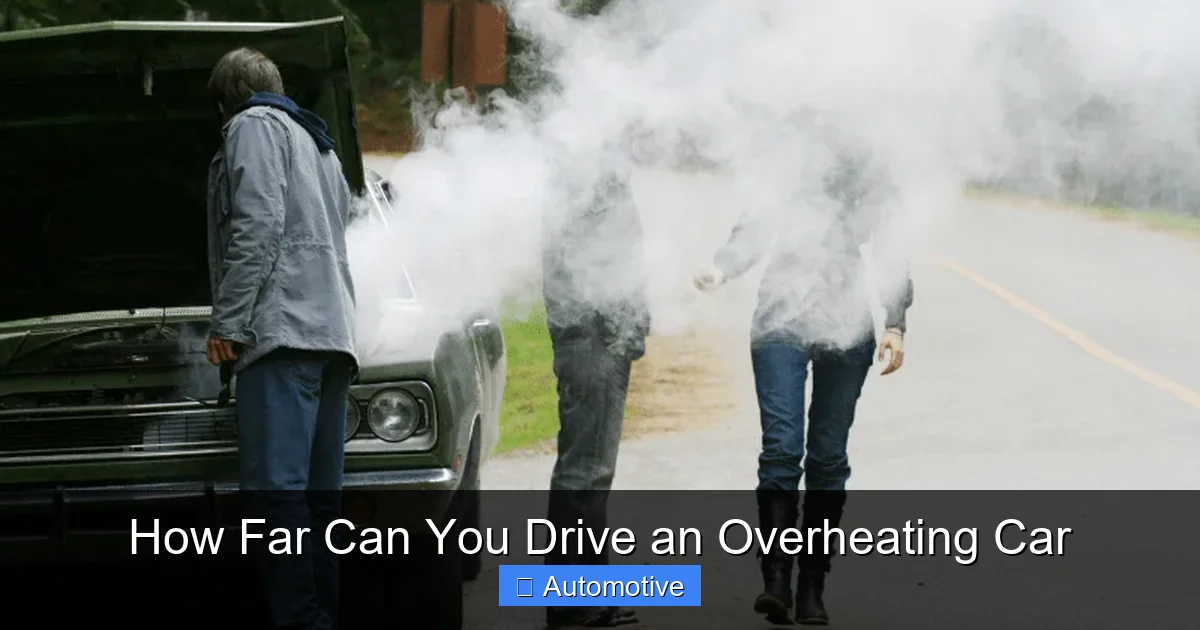
Before we dive into how far you can drive, let’s talk about what’s actually going on under the hood. Your car’s engine operates at high temperatures—typically between 195°F and 220°F (90°C to 104°C). That’s normal. But when the cooling system fails to regulate that heat, things go south fast.
The cooling system—made up of the radiator, water pump, thermostat, coolant, and hoses—works like a thermostat in your home. It keeps the engine from getting too hot or too cold. When something goes wrong, heat builds up uncontrollably. The metal components in the engine, like the cylinder head and engine block, begin to expand. This expansion can warp or crack critical parts.
For example, the cylinder head—the part that sits on top of the engine—can warp when exposed to extreme heat. Once warped, it can’t seal properly, leading to compression loss, oil leaks, or coolant mixing with oil. That’s a recipe for engine failure.
Even worse, if the engine gets hot enough, the coolant can boil and turn into steam. This creates pressure inside the cooling system, which can blow hoses, crack the radiator, or even cause the radiator cap to blow off—sending scalding hot coolant everywhere.
In short, overheating isn’t just a minor inconvenience. It’s a ticking time bomb. And the longer you drive, the bigger the explosion.
Signs Your Car Is Overheating
You might not always see smoke or hear loud noises right away. But your car will give you clues. Here are the most common warning signs:
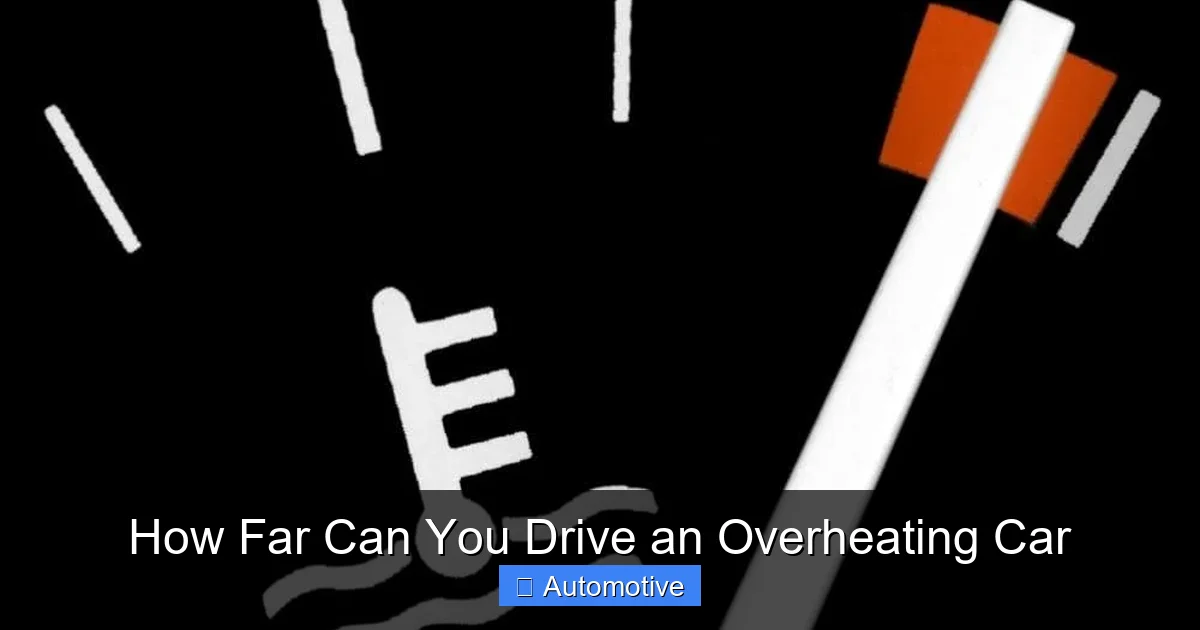
- Temperature gauge in the red zone: This is the most obvious sign. If the needle climbs past the middle and into the red, stop driving.
- Steam or smoke from under the hood: This usually means coolant is boiling and escaping as steam. It’s a serious red flag.
- Sweet smell from the engine bay: Coolant has a distinct sweet odor. If you smell it, you likely have a leak.
- Reduced engine performance or knocking sounds: As parts expand and warp, the engine may lose power or make unusual noises.
- Dashboard warning light: Many modern cars have a dedicated “check engine” or “coolant temperature” light.
If you notice any of these, don’t wait. Pull over as soon as it’s safe.
How Far Is Too Far? The Real Distance Limit
Visual guide about How Far Can You Drive an Overheating Car
Image source: vehiclefreak.com
Now, let’s get to the heart of the question: How far can you drive an overheating car?
The truth is, there’s no magic number. It depends on how severe the overheating is, what’s causing it, and how fast the engine is heating up. But here’s what experts say:
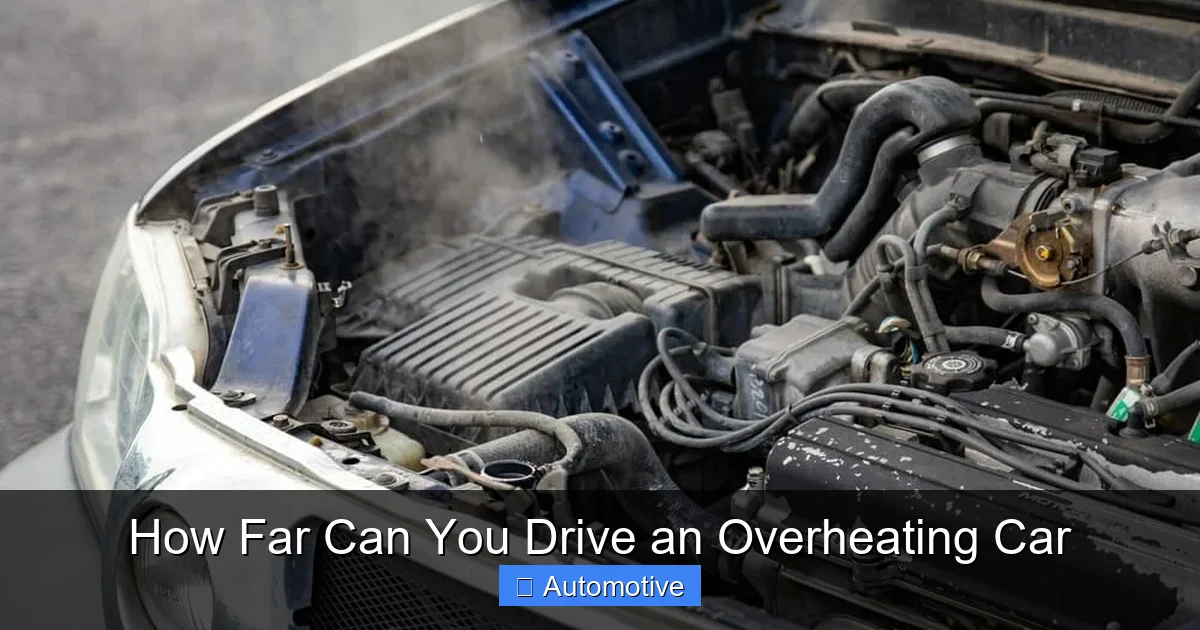
Most mechanics and automotive engineers agree that you should not drive more than 1 to 2 miles with an overheating engine—and even that’s pushing it. In many cases, driving just a few hundred feet can cause irreversible damage.
Think of it this way: your engine is like a pot of water on the stove. If you turn the heat too high, the water boils. If you keep it boiling, the pot can warp, crack, or even melt. Now imagine that pot is made of精密 metal parts worth thousands of dollars. That’s your engine.
Even if your car seems to be running fine for a short distance, the internal damage may already be happening. Metal expands at different rates. Gaskets can fail. Seals can break. And once that happens, no amount of coolant will fix it.
Real-World Example: A Cautionary Tale
Let’s say you’re driving on a rural road, 10 miles from the nearest town. Your temperature gauge starts climbing. You think, “I’ll just make it to the gas station.” So you drive 3 more miles.
By the time you arrive, your engine is smoking. You pop the hood and see coolant dripping everywhere. You top it off, hoping that fixes it. But the next day, your car won’t start. The mechanic tells you the head gasket is blown—likely from the overheating. Repair cost? $2,500.
That’s not an exaggeration. A blown head gasket is one of the most common results of driving an overheating car. And it’s almost always preventable.
Factors That Affect How Far You Can Drive
Not all overheating situations are the same. Here are some factors that determine how much damage you might do:
- Severity of overheating: Is the gauge just slightly above normal, or is it in the red? The hotter it gets, the faster damage occurs.
- Cause of overheating: A small coolant leak might allow you to drive a bit longer than a failed water pump, which can cause rapid overheating.
- Driving conditions: Stop-and-go traffic or climbing hills puts more strain on the engine, increasing heat buildup.
- Engine type: Some engines are more heat-resistant than others, but no engine is immune to damage from prolonged overheating.
- Coolant level: If you have some coolant left, you might buy yourself a few extra minutes—but not miles.
Bottom line: Even if you think you can make it, you probably can’t. And the cost of being wrong is enormous.
What to Do When Your Car Overheats
Visual guide about How Far Can You Drive an Overheating Car
Image source: vehiclefreak.com
So what should you do the moment you notice your car overheating? Here’s a step-by-step guide to protect yourself and your vehicle.
Step 1: Pull Over Safely
As soon as you see the temperature gauge rising or notice steam, find a safe place to pull over. Turn on your hazard lights. Don’t try to “make it to the next exit” or “just get home.” Every second counts.
Step 2: Turn Off the Engine
Once you’re safely stopped, turn off the engine immediately. This stops the heat from building up further. Let the car sit for at least 15–30 minutes to cool down. Never try to open the hood right away—steam and hot coolant can cause serious burns.
Step 3: Check Coolant Level (When Cool)
After the engine has cooled completely, carefully open the hood and check the coolant reservoir. If it’s low, you may have a leak. But don’t add coolant just yet—especially if you suspect a major issue.
Step 4: Use the Heater (In a Pinch)
This might sound counterintuitive, but turning the heater to high can help cool the engine temporarily. The heater core acts like a mini-radiator, pulling heat away from the engine and into the cabin. It’s not a fix, but it can buy you a few minutes in an emergency.
Step 5: Call for Help
Unless you’re certain it’s a minor issue (like a loose hose you can fix), call for roadside assistance or a tow truck. Driving further—even to a nearby mechanic—risks severe damage. Towing costs $100–$200. An engine rebuild can cost $5,000 or more.
Step 6: Diagnose the Problem
Once your car is safely at a repair shop, have a professional diagnose the issue. Common causes include:
- Low coolant level
- Coolant leak (from hoses, radiator, or water pump)
- Faulty thermostat
- Broken water pump
- Clogged radiator
- Blown head gasket
Fixing the root cause is the only way to prevent future overheating.
Common Causes of Overheating
Understanding why your car overheats can help you prevent it. Here are the most common culprits:
Coolant Leaks
Coolant (also called antifreeze) is the lifeblood of your cooling system. If it leaks out, the engine can’t stay cool. Leaks can happen from cracked hoses, a damaged radiator, or a failing water pump seal. Even a small leak can lead to overheating over time.
Faulty Thermostat
The thermostat regulates coolant flow. If it gets stuck closed, coolant can’t circulate, and the engine overheats. If it’s stuck open, the engine may run too cool—but that’s less dangerous.
Radiator Problems
The radiator dissipates heat from the coolant. If it’s clogged with debris, corroded, or damaged, it can’t do its job. A clogged radiator is especially common in older cars or those driven in dusty areas.
Water Pump Failure
The water pump circulates coolant through the engine and radiator. If it fails, coolant stops moving, and heat builds up fast. A failing water pump often makes a whining or grinding noise.
Blown Head Gasket
This is a worst-case scenario. The head gasket seals the cylinder head to the engine block. If it blows—often due to overheating—coolant can mix with oil, or combustion gases can enter the cooling system. Symptoms include white smoke from the exhaust, milky oil, and overheating that won’t go away.
Electric Cooling Fan Issues
Many cars use electric fans to cool the radiator when the car is idling or moving slowly. If the fan doesn’t turn on, the radiator can’t cool the coolant, leading to overheating in traffic.
Can You Drive an Overheating Car Short Distances?
Let’s address a common myth: “I drove my overheating car just a few blocks, and it was fine.”
Yes, it’s possible to drive a short distance without immediate failure—especially if the overheating was mild. But “fine” doesn’t mean “undamaged.” Internal wear and warping can occur without obvious symptoms. You might not notice problems until weeks or months later, when the engine starts misfiring, losing power, or leaking fluids.
Think of it like running a fever. Just because you don’t collapse doesn’t mean your body isn’t under stress. The same goes for your engine.
When Might It Be “Safe” to Drive a Short Distance?
There are rare cases where driving a very short distance—less than a mile—might be acceptable, but only if:
- The overheating is mild (gauge just above normal)
- You’re close to a safe stopping point (like a gas station or your driveway)
- You turn on the heater to help cool the engine
- You drive slowly and avoid high RPMs
- You plan to shut off the engine immediately
Even then, it’s a gamble. And if you’re not 100% sure, don’t risk it.
Preventing Overheating: Tips for Long-Term Care
The best way to handle overheating is to avoid it altogether. Here’s how:
Check Coolant Regularly
Check your coolant level every month. Look in the translucent reservoir when the engine is cold. If it’s low, top it off with the correct type of coolant (check your owner’s manual). Never mix different types.
Inspect Hoses and Belts
Cracked, bulging, or soft hoses can burst under pressure. Worn belts can cause the water pump to fail. Inspect them during oil changes.
Flush the Cooling System
Over time, coolant breaks down and collects debris. Most manufacturers recommend flushing the system every 30,000 to 50,000 miles.
Replace the Thermostat on Schedule
Thermostats typically last 5–10 years. Replace them preventively if your car is older.
Keep the Radiator Clean
Debris like leaves, bugs, and dirt can block airflow. Use a garden hose to gently clean the radiator fins.
Watch for Warning Signs
Don’t ignore minor issues like a slow coolant leak or a temperature gauge that runs slightly high. Fix them early.
Conclusion: When in Doubt, Stop Driving
So, how far can you drive an overheating car? The honest answer is: not far enough to justify the risk. Even a short drive can lead to expensive repairs or total engine failure. Your car is a complex machine, and the cooling system is its lifeline.
If your temperature gauge climbs, pull over. Turn off the engine. Let it cool. And call for help. It’s not worth risking your safety, your wallet, or your vehicle over a few extra miles.
Remember: Prevention is always better than repair. Regular maintenance, coolant checks, and attention to warning signs can keep your engine running cool for years to come. And if you ever find yourself in an overheating situation, trust your instincts—and your dashboard. Your engine will thank you.
Frequently Asked Questions
Can I drive my car if it’s slightly overheating?
It’s not recommended. Even mild overheating can cause internal damage over time. If the temperature gauge is above normal, pull over and investigate. Continuing to drive risks warping engine components.
How long can I drive with the temperature light on?
You should stop driving immediately when the temperature warning light comes on. Driving with the light on—even for a few minutes—can lead to serious engine damage.
Will adding coolant fix an overheating car?
Adding coolant may help if the issue is low fluid, but it won’t fix leaks, pump failures, or blown gaskets. Always diagnose the root cause after topping off coolant.
Can I use water instead of coolant in an emergency?
Yes, in a true emergency, you can use distilled water to temporarily refill the system. But replace it with proper coolant as soon as possible to prevent corrosion and freezing.
Why does my car overheat when idling but not while driving?
This often points to a faulty cooling fan, low coolant, or a clogged radiator. At higher speeds, airflow helps cool the engine, but at idle, the fan must do the work.
Is it safe to open the radiator cap when the engine is hot?
No. Opening a hot radiator cap can release scalding steam and coolant, causing severe burns. Always wait until the engine is completely cool before opening the cap.