How Effective Is Auto Window Tinting for Uv Protection?

Contents
- 1 Key Takeaways
- 2 📑 Table of Contents
- 3 Understanding the Invisible Threat: What is UV Radiation?
- 4 How Does Window Tint Actually Block UV Rays?
- 5 The Effectiveness Breakdown: What Do the Numbers Mean?
- 6 Legal Matters: Navigating Tint Laws with Your BMW
- 7 Choosing the Right Tint for Your BMW: A Practical Guide
- 8 Maintenance and Longevity: Keeping Your Protection Intact
- 9 Beyond Tint: A Holistic UV Protection Strategy for Your BMW
- 10 Frequently Asked Questions

Car Storage Net

Tire Pressure Monitoring System (TPMS)

Car Bumper Protector

Car USB Charger
Auto window tinting is exceptionally effective at blocking ultraviolet (UV) radiation, with high-quality ceramic films stopping up to 99% of UV rays. This protects your skin from sunburn and long-term damage, while also preventing your BMW’s interior—from dashboards to leather seats—from cracking, fading, and deteriorating. The level of protection depends entirely on the film’s quality and type, not its darkness. Always check local laws regarding Visible Light Transmission (VLT) and ensure professional installation for maximum effectiveness and warranty validity.
You’re cruising down the highway in your BMW, the sun is shining, the road is clear, and everything feels perfect. But that beautiful sun is also silently bombarding you and your car’s interior with invisible ultraviolet (UV) radiation. This isn’t just about comfort; it’s about long-term health and preserving one of your most significant investments. The question on every proud BMW owner’s mind is: can a simple layer of film on the glass truly stop this assault? The answer is a resounding yes, but with crucial details that determine just how “effective” your protection really is. Let’s peel back the layers and get into the science and practicalities of auto window tinting for UV protection.
Key Takeaways
- Not All Tint Is Equal: UV protection comes from the film’s materials and layers, not its darkness. Basic dyed films offer minimal UV blocking, while premium ceramic films provide the highest protection (up to 99%).
- Health and Interior Preservation: Effective tinting is a critical barrier against skin cancer risk and prevents costly damage to your BMW’s plastic, vinyl, and leather components.
- Legality Varies by Location: Each state has specific laws on how dark you can tint your windows (VLT percentage). Your BMW’s factory tint must be considered when calculating legal aftermarket tint levels.
- Professional Installation is Non-Negotiable: Improper installation creates bubbles, peeling, and reduces UV blocking effectiveness. A certified installer ensures a perfect, durable finish that maintains the film’s warranty.
- Maintenance Extends Life and Clarity: Use ammonia-free cleaners and soft cloths. Harsh chemicals can degrade the film’s layers and adhesive, compromising its UV-blocking capabilities over time.
📑 Table of Contents
- Understanding the Invisible Threat: What is UV Radiation?
- How Does Window Tint Actually Block UV Rays?
- The Effectiveness Breakdown: What Do the Numbers Mean?
- Legal Matters: Navigating Tint Laws with Your BMW
- Choosing the Right Tint for Your BMW: A Practical Guide
- Maintenance and Longevity: Keeping Your Protection Intact
- Beyond Tint: A Holistic UV Protection Strategy for Your BMW
Understanding the Invisible Threat: What is UV Radiation?
Before we talk about solutions, we need to understand the problem. Ultraviolet radiation from the sun is categorized into two primary types that reach the Earth’s surface: UVA and UVB. Both are harmful, but they work in different ways.
UVA vs. UVB: The Aging and Burning Rays
UVB rays are the primary cause of sunburn. They damage the outermost layers of your skin and are a direct cause of skin cancer. They are most intense during midday summer months. UVA rays, however, are the stealthier assailants. They penetrate deep into the skin’s dermis layer, contributing to long-term skin aging, wrinkles, and also play a significant role in skin cancer. Crucially, UVA rays are present with equal intensity during all daylight hours, year-round, and they can penetrate glass. This means that even on a cloudy day or while driving, you’re being exposed to UVA radiation that standard auto glass does little to block.
For your BMW, the threat is two-fold. The same UV rays that age your skin also break down the molecular bonds in your car’s interior materials. The dashboard, door panels, and especially leather seats are highly susceptible. You’ll see this as fading, drying, cracking, and that crumbly, deteriorated feel. The cost to restore or replace these premium materials is astronomical. UV protection isn’t a luxury; for a BMW, it’s a critical piece of long-term preservation.
How Does Window Tint Actually Block UV Rays?
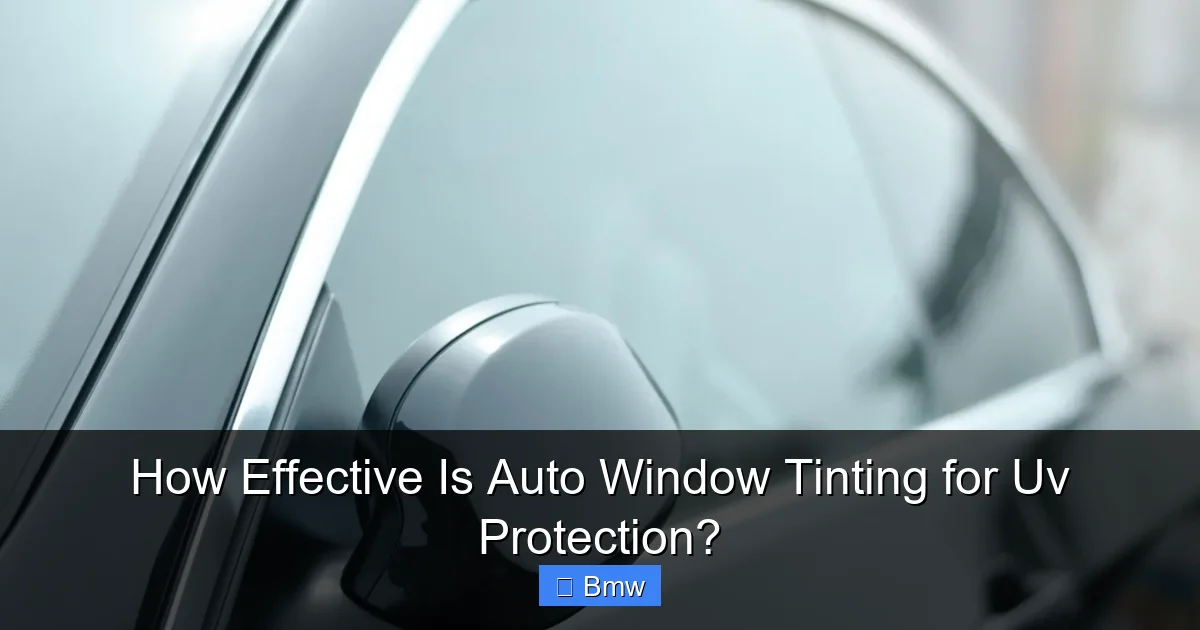
Window tint is a thin film made from multiple layers of polyester and other compounds. Its UV-blocking power isn’t a function of how dark it looks, but of what’s chemically embedded or layered within the film itself.
Visual guide about How Effective Is Auto Window Tinting for Uv Protection?
Image source: orlandotint.com
The Science of Absorption and Rejection
High-performance films, particularly ceramic and some metalized varieties, contain ingredients that absorb UV radiation and convert it into a tiny amount of heat, which is then dissipated. Other films reflect or reject UV rays away from the vehicle. The most advanced films, like those using nano-ceramic technology, excel at absorption without the signal interference issues of older metalized films. The key metric to look for is the film’s UV rejection percentage, which should be clearly stated by the manufacturer. Any reputable film claiming serious UV protection will block 98-99% of UV radiation. The small percentage that gets through is often due to UV light entering through gaps at the window edges or from very low-angle sun exposure.
Film Types and Their UV Protection Capabilities
It’s vital to understand that the “tint” market has different tiers. Basic Dyed Films are the most economical. They primarily block visible light (making the window darker) and offer some heat reduction, but their UV protection is often minimal and degrades quickly as the dyes break down. Metalized Films have a layer of metallic particles that reflect heat and provide good UV blocking, but they can interfere with AM/FM radio, GPS, and cell phone signals—a major inconvenience in a tech-packed BMW. They can also develop a shiny, “chromed-out” look that some find unappealing. Carbon Films use carbon particles to provide excellent heat and UV rejection without signal interference. They are more stable than dyed films and won’t turn purple over time. Ceramic Films are the gold standard. They use non-conductive, non-metallic ceramic nanoparticles to provide the highest levels of UV rejection (up to 99%), superior heat rejection (by reflecting infrared radiation), exceptional clarity, and zero signal interference. They are also the most stable and longest-lasting option.
The Effectiveness Breakdown: What Do the Numbers Mean?
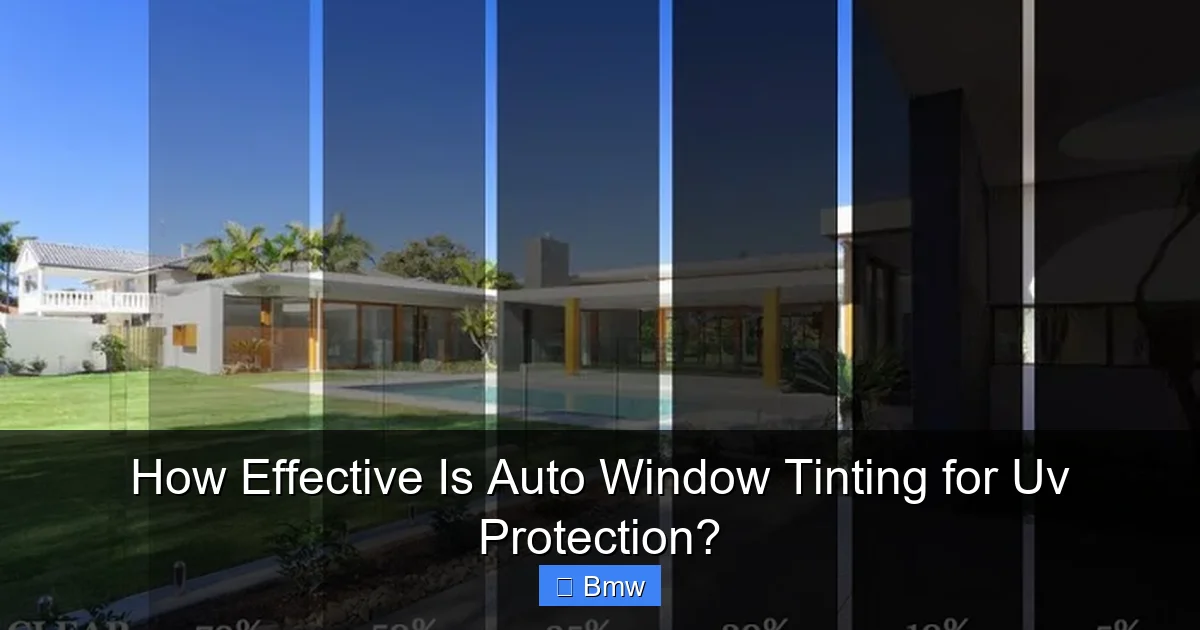
So, we know ceramic is best. But how does that translate to real-world protection? Let’s put it in perspective.
Visual guide about How Effective Is Auto Window Tinting for Uv Protection?
Image source: iag-glass.com
SPF for Your Car: A Sunscreen Analogy
Think of your window tint like sunscreen for your car. A film that blocks 99% of UV rays is essentially providing an SPF rating in the hundreds. Standard auto glass, even the original factory-tinted glass in your BMW, typically only blocks about 25-40% of UV radiation. That’s a massive gap in protection. By installing a high-quality ceramic film, you are upgrading your car’s “SPF” from a weak 15 to a powerful 500+. This means you can drive for hours with the sun on your side with negligible risk of sunburn through the windows, and your skin’s cumulative photo-aging is dramatically reduced. For the interior, it means the polymers and dyes in your dash and seats are shielded from the primary cause of degradation.
Testing and Certification
Reputable manufacturers have their films independently tested by labs like the Skin Cancer Foundation, which has granted its Seal of Recommendation to specific films for their proven UV protection. When shopping for tint, don’t just take the installer’s word; ask for the technical data sheet. It should list the exact percentages of UV-A, UV-B, and total UV rejection. Be wary of any claim that doesn’t specify “total UV rejection.” A film might block 90% of UVB (burning rays) but only 50% of UVA (aging rays), which is misleading. You want the highest total rejection number possible.
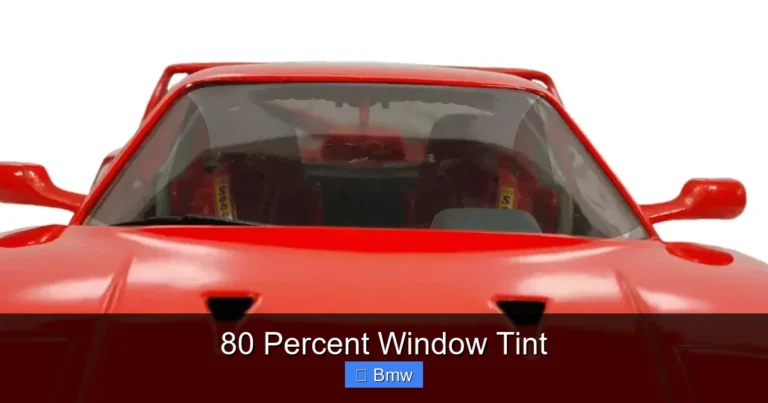
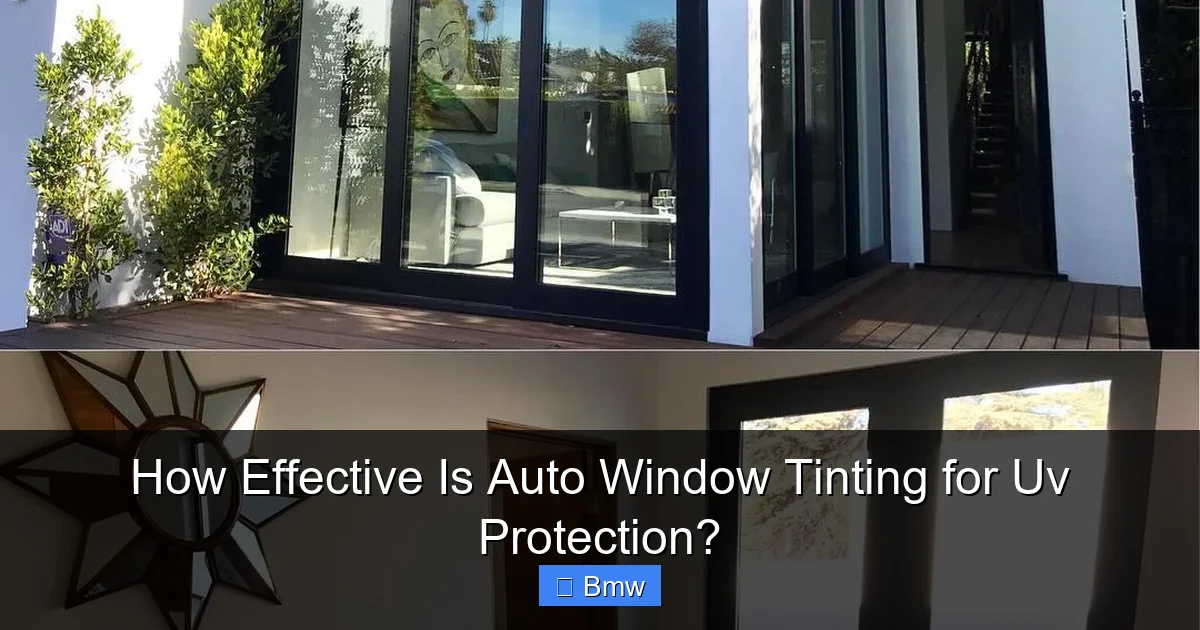
Here’s where things get complicated, and where BMW owners need to be extra careful. Every state and province has its own laws governing the darkness of window tint, measured as Visible Light Transmission (VLT). VLT is the percentage of visible light that can pass through the glass. A 30% VLT film allows 30% of outside light in and is darker than a 70% VLT film. The law typically sets a minimum VLT percentage (e.g., 35% or 70% in some states) for the front windshield and front side windows. Rear side windows and the rear windshield often have more lenient rules.
Visual guide about How Effective Is Auto Window Tinting for Uv Protection?
Image source: tintfit.com
Factory Tint vs. Aftermarket Tint
Many modern BMWs come from the factory with a slight tint on the rear windows (usually around 20-28% VLT). This is legal because it’s factory-installed. If you add aftermarket tint over this factory glass, you must combine the VLT percentages to determine the final, legal level. For example, if your BMW’s factory rear glass is 25% VLT and you add a 20% VLT film, the combined effect is darker than 20% (the math is multiplicative, not additive). You could easily end up with a combined VLT of 15% or lower, which might be illegal in your state if the rear window limit is 20%. A knowledgeable installer should know how to calculate this and recommend a film strength that keeps you within the legal limit. Never assume you can just match the factory tint darkness.
BMW-Specific Considerations
Some BMW models have rain/light sensors and antennas embedded in the windshield. Applying aftermarket film to the windshield can interfere with these systems. While most modern films are non-metallic and won’t block signals, the adhesive layer or application process can sometimes cause issues. Always consult with a specialist who has experience with BMWs. They may recommend a very light, high-ceramic film for the windshield solely for UV protection without darkening it, which is legal in most jurisdictions.
Choosing the Right Tint for Your BMW: A Practical Guide
With the knowledge of film types and laws, how do you make the final choice? It starts with your priorities.
Prioritize UV and Heat Rejection Over Darkness
For a BMW, the primary goals should be maximum UV protection and heat rejection to protect the interior and maintain cabin comfort. Darkness is a secondary aesthetic preference. A high-performance 70% VLT ceramic film will block more UV and heat than a low-grade 30% VLT dyed film. Always choose the highest UV rejection ceramic film you can afford, within the legal VLT limits for your location. For a driver in Arizona or Florida, heat rejection is just as critical as UV blocking.
The Critical Role of Professional Installation
This cannot be overstated. A $200 DIY kit from an online retailer will not perform like a professionally installed, premium film. The tools, environment (dust-free room), and skill required are immense. A bad install leads to bubbles, edges that peel, and contamination trapped under the film. More importantly for UV protection, any gap, bubble, or improper edge seal creates a pathway for UV light to enter and also compromises the film’s structural integrity, causing it to degrade and lose its UV-blocking chemicals faster. Professional installers also handle the tricky geometry of BMW’s complex window curves and the rear window defroster lines perfectly. The warranty from brands like 3M, LLumar, or SunTek is only valid when installed by an authorized dealer. This warranty often includes protection against fading, peeling, and bubbling—signs that the UV protection may be failing.
When getting quotes, ask specifically about the film brand and series, the exact VLT they recommend for your model and state, and what the warranty covers. A good installer will be a consultant, not just a glazer. They might even suggest different VLTs for front vs. rear to balance legal compliance with your desired look and protection level.
Maintenance and Longevity: Keeping Your Protection Intact
Your investment in UV protection is only as good as its maintenance. Once installed, proper care ensures the film remains effective for 10+ years.
The Do’s and Don’ts of Cleaning Tinted Windows
After installation, wait at least a week before cleaning the windows to allow the adhesive to cure fully. When you do clean, use a soft microfiber cloth. Never use paper towels, which can scratch the film’s surface. The cleaner is critical: absolutely avoid ammonia-based window cleaners (like Windex). Ammonia is a solvent that will degrade the film’s layers and adhesive over time, causing it to become brittle, discolored (often turning purple or bubbly), and lose its UV-blocking properties. Use cleaners specifically labeled as safe for tinted windows or a simple solution of water and a drop of baby shampoo. Spray the cleaner on the cloth, not directly on the window, to prevent seeping into the edges. Gently wipe in one direction.
Recognizing Signs of Failure
Over time, a failing film will show signs: bubbles forming between the glass and film, edges starting to lift or peel, discoloration (a purple or brown hue), or a hazy, cloudy appearance. These are not just cosmetic issues; they indicate the film’s structure is breaking down, which means its UV-blocking capability is severely compromised. If you see these signs, it’s time for a replacement. A properly installed, high-quality ceramic film should remain clear and fully functional for the life of the warranty, often 10 years or more.
Beyond Tint: A Holistic UV Protection Strategy for Your BMW
While window tint is your first and most effective line of defense, a comprehensive approach offers the best protection for both you and your vehicle.
When your BMW is parked, the sun’s assault is relentless through the windshield and sunroof. A high-quality, reflective car cover designed for UV protection is an excellent secondary measure. It shields the entire exterior and interior from direct sunlight when the car is stored. For the windshield specifically, a sunshade is a cheap, highly effective tool that blocks UV and keeps cabin temperatures down, reducing stress on your interior and your AC system. Pair a sunshade with your tint for maximum effect when parked.
For personal protection, don’t rely solely on the car’s glass. Apply a broad-spectrum sunscreen with an SPF of 30 or higher to exposed skin on your arms and face, especially during long drives. UV rays at dawn and dusk can come in at sharp angles, hitting your face directly even with tinted windows. Consider wearing UV-protective clothing with a UPF rating for frequent drivers.
Finally, understand the cost of inaction. The price of a professional ceramic tint job is a fraction of the cost to repair or replace a cracked, faded dashboard, or to re-dye sun-bleached headliners. From a health perspective, the cumulative effect of daily UV exposure during commutes is a real concern. Investing in quality auto window tint is an investment in your long-term well-being and the enduring value and beauty of your BMW. It transforms the driving experience from a passive exposure to an active shield of protection. For the ultimate in paint and glass protection, you might also consider paint protection film for your vehicle’s exterior surfaces, creating a complete barrier against the elements.
Frequently Asked Questions
Does the darkness of the tint determine its UV protection?
No. UV protection is determined by the film’s composition and layers, not its visible light transmission (darkness). A very light ceramic film can block 99% of UV rays, while a dark dyed film might block very little. Always check the film’s technical specifications for its UV rejection percentage.
Will window tint affect my BMW’s GPS, radio, or keyless entry signals?
High-quality ceramic and carbon films are non-metallic and will not interfere with electronic signals. Older metalized films can block or weaken signals. Always specify a ceramic film if you have concerns about your BMW’s technology systems.
Can I tint my windshield for UV protection?
Laws vary, but most states prohibit any tint that reduces visible light on the front windshield. However, many allow a clear, UV-blocking ceramic film (often with a VLT of 70% or higher, which is virtually clear) to be applied solely for UV and infrared heat rejection. This is a great option for BMW owners and is legal in many areas.
How long does professional window tinting take on a BMW?
A full, professional installation on a typical BMW sedan or SUV usually takes 2-4 hours. More complex models with many small windows or curved glass may take longer. The process involves meticulous removal of trim, cleaning, precise cutting, application, and squeegeeing to ensure a perfect, bubble-free finish.
What is the typical cost for high-quality ceramic tint on a BMW?
Pricing varies by film brand, vehicle model, and region. For a full set of high-performance ceramic films on a BMW 3 Series, you can expect to pay between $400 and $800. Larger SUVs like the X5 may cost $600-$1,000. This is a significant upgrade over basic tint and includes the valuable manufacturer warranty when installed by an authorized dealer.
Can I remove factory tint from my BMW’s rear windows to make them lighter?
Yes, factory tint is a film applied to the inside of the glass and can be removed by a professional. The process involves carefully peeling the film and then removing any residual adhesive. It’s a delicate job that, if done poorly, can damage the defroster lines or glass. After removal, you can then apply your chosen aftermarket film to achieve your desired VLT level legally.