How Do You Sell a Car

Selling a car doesn’t have to be stressful or confusing. With the right preparation, pricing, and marketing, you can attract serious buyers and close the deal fast—whether you’re selling privately or trading in. This guide walks you through every step to help you sell your car smoothly and get the best value.
Thinking about selling your car? You’re not alone. Whether you’re upgrading to a newer model, downsizing, or just ready for a change, selling a car is a big decision—and one that can feel overwhelming if you’ve never done it before. But here’s the good news: with a little planning and the right approach, you can sell your car quickly, safely, and for a fair price.
The process doesn’t have to be complicated. In fact, many people successfully sell their cars every day without any hassle. The key is knowing what steps to take, when to take them, and how to present your vehicle in the best possible light. From cleaning the interior to negotiating with buyers, every detail matters. And while it might seem like a lot, breaking it down into manageable steps makes it much easier.
In this guide, we’ll walk you through the entire process of how to sell a car—from deciding whether to sell privately or trade in, to finalizing the sale and transferring ownership. Whether you’ve got a used sedan, a rugged SUV, or a well-loved pickup truck, these tips will help you get the most value out of your vehicle. So grab a notebook, roll up your sleeves, and let’s get started.
In This Article
- 1 Key Takeaways
- 2 📑 Table of Contents
- 3 Step 1: Decide How You Want to Sell Your Car
- 4 Step 2: Determine the Right Price for Your Car
- 5 Step 3: Prepare Your Car for Sale
- 6 Step 4: Create a Compelling Listing
- 7 Step 5: Handle Inquiries and Test Drives Safely
- 8 Step 6: Finalize the Sale and Transfer Ownership
- 9 Step 7: Avoid Common Mistakes
- 10 Conclusion
- 11 Frequently Asked Questions
Key Takeaways
- Know your car’s value: Use tools like Kelley Blue Book or Edmunds to price your vehicle competitively based on condition, mileage, and market demand.
- Clean and detail your car: A spotless interior and exterior can significantly boost buyer interest and justify a higher asking price.
- Choose the right selling method: Decide between private sale, dealership trade-in, or online car-buying services based on speed, convenience, and profit.
- Write a compelling ad: Highlight key features, recent maintenance, and include high-quality photos from multiple angles to attract buyers.
- Be prepared for negotiations: Set a firm minimum price and stay calm during haggling—know when to walk away.
- Complete all paperwork correctly: Transfer the title, sign a bill of sale, and notify your state’s DMV to avoid future liability.
- Ensure a safe transaction: Meet in public places, accept secure payment methods, and never hand over the keys until payment clears.
📑 Table of Contents
Step 1: Decide How You Want to Sell Your Car
Before you do anything else, you need to choose the best method for selling your car. There are three main options: selling privately, trading in at a dealership, or using an online car-buying service. Each has its pros and cons, and the right choice depends on your priorities—whether that’s getting the most money, saving time, or avoiding hassle.
Selling Privately
Selling your car privately typically gives you the highest return. Since you’re cutting out the middleman, you can set your own price and negotiate directly with buyers. This method works especially well if your car is in good condition, has low mileage, or is a popular model. However, it does require more effort: you’ll need to create ads, respond to inquiries, schedule test drives, and handle the paperwork yourself.
For example, if you’re selling a 2018 Honda Civic with 40,000 miles and a clean title, a private sale could net you $2,000–$3,000 more than a trade-in. But be prepared to spend time fielding calls, showing the car, and possibly dealing with lowball offers.
Trading In at a Dealership
Trading in your car at a dealership is the easiest option. You drive in, get an appraisal, and apply the value toward a new vehicle purchase. It’s convenient, especially if you’re buying another car at the same time. However, dealerships need to make a profit, so they’ll usually offer less than what you’d get in a private sale.
Still, the trade-in value can be helpful if you’re upgrading. Some states also allow you to apply the trade-in value toward the sales tax on your new car, which can save you hundreds. Just remember: the trade-in offer is often negotiable, so don’t accept the first number they give you.
Using Online Car-Buying Services
Companies like CarMax, Carvana, Vroom, and Shift offer a middle ground between private sales and trade-ins. You enter your car’s details online, get an instant offer, and can often complete the sale in a day or two. These services are fast and convenient, and they handle all the paperwork.
The downside? Their offers are usually lower than what you’d get privately, though higher than a typical trade-in. For instance, CarMax might offer $15,000 for your 2017 Toyota Camry, while a private buyer could pay $16,500. But if you value speed and simplicity, it might be worth the trade-off.
Step 2: Determine the Right Price for Your Car

Visual guide about How Do You Sell a Car
Image source: img.autotrader.co.za
Pricing your car correctly is one of the most important steps in the selling process. Set it too high, and you’ll scare off buyers. Set it too low, and you’ll lose money. The goal is to find the sweet spot where your car is competitively priced but still reflects its true value.
Research Market Value
Start by researching what similar cars are selling for in your area. Use trusted pricing tools like Kelley Blue Book (KBB), Edmunds, or NADA Guides. Enter your car’s make, model, year, mileage, condition, and features to get a fair market range.
For example, a 2019 Ford F-150 with 60,000 miles in “good” condition might be valued between $28,000 and $32,000. But if it has upgraded wheels, a towing package, or low mileage, it could be worth more. Always check local listings on sites like Craigslist, Facebook Marketplace, or Autotrader to see what real buyers are paying.
Adjust for Condition and Extras
Your car’s condition plays a huge role in its value. A vehicle with a clean interior, no dents, and a well-maintained engine will command a higher price than one with stains, scratches, or mechanical issues. Be honest about your car’s condition when pricing it.
Also, consider any upgrades or extras. New tires, a premium sound system, or a recent transmission repair can add value. But don’t overestimate—buyers may not pay full price for aftermarket parts.
Set a Competitive Asking Price
Once you’ve done your research, set your asking price slightly above the lower end of the range. This gives you room to negotiate while still attracting serious buyers. For instance, if similar cars are selling for $25,000–$27,000, list yours at $26,500.
Avoid pricing your car too high just because you “feel” it’s worth more. Buyers are smart—they’ll compare prices and move on if yours seems inflated. A well-priced car sells faster and with less back-and-forth.
Step 3: Prepare Your Car for Sale

Visual guide about How Do You Sell a Car
Image source: i.ytimg.com
First impressions matter—especially when selling a car. A clean, well-maintained vehicle looks more valuable and trustworthy to buyers. Taking the time to prep your car can make a big difference in how quickly it sells and how much you get for it.
Clean the Interior and Exterior
Start with a thorough wash and wax. Remove any dirt, bird droppings, or tree sap from the paint. Clean the wheels and tires, and consider using a tire shine for a polished look.
Inside, vacuum the carpets and seats, wipe down all surfaces, and remove personal items like old receipts, air fresheners, or loose change. If there are stains, treat them with a fabric cleaner. For odors, use an odor eliminator—don’t just mask them with air freshener.
Don’t forget the small details: clean the dashboard, wipe the touchscreen, and organize the glove compartment. A tidy interior shows that you’ve taken care of the car.
Address Minor Repairs and Maintenance
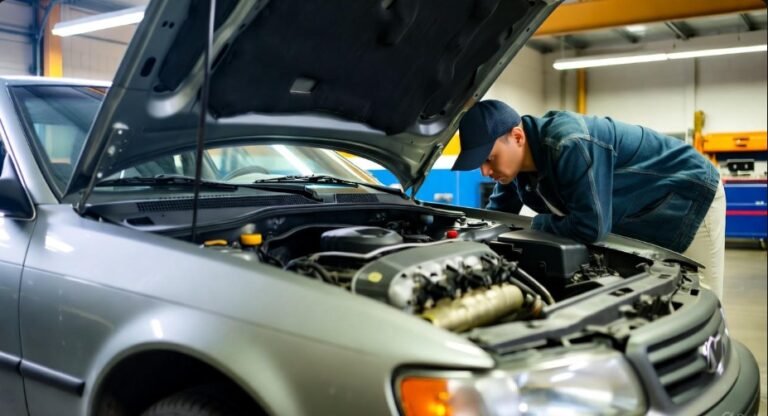
Fixing small issues can boost your car’s appeal and value. Replace burnt-out bulbs, fix cracked windshield wipers, and top off fluids. If the check engine light is on, get it diagnosed—buyers will want to know what’s wrong.
Consider doing a pre-sale inspection. A mechanic can spot potential problems and give you a report to show buyers. This builds trust and can justify a higher price.
For example, replacing a $20 air filter or fixing a $50 door handle might cost you now, but it could add $200–$500 to your sale price by making the car seem more reliable.
Gather Documentation
Buyers will want to see proof that your car has been well-maintained. Gather all service records, receipts for repairs, and the owner’s manual. If you’ve kept a log of oil changes, tire rotations, or brake work, include that too.
Also, make sure you have the car’s title, registration, and any warranty information. If your car is still under warranty, highlight that in your ad—it’s a big selling point.
Step 4: Create a Compelling Listing

Visual guide about How Do You Sell a Car
Image source: i.pinimg.com
Your listing is your car’s first impression online. A well-written ad with great photos can attract more buyers and lead to faster offers. Think of it as your car’s resume—it should highlight the best features and answer common questions upfront.
Write a Clear and Honest Description
Start with a strong headline that includes the year, make, model, and key selling points. For example: “2018 Honda Accord EX-L – Low Miles, One Owner, Excellent Condition.”
In the description, be honest and detailed. Mention the mileage, condition, any accidents (even minor ones), and recent repairs. Highlight features like leather seats, sunroof, backup camera, or Apple CarPlay.
Avoid exaggerations like “perfect condition” if there are scratches or dings. Buyers appreciate transparency, and it builds trust.
Take High-Quality Photos
Photos are crucial. Most buyers decide whether to contact you based on the pictures. Take photos in good lighting, preferably during the day and outdoors.
Capture the exterior from multiple angles: front, back, sides, and close-ups of the wheels and trim. Show the interior, including the dashboard, seats, trunk, and back seat. If there are any flaws, photograph them too—this prevents surprises later.
Aim for at least 10–15 photos. Use a smartphone with a good camera, and avoid filters or heavy editing. Natural light and a clean background work best.
Choose the Right Platforms
List your car on popular websites like Craigslist, Facebook Marketplace, Autotrader, or Cars.com. Each platform has its audience:
– Craigslist: Great for local buyers, but be cautious of scams.
– Facebook Marketplace: Easy to use and widely viewed, with built-in messaging.
– Autotrader and Cars.com: More serious buyers, but may charge listing fees.
You can also post on local community boards or car enthusiast forums if your vehicle is a niche model.
Step 5: Handle Inquiries and Test Drives Safely
Once your ad goes live, you’ll start getting messages. Respond promptly and professionally. Be ready to answer questions about mileage, condition, and price.
Screen Potential Buyers
Not every inquiry is from a serious buyer. Some may be scammers or tire-kickers. Ask questions like, “Are you ready to buy this week?” or “Do you have financing arranged?” to gauge their seriousness.
Avoid sharing personal information like your home address or phone number too early. Use email or messaging apps until you’re ready to meet.
Schedule Safe Test Drives
When a buyer wants to test drive, meet in a public place like a parking lot or shopping center. Bring a friend or family member for safety, and never let the buyer drive alone.
Ask to see their driver’s license and verify it matches their ID. Consider riding along during the test drive to answer questions and ensure the car is handled responsibly.
Be Prepared to Negotiate
Most buyers will try to negotiate. Know your bottom line—the lowest price you’re willing to accept—and stick to it. If an offer is too low, politely decline and explain why your price is fair.
For example, you might say, “I appreciate the offer, but I’ve priced the car based on its condition and recent maintenance. I’m firm at $25,500.”
Stay calm and respectful. Negotiation is normal, and walking away from a bad deal is better than accepting a lowball offer.
Step 6: Finalize the Sale and Transfer Ownership
Once you’ve agreed on a price, it’s time to close the deal. This step involves payment, paperwork, and transferring ownership—so it’s important to do it correctly to avoid legal or financial issues.
Accept Secure Payment
Never accept cash for large amounts—it’s risky and hard to trace. Use a cashier’s check, bank wire transfer, or cash app with buyer verification. If using a check, wait for it to clear before handing over the keys.
Avoid personal checks or money orders from unknown sources. Scammers often use fake checks that bounce after you’ve given them the car.
Complete the Paperwork
You’ll need to sign over the title to the buyer. Make sure all information is correct, including the sale price and date. Some states require a notarized signature, so check your local DMV requirements.
Provide a bill of sale, which is a legal document confirming the transaction. You can find free templates online. Include both parties’ names, addresses, VIN, sale price, and date.
Notify the DMV
After the sale, notify your state’s Department of Motor Vehicles (DMV) that you’ve sold the car. This protects you from liability if the buyer gets a ticket or is involved in an accident.
In most states, you can file a release of liability form online or by mail. Keep a copy for your records.
Also, cancel your insurance policy once the car is no longer in your possession. You don’t want to pay for coverage on a vehicle you don’t own.
Step 7: Avoid Common Mistakes
Even with the best preparation, mistakes can happen. Here are a few common pitfalls to avoid when selling your car:
Overpricing or Underpricing
Setting the wrong price is a frequent error. Overpricing leads to long listing times and frustrated buyers. Underpricing means you lose money. Always base your price on research, not emotion.
Skipping the Cleaning
A dirty car turns buyers away. Even if your car runs great, a messy interior or greasy engine bay suggests neglect. A $50 detailing job can pay for itself in a higher sale price.
Ignoring Safety During Meetups
Meet in well-lit, public areas. Avoid showing your car at night or in isolated locations. Trust your instincts—if something feels off, reschedule or cancel.
Forgetting to Remove Personal Items
Before handing over the keys, check the glove box, trunk, and under the seats for personal belongings. You don’t want to leave behind important documents or valuables.
Not Getting Everything in Writing
Verbal agreements aren’t enough. Always use a bill of sale and signed title transfer. This protects both you and the buyer.
Conclusion
Selling a car might seem like a daunting task, but it doesn’t have to be. By following these steps—choosing the right selling method, pricing accurately, preparing your vehicle, creating a strong listing, handling inquiries safely, and completing the paperwork correctly—you can sell your car with confidence and get a fair price.
Remember, the key to a successful sale is preparation and honesty. A clean, well-maintained car with transparent documentation attracts serious buyers and reduces negotiation stress. Whether you’re selling privately or using a service, taking the time to do it right pays off in the end.
So take a deep breath, follow this guide, and get ready to hand over the keys to your next chapter. Your car deserves a great new home—and you deserve the best value for it.
Frequently Asked Questions
How long does it take to sell a car privately?
It typically takes 2 to 6 weeks to sell a car privately, depending on the price, condition, and market demand. Well-priced, popular models in good condition often sell faster.
Should I trade in my car or sell it privately?
Selling privately usually gets you more money, but trading in is faster and more convenient. Choose based on your priorities: profit vs. ease.
What documents do I need to sell my car?
You’ll need the car’s title, registration, bill of sale, and any service records. Some states also require a release of liability form.
Can I sell my car if I still owe money on it?
Yes, but you’ll need to pay off the loan first or arrange for the buyer to assume it. Contact your lender to understand the process.
How do I avoid scams when selling my car?
Meet in public, avoid wire transfers or gift cards, and never ship your car. Use secure payment methods and verify the buyer’s identity.
Do I need to fix my car before selling it?
Minor repairs can increase value and speed up the sale. Focus on safety issues, cosmetic flaws, and maintenance items that affect buyer confidence.