How Do You Reset the Tire Light on a 2015 Toyota Corolla?

Contents
- 1 Key Takeaways
- 2 📑 Table of Contents
- 3 Understanding Your Corolla’s Tire Pressure Monitoring System (TPMS)
- 4 Before You Reset: Essential Checks and Safety Precautions
- 5 Step-by-Step: Manual Reset Procedure for 2015 Toyota Corolla
- 6 Alternative Method: Using a Scan Tool for TPMS Reset
- 7 Troubleshooting: What If the Tire Light Won’t Reset?
- 8 Proactive Maintenance to Avoid Future TPMS Alerts
- 9 Conclusion: A Simple Fix for a Safe Drive
- 10 Frequently Asked Questions



Resetting the tire pressure light on a 2015 Toyota Corolla is a simple process once you’ve corrected the tire pressure. First, ensure all tires are inflated to the manufacturer’s recommended PSI found on the driver’s door jamb sticker. Then, use the dedicated TPMS button located under the dashboard to initiate the reset sequence. If the light persists, a faulty sensor or underlying issue may require a professional scan tool or mechanic.Never ignore the warning; driving on significantly under or over-inflated tires is dangerous and damages your vehicle.
That little yellow tire pressure warning light, often shaped like a cross-section of a tire with an exclamation point, has suddenly illuminated on your 2015 Toyota Corolla’s dashboard. Your heart might sink a little. It’s an unwelcome interruption, a nagging signal that something needs your attention. But here’s the good news: this is one of the most common and easily addressed dashboard warnings. Resetting the tire light on a 2015 Toyota Corolla is a simple, do-it-yourself task that takes less than five minutes—once you understand the system and have corrected the underlying issue. This guide will walk you through every step, from understanding why the light came on to executing a perfect reset, ensuring you can confidently get back on the road safely.
Key Takeaways
- TPMS is a Safety System: The Tire Pressure Monitoring System (TPMS) warning light is a critical safety feature, not just an inconvenience. It alerts you to tire pressure deviations that affect handling, fuel economy, and tire wear.
- Reset Only After Correction: You must physically adjust the tire pressure to the correct PSI (found on the door jamb sticker) before attempting the reset. Resetting without correction will cause the light to return.
- Manual Reset is Standard: The 2015 Corolla features a straightforward manual reset procedure using the TPMS button, requiring no special tools beyond a tire pressure gauge.
- Scan Tool for Complex Issues: If the manual reset fails, a malfunctioning TPMS sensor or a system fault may be the cause, necessitating an OBD2 scan tool to diagnose and clear the code.
- Seasonal Changes Trigger Alerts: Ambient temperature drops of 10°F or more can cause a legitimate pressure drop, triggering the light. Always check pressures when seasons change.
- Sensor Batteries Deplete: TPMS sensor batteries last approximately 7-10 years. A dead battery will cause a constant light that cannot be reset until the sensor is replaced.
📑 Table of Contents
- Understanding Your Corolla’s Tire Pressure Monitoring System (TPMS)
- Before You Reset: Essential Checks and Safety Precautions
- Step-by-Step: Manual Reset Procedure for 2015 Toyota Corolla
- Alternative Method: Using a Scan Tool for TPMS Reset
- Troubleshooting: What If the Tire Light Won’t Reset?
- Proactive Maintenance to Avoid Future TPMS Alerts
- Conclusion: A Simple Fix for a Safe Drive
Understanding Your Corolla’s Tire Pressure Monitoring System (TPMS)
Before we dive into the “how,” it’s crucial to understand the “why.” Your 2015 Corolla is equipped with a direct TPMS. This means each wheel has a small electronic sensor mounted inside the valve stem. These sensors constantly monitor the air pressure and temperature within each tire. When the pressure in any tire drops 25% or more below the recommended level, or if a sensor fails, the system triggers the warning light on your dashboard. It’s a federally mandated safety system designed to prevent blowouts, poor handling, and increased tire wear.
How TPMS Works in Your 2015 Corolla
The sensors transmit a unique radio frequency (RF) signal to the vehicle’s TPMS control module. This module decodes the signals and compares the pressure readings from all four wheels. If one tire’s pressure is outside the acceptable range, the module illuminates the warning light. The system does not tell you which tire is low; it only indicates a system fault. You must manually check all four tires (and the spare, if equipped with a sensor) with a quality gauge to find the culprit.
Why It Matters: Beyond the Annoying Light
Proper tire pressure is fundamental to your Corolla’s performance. Under-inflated tires create more rolling resistance, which lowers your fuel economy. They also generate excessive heat, leading to premature tire failure and uneven tread wear. Over-inflated tires reduce the contact patch with the road, harming traction and braking distance. The TPMS light is your car’s way of saying, “Hey, check this—it’s affecting your safety and your wallet!” Ignoring it is never the right move.
Before You Reset: Essential Checks and Safety Precautions
This is the most critical phase. You cannot successfully reset the light without first addressing the cause. Rushing to the reset button without checking your tires is like turning off a smoke alarm while a fire is still burning—it’s ineffective and dangerous.
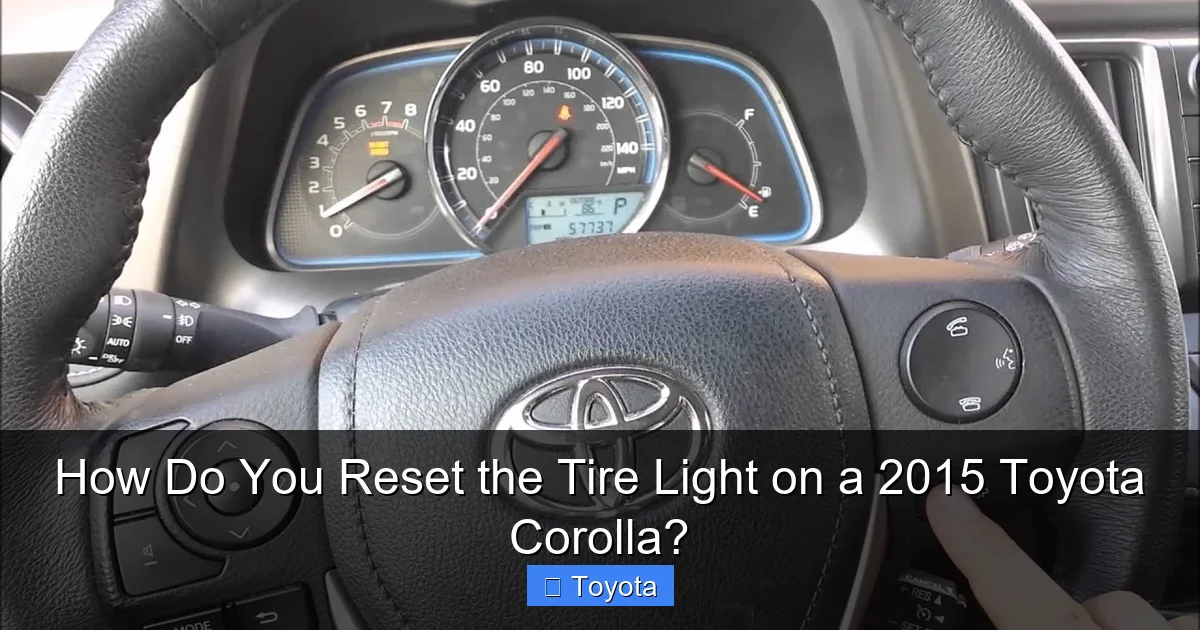
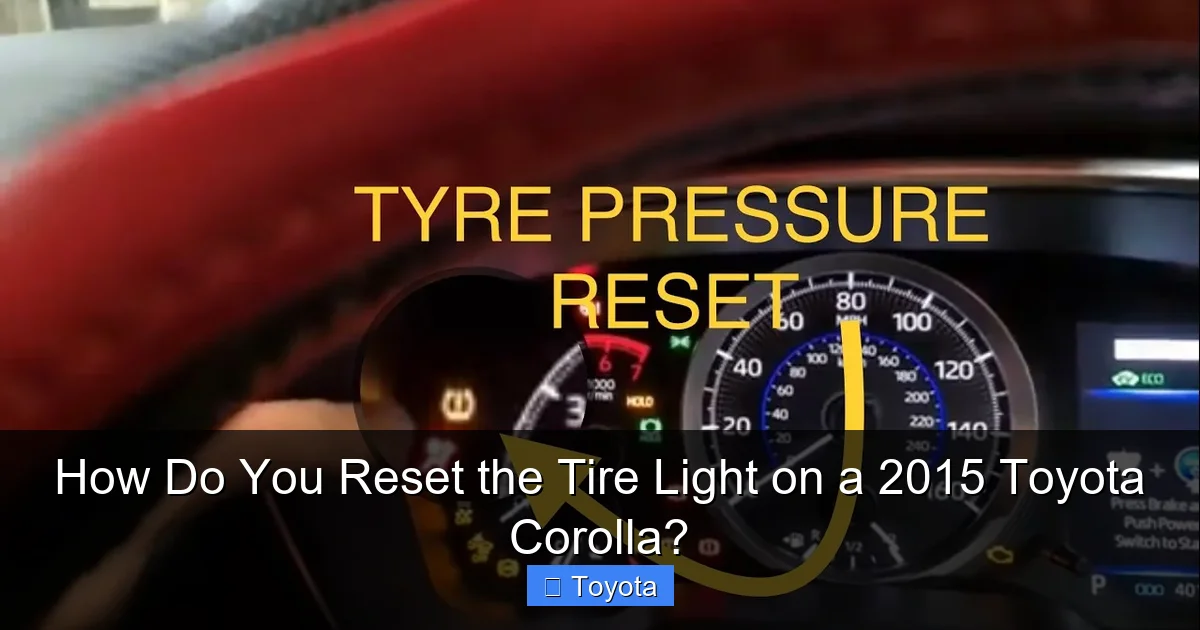
Visual guide about How Do You Reset the Tire Light on a 2015 Toyota Corolla?
Image source: i.ytimg.com
Step 1: Find Your Correct Pressure
Do not use the number on the tire sidewall! That is the maximum pressure the tire can hold. The correct pressure for your specific Corolla is on a sticker located on the driver’s side door jamb, the fuel filler door, or in the owner’s manual. It will list pressures for the front and rear tires, typically between 30-35 PSI for a stock Corolla. Write this number down.
Step 2: Check and Adjust All Tires (Including the Spare)
Use a reliable digital or dial tire pressure gauge. Check pressures when tires are “cold,” meaning the car has been parked for at least three hours or driven less than a mile. Cold readings are accurate; driving heats the tires and air inside, giving a false high reading. Adjust each tire to the exact PSI specified on your door jamb sticker. Don’t forget the spare tire if it has a TPMS sensor (many full-size spares do). Inflating or deflating a tire to the correct pressure is the only way to make the reset stick.
Step 3: Inspect for Damage
While you’re checking pressures, give each tire a visual inspection. Look for nails, screws, sidewall bulges, or significant tread damage. A slow leak from a puncture will cause the light to return quickly after a reset. If you find damage, have the tire repaired or replaced before resetting the system. A sensor itself can also be damaged by road debris or a major impact, like hitting a deep pothole.
Step-by-Step: Manual Reset Procedure for 2015 Toyota Corolla
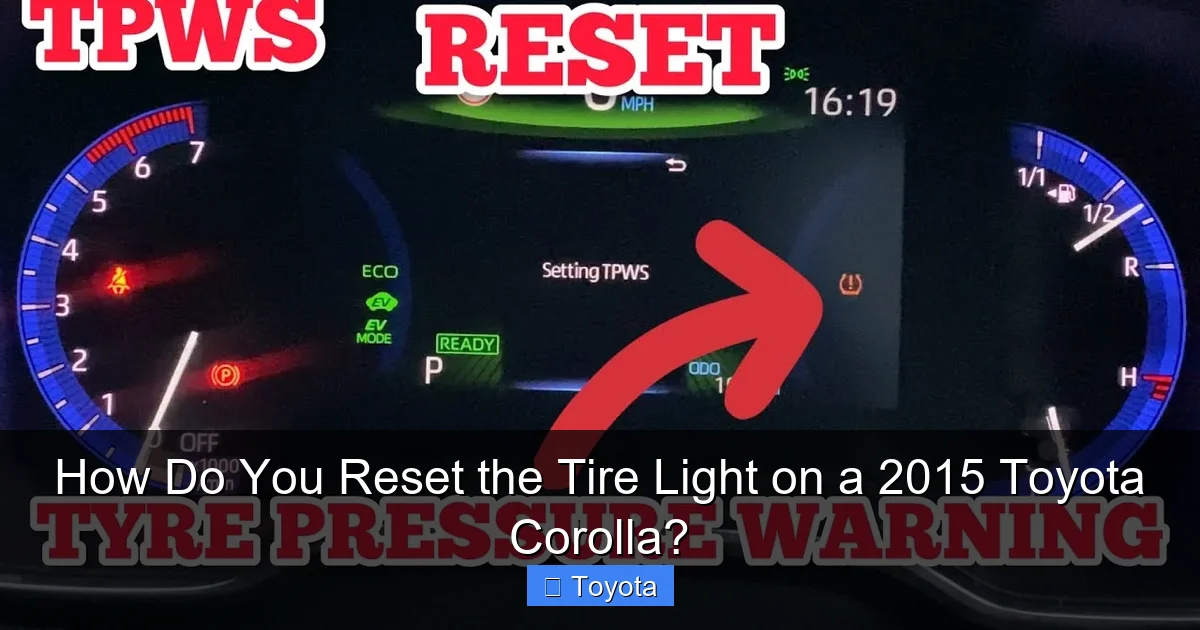
Once all tires are at the correct, cold pressure, you’re ready to reset the system. The 2015 Corolla has a dedicated, easy-to-find button for this purpose. No key needs to be in the “on” position for the initial steps, but you will need it for the final confirmation.
Visual guide about How Do You Reset the Tire Light on a 2015 Toyota Corolla?
Image source: i.ytimg.com
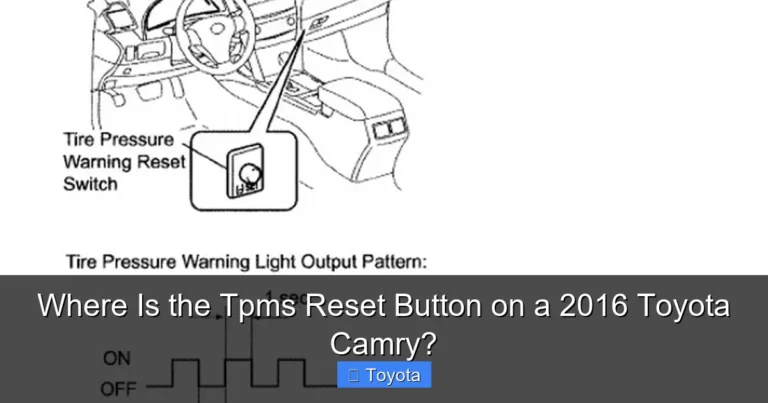
Locating the TPMS Reset Button
The button is almost always located under the dashboard, to the left of the steering wheel, near the knee bolster. It’s a small, unmarked button, often black or dark gray. You may need to crouch down or use a flashlight to see it clearly. On some models, it might have a small “TPMS” label next to it. It is not the OBD2 port, which is under the dashboard on the driver’s side but is a larger, rectangular connector.
Executing the Reset Sequence
Follow these steps precisely:
- Turn the Ignition On: Insert your key and turn it to the “ON” or “ACC” position (the position right before starting the engine). Do not start the engine. All dashboard lights, including the TPMS light, should be illuminated.
- Press and Hold the TPMS Button: Firmly press and hold the TPMS reset button. You should feel a definite click. Continue holding it.
- Watch the TPMS Light: After holding the button for about 2-3 seconds, the TPMS warning light on the dashboard will begin to blink slowly. It will blink three times, then go out. This indicates the system has been reset and is now in learning mode.
- Release the Button: Once the light blinks three times and turns off, release the reset button.
- Drive the Vehicle: Start the engine and drive the car at a speed above 50 mph (80 km/h) for at least 10-15 minutes. The sensors need this driving time to “wake up,” transmit their signals, and be recognized by the control module. During this drive, the TPMS light may come back on briefly. This is normal as the system verifies all sensors. It should extinguish permanently after the drive cycle is complete.
If the light comes back on solidly after a day or two of driving, the reset was not successful. This points to a persistent low pressure (re-check your work!), a faulty sensor, or a system fault that needs a scan tool.
Alternative Method: Using a Scan Tool for TPMS Reset
The manual button method is the standard for a 2015 Corolla. However, if the light won’t reset using the button, or if you’ve replaced a sensor or the battery in one, you often need a scan tool. This is a more advanced method that communicates directly with the car’s computer.
Visual guide about How Do You Reset the Tire Light on a 2015 Toyota Corolla?
Image source: i.ytimg.com
When a Scan Tool is Necessary
You’ll need an OBD2 scan tool that has TPMS functionality (not all basic code readers do). This is typically required in these scenarios:
- The manual reset button procedure fails after multiple attempts and confirmed correct tire pressures.
- A TPMS sensor has been replaced. The new sensor must be “learned” by the vehicle’s computer.
- The TPMS control module itself has stored a fault code that needs to be cleared.
- You are dealing with a “soft” fault that requires re-initialization.
Basic Scan Tool Reset Process
Using a professional-grade or advanced DIY scan tool (like those from Autel, Launch, or higher-end BlueDriver models):
- Connect the Tool: Plug the OBD2 scanner into the port under your dashboard (driver’s side). Turn the ignition to the “ON” position.
- Select TPMS Service: Navigate the scanner’s menu to the “TPMS” or “Tire Pressure” section. Look for options like “Relearn,” “Reset,” or “Initialize.”
- Follow On-Screen Prompts: The tool will guide you. It may ask you to activate each sensor individually (often by letting air out of the tire until the horn beeps) or perform a global reset. For a 2015 Corolla, it’s often a simple “Reset All” or “Initialize” command.
- Confirm and Drive: Once the scan tool confirms the reset is complete, turn the ignition off and on again to see if the light is extinguished. Drive the vehicle as described in the manual method to allow sensor communication.
For most owners, the manual button method is sufficient. Investing in a TPMS-capable scan tool is only worthwhile if you plan to do your own sensor replacements or work on multiple vehicles. Otherwise, a tire shop or dealer can perform this service quickly and inexpensively.
Troubleshooting: What If the Tire Light Won’t Reset?
You’ve followed all the steps: pressures are perfect, you held the button until the light blinked, you drove the car. But that stubborn light is still on. Don’t panic. This is a diagnostic clue. Here’s a systematic approach to figure out why.
Common Reasons for a Persistent TPMS Light
- Uncorrected Pressure: Double-check every single tire, including the spare, with your gauge. A difference of even 1-2 PSI from the target can keep the light on. Re-check pressures when tires are cold.
- Faulty TPMS Sensor: Sensors have internal batteries that last 7-10 years. Your 2015 Corolla’s sensors are now 9 years old. A dead battery will cause a constant light. Sensors can also be physically damaged. A scan tool will identify a “sensor not responding” code.
- Damaged Valve Stem: The sensor is mounted on the valve stem. If the stem is bent, cracked, or leaking air, the sensor can’t function.
- Extreme Temperature Change: A rapid, significant drop in outside temperature (e.g., from 70°F to 30°F) can lower pressure enough to trigger the light. After adjusting pressures, the light may need a drive cycle to clear.
- System Malfunction: Rarely, the TPMS control module itself can fail.
When to Seek Professional Help
If you’ve verified perfect, cold pressures and the manual reset failed, it’s time to call in the pros. A reputable tire shop or your Toyota dealer will:
- Use a advanced scan tool to read TPMS-specific fault codes.
- Test each sensor’s signal and battery life.
- Perform a “sensor activation” test to confirm communication.
- Diagnose if the issue is a bad sensor, a damaged valve stem, or a deeper electrical problem.
- Replace faulty sensors and reprogram the new ones to the vehicle’s computer.
Sensor replacement costs vary but typically range from $80-$150 per wheel for parts and labor. While it’s an expense, it’s a critical safety component. For other dashboard warnings, like the battery or check engine light, the diagnostic process can be more complex, as detailed in guides for resetting the battery light or resetting the check engine light on a Corolla.
Proactive Maintenance to Avoid Future TPMS Alerts
The best reset is the one you never have to do. By incorporating simple tire care into your routine, you can minimize TPMS activations and extend the life of your sensors.
Make Pressure Checks a Habit
Check your tire pressures at least once a month and before any long trips. Use your own gauge for accuracy. Gas station gauges are notoriously unreliable. This monthly check is the single most effective way to catch a slow leak early and maintain optimal performance. Remember, the recommended pressure on your door jamb is for the cold tire.
Understand Seasonal Effects
Air is a gas; it expands when hot and contracts when cold. A 10°F drop in temperature can reduce tire pressure by about 1 PSI. This is normal and expected. In the fall and winter, you will likely need to add a few PSI to your tires to compensate. Proactively adjusting for the season prevents the TPMS light from coming on unnecessarily.
TPMS Sensor Care During Service
Whenever you have tires rotated, replaced, or repaired, remind the technician that your car has TPMS sensors. They must be handled carefully. When a tire is removed, the sensor on the valve stem can be easily damaged. For tire rotations on a Corolla, the standard procedure is to relearn the sensor positions after rotation, as the system may need to know which sensor is now on which wheel. This is a perfect time to have the sensor batteries checked with a scan tool.
Conclusion: A Simple Fix for a Safe Drive
Resetting the tire pressure light on your 2015 Toyota Corolla is a empowering DIY skill. It reinforces the vital habit of regular tire maintenance and saves you a potential service visit fee. The core principle is simple and non-negotiable: correct the pressure first, then reset the system. Start with the manual method using the dashboard button—it works for the vast majority of cases where the pressure was simply low. If that fails, view it as your car’s signal that a component, likely a TPMS sensor, needs professional diagnosis and possibly replacement. By understanding your TPMS and treating that warning light with the seriousness it deserves, you ensure your Corolla remains safe, efficient, and ready for the road ahead. Remember, your tires are the only part of your car touching the pavement; taking care of them is taking care of yourself.
Frequently Asked Questions
Why does my tire pressure light come on when the tires look fine?
The TPMS light activates based on pressure, not visual appearance. A tire can look perfectly normal but be 25% below the recommended PSI. Always use a gauge to check. It could also indicate a faulty sensor or a slow leak you can’t see.
Can I drive with the tire pressure light on?
You can drive a short distance to a safe location to check pressures, but prolonged driving with the light on is unsafe. Under-inflated tires overheat, wear prematurely, and can lead to a blowout. Correct the pressure immediately.
How long does it take to reset the tire light?
The actual button press takes 10 seconds. The entire process—checking pressures, adjusting them, executing the reset, and completing the required drive cycle—takes about 20-30 minutes. The drive cycle itself is 10-15 minutes of highway-speed driving.
What if the tire light won’t stop blinking after I reset it?
A continuously blinking TPMS light (not solid) usually indicates a system malfunction, often a sensor failure or communication issue. This requires a scan tool to diagnose. The manual reset will not work for this condition.
Do I need a special tool to reset the tire light?
No. The 2015 Toyota Corolla is designed for a manual reset using the button under the dash. A scan tool is only needed if the manual method fails, a sensor was replaced, or to diagnose a persistent fault code.
How much does it cost to replace a TPMS sensor on a Corolla?
Including parts and labor, expect to pay between $80 and $150 per wheel. OEM Toyota sensors are more expensive, while quality aftermarket options can be less. Prices vary by region and service center.