How Do I Sell My Car Privately in Tennessee
Selling your car privately in Tennessee can get you more money than trading it in, but it requires knowing the right steps. From pricing your vehicle correctly to handling the title transfer and meeting state requirements, this guide walks you through everything you need to succeed—safely and legally.
So, you’ve decided to sell your car privately in Tennessee. Maybe you’ve upgraded to a newer model, downsized, or just don’t need a second vehicle anymore. Whatever the reason, selling your car yourself—instead of trading it in at a dealership—can put hundreds or even thousands of extra dollars in your pocket. But it’s not as simple as slapping a “For Sale” sign on the windshield and waiting for a buyer. There are steps to follow, paperwork to complete, and safety tips to keep in mind.
The good news? Selling your car privately in Tennessee is totally doable—and many people do it successfully every day. The key is preparation. From figuring out how much your car is worth to knowing exactly what documents you need, a little upfront work goes a long way. And while it might seem overwhelming at first, breaking the process down into manageable steps makes it much easier. This guide will walk you through everything you need to know, from start to finish, so you can sell your car quickly, safely, and for the best possible price.
In This Article
- 1 Key Takeaways
- 2 📑 Table of Contents
- 3 Step 1: Determine Your Car’s Market Value
- 4 Step 2: Prepare Your Car for Sale
- 5 Step 3: Gather the Required Documents
- 6 Step 4: Advertise Your Car Effectively
- 7 Step 5: Handle Test Drives and Meetings Safely
- 8 Step 6: Complete the Sale and Transfer the Title
- 9 Avoiding Scams and Common Pitfalls
- 10 Final Tips for a Smooth Sale
- 11 Frequently Asked Questions
- 11.1 Do I need a bill of sale to sell my car in Tennessee?
- 11.2 Can I sell my car in Tennessee if I still owe money on it?
- 11.3 How long do I have to notify the DOR after selling my car?
- 11.4 Do I need to provide a warranty when selling privately?
- 11.5 Can I sell my car without a title in Tennessee?
- 11.6 What happens if the buyer doesn’t register the car?
Key Takeaways
- Research your car’s value: Use tools like Kelley Blue Book or Edmunds to price your vehicle fairly based on condition, mileage, and market demand.
- Prepare your car for sale: Clean it inside and out, fix minor issues, and gather maintenance records to boost buyer confidence.
- Gather required documents: You’ll need the title, bill of sale, odometer disclosure, and emissions certificate (if applicable) to complete the sale legally.
- Advertise effectively: Use high-quality photos, write a clear description, and list on trusted platforms like Craigslist, Facebook Marketplace, or Autotrader.
- Meet safely and verify buyers: Always meet in public places, bring a friend, and verify the buyer’s ID and payment method before handing over the keys.
- Complete the title transfer correctly: Sign the title over to the buyer, submit a Notice of Sale to the DMV, and keep a copy for your records.
- Avoid scams and fraud: Watch for fake checks, overpayments, and pressure tactics—only accept secure payment methods like cash or cashier’s checks.
📑 Table of Contents
- Step 1: Determine Your Car’s Market Value
- Step 2: Prepare Your Car for Sale
- Step 3: Gather the Required Documents
- Step 4: Advertise Your Car Effectively
- Step 5: Handle Test Drives and Meetings Safely
- Step 6: Complete the Sale and Transfer the Title
- Avoiding Scams and Common Pitfalls
- Final Tips for a Smooth Sale
Step 1: Determine Your Car’s Market Value
Before you even think about listing your car, you need to know how much it’s actually worth. Pricing it too high will scare off buyers. Pricing it too low means you’re leaving money on the table. So how do you find that sweet spot?
Start by researching your vehicle’s value using trusted online tools. Websites like Kelley Blue Book (KBB), Edmunds, and NADA Guides let you input your car’s make, model, year, mileage, condition, and features to get an estimated market value. These tools consider local market trends, so you’ll get a more accurate number for Tennessee specifically.
For example, a 2018 Honda Civic with 60,000 miles in good condition might be valued at around $16,000 in Nashville, but only $14,500 in a smaller town like Cookeville. That’s why it’s important to check values for your specific area.
Consider Your Car’s Condition
Be honest about your car’s condition. Is it in excellent shape with no dents or mechanical issues? Or does it have a few scratches, a check engine light, or high mileage? Your pricing should reflect that.
If your car has minor cosmetic flaws—like a small dent or worn upholstery—you might price it slightly below market value to attract buyers. On the other hand, if it’s been well-maintained with service records and recent repairs, you can justify pricing it at or near the top of the range.
Check Local Listings
Another great way to gauge value is by looking at similar cars for sale in your area. Search Facebook Marketplace, Craigslist, and Autotrader for vehicles like yours. Note the asking prices, but also look at how long they’ve been listed. A car that’s been up for weeks might be overpriced.
For instance, if you see three 2017 Toyota Camrys with similar mileage listed at $15,000, $15,500, and $16,000, and the $16,000 one hasn’t sold in a month, that’s a clue. You might price yours at $15,200 to stand out.
Adjust for Extras
Don’t forget to factor in any upgrades or extras. If you’ve added new tires, a premium sound system, or a tow package, mention them in your listing and consider a slight price bump. However, don’t overvalue these additions—most buyers won’t pay full price for aftermarket parts.
Step 2: Prepare Your Car for Sale

Visual guide about How Do I Sell My Car Privately in Tennessee
Image source: blog.sellyourmotors.com
Once you’ve set a fair price, it’s time to make your car as appealing as possible. First impressions matter—especially when buyers are scrolling through dozens of listings on their phones.
Clean It Inside and Out
Start with a thorough cleaning. Wash the exterior, wax it if possible, and clean the windows inside and out. Don’t forget the wheels and tires—dirty rims can make a car look neglected.
Inside, vacuum the seats, floor mats, and trunk. Wipe down all surfaces, including the dashboard, door panels, and center console. Remove any personal items, trash, or clutter. If your car has odors—like smoke or pets—consider using an odor eliminator or having it professionally detailed.
A clean car doesn’t just look better—it signals to buyers that you’ve taken good care of it.
Fix Minor Issues
You don’t need to spend thousands on repairs, but addressing small issues can make a big difference. Replace burnt-out light bulbs, fix a cracked windshield wiper, or patch a small tear in the upholstery. These are low-cost fixes that show you’re serious about selling a quality vehicle.
If your car has a check engine light on, consider getting it diagnosed. Sometimes it’s a simple fix like a loose gas cap. If it’s something more serious, you may need to decide whether to repair it or lower the price accordingly.
Gather Maintenance Records
Buyers love seeing proof that a car has been well-maintained. Gather all your service records, receipts for repairs, and any warranty information. If you’ve kept up with oil changes, tire rotations, and major services, highlight that in your listing.
For example, you could say: “Regular oil changes every 5,000 miles, new brakes installed in 2023, full service history available.” This builds trust and can help justify a higher price.
Get a Pre-Sale Inspection (Optional but Recommended)
Some sellers choose to get a pre-sale inspection from a trusted mechanic. This isn’t required, but it can give buyers peace of mind—and help you spot any hidden issues before they become deal-breakers.
You can even offer the inspection report with the sale. It shows transparency and can speed up the process.
Step 3: Gather the Required Documents
Visual guide about How Do I Sell My Car Privately in Tennessee
Image source: blog.driveo.com
Selling a car in Tennessee isn’t just about finding a buyer—it’s about completing the sale legally. That means having the right paperwork ready.
Vehicle Title
The most important document is the vehicle title. This proves you own the car and have the right to sell it. Make sure the title is in your name and that there are no liens (loans) against it. If there is a lien, you’ll need to pay it off before selling.
If your title is lost, you can apply for a duplicate from the Tennessee Department of Revenue (DOR). You’ll need to fill out Form RV-F131000 and pay a small fee.
Bill of Sale
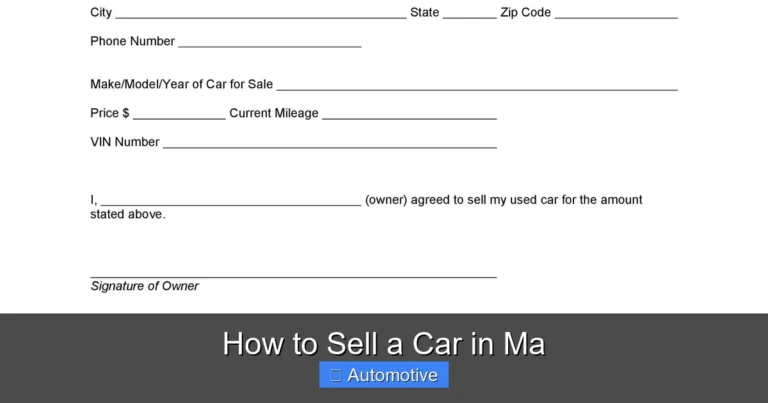
While not always required, a bill of sale is highly recommended. It’s a legal document that records the sale, including the buyer’s and seller’s names, the vehicle details, sale price, and date.
Tennessee doesn’t have a standard form, but you can find free templates online. Make sure it includes:
– Names and addresses of both parties
– Vehicle identification number (VIN)
– Make, model, year, and mileage
– Sale price
– Date of sale
– Signatures of both buyer and seller
Keep a copy for your records.
Odometer Disclosure
Federal law requires you to disclose the vehicle’s mileage at the time of sale. This is usually done on the title itself, but if your title doesn’t have a space for it, you’ll need a separate odometer disclosure statement.
Be honest—lying about mileage is illegal and can lead to serious consequences.
Emissions Certificate (If Required)
Tennessee requires emissions testing in certain counties, including Davidson (Nashville), Rutherford, Sumner, Williamson, and Wilson. If your car is registered in one of these areas, it must pass an emissions test before it can be sold.
The test is valid for 12 months, so if your car passed recently, you’re good to go. If not, schedule a test at a certified station. The cost is usually around $30.
Release of Liability
After the sale, you should file a Release of Liability with the Tennessee DOR. This protects you from liability if the buyer gets a ticket or causes an accident before registering the car.
You can submit this online or by mail using Form RV-F131000. It’s quick, free, and essential.
Step 4: Advertise Your Car Effectively
Now that your car is clean, priced right, and documented, it’s time to find a buyer. The way you advertise can make or break your sale.
Choose the Right Platforms
Start with popular online marketplaces. Facebook Marketplace is great because it’s free, widely used, and allows you to message buyers directly. Craigslist is another solid option, especially for local sales. Autotrader and Cars.com are more professional but may charge listing fees.
You can also post flyers at local coffee shops, community centers, or grocery stores—just make sure it’s allowed.
Write a Clear, Honest Description
Your listing should be detailed but easy to read. Start with the basics: make, model, year, mileage, and price. Then add key features like engine size, transmission type, fuel economy, and any upgrades.
Be honest about the condition. Mention any flaws, but also highlight positives. For example:
“2016 Ford F-150 XLT, 4WD, 95,000 miles, excellent condition. New tires, clean interior, no accidents. Minor scratch on rear bumper. Clean title, no liens. Must sell—motivated seller!”
Avoid vague terms like “runs great” or “mechanic special” unless it’s accurate.
Use High-Quality Photos
Photos are crucial. Take pictures in good lighting—early morning or late afternoon works best. Shoot from multiple angles: front, back, sides, interior, engine bay, and trunk.
Include close-ups of any damage or special features. A well-lit, clean photo of the dashboard showing the mileage can build trust.
Avoid filters or editing that makes the car look better than it is. Buyers will notice discrepancies during the test drive.
Set a Fair Price and Be Ready to Negotiate
Price your car competitively, but leave a little room for negotiation. Most buyers will try to haggle, so don’t list it at your absolute lowest.
If someone offers $14,000 on a $15,000 listing, consider countering at $14,500. Be firm but flexible.
Step 5: Handle Test Drives and Meetings Safely
When buyers start responding, it’s time to meet—but safety comes first.
Meet in a Public Place
Always meet in a well-lit, public location like a police station parking lot, shopping center, or busy gas station. Some police departments even have “safe exchange zones” with cameras and lighting.
Never meet at your home or a remote location.
Bring a Friend
If possible, bring someone with you. There’s safety in numbers, and it shows the buyer you’re serious.
Verify the Buyer’s Identity
Ask to see the buyer’s driver’s license and make sure the name matches the one they’re using. You can also ask for a phone number and call it to confirm it’s real.
Supervise the Test Drive
Always go with the buyer on the test drive. Don’t let them take the car alone. Bring your license and insurance card, and make sure the buyer has a valid license.
Keep the test drive short—15 to 20 minutes is plenty. Stick to familiar roads and avoid highways if you’re nervous.
Watch for Red Flags
Be cautious of buyers who:
– Want to pay with a personal check or wire transfer
– Offer to overpay and ask for a refund
– Pressure you to sell quickly
– Refuse to meet in person
These are common scam tactics. Trust your gut.
Step 6: Complete the Sale and Transfer the Title
Once you’ve found a serious buyer and agreed on a price, it’s time to finalize the sale.
Accept Secure Payment
The safest way to get paid is with cash or a cashier’s check. Avoid personal checks—they can bounce.
If using a cashier’s check, go to the bank with the buyer to verify it’s real. Never accept a money order or wire transfer unless you’re certain it’s legitimate.
Sign the Title Over
On the back of the title, fill in the buyer’s name, address, sale price, and odometer reading. Sign it in the designated area.
Make sure the buyer signs it too—this makes the transfer official.
Complete the Bill of Sale
Fill out the bill of sale with all required details and have both parties sign it. Keep a copy.
Remove License Plates
In Tennessee, license plates stay with the seller—not the car. Remove them before handing over the keys.
You can transfer them to a new vehicle or return them to the DOR.
Notify the DOR
Within 30 days of the sale, submit a Notice of Sale (Form RV-F131000) to the Tennessee DOR. This releases you from liability and helps the buyer register the car.
You can do this online at the DOR website.
Cancel Your Insurance
Once the car is sold, contact your insurance company to cancel or adjust your policy. Don’t cancel immediately—wait until the buyer has registered the car to avoid a coverage gap.
Avoiding Scams and Common Pitfalls
Selling a car privately comes with risks. Here’s how to avoid the most common scams.
Fake Checks and Overpayments
A buyer sends a check for more than the sale price and asks for the difference back. The check bounces, and you’re out the money.
Only accept payment you can verify immediately.
Title Washing
Some buyers try to hide a car’s salvage title by registering it in another state. Always check the vehicle history report (like Carfax or AutoCheck) before buying—and warn your buyers if your car has a salvage title.
Pressure Tactics
Scammers may pressure you to sell quickly or threaten to walk away. Stay calm and stick to your terms.
Phishing and Fake Messages
Be wary of messages from unknown numbers or emails asking for personal info. Only communicate through trusted platforms.
Final Tips for a Smooth Sale
– Be patient. It may take a few weeks to find the right buyer.
– Respond quickly to inquiries—serious buyers move fast.
– Stay organized. Keep all documents in a folder.
– Be polite and professional, even if a buyer is difficult.
– Celebrate when it’s done! You just sold your car privately in Tennessee.
Selling your car privately takes effort, but the payoff is worth it. You’ll get more money, have control over the process, and feel confident knowing you did it the right way.
Frequently Asked Questions
Do I need a bill of sale to sell my car in Tennessee?
While not legally required, a bill of sale is highly recommended. It protects both you and the buyer by documenting the sale details, including price, date, and vehicle information.
Can I sell my car in Tennessee if I still owe money on it?
No, you cannot sell a car with an outstanding loan unless the lienholder agrees. You must pay off the loan first or arrange for the buyer to assume it, which is rare.
How long do I have to notify the DOR after selling my car?
You should submit a Notice of Sale to the Tennessee DOR within 30 days of the sale. This releases you from liability and helps the buyer register the vehicle.
Do I need to provide a warranty when selling privately?
No, private sales in Tennessee are typically “as-is,” meaning the buyer accepts the car in its current condition. However, you must disclose any known issues.
Can I sell my car without a title in Tennessee?
No, you must have a valid title to sell your car. If yours is lost, apply for a duplicate from the DOR using Form RV-F131000.
What happens if the buyer doesn’t register the car?
Once you file a Notice of Sale with the DOR, you’re no longer responsible. However, it’s wise to follow up or check the vehicle’s status online to ensure it’s been transferred.