How Can a Car Catch on Fire?

Contents

Car USB Charger

Tire Repair Kit

Engine Oil Additive

Car Windshield Wiper Blades
Car fires are rare but dangerous events often caused by mechanical failures, electrical issues, or accidents. Understanding the common causes and taking preventive steps can significantly reduce the risk and keep you safe on the road.
Key Takeaways
- Electrical system malfunctions are a leading cause of car fires, often due to faulty wiring or aftermarket installations.
- Fuel leaks from damaged lines or tanks can ignite when exposed to hot engine parts or sparks.
- Overheating engines may lead to fluid ignition, especially if coolant or oil leaks onto hot surfaces.
- Accidents and collisions can rupture fuel systems or damage electrical components, increasing fire risk.
- Improper maintenance such as ignoring warning lights or skipping inspections raises the chances of a fire.
- Aftermarket modifications like high-powered audio systems or lighting can overload circuits and spark fires.
- Quick response during a fire—turning off the engine, exiting safely, and calling emergency services—can save lives.
📑 Table of Contents
How Can a Car Catch on Fire?
Imagine you’re driving down the highway, enjoying the breeze through your open window, when suddenly you smell something burning. You glance at the dashboard—no warning lights. But then you see smoke curling from under the hood. Your heart races. Could your car actually catch on fire?
It’s a scary thought, but yes—cars can and do catch fire. While modern vehicles are built with safety in mind, the combination of flammable fluids, high heat, and complex electrical systems means the risk, though low, is real. According to the National Fire Protection Association (NFPA), there are over 170,000 vehicle fires each year in the United States alone. Many of these start without warning, and some happen even when the car is parked.
The good news? Most car fires are preventable. By understanding how a car can catch on fire, you can take smart steps to reduce the risk and respond quickly if danger strikes. Whether you’re a daily commuter or a weekend road-tripper, knowing the signs and causes could one day save your life—or your vehicle.
Common Causes of Car Fires
Visual guide about How Can a Car Catch on Fire?
Image source: fireisolator.com
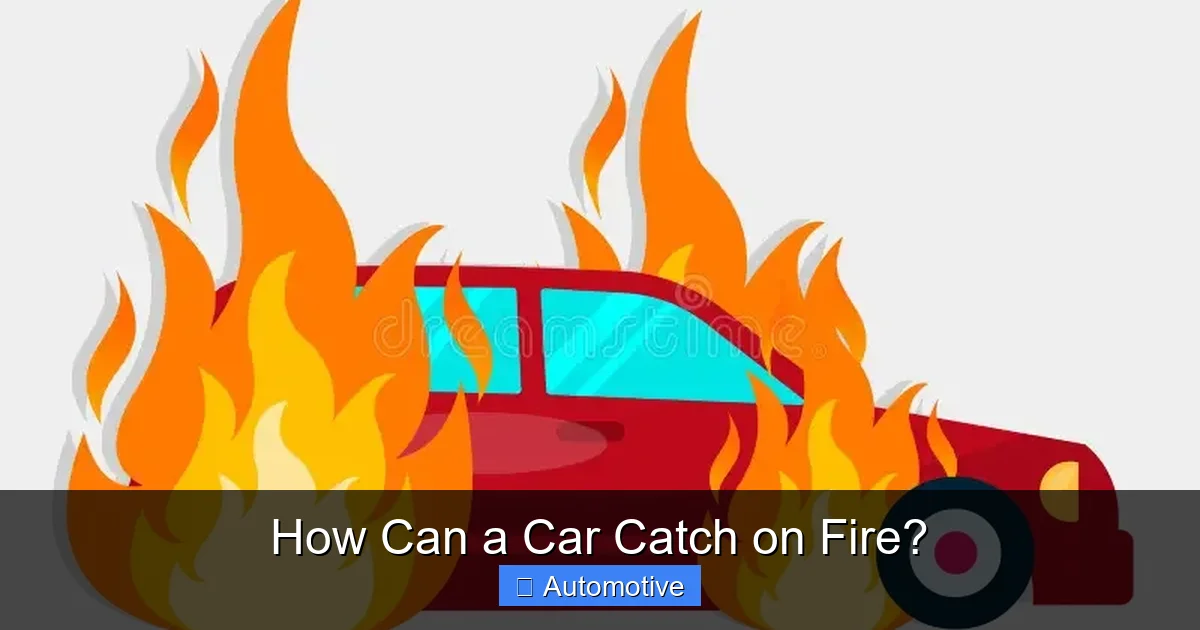
Car fires don’t usually start out of nowhere. They’re often the result of a chain reaction—small issues that go unnoticed until it’s too late. Let’s break down the most common ways a car can catch on fire, so you can spot trouble before it starts.
Electrical System Failures
One of the top culprits behind car fires is the electrical system. Modern cars are packed with wires, sensors, and computers. While this technology makes driving safer and more convenient, it also increases the risk of electrical faults.
Faulty wiring is a major issue. Over time, wires can fray, especially in areas exposed to heat or movement, like near the engine or under the dashboard. When exposed wires touch metal parts or each other, they can create sparks. If those sparks land on flammable materials—like insulation, carpet, or even spilled fluids—a fire can ignite.
Another common problem is overloaded circuits. This often happens when people install aftermarket accessories without upgrading the electrical system. Think powerful sound systems, LED light bars, or phone chargers plugged into every outlet. These additions draw more current than the factory wiring was designed to handle. The result? Overheated wires, melted insulation, and potentially, flames.
Even something as simple as a blown fuse can be a warning sign. Fuses are designed to break the circuit when there’s too much current—protecting the system. If a fuse keeps blowing, it’s not just an inconvenience; it’s a red flag that something is wrong underneath.
Fuel Leaks and Ignition
Gasoline and diesel are highly flammable. That’s why fuel systems in cars are built to be sealed and secure. But when that system is compromised, the risk of fire skyrockets.
Fuel leaks can happen for several reasons. A damaged fuel line—perhaps from road debris or corrosion—can drip fuel onto hot engine parts. The exhaust manifold, for example, can reach temperatures over 1,000°F. A single drop of gasoline hitting that surface can ignite instantly.
Fuel tank damage is another serious concern. In a collision, the tank can rupture, spraying fuel everywhere. Even a small spark—from a short circuit, a cigarette, or static electricity—can trigger a fire. That’s why emergency responders are trained to approach crashed vehicles with extreme caution.
Older cars are especially vulnerable. Over time, rubber fuel lines can dry out and crack. Metal lines can rust. And if a car sits unused for long periods, fuel can degrade and leave behind gummy residues that clog lines and increase pressure.
One real-life example: In 2019, a driver in Texas pulled over when they noticed a strong gasoline smell. They called a tow truck, but before it arrived, the engine caught fire. Investigators later found a cracked fuel line that had been leaking for days. The heat from the engine finally ignited the fumes.
Engine Overheating and Fluid Leaks
Your engine runs hot—really hot. That’s normal. But when it overheats, it can create conditions ripe for fire.
Coolant leaks are a common cause of overheating. If the radiator, hoses, or water pump fail, coolant can spill onto hot engine components. While coolant itself isn’t flammable, it can mix with oil or other fluids and create a dangerous cocktail.
Engine oil is another concern. Oil leaks are fairly common, especially in older vehicles. A leaking valve cover gasket or oil pan can drip oil onto the exhaust manifold or turbocharger. At high temperatures, engine oil can ignite, leading to a fast-spreading fire.
Transmission fluid and power steering fluid are also flammable under the right conditions. A ruptured line or seal can spray these fluids onto hot surfaces, creating smoke and potentially flames.
One telltale sign of trouble is steam or smoke coming from under the hood—especially if it smells like burning oil or plastic. If you see this, pull over immediately. Continuing to drive can turn a small leak into a full-blown fire.
Accidents and Collisions
Not all car fires start while the engine is running. In fact, many begin after a crash.
High-speed collisions can damage critical systems. The fuel tank might rupture. Electrical wires can snap and spark. Even airbag deployment can generate heat and ignite nearby materials.
Rear-end collisions are particularly dangerous because they often impact the fuel tank, which is usually located near the rear axle. A strong impact can puncture the tank, spilling fuel onto the ground or hot exhaust parts.
Side impacts can also be risky. If the door panels are crushed, they may damage wiring harnesses or battery cables (especially in electric or hybrid vehicles). A short circuit in a high-voltage battery can lead to thermal runaway—a chain reaction that causes the battery to overheat and catch fire.
Even low-speed fender benders can be problematic. A damaged radiator might leak coolant, which can mix with oil and create smoke. Or a cracked exhaust manifold could allow sparks to escape and ignite debris under the car.
The key takeaway? After any accident—no matter how minor—have your car inspected. What looks like a simple dent could hide a dangerous leak or electrical fault.
Aftermarket Modifications and DIY Repairs
Customizing your car can be fun. But if done incorrectly, it can also be dangerous.
Many car fires start because of improper installations. Adding a high-wattage sound system? That requires thicker wires and a stronger alternator. Skipping these upgrades can overload the electrical system.
Installing LED light bars or underglow lighting? These draw power directly from the battery. If the wiring isn’t properly fused or grounded, it can overheat and melt.
Even something as simple as replacing a headlight bulb can go wrong. Using the wrong wattage bulb can generate excess heat and damage the housing. Or, if you touch the glass with bare fingers, oils from your skin can cause the bulb to overheat and explode.
DIY repairs are another risk. While it’s great to save money by fixing things yourself, mistakes can be costly—literally. Using the wrong type of fuel line, over-tightening bolts, or misconnecting wires can all lead to leaks or shorts.
One common mistake? Using duct tape or zip ties to secure loose wires. These aren’t designed for high-heat environments. Under the hood, they can melt and expose bare wires.
If you’re not confident in your skills, it’s always safer to consult a professional. A small investment in expert help can prevent a big disaster down the road.
Warning Signs of a Potential Car Fire
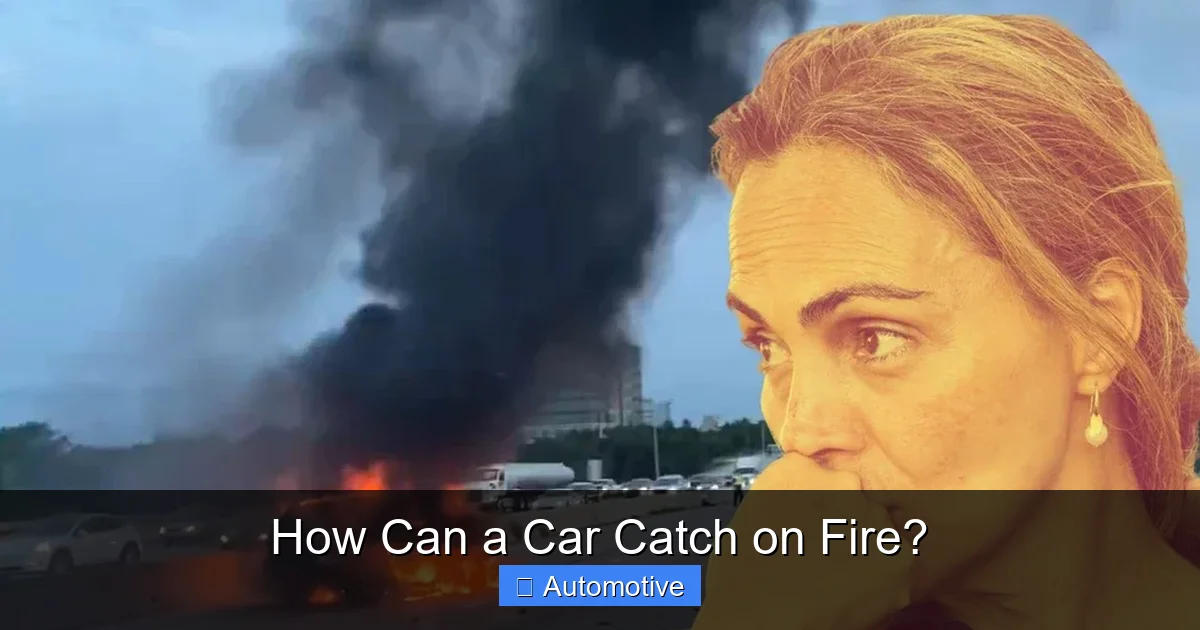
Visual guide about How Can a Car Catch on Fire?
Image source: townsquare.media
The best way to prevent a car fire is to catch problems early. Many fires give off warning signs long before flames appear. If you know what to look for, you can act before it’s too late.
Unusual Smells
Your nose is one of your best tools for detecting trouble. Different smells can point to different issues:
– Burning plastic or rubber: This often indicates overheated wiring or a slipping belt. Check under the hood for melted insulation or loose components.
– Gasoline or fuel odor: A strong smell of gas means there’s likely a leak. Stop driving immediately and inspect the fuel lines, tank, and connections.
– Burning oil: If you smell burnt oil, you may have a leak dripping onto hot engine parts. Look for oil stains under the car or smoke from the engine bay.
– Sweet, syrupy smell: This could be coolant leaking from a hose or radiator. While coolant isn’t flammable, it can mix with other fluids and create hazards.
Don’t ignore these smells. Even if the car seems to run fine, a small leak or electrical issue can escalate quickly.
Smoke or Steam from Under the Hood
Seeing smoke or steam is a major red flag. But not all smoke is the same.
– White smoke or steam: Usually indicates a coolant leak. The liquid is hitting a hot surface and vaporizing. Pull over and turn off the engine.
– Blue or gray smoke: Often means oil is burning. This could be from a leak or internal engine wear.
– Black smoke: Typically comes from a rich fuel mixture, but if it’s accompanied by a strong odor, it could signal a fire starting.
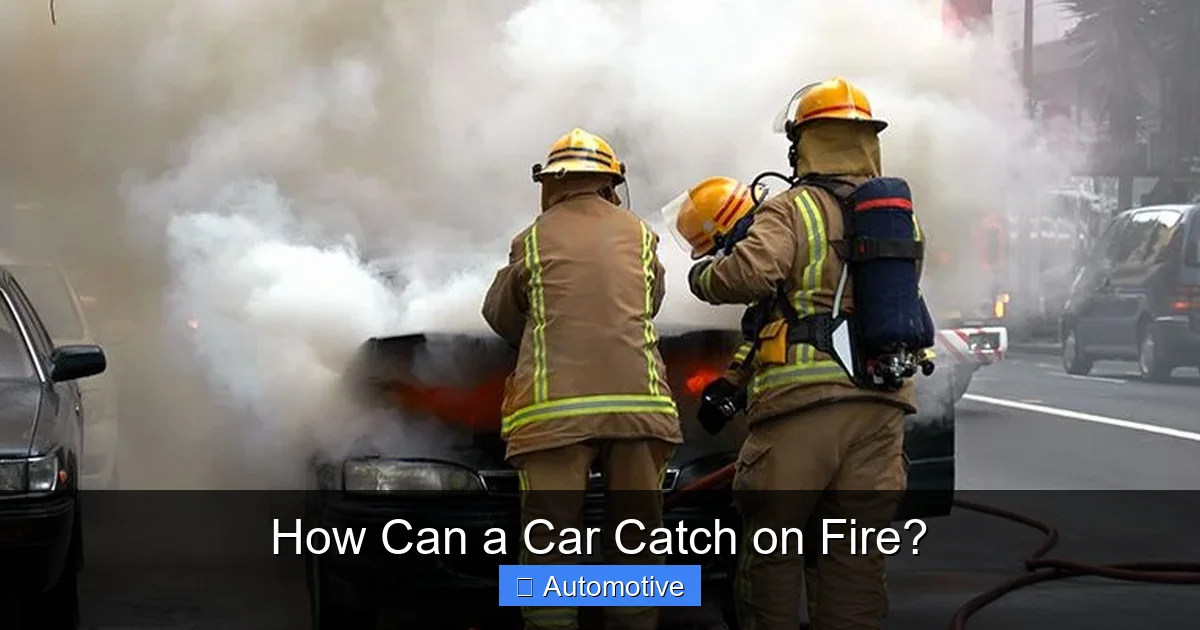
If you see smoke, don’t open the hood right away. Opening it can introduce oxygen and fuel a fire. Instead, pull over, turn off the engine, and get everyone out of the car.
Dashboard Warning Lights
Your car’s dashboard is like a health monitor. Ignoring warning lights is one of the biggest mistakes drivers make.
– Check Engine Light: This can indicate anything from a loose gas cap to a serious engine problem. Have it checked promptly.
– Oil Pressure Light: Low oil pressure can lead to engine overheating and leaks.
– Battery or Charging System Light: Electrical issues often show up here first.
– Temperature Gauge in the Red: Overheating is a fire risk. Stop driving immediately.
Even if the light goes off after a few minutes, it’s worth getting checked. Intermittent problems can become constant ones.
Unusual Noises
Listen to your car. Strange sounds can warn of trouble:
– Sizzling or popping: Could mean fluid is dripping onto a hot surface.
– Clicking or buzzing: May indicate a failing relay or electrical short.
– Grinding or whining: Often points to mechanical wear that could lead to overheating.
If something sounds off, don’t wait. Get it inspected.
How to Prevent a Car Fire
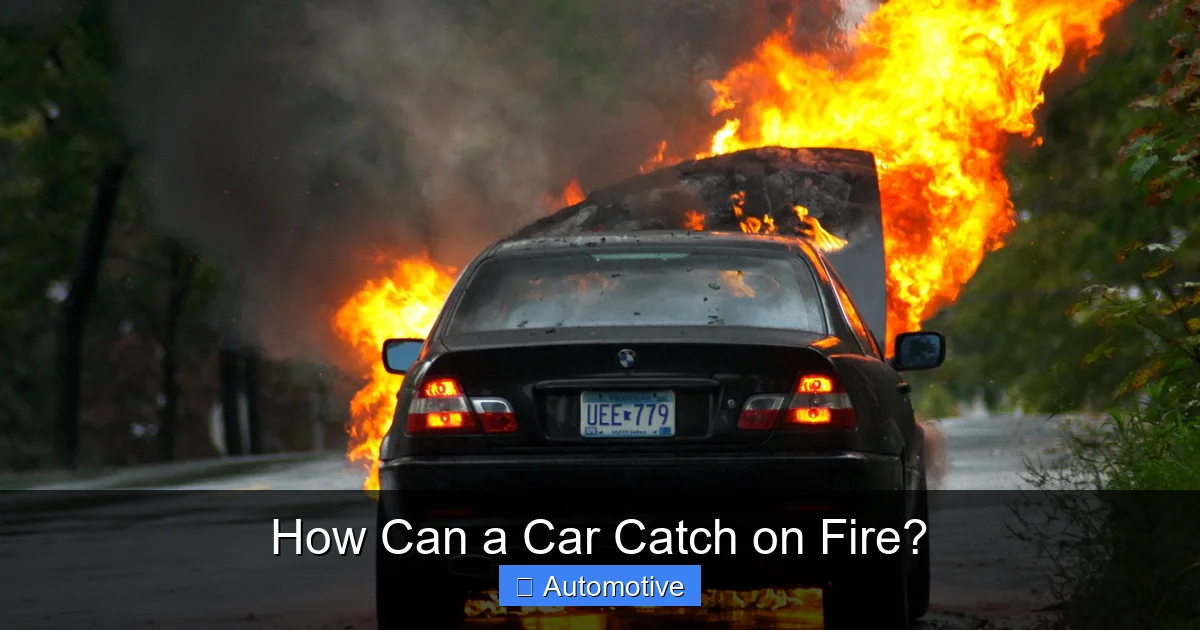
Visual guide about How Can a Car Catch on Fire?
Image source: jooinn.com
Prevention is always better than reaction. While you can’t eliminate all risks, you can greatly reduce the chances of your car catching on fire.
Regular Maintenance and Inspections
The single best way to prevent a car fire is to keep up with regular maintenance. This includes:
– Oil changes: Fresh oil reduces engine heat and prevents leaks.
– Coolant system checks: Ensure hoses, radiator, and water pump are in good condition.
– Brake inspections: Overheated brakes can ignite debris or fluid.
– Electrical system checks: Have a mechanic inspect wiring, fuses, and battery connections.
Follow your owner’s manual for service intervals. And don’t skip inspections—especially before long trips.
Address Warning Signs Immediately
If you notice a smell, sound, or warning light, don’t wait. The longer you drive with a problem, the greater the risk.
For example, a small oil leak might seem harmless. But over time, it can drip onto the exhaust and ignite. Fixing it early costs far less than repairing fire damage.
Be Cautious with Modifications
If you’re adding accessories, do it safely:
– Use professional installers for electrical work.
– Upgrade wiring and fuses as needed.
– Avoid overloading circuits.
– Use heat-resistant materials near the engine.
And never use temporary fixes like tape or glue on fuel or electrical lines.
Park Smart
Where you park can also affect fire risk:
– Avoid parking over dry grass or leaves. Hot exhaust can ignite dry vegetation.
– Don’t leave flammable items in the car, like aerosol cans or lighters.
– In hot weather, park in the shade to reduce engine and battery stress.
Keep a Fire Extinguisher
While not a substitute for prevention, a car fire extinguisher can save your vehicle—or your life.
Choose a small, UL-rated extinguisher designed for Class B (flammable liquids) and Class C (electrical) fires. Mount it securely where you can reach it quickly, like under the seat or in the trunk.
Learn how to use it: Pull the pin, aim at the base of the fire, and sweep side to side.
What to Do If Your Car Catches Fire
Even with the best precautions, fires can still happen. Knowing how to respond can make all the difference.
Stay Calm and Act Quickly
Panic won’t help. Stay calm and follow these steps:
1. Pull over safely: Signal, move to the shoulder, and turn off the engine.
2. Get everyone out: Leave the car immediately. Move at least 100 feet away.
3. Call 911: Report the fire and your location.
4. Do not open the hood or trunk: This can feed the fire with oxygen.
5. Use a fire extinguisher only if safe: If the fire is small and you’re trained, aim at the base.
Never return to the car. Let firefighters handle it.
After the Fire
Once the fire is out, contact your insurance company. Most policies cover fire damage, but you’ll need to file a claim.
Have the car towed to a repair shop or scrap yard. Do not attempt to drive it.
And take the incident as a learning opportunity. What caused the fire? Could it have been prevented? Use the experience to improve your car care habits.
Conclusion
So, how can a car catch on fire? The answer lies in a mix of mechanical failure, electrical issues, fuel leaks, and human error. While the thought is unsettling, understanding the risks empowers you to take control.
Most car fires start small—a frayed wire, a dripping fuel line, an overheating engine. But with regular maintenance, attention to warning signs, and smart driving habits, you can stop these issues before they escalate.
Your car is more than just a machine. It’s your daily companion, your escape route, your freedom on wheels. Protecting it from fire isn’t just about saving property—it’s about keeping yourself and your loved ones safe.
Stay alert. Stay informed. And drive with confidence.
Frequently Asked Questions
Can a car catch fire while parked?
Yes, a car can catch fire while parked. Electrical faults, battery issues, or fuel leaks can ignite even when the engine is off. Always park in safe areas and avoid leaving flammable items inside.
How common are car fires?
Car fires are relatively rare but still happen frequently. The NFPA reports over 170,000 vehicle fires annually in the U.S., often caused by mechanical or electrical failures.
Can overheating cause a car fire?
Yes, overheating can lead to a fire if coolant or oil leaks onto hot engine parts. Ignoring temperature warnings increases the risk significantly.
Are electric cars more likely to catch fire?
Electric cars are not more likely to catch fire than gasoline cars. However, battery fires can be intense and require special handling. Proper charging and maintenance reduce risks.
What should I do if I smell gas in my car?
Pull over immediately, turn off the engine, and exit the vehicle. Do not smoke or use electronics. Call a tow truck and have the fuel system inspected for leaks.
Can a car fire start from the exhaust?
Yes, a hot exhaust manifold can ignite fuel, oil, or debris. Regular cleaning and inspection of the undercarriage can help prevent this type of fire.