Homemade Car Windshield Cleaners

Contents
- 1 Key Takeaways
- 2 📑 Table of Contents
- 3 Why Choose Homemade Car Windshield Cleaners?
- 4 Essential Ingredients and Their Roles
- 5 Top Homemade Car Windshield Cleaner Recipes
- 6 How to Use Your Homemade Cleaner Effectively
- 7 Troubleshooting Common Issues
- 8 Storage and Shelf Life Tips
- 9 Safety and Environmental Considerations
- 10 Frequently Asked Questions
Car Inverter

Car Shampoo Concentrate

Bluetooth FM Transmitter
Side Window Sunshade
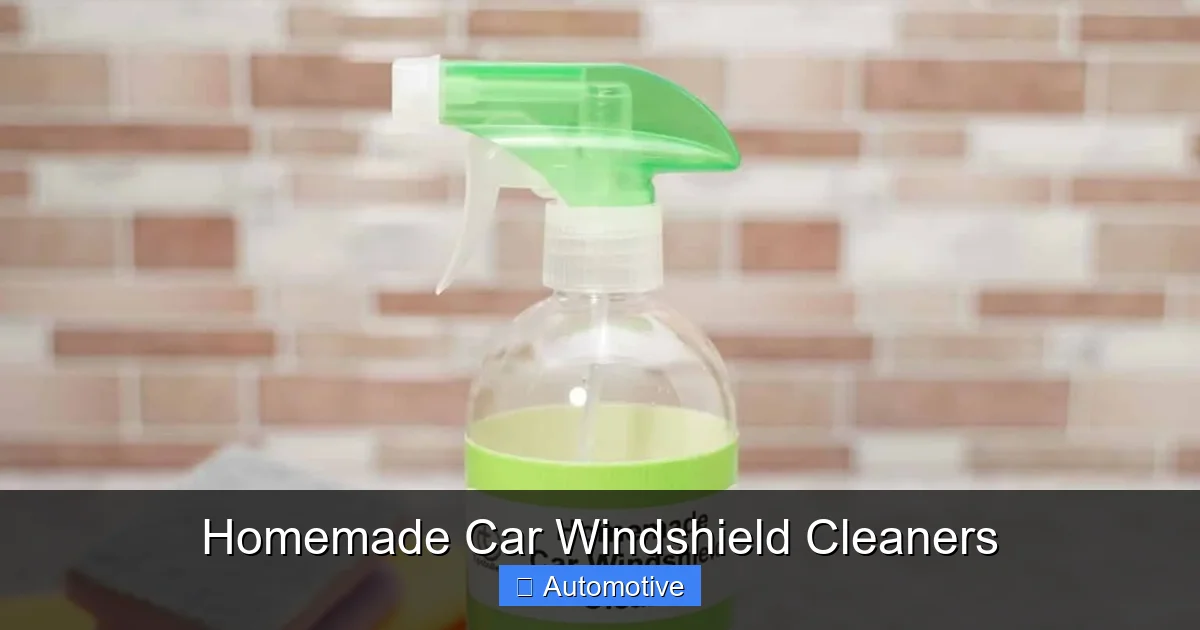
Cleaning your car’s windshield doesn’t have to cost a fortune or expose you to harsh chemicals. With a few simple ingredients from your kitchen or garage, you can whip up powerful homemade car windshield cleaners that cut through grime, bug splatter, and road film—leaving your glass crystal clear and streak-free.
Keeping your car’s windshield spotless isn’t just about aesthetics—it’s a safety issue. A clean windshield ensures maximum visibility, especially during rain, fog, or nighttime driving. But let’s be honest: store-bought glass cleaners can be pricey, full of synthetic fragrances, and sometimes leave behind streaks or chemical residues that smear in the sun. That’s where homemade car windshield cleaners come in. They’re affordable, effective, and surprisingly simple to make using ingredients you probably already have at home.
The best part? You don’t need to be a chemistry whiz to mix up a great cleaner. Whether you’re dealing with stubborn bug guts after a summer road trip, winter salt residue, or everyday dust and fingerprints, there’s a DIY solution that works. Plus, by making your own cleaner, you control exactly what goes into it—no mystery chemicals, no unnecessary dyes, and no overpowering artificial scents. In this guide, we’ll walk you through the science behind why these homemade formulas work, share step-by-step recipes for different situations, and offer practical tips to get the clearest, shiniest glass possible.
Key Takeaways
- Save money: Homemade windshield cleaners cost pennies per bottle compared to commercial brands.
- Eco-friendly: Most DIY recipes use non-toxic, biodegradable ingredients that are safe for the environment.
- Customizable: Adjust formulas based on your climate, water hardness, or specific cleaning needs.
- Streak-free results: Properly balanced vinegar- or alcohol-based solutions prevent residue and smearing.
- Safe for all glass: These cleaners work on windshields, side windows, mirrors, and even sunroofs without damaging seals or tint.
- Quick to make: Most recipes take under 5 minutes and require only common household items.
- Reduce plastic waste: Reuse spray bottles instead of buying new ones with every purchase.
📑 Table of Contents
Why Choose Homemade Car Windshield Cleaners?
Commercial glass cleaners often promise “streak-free shine” but fall short—especially when faced with tough automotive grime like tree sap, bird droppings, or oily road film. Many contain ammonia, which can degrade rubber seals over time and irritate skin or lungs with repeated use. Others rely on alcohol or solvents that may damage window tinting or leave behind a hazy film if not rinsed properly.
Homemade cleaners, on the other hand, use gentle yet powerful natural ingredients. White vinegar, for example, is a mild acid that dissolves mineral deposits and cuts through grease without scratching glass. Isopropyl alcohol (rubbing alcohol) evaporates quickly, reducing streaks, while dish soap helps lift dirt and oil. Together, these components create a balanced formula that’s tough on dirt but safe for your car’s surfaces.
Another major advantage is cost. A typical 32-ounce bottle of name-brand glass cleaner costs $3–$6. With homemade versions, you can make the equivalent for less than $0.50—and often using ingredients you already own. Over a year, that adds up to significant savings, especially if you clean your car weekly.
Environmental impact is another compelling reason to go DIY. Most commercial cleaners come in single-use plastic bottles and contain volatile organic compounds (VOCs) that contribute to air pollution. Homemade cleaners reduce packaging waste and typically use biodegradable ingredients. Plus, you can reuse the same spray bottle indefinitely, further cutting down on plastic consumption.
Finally, homemade cleaners give you flexibility. Live in a hard-water area? Add extra vinegar to combat mineral buildup. Have tinted windows? Skip the alcohol and use a vinegar-water mix instead. Dealing with icy winter residue? Whip up a winter-specific formula with antifreeze properties. The ability to tailor your cleaner to your exact needs is something store-bought products simply can’t match.
Essential Ingredients and Their Roles
Understanding what each ingredient does will help you tweak recipes and troubleshoot issues like streaking or poor cleaning power. Here’s a breakdown of the most common components in homemade car windshield cleaners:
White Distilled Vinegar
This is the star player in most DIY glass cleaners. Its acetic acid content (typically 5%) effectively dissolves hard water spots, mineral deposits, and light grease. Vinegar also has natural antibacterial properties, though that’s less relevant for car glass. Always use distilled white vinegar—not apple cider or balsamic—as darker varieties can stain or leave residues.
Visual guide about Homemade Car Windshield Cleaners
Image source: i.pinimg.com
Isopropyl Alcohol (Rubbing Alcohol)
Available in 70% or 90% concentrations, rubbing alcohol acts as a solvent and drying agent. It helps the solution evaporate quickly, minimizing streaks. The higher the concentration, the faster it dries—but 70% works well for most applications and is less drying to skin. Avoid using ethanol (drinking alcohol) as it may contain additives that leave residues.
Dish Soap
A few drops of mild liquid dish soap (like Dawn or Seventh Generation) help emulsify oils and lift dirt from the glass surface. Use sparingly—too much soap can create suds that are hard to wipe off and may leave a filmy residue. Opt for fragrance-free and dye-free versions if you’re sensitive to chemicals.
Water
Distilled or filtered water is best to prevent mineral spots, especially if you live in an area with hard tap water. Tap water contains calcium and magnesium that can leave white spots as the cleaner dries. If distilled water isn’t available, let tap water sit uncovered for 24 hours to allow some minerals to settle.
Optional Additives
- Windscreen washer fluid concentrate: Adding a small amount (1–2 teaspoons per quart) boosts cleaning power and adds antifreeze properties in winter.
- Lemon juice: Provides a fresh scent and mild acidity, but can be too harsh for frequent use on tinted windows.
- Cornstarch: A tiny pinch (¼ teaspoon per quart) can help reduce streaking by improving the solution’s cling to vertical surfaces.
Top Homemade Car Windshield Cleaner Recipes
Now that you know the basics, let’s dive into practical recipes you can make today. Each is designed for a specific use case—from everyday maintenance to seasonal challenges.
All-Purpose Streak-Free Cleaner
This is the go-to recipe for regular windshield cleaning. It’s safe, effective, and leaves zero residue.
Visual guide about Homemade Car Windshield Cleaners
Image source: treko.wuaze.com
- 1 cup distilled water
- 1 cup white distilled vinegar
- 1 tablespoon isopropyl alcohol (70% or higher)
- 1–2 drops mild dish soap
Mix all ingredients in a clean spray bottle. Shake gently before each use. Spray generously on the windshield and wipe with a microfiber cloth using straight, overlapping strokes. For best results, clean in the shade to prevent rapid drying.
Heavy-Duty Bug and Grime Remover
After a long drive, bug splatter and road tar can cling stubbornly to your windshield. This stronger formula tackles tough buildup.
- ¾ cup white vinegar
- ¼ cup isopropyl alcohol (90%)
- ½ cup distilled water
- 1 teaspoon dish soap
- 1 teaspoon windshield washer fluid (optional, for extra cutting power)
Let the solution sit on dried bugs for 2–3 minutes before wiping. Use a soft sponge or microfiber pad for scrubbing—never steel wool or abrasive pads, which can scratch glass.
Winter Windshield Cleaner (Ice and Salt Residue)
In cold climates, salt and ice melt chemicals can leave a cloudy film. This recipe includes antifreeze properties to prevent refreezing.
- 1 cup isopropyl alcohol (70%)
- ½ cup white vinegar
- ½ cup distilled water
- 1 tablespoon dish soap
- 1 tablespoon windshield washer fluid (with antifreeze)
Note: Never use this mixture in your car’s washer reservoir unless specified safe by your vehicle manual—alcohol concentrations above 50% can damage pump seals. Use only for manual wiping.
Tint-Safe Glass Cleaner
If your car has aftermarket window tint, avoid alcohol and ammonia, which can cause bubbling or discoloration.
- 2 cups distilled water
- ½ cup white vinegar
- 1 teaspoon cornstarch (dissolved in a little cold water first)
- 1 drop dish soap (optional)
Spray and wipe as usual. The cornstarch helps the solution adhere to vertical surfaces without dripping, reducing the need for multiple passes.
Natural Citrus Fresh Cleaner
For those who dislike vinegar’s smell, this version uses lemon for a fresh scent—but use sparingly on tinted glass.
- 1 cup distilled water
- ½ cup white vinegar
- ¼ cup lemon juice (fresh or bottled)
- 1 tablespoon isopropyl alcohol
Store in a dark bottle—citrus oils can degrade in sunlight. Use within 2 weeks for best results.
How to Use Your Homemade Cleaner Effectively
Making the cleaner is only half the battle—how you apply it determines the final result. Follow these best practices for streak-free, sparkling glass:
Choose the Right Cloth
Microfiber cloths are the gold standard for glass cleaning. They trap dirt without scratching and absorb moisture efficiently. Avoid paper towels, which can leave lint and sometimes contain chemicals that cause streaking. For large windshields, use a dedicated glass microfiber towel (usually blue or gray) separate from your interior cleaning cloths.
Visual guide about Homemade Car Windshield Cleaners
Image source: mom4real.com
Clean in the Shade
Direct sunlight causes cleaners to dry too quickly, leading to streaks and spots. Park in a garage or shaded area whenever possible. If you must clean in the sun, work in small sections and wipe immediately after spraying.
Two-Wipe Method
For heavily soiled windshields, use the two-wipe technique:
1. Spray the cleaner and wipe with a damp microfiber cloth to loosen dirt.
2. Follow immediately with a dry, clean microfiber cloth to buff to a shine.
This prevents redepositing grime and ensures a flawless finish.
Don’t Forget the Edges
Grime often accumulates along the windshield frame and wiper blade area. Use a soft-bristled brush or an old toothbrush dipped in cleaner to scrub these tight spots. Wipe away residue with a cloth to prevent drips.
Maintain Your Tools
Wash microfiber cloths regularly in warm water with mild detergent. Avoid fabric softeners, which coat fibers and reduce absorbency. Replace cloths when they become stiff or discolored. Rinse your spray bottle monthly with hot water to prevent clogs.
Troubleshooting Common Issues
Even the best homemade cleaner can run into problems if not used correctly. Here’s how to fix common issues:
Streaks or Haze
Usually caused by too much soap, hard water, or wiping with a dirty cloth. Solution: Reduce dish soap to 1 drop per quart, use distilled water, and always use a clean microfiber towel. If haze persists, wipe the glass with a 50/50 vinegar-water mix followed by a dry buff.
Strong Vinegar Smell
While vinegar odor dissipates as it dries, some people find it unpleasant. Add a few drops of essential oil (like lavender or eucalyptus) or switch to the citrus version. Never use perfumed dish soap—it can leave residues.
Cleaner Freezes in Bottle (Winter Use)
High-alcohol formulas can still freeze in extreme cold. Store your spray bottle indoors when not in use, or make smaller batches for winter. Alternatively, keep a commercial antifreeze-safe washer fluid for reservoir use and reserve homemade cleaner for manual wiping.
Residue on Tinted Windows
If you notice cloudiness or peeling on tinted glass, you’ve likely used a cleaner with alcohol or ammonia. Switch to the tint-safe recipe immediately and avoid spraying directly onto the tint—apply to the cloth first.
Clogged Sprayer
Mineral deposits or dried soap can block the nozzle. Soak the sprayer in warm vinegar for 10 minutes, then rinse thoroughly. Use a pin to clear stubborn clogs.
Storage and Shelf Life Tips
Homemade cleaners don’t contain preservatives, so proper storage is key to longevity.
Shelf Life
Most vinegar-based cleaners last 2–3 months when stored in a cool, dark place. Alcohol-based versions may last slightly longer (up to 4 months) due to their antimicrobial properties. Citrus-infused cleaners should be used within 2 weeks.
Label Your Bottles
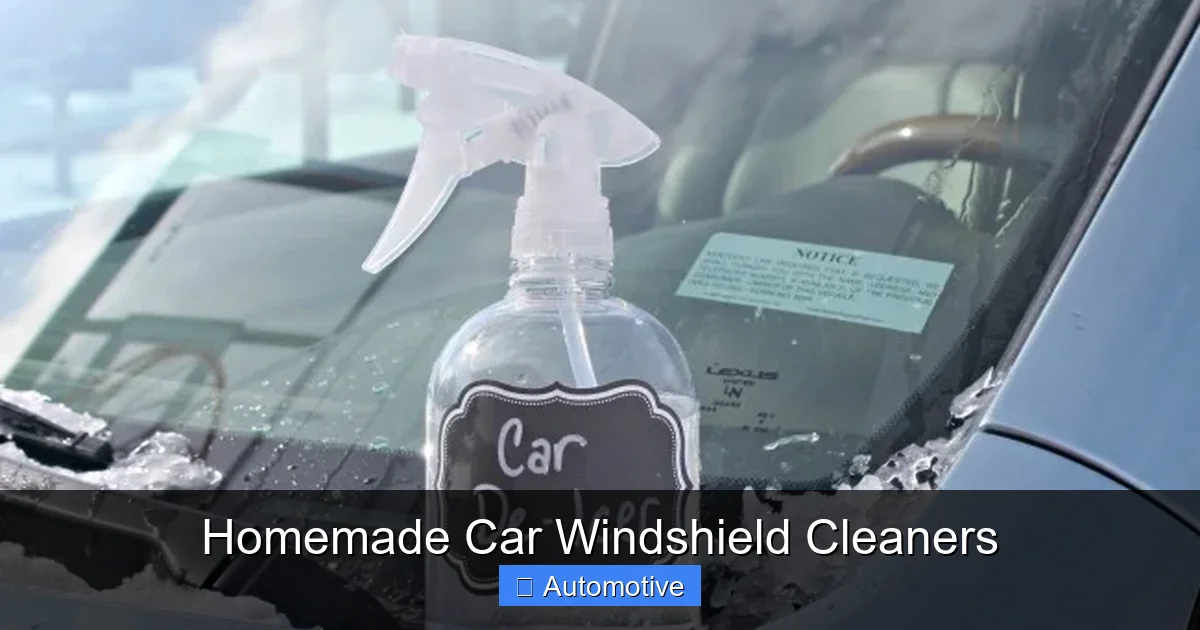
Always label your spray bottles with the recipe name and date made. Use waterproof markers or sticker labels. This prevents confusion and ensures you use older batches first.
Reuse Containers
Clean, empty commercial cleaner bottles work perfectly—just rinse thoroughly to remove any residual chemicals. Glass spray bottles are ideal for citrus or essential oil blends, as plastic can degrade over time.
Batch Size
Make only what you’ll use in 1–2 months. Smaller batches (16–32 oz) are easier to store and less wasteful. If you clean your car weekly, a 32-ounce batch typically lasts 4–6 weeks.
Safety and Environmental Considerations
While homemade cleaners are generally safer than commercial alternatives, a few precautions apply:
Ventilation
Use in well-ventilated areas, especially when mixing large batches. Although vinegar and alcohol are low-toxicity, prolonged inhalation in enclosed spaces isn’t ideal.
Skin and Eye Protection
Wear gloves if you have sensitive skin. Avoid contact with eyes—if splashed, rinse immediately with water. Keep out of reach of children and pets.
Disposal
These cleaners are biodegradable and can be safely poured down the drain in small amounts. Never dump large quantities into storm drains or natural water sources.
Compatibility
Test any new cleaner on a small, inconspicuous area of your windshield first—especially if your car has special coatings (like hydrophobic or rain-sensing glass). Most homemade formulas are safe, but individual reactions can vary.
Making your own car windshield cleaner is a smart, sustainable choice that saves money, reduces waste, and delivers excellent results. With just a few pantry staples, you can keep your windshield crystal clear year-round—no harsh chemicals or expensive bottles required. Whether you’re battling summer bugs or winter grime, these DIY solutions are reliable, customizable, and easy to whip up in minutes. So next time your glass looks dull, skip the store aisle and head to your kitchen instead. Your wallet—and the planet—will thank you.
Frequently Asked Questions
Can I use homemade windshield cleaner in my car’s washer reservoir?
It depends on the recipe. Vinegar-water mixes are generally safe, but high-alcohol formulas (over 50%) can damage pump seals and tubing. Always check your vehicle manual and consider using a commercial washer fluid for reservoir use.
Will vinegar damage my car’s paint or rubber seals?
Diluted vinegar (50/50 with water or less) is safe for occasional use on glass and won’t harm paint or rubber when wiped off promptly. Avoid letting it pool on trim or seals for extended periods.
Why is my homemade cleaner leaving streaks?
Streaks are usually caused by too much dish soap, hard water, or using a dirty cloth. Switch to distilled water, reduce soap to 1 drop per quart, and always use a clean microfiber towel.
Can I add essential oils for fragrance?
Yes, but use sparingly (3–5 drops per quart). Citrus, lavender, or peppermint oils add a pleasant scent, but avoid oils that may degrade plastic spray bottles over time.
Is it safe to clean my windshield in direct sunlight?
Not ideal. Sunlight causes cleaners to dry too quickly, leading to streaks. Clean in the shade whenever possible, or work in small sections and wipe immediately.
How often should I clean my car’s windshield?
For safety and visibility, clean your windshield at least once a week—or more often if you drive frequently, live in a dusty area, or encounter bugs, rain, or snow regularly.