
Harley-davidson 5-speed Transmission Problems

Harley-Davidson 5-speed transmission problems can affect performance, shifting, and overall ride quality. Understanding common issues like hard shifting, gear noise, and oil leaks helps riders prevent costly repairs and enjoy a smoother journey.
If you’ve spent any time on a Harley-Davidson motorcycle—especially models from the 1980s through the early 2000s—you’ve likely experienced the distinct feel of a 5-speed transmission. Known for its solid build and classic V-twin rumble, Harley’s 5-speed gearbox has powered millions of miles across highways, backroads, and scenic byways. But like any mechanical system, it’s not immune to problems.
Over the years, riders have reported a range of issues with Harley-Davidson 5-speed transmissions. Some are minor annoyances, like a stiff shift lever or a faint whine in third gear. Others are more serious, such as sudden gear disengagement or loud grinding sounds that make you pull over immediately. While Harleys are built to last, the transmission—often tucked away and out of sight—can suffer from neglect, wear, or design quirks that only show up after thousands of miles.
The good news? Most Harley-Davidson 5-speed transmission problems are preventable or fixable with the right knowledge and care. Whether you’re a weekend rider, a long-distance tourer, or a DIY mechanic, understanding what can go wrong—and how to spot it early—can save you time, money, and a lot of frustration. In this guide, we’ll walk you through the most common issues, what causes them, and how to address them effectively.
Key Takeaways
- Hard or notchy shifting: Often caused by low or degraded transmission fluid, worn shift forks, or misaligned shift linkage.
- Gear whine or grinding noises: Typically linked to worn gears, damaged bearings, or improper lubrication.
- Neutral gear hunting: Occurs when the bike won’t stay in gear and slips into neutral, often due to worn detent springs or shift drum issues.
- Oil leaks from the transmission: Commonly caused by worn seals, gaskets, or overfilling, leading to low fluid levels and potential damage.
- Clutch drag or slipping: Can mimic transmission problems but is usually related to clutch cable adjustment or worn clutch plates.
- Preventive maintenance is key: Regular fluid changes, proper clutch adjustment, and visual inspections can prevent most 5-speed transmission issues.
- Early diagnosis saves money: Addressing symptoms early helps avoid major internal damage and expensive rebuilds.
📑 Table of Contents
Understanding the Harley-Davidson 5-Speed Transmission
Before diving into the problems, it helps to understand how the Harley-Davidson 5-speed transmission works. Unlike modern bikes with 6-speed gearboxes, the 5-speed was standard on many Harley models from the 1980s up to the mid-2000s, including the popular Sportster, Dyna, and Softail lines. These transmissions are typically chain-driven and housed in a separate case, often filled with 20W-50 motor oil or a dedicated transmission fluid.
The 5-speed gearbox uses a constant-mesh design, meaning all gears are always engaged, but only one pair is locked to the output shaft at a time via dog clutches. A shift drum and shift forks move the gears into position when you click the shift lever. This system is robust and simple, but it relies heavily on proper lubrication, alignment, and mechanical integrity.
One of the key features of Harley’s 5-speed is its “neutral finder”—a mechanical detent that helps riders locate neutral between first and second gear. While helpful, this system can wear over time, leading to one of the most common complaints: the bike popping out of gear or refusing to stay in neutral.
Another important note: Harley transmissions are not sealed units. They require regular maintenance, including fluid changes every 10,000 to 20,000 miles, depending on riding conditions. Neglecting this maintenance is one of the top reasons riders experience transmission problems down the road.
Common Harley-Davidson 5-Speed Transmission Problems
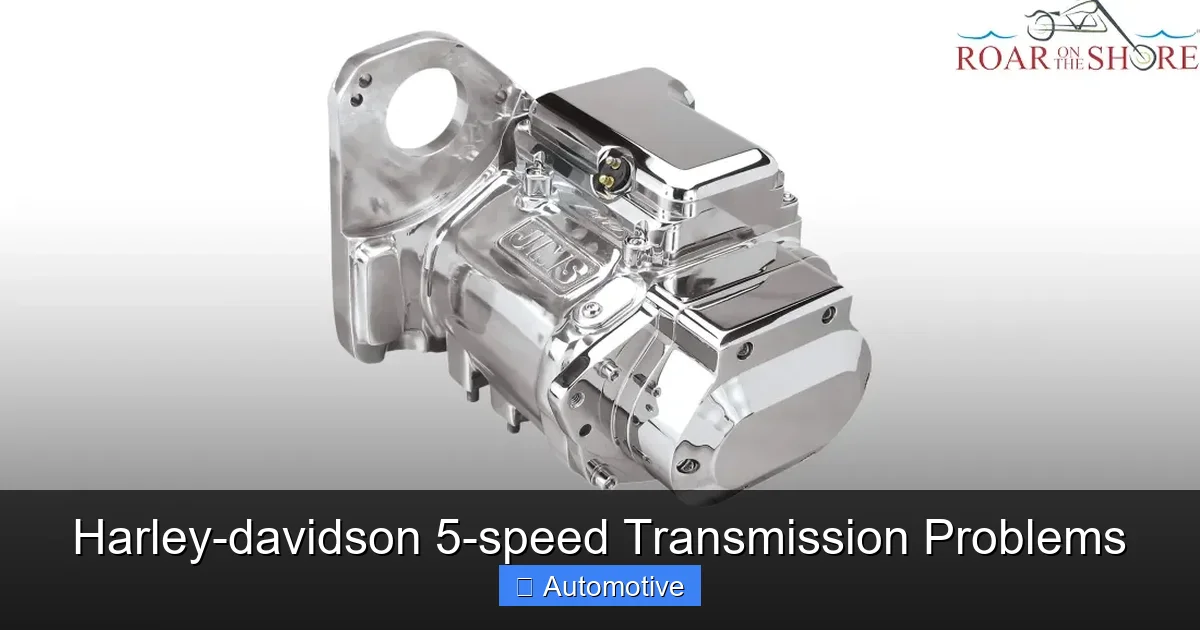
Visual guide about Harley-davidson 5-speed Transmission Problems
Image source: roarontheshore.com
Now that we’ve covered the basics, let’s look at the most frequent issues riders face with Harley-Davidson 5-speed transmissions. These problems can range from minor inconveniences to serious mechanical failures, so it’s important to recognize the symptoms early.
Hard or Notchy Shifting
One of the most common complaints among Harley riders is hard or notchy shifting—especially when going from neutral to first gear or between gears at low speeds. You might feel a “clunk” or resistance when shifting, or the lever might feel stiff and unresponsive.
This issue is often caused by low or degraded transmission fluid. Over time, oil breaks down, loses viscosity, and becomes contaminated with metal particles and sludge. When the fluid can’t lubricate the gears and shift components properly, shifting becomes rough and difficult.
Another common cause is worn shift forks. These metal arms move the gears into place, and if they become bent or worn, they can’t engage the gears smoothly. Misaligned shift linkage—especially after a crash or improper reassembly—can also lead to notchy shifting.
A practical example: A rider on a 2001 Harley Softail noticed that shifting into first gear required a firm stomp, especially when the bike was cold. After checking the fluid level and finding it low, they topped it off with fresh 20W-50 oil. The problem improved slightly, but the stiffness remained. A mechanic later discovered a slightly bent shift fork, which was replaced during a transmission service.
Gear Whine or Grinding Noises
Unusual noises from the transmission are never a good sign. If you hear a high-pitched whine, especially in certain gears, or a grinding sound when shifting, it’s time to investigate.
Gear whine is often caused by worn or damaged gears. Over time, the constant meshing and torque can wear down the gear teeth, leading to improper engagement and noise. This is more common in high-mileage bikes or those that have been ridden aggressively.
Grinding noises, on the other hand, usually indicate that the gears aren’t fully disengaging before re-engaging—a problem known as “clashing.” This can happen if the clutch isn’t fully disengaging (due to cable adjustment or hydraulic issues) or if the shift mechanism is worn.
For example, a rider on a 1998 Harley Sportster reported a loud grinding noise when downshifting from third to second. After inspecting the clutch cable and adjusting it, the noise persisted. A transmission teardown revealed pitting on the second gear teeth, likely caused by years of hard shifting and poor lubrication.
Neutral Gear Hunting (Popping Out of Gear)
One of the most frustrating issues is when your Harley won’t stay in gear and keeps slipping into neutral—especially between first and second. This is known as “neutral hunting” or “false neutral,” and it’s a common complaint among Harley riders.
This problem is often linked to the shift drum and detent mechanism. The shift drum has notches that hold the transmission in the correct gear. Over time, these notches can wear down, allowing the transmission to slip out of gear under load.
Worn detent springs are another culprit. These small springs apply pressure to keep the shift drum in place. If they lose tension or break, the transmission can easily pop out of gear.
A real-world example: A rider on a 2003 Harley Dyna experienced the bike dropping into neutral unexpectedly while accelerating from a stop. After checking the shift linkage and finding no issues, a mechanic replaced the worn detent spring and resurfaced the shift drum. The problem was resolved, and the bike stayed firmly in gear.
Oil Leaks from the Transmission
Oil leaks are a common issue on older Harleys, and the transmission is no exception. Leaks can occur from the main seal, shift shaft seal, or gasket between the transmission and engine cases.
Over time, seals harden and crack due to heat and age. The shift shaft, which moves in and out as you shift gears, is especially prone to seal wear. If the seal fails, transmission oil can leak out, leading to low fluid levels and potential internal damage.
Overfilling the transmission can also cause leaks. When the oil level is too high, pressure builds up inside the case, forcing oil past the seals. Always check your owner’s manual for the correct fluid capacity—typically around 24–32 ounces for most 5-speed models.
A practical tip: If you notice oil dripping from the front of the transmission or around the shift lever, inspect the shift shaft seal first. Replacing it is a relatively simple job that can prevent more serious problems down the line.
Clutch Drag or Slipping
While not strictly a transmission issue, clutch problems can mimic transmission symptoms and are often confused with gearbox faults. Clutch drag occurs when the clutch doesn’t fully disengage, making it hard to shift gears or causing the bike to creep forward when in gear with the clutch pulled.
Clutch slipping, on the other hand, happens when the clutch plates lose grip and the engine revs without transferring power to the rear wheel. This can feel like the transmission is “slipping” out of gear, even though the issue is in the clutch pack.
Both problems are usually due to improper cable adjustment, worn clutch plates, or contaminated clutch fluid (in hydraulic systems). Regular maintenance and proper adjustment can prevent most clutch-related issues.
For example, a rider noticed that their Harley was hard to shift and the bike would creep forward when stopped in gear. After adjusting the clutch cable free play, the problem improved. A few thousand miles later, the clutch began slipping under hard acceleration. The mechanic replaced the worn clutch plates and resurfaced the pressure plate, restoring normal operation.
Causes and Contributing Factors

Visual guide about Harley-davidson 5-speed Transmission Problems
Image source: harleydavidsonblog.com
Understanding the root causes of Harley-Davidson 5-speed transmission problems can help you prevent them. While some issues are due to normal wear and tear, others are the result of neglect, poor maintenance, or riding habits.
Poor Maintenance and Fluid Neglect
One of the biggest contributors to transmission problems is neglecting regular fluid changes. Transmission oil doesn’t last forever—it breaks down, collects contaminants, and loses its lubricating properties. Riding in hot climates, towing, or frequent stop-and-go traffic accelerates this process.
Many riders assume that because the transmission isn’t leaking, the fluid is fine. But dark, gritty, or burnt-smelling oil is a clear sign it’s time for a change. Always use the manufacturer-recommended fluid—typically 20W-50 motor oil or a high-quality synthetic alternative.
Improper Shifting Techniques
How you shift can also impact transmission longevity. “Floating” the gears—shifting without using the clutch—might sound cool, but it puts extra stress on the dog clutches and gears. Similarly, slamming the shifter into gear or riding the clutch can accelerate wear.
Smooth, deliberate shifts with proper clutch use help protect the transmission. If you’re new to riding or upgrading from an automatic, take time to learn proper shifting technique.
Aftermarket Modifications and Upgrades
Some riders modify their Harleys for performance, adding high-torque engines, big bore kits, or performance cams. While these upgrades can improve power, they also increase stress on the transmission. Stock 5-speed gearboxes may not be designed to handle the extra torque, leading to premature wear or failure.
If you’ve made performance upgrades, consider reinforcing the transmission with stronger shift forks, upgraded bearings, or even a 6-speed conversion kit.
Age and Mileage
Let’s face it—Harleys from the 1980s and 1990s are getting older. Even with good care, internal components like gears, bearings, and seals will eventually wear out. High-mileage bikes (over 50,000 miles) are more likely to experience transmission problems simply due to age.
Regular inspections and proactive maintenance can extend the life of your transmission, but be prepared for eventual repairs or rebuilds.
Diagnosing Transmission Problems

Visual guide about Harley-davidson 5-speed Transmission Problems
Image source: motorbikeinsider.com
When your Harley starts acting up, it’s important to diagnose the issue correctly before jumping to conclusions. Many transmission symptoms can be caused by other components, so a systematic approach is key.
Step-by-Step Diagnosis
Start with the basics:
– Check the transmission fluid level and condition. Is it low, dark, or contaminated?
– Inspect for leaks around the transmission case, shift shaft, and main seal.
– Test the clutch operation. Is it engaging and disengaging smoothly?
– Listen for unusual noises—whine, grind, or clunk—while riding and shifting.
– Note when the problem occurs: cold start, under load, at high speed, etc.
If the fluid is low or dirty, top it off or change it and see if the problem improves. If the clutch feels off, adjust the cable or check hydraulic fluid levels.
If symptoms persist, it may be time for a professional inspection. A qualified mechanic can perform a compression test, check shift linkage alignment, or even remove the transmission for internal inspection.
When to Seek Professional Help
While some issues—like fluid changes or clutch adjustments—can be handled at home, others require specialized tools and expertise. If you hear grinding noises, experience repeated gear slippage, or suspect internal damage, don’t delay.
Attempting to rebuild a transmission without experience can lead to further damage or safety risks. A professional rebuild typically costs $1,500 to $3,000, but it’s far cheaper than replacing the entire transmission.
Prevention and Maintenance Tips
The best way to avoid Harley-Davidson 5-speed transmission problems is through regular maintenance and smart riding habits.
Regular Fluid Changes
Change your transmission fluid every 10,000 to 20,000 miles, or more often if you ride in harsh conditions. Use only the recommended fluid type and avoid mixing oils.
Proper Clutch Adjustment
Check and adjust your clutch cable free play regularly—typically 1/4 to 1/2 inch of free movement at the lever. For hydraulic clutches, check fluid levels and bleed the system as needed.
Smooth Shifting
Shift gently and avoid forcing the lever. Use the clutch fully when shifting, and don’t “float” the gears.
Visual Inspections
Periodically inspect the transmission for leaks, loose bolts, or damaged components. Catching issues early can prevent major repairs.
Consider Upgrades
If you’ve modified your engine for more power, consider upgrading transmission components like shift forks, bearings, or even switching to a 6-speed gearbox.
Conclusion
Harley-Davidson 5-speed transmission problems are common but manageable with the right knowledge and care. From hard shifting and gear noise to oil leaks and clutch issues, most problems can be prevented or resolved with regular maintenance and early diagnosis.
While the 5-speed transmission may not have the refinement of modern 6-speed units, it’s a proven design that has stood the test of time. With proper fluid changes, clutch care, and attention to symptoms, your Harley can deliver smooth, reliable performance for years to come.
Remember: your transmission is the heart of your drivetrain. Treat it well, and it will keep you riding strong mile after mile.
Frequently Asked Questions
Why is my Harley hard to shift into first gear?
This is often due to low or degraded transmission fluid, a worn shift fork, or clutch drag. Check the fluid level and condition first, then inspect the clutch cable adjustment.
Can I use regular motor oil in my Harley transmission?
Yes, most Harley 5-speed transmissions use 20W-50 motor oil. However, avoid using oils with friction modifiers, as they can affect clutch performance.
How often should I change my Harley transmission fluid?
Every 10,000 to 20,000 miles, or more frequently if you ride in hot climates, tow, or frequently stop and go.
My Harley keeps popping out of gear—what’s wrong?
This is usually caused by a worn shift drum, damaged detent spring, or misaligned shift linkage. A mechanic can inspect and replace worn components.
Is a transmission rebuild worth it?
Yes, if the rest of the bike is in good condition. A rebuild costs $1,500–$3,000 and can extend the life of your Harley for many more miles.
Can I drive my Harley if the transmission is making noise?
It’s not recommended. Continued riding can cause further damage. Have it inspected as soon as possible to avoid costly repairs.