
Hankook Tires vs Michelin: Which Brand Is Actually Better?

I ran a busy tire shop for over a decade. I have mounted thousands of rubber sets. When it comes to Hankook tires vs Michelin, people always ask which is better. Michelin gives you the absolute best ride and wet grip, making it the overall winner. But Hankook gives you amazing value for much less cash.
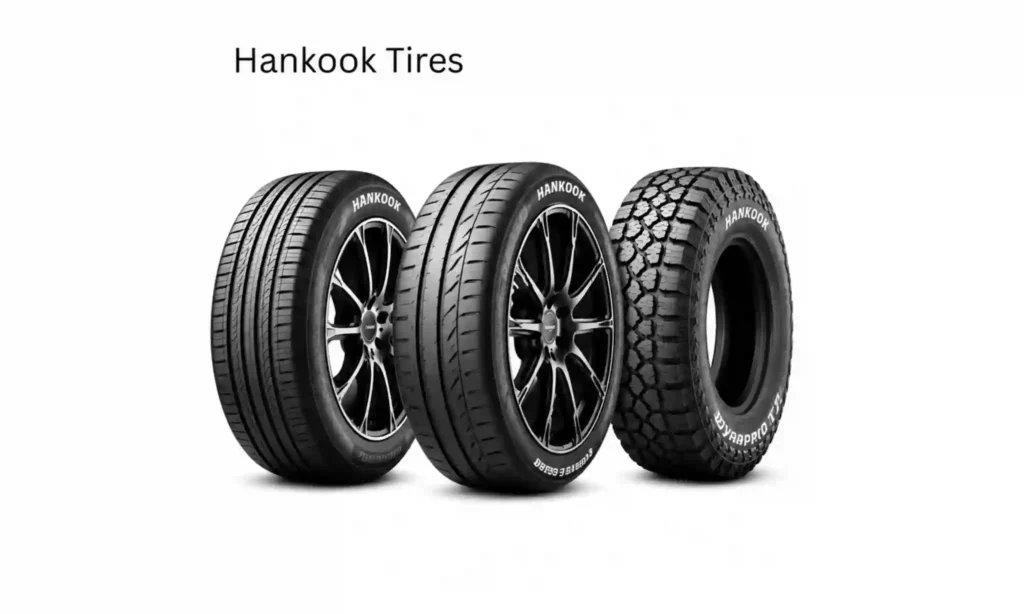
The Ultimate Brand Showdown: Hankook Tires vs Michelin
Let us dive deep into how these two famous tire makers stack up. Both brands make great rubber for cars and trucks. But they target very different types of buyers.
Why This Tire Matchup Matters
Buying tires is a big choice for your safety. You want a tire that grips the road and lasts for years. We will look closely at exactly how they drive on real roads.
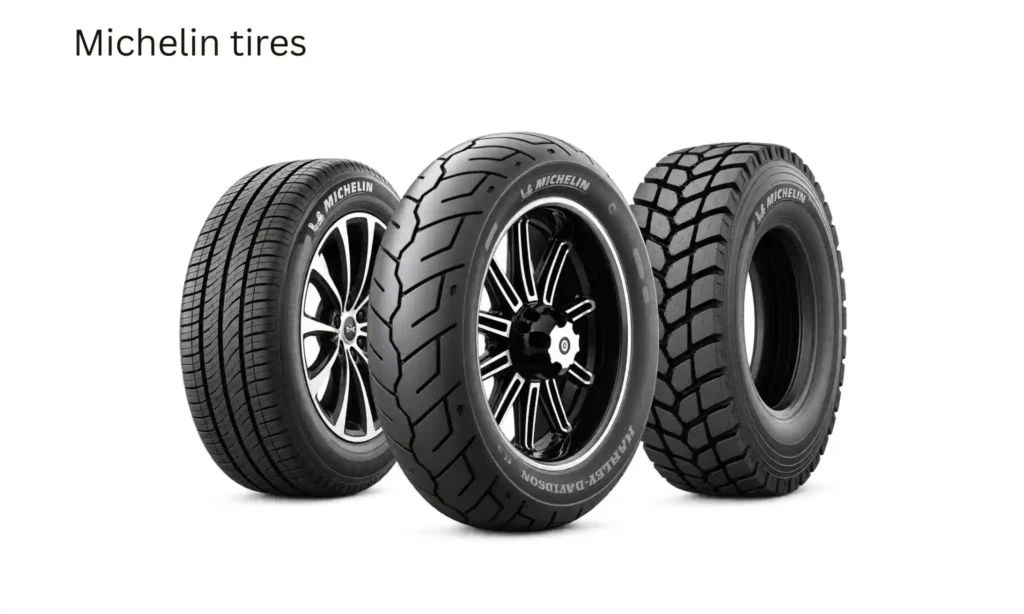
Quick Brand Overview and Spec Comparison
Getting a quick look at both brands helps you see the big picture. Michelin focuses on high-end luxury, safety, and long life. Hankook tries to bring premium features to a lower price point.
| Feature | Michelin Tires | Hankook Tires |
| Main Focus | Premium safety and long life | Great value and sporty handling |
| Price Range | Very high | Medium to affordable |
| Wet Grip | The best on the market | Good, but slips sooner |
| Ride Noise | Very quiet and smooth | Can get loud as they age |
This chart shows the basic differences between the two brands. Michelin clearly rules the premium market with top tech. Hankook owns the smart budget space by keeping costs low.
Brand Reputation and Market Positioning
Michelin is the king of premium tires. People trust them blindly because they work. They spend billions on testing to make sure you stay safe.
Hankook is the smart upgrade brand. They are not cheap bargain tires. They are mid-tier giants that often match premium grip on dry roads.
Who Should AVOID Michelin?
Skip Michelin if you only drive a few miles a week. You will pay for fancy rubber that just rots in the sun. They cost too much to sit in a garage all year.
Who Should AVOID Hankook?
Skip Hankook if you want perfect cabin silence on a luxury car. They are great tires, but they let more road noise in. They are also not the best for heavy, fast track days.
Comparing the Overall Tire Lineups
Michelin makes a tire for almost every car on the road. Their Defender line is famous for lasting a very long time. Their Pilot Sport line is loved by fast sports cars.
Hankook has a slightly smaller, but very strong lineup. The Kinergy series is great for daily car commutes. The Dynapro line tackles dirt and mud for heavy trucks.
Dry Performance Across Popular Models
Grip on dry roads keeps you safe when braking hard. The contact patch is the part of the tire that touches the road. Both brands offer huge contact patches on dry days.
| Performance Metric | Michelin Dry Grip | Hankook Dry Grip |
| Fast Braking | Stops very short | Stops slightly longer |
| Hard Cornering | Feels firm and planted | Feels sporty but soft |
| Highway Driving | Tracks straight and true | Holds the road well |
| Takeoff Speed | Grips instantly | Spits a little loose dust |
Michelin stops a few feet shorter when you slam the brakes. Hankook is very close behind. For slow daily driving, you might not feel the difference at all.
Real-World Highway Handling
I remember testing a Hankook tire on a dry summer track. It gripped corners hard and felt very safe. But the Michelin tire always felt just a bit sharper and faster.
Wet Performance and Hydroplaning Tech
Rain is where cheap tires always fail. Siping refers to the tiny cuts in the rubber that bite into wet roads. Michelin puts deep, amazing siping on all their tires.
| Wet Weather Need | Michelin Tech | Hankook Tech |
| Heavy Rain | Pushes water out fast | Pushes water out well |
| Slippery Grease | Bites through the slick | Can slide just a bit |
| Deep Puddles | Resists floating over water | Needs slower speeds |
| Wet Braking | Stops almost like dry roads | Takes longer to stop |
Michelin wins big in wet weather. They stop fast and push heavy rain away. Hankook does a great job, but can slip slightly on slick grease and oil.
“The true test of a tire is a heavy rainstorm. A good wet tire like a Michelin pays for itself the first time you do not crash into someone.”
Winter Performance and Snow Capabilities
Both brands make dedicated winter snow tires. The Michelin X-Ice is famous for sticking to pure black ice. It feels like magic in the freezing cold.
Hankook makes the Winter line of tires. It works very well in deep, fluffy snow. But it takes a bit longer to stop on hard, clear ice.
Driving on Solid Black Ice
Black ice is the scariest thing to drive on. Michelin tires use soft rubber that stays squishy in the cold. Hankook rubber gets just a bit harder, which causes some sliding.
Comfort, Road Noise, and Ride Quality
NVH stands for Noise, Vibration, and Harshness. It means how much the tire shakes and hums on the road. Michelin builds very soft, quiet tires for long trips.
| Comfort Factor | Michelin Ride | Hankook Ride |
| Cabin Noise | Almost totally silent | Hums at fast speeds |
| Big Potholes | Soaks up the hard hits | Feels stiff and jars you |
| Rough Roads | Glides right over them | Shakes the steering wheel |
| Worn Tire Noise | Stays quiet as it ages | Gets loud when half worn |
Michelin is the real winner for a quiet cabin. Hankook tires can get a little loud as they wear down over time. This matters a lot if you drive long highway miles.
Dealing with Potholes and Bumps
I once had a customer return Hankook truck tires. The heavy tread blocks hummed too loud on his daily drive. We swapped them for Michelins, and the noise vanished right away.
Tread Life and Overall Rubber Durability
Tread life tells you how long the tire will last. UTQG stands for Uniform Tire Quality Grading. A higher UTQG number means the tire takes longer to wear down.
| Tire Wear Metric | Michelin Life | Hankook Life |
| Expected Miles | 60,000 to 80,000 | 45,000 to 65,000 |
| Even Wear | Stays very flat | Can wear on the edges |
| Rubber Cracking | Fights sun rot well | Good, but dry rots faster |
| High Heat Wear | Stays tough in summer | Melts just a bit faster |
Michelin tires often outlast their own high ratings. They wear down very evenly if your car is aligned. Hankook tires last a long time, but can wear fast if you skip rotations.
Proprietary Tire Technology Explained
Michelin uses a special EverGrip rubber mix. This keeps the tire safe even when it is half worn. You do not lose wet grip as the tire gets old and thin.
Hankook uses strong steel belts inside their tires. This makes the sidewalls stiff and tough against curbs. A stiff sidewall helps the car turn fast without rolling over.
How Siping Changes Grip
Those tiny cuts called sipes open up when the tire rolls. They grab water and spit it out the back. Michelin cuts their sipes all the way down to the base.
Comparing Warranties and Customer Guarantees
A strong warranty protects your hard-earned money. Michelin offers a strict, clear mileage warranty on all tires. They stand behind their rubber for many years.
| Warranty Type | Michelin Offer | Hankook Offer |
| Tread Life | Up to 80,000 miles | Up to 70,000 miles |
| Test Drive | 60 days to return them | 30 days on some models |
| Roadside Help | Flat tire changing help | Basic defect help |
| Defect Rules | Very easy to use | Takes some paperwork |
Hankook gives very good warranties for the low price. However, Michelin gives better roadside help if you get a flat. They also offer a longer test drive period.
“Never buy a tire without reading the mileage warranty. A cheap tire with no warranty will cost you double when it goes bald in one year.”
Price and Overall Value Breakdown
Value is what you get for what you pay. Michelin tires cost a lot of money up front. Hankook tires save you a huge chunk of cash right away.
| Cost Factor | Michelin Costs | Hankook Costs |
| Set of Four | Very expensive | Much more affordable |
| Cost Per Mile | Low, because they last | Medium, replace sooner |
| Gas Savings | Rolls easy, saves gas | Average gas use |
| Mounting Fees | Same everywhere | Same everywhere |
Hankook clearly wins the upfront value war. They give you great performance for much less cash today. But Michelin is cheaper in the long run if they last three years longer.
The Absolute Best Tire From Each Brand
The Michelin Defender 2 is their best daily tire. It lasts forever and stays quiet on the highway. It is worth every single penny you pay for it.
The Hankook Kinergy PT is their top value pick. It rides smooth and comes with a big mileage promise. It is the smartest buy on a strict budget.
Which Tire Brand Is Better for Your Needs?
Buy Michelin if you want the absolute safest ride. They are best for family cars and luxury sedans. They stop fast, stay quiet, and last a very long time.
Buy Hankook if you need great tires but have a tight budget. They handle well and look very sporty. They are perfect for daily commuters who want to save cash.
Final Verdict: The Best Brand Choice
Michelin takes the final crown in this battle. They just build a better, safer, and quieter tire overall. The wet grip alone makes them the clear winner for safety.
Hankook is a great runner-up that saves you money. Do not be afraid to buy them if Michelin is too costly. Now, go check the tire size placard inside your car door. Grab a penny, walk out to your car, and measure your current tread depth right now.