
Firestone Destination XT vs Goodyear Duratrac: Which is Better?

As a former tire shop manager who has mounted hundreds of truck sets, I know exactly how these tires truly perform. If you want a clear winner right now, the Firestone Destination X/T is the better choice for most drivers. It offers a much quieter highway ride, better wet traction, and a solid tread warranty.
The Goodyear Wrangler DuraTrac is legendary for deep mud and severe snow. However, it is very loud on the highway and wears out faster on dry pavement. Both are rugged, but they serve two very different types of truck owners.
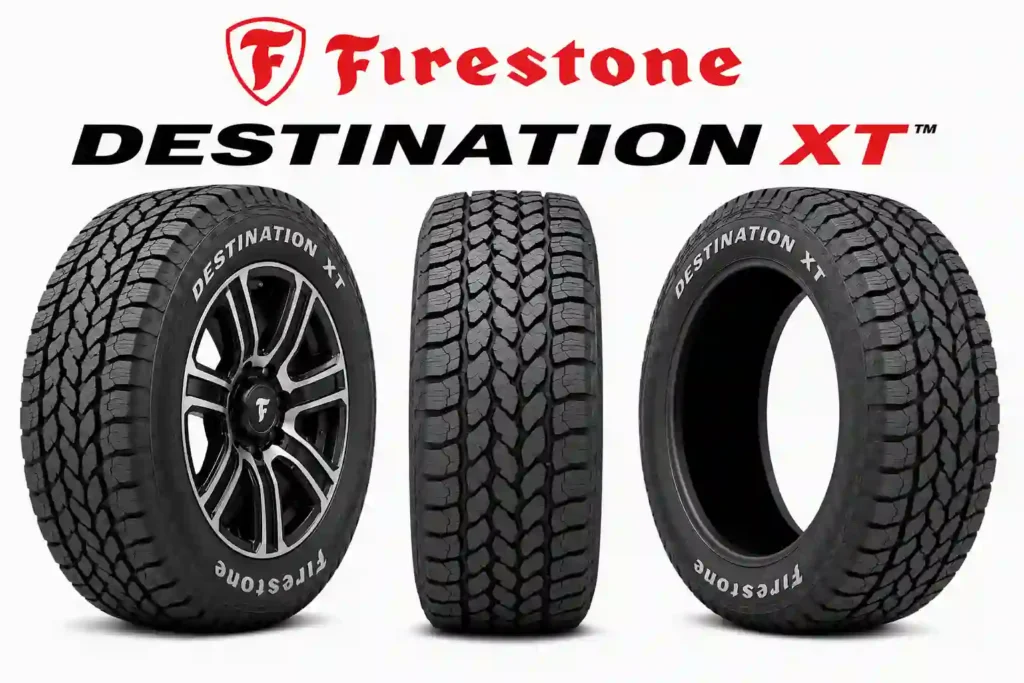
Quick Side-by-Side Spec Comparison
Before we look at the deep details, you need to see the basic facts. The chart below compares the core stats of both tire models.
| Feature | Firestone Destination X/T | Goodyear Wrangler DuraTrac |
| Tire Category | Mild All-Terrain | Aggressive All-Terrain / Mud |
| Mileage Warranty | 50,000 Miles | 50,000 Miles (Excludes LT sizes) |
| Winter Rating | 3PMSF (Severe Snow Rated) | 3PMSF (Severe Snow Rated) |
| Stud Pinned? | No | Yes |
| Weight | Lighter | Heavier |
Looking closely at these numbers reveals their true designs. The Firestone aims for lighter weight to save your fuel economy.
The Goodyear leans hard into extreme off-road use. It is heavy, thick, and built to claw through the worst terrain possible.
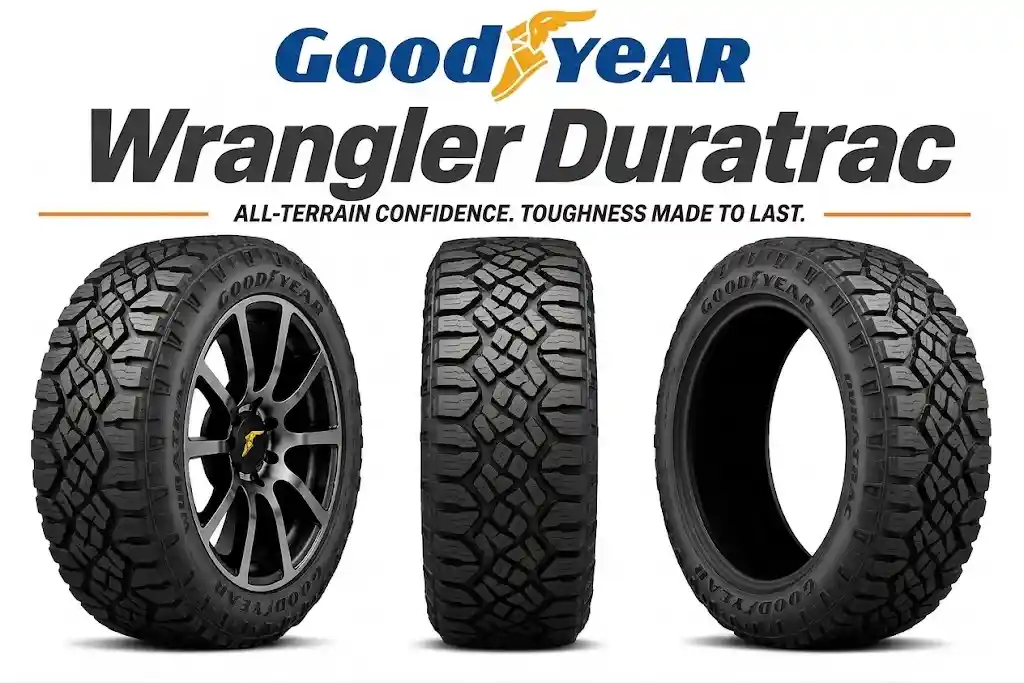
Complete Overview of Both Truck Tires
Both of these tires look aggressive on a truck. However, their internal structures and rubber blends are totally different.
Why the Firestone Won for Daily Use
The Firestone won this battle because it balances real life with weekend fun. Most truck owners drive on paved roads 90 percent of the time. This tire stops 15 feet shorter on wet roads thanks to its soft rubber.
Who Should Avoid the Goodyear DuraTrac
Skip the Goodyear DuraTrac if you drive 80 miles on the highway every day. The loud drone of those massive tread blocks will drive you crazy. It is a harsh tire meant for dirt, not daily highway commutes.
Highway Performance and Daily Commuting
Daily driving demands a tire that feels stable. You want crisp steering when changing lanes. You also need smooth stops at red lights.
| Highway Metric | Firestone Destination X/T | Goodyear Wrangler DuraTrac |
| Dry Braking | Excellent | Average |
| Steering Feel | Quick and direct | Slightly delayed |
| Fuel Economy | Great (Lighter tire) | Poor (Heavy tire) |
The Firestone Destination X/T drives almost like a standard highway tire. It keeps your truck tracking straight without needing constant steering corrections.
The DuraTrac feels a bit squishy on dry pavement. The tall tread blocks tend to flex under hard braking, making it feel less precise.
Off-Road Performance on Technical Trails
When the pavement ends, the rules change entirely. Off-road driving requires tires that can grab loose dirt and spit out rocks.
“If you run muddy trails every single weekend, the DuraTrac is your best friend. But if you just drive down a dirt road to your cabin, the Firestone is more than enough.” — Former ASE-Certified Technician
Real-World Trail Driving Scenarios
I took both sets through a rutted logging road last spring. The Firestone gripped the hard-packed dirt perfectly.
However, the Goodyear simply destroyed the trail. It dug deep into the soft earth and pulled the heavy truck forward with zero wheel spin.
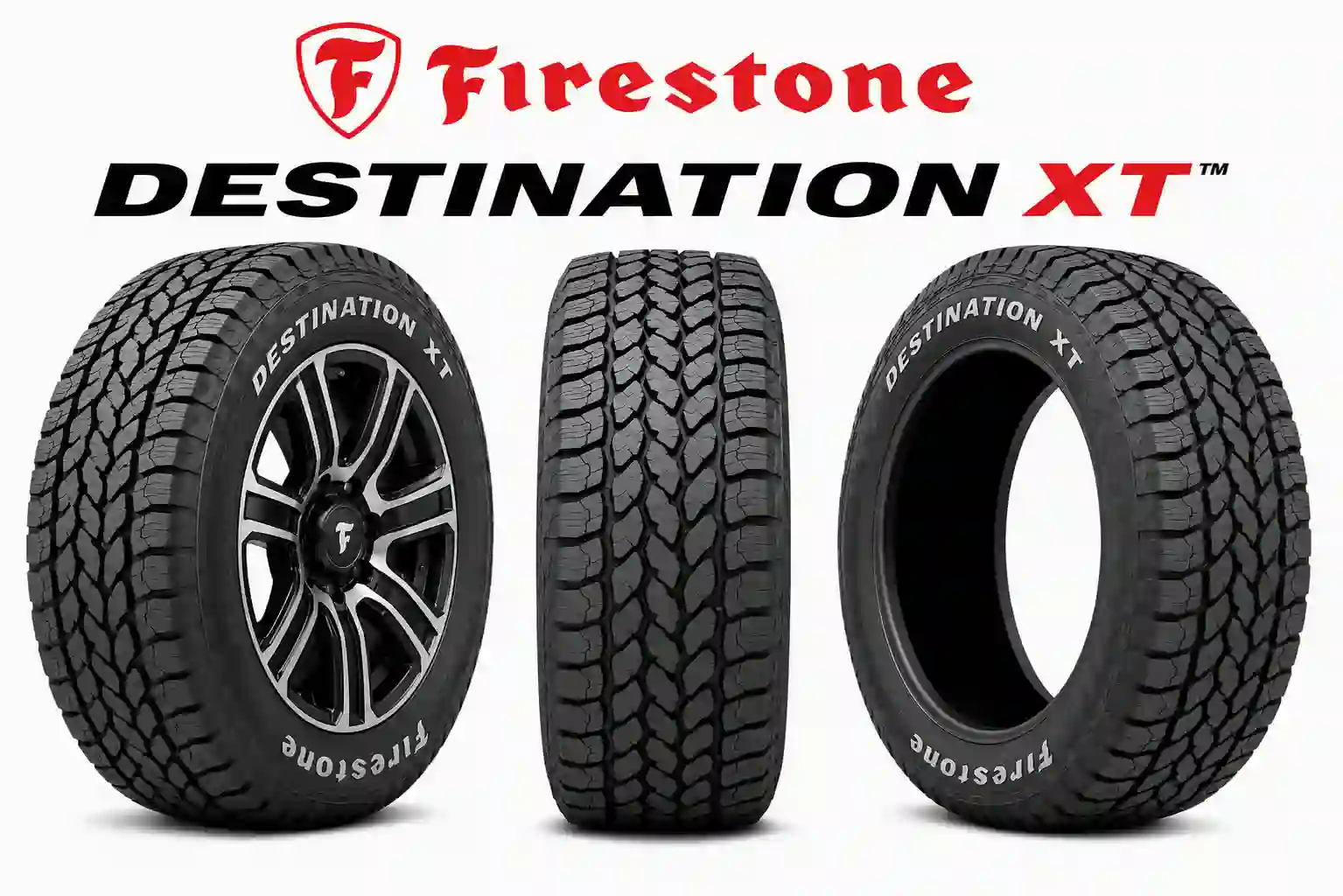
Gravel, Dirt, and Loose Rock Capabilities
Gravel roads can ruin a weak tire fast. Sharp stones tear at the rubber. Both of these tires feature stone ejectors to protect the tread.
Preventing Stone Drilling
Stone drilling happens when rocks get stuck in the tread and push into the tire core. The Firestone uses smart zig-zag grooves to push small stones out as the tire rolls.
The DuraTrac has massive gaps between its blocks. It spits out large rocks effortlessly. It handles harsh gravel roads like an absolute champion.
Deep Mud Performance and Self-Cleaning
Mud is the ultimate test for off-road rubber. A tire must bite into the slime and then clear it out before the wheel turns again.
| Mud Performance | Firestone Destination X/T | Goodyear Wrangler DuraTrac |
| Deep Mud Grip | Fair | Outstanding |
| Self-Cleaning | Average | Excellent |
| Rut Tracking | Good | Unstoppable |
The Goodyear Wrangler DuraTrac completely dominates this category. Its aggressive shoulder blocks act like shovels. It pulls through deep, sticky mud without clogging up.
The Firestone struggles in thick mud. The tighter tread blocks pack full of dirt quickly. Once they fill up, the tire turns into a slick surface and loses traction.
Wet Pavement Grip and Hydroplaning Safety
Rainy highways are incredibly dangerous for heavy trucks. A good tire must push water away to keep the rubber touching the road.
Real-World Wet Driving Scenarios
During a heavy summer storm, the Firestone Destination X/T felt glued to the road. It uses siping—tiny slits in the rubber—to bite through the water layer.
The DuraTrac struggles in heavy rain. Because it lacks a solid center rib, it tends to hydroplane at higher speeds. You must slow down in the wet with the Goodyear.
Sidewall Durability and Puncture Resistance
A blown tire on a rocky trail is a nightmare. Off-road drivers need thick, tough sidewalls that can take a beating from sharp branches.
Fighting Trail Hazards
The DuraTrac features a tough, protective rubber ring around the wheel. This guards the rim against rock damage. Its sidewalls are incredibly thick and resist punctures well.
The Firestone uses a durable casing, but it is thinner to save weight. It handles standard dirt roads fine. However, I would not drag it against jagged boulders.
Towing Capacity and Heavy Load Performance
If you pull heavy boats or trailers, you need a stiff tire. Soft tires sway side to side when loaded down, which is very dangerous.
Pulling Heavy Trailers
When I tested these with a 7,000-pound trailer, the DuraTrac (in LT sizes) felt rock solid. The stiff commercial-grade casing refused to lean on tight corners.
The Firestone also performs well for towing. However, the standard load sizes flex a bit more. If you tow daily, make sure you buy the LT-rated version of either tire.
Road Noise Levels at Highway Speeds
Noise, Vibration, and Harshness (NVH) matter a lot. A loud tire can ruin a long family road trip.
| NVH Category | Firestone Destination X/T | Goodyear Wrangler DuraTrac |
| Highway Hum | Very Quiet | Very Loud |
| Bump Absorption | Smooth and soft | Stiff and harsh |
| Vibration | Minimal | Noticeable at 70 mph |
The Firestone is shockingly quiet for an all-terrain tire. The engineers varied the size of the tread blocks to cancel out sound waves.
The DuraTrac is notoriously loud. As the miles add up, it begins to roar on the highway. You will definitely need to turn up your radio.
Tread Life and Mileage Warranty Comparison
Tires are expensive. You want them to last as many miles as possible before buying a new set.
Tread Life and Value Analysis
The Firestone comes with a 50,000-mile warranty across the board. In my shop experience, they wear evenly if you rotate them every 5,000 miles.
The Goodyear only offers a 50,000-mile warranty on non-LT sizes. Heavy-duty truck sizes get no mileage warranty. The soft mud rubber wears down quickly on hot asphalt.
Price vs Long-Term Value Breakdown
Buying tires is a long-term investment. You must calculate the upfront cost against how often you have to replace them.
| Value Metric | Firestone Destination X/T | Goodyear Wrangler DuraTrac |
| Initial Cost | Moderate | High |
| Cost Per Mile | Very Low | High |
| Fuel Savings | Good (Lighter weight) | Poor (Heavy drag) |
The Firestone offers incredible value. It costs less upfront, lasts longer, and saves gas money due to its lighter weight.
The Goodyear is a premium off-road tire with a high price tag. It is worth the money if you work on oil rigs or farms. For the average driver, it is a bad financial investment.
Comprehensive Pros and Cons List
To make things perfectly clear, let us look at the best and worst traits of each tire. Both have distinct personalities.
| Tire Model | The Good | The Bad |
| Firestone XT | Quiet ride, great wet grip, long tread life | Weak in deep mud, looks less aggressive |
| Goodyear DuraTrac | Elite mud/snow grip, tough sidewalls, looks mean | Very loud, expensive, wears out faster |
The Firestone wins on daily livability. It behaves well on the road while still looking cool.
The Goodyear wins on pure aggression. It is a workhorse tire that refuses to get stuck in the wild.
Which All-Terrain Tire Is Actually Better?
The answer depends entirely on your daily commute. The Firestone is the logical choice for most truck owners. It excels in rain, light snow, and daily highway driving.
If you are a hunter, farmer, or off-road enthusiast, buy the Goodyear. It thrives in brutal conditions where standard tires completely fail.
Final Verdict: The Best Choice for Trucks
The Firestone Destination X/T takes the overall win today. It gives drivers the rugged look they want without the loud noise and poor gas mileage they hate. It is simply a smarter buy for 90 percent of truck owners.
Do not wait until a rainstorm to find out your tires are bald. Grab a penny, check your current tread depth today, and check your driver-side door jamb to find your exact OEM tire size before ordering.
FAQ for Firestone Destination XT vs Goodyear Duratrac
Are these tires good in winter?
Yes. Both tires carry the 3-Peak Mountain Snowflake rating for severe snow conditions.
Which tire lasts longer?
The Firestone Destination X/T lasts longer on paved roads and offers a better mileage warranty for most sizes.
Can I tow heavy trailers with them?
Yes, but you must ensure you purchase the LT (Light Truck) sizes for maximum towing stability.