Durable Jump Starter
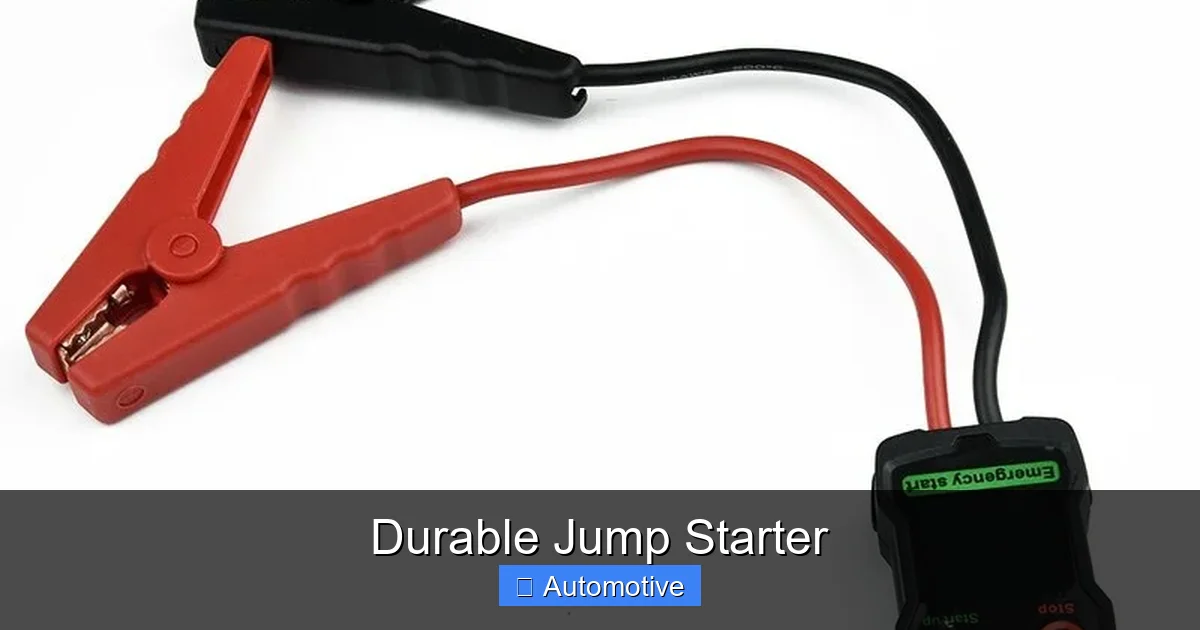
A durable jump starter is a must-have tool for every driver, offering peace of mind during battery emergencies. These compact devices pack enough power to jump-start vehicles without another car, making them ideal for roadside breakdowns, cold weather, or forgotten headlights.
In This Article
- 1 Key Takeaways
- 2 📑 Table of Contents
- 3 What Is a Durable Jump Starter?
- 4 Why Durability Matters in a Jump Starter
- 5 Key Features of a High-Quality Durable Jump Starter
- 6 Top Uses for a Durable Jump Starter
- 7 How to Choose the Right Durable Jump Starter
- 8 Maintenance and Care Tips
- 9 Conclusion
- 10 Frequently Asked Questions
Key Takeaways
- Portable Power: Durable jump starters are compact and lightweight, fitting easily in your glove box or trunk for on-the-go use.
- No Second Vehicle Needed: Unlike traditional jumper cables, these devices work independently, so you don’t need another car to get moving.
- Built to Last: High-quality models feature rugged casings, weather resistance, and long-lasting lithium batteries designed for repeated use.
- Multi-Functionality: Many durable jump starters double as power banks, USB chargers, and LED flashlights—adding extra value.
- Safe and Smart: Advanced safety features like reverse polarity protection, short-circuit prevention, and spark-proof technology keep you and your vehicle safe.
- Ideal for All Vehicles: From compact cars to trucks and motorcycles, a good jump starter can handle a wide range of engine sizes.
- Weather Resilience: Top models perform reliably in extreme cold or heat, ensuring help when you need it most.
📑 Table of Contents
What Is a Durable Jump Starter?
A durable jump starter is a portable battery-powered device designed to restart a vehicle with a dead or weak battery. Unlike traditional jumper cables that require a second running vehicle, a jump starter works independently—making it a lifesaver when you’re stranded in a parking lot, on a remote road, or during winter storms.
These devices store electrical energy in high-capacity lithium-ion or lithium-polymer batteries. When connected to your car’s battery terminals, they deliver a strong burst of power to crank the engine and get you back on the road. What sets a *durable* jump starter apart is its build quality, reliability, and ability to withstand repeated use in tough conditions.
Think of it as your personal roadside assistant. Whether you accidentally left your headlights on overnight or your battery is struggling in sub-zero temperatures, a durable jump starter gives you the power to take control—no waiting for a tow truck or flagging down a stranger.
How Does It Work?
Jump starters work by mimicking the function of another car’s battery. When your vehicle’s battery is dead, it can’t provide the necessary voltage to start the engine. A jump starter steps in with its own stored energy, sending a high-current charge directly to your battery or starter motor.
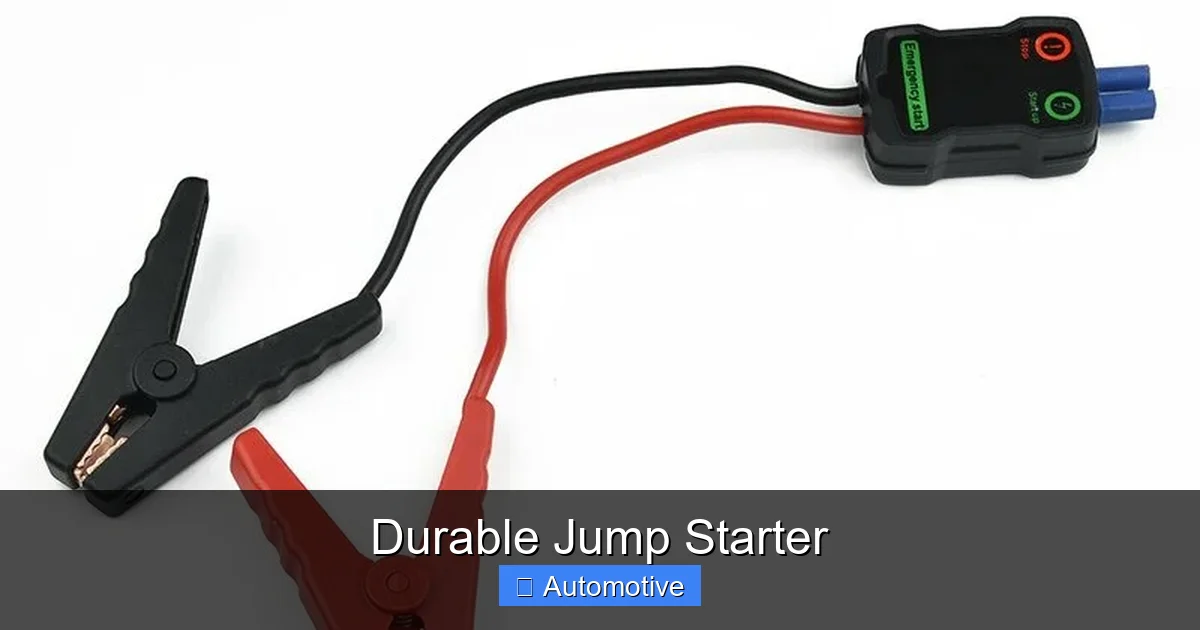
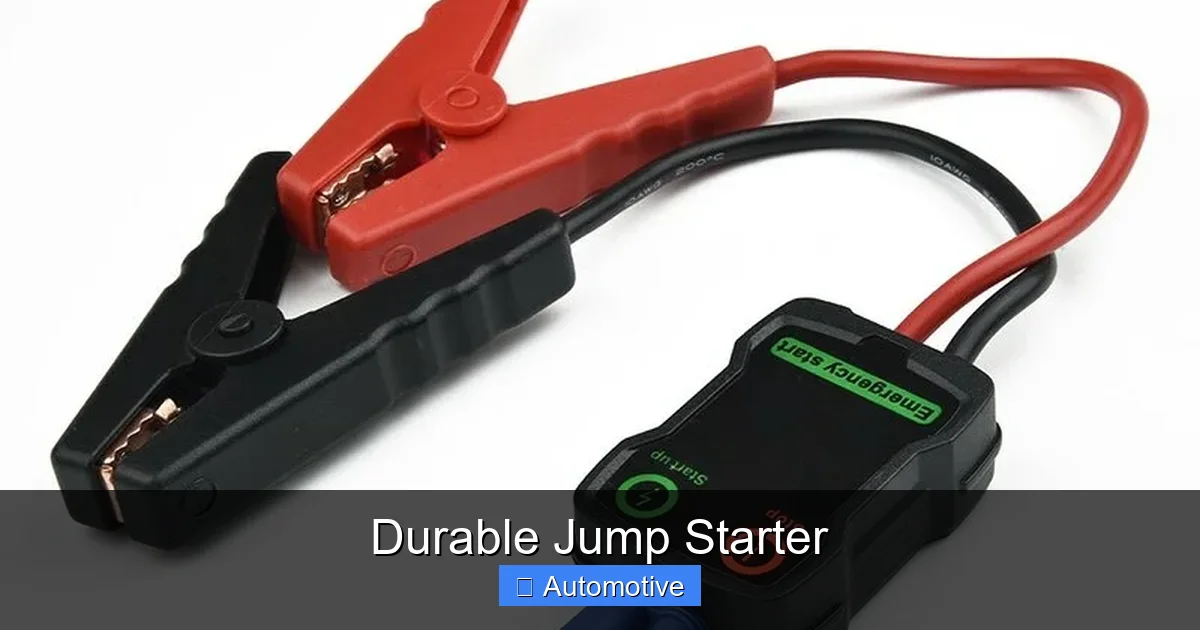
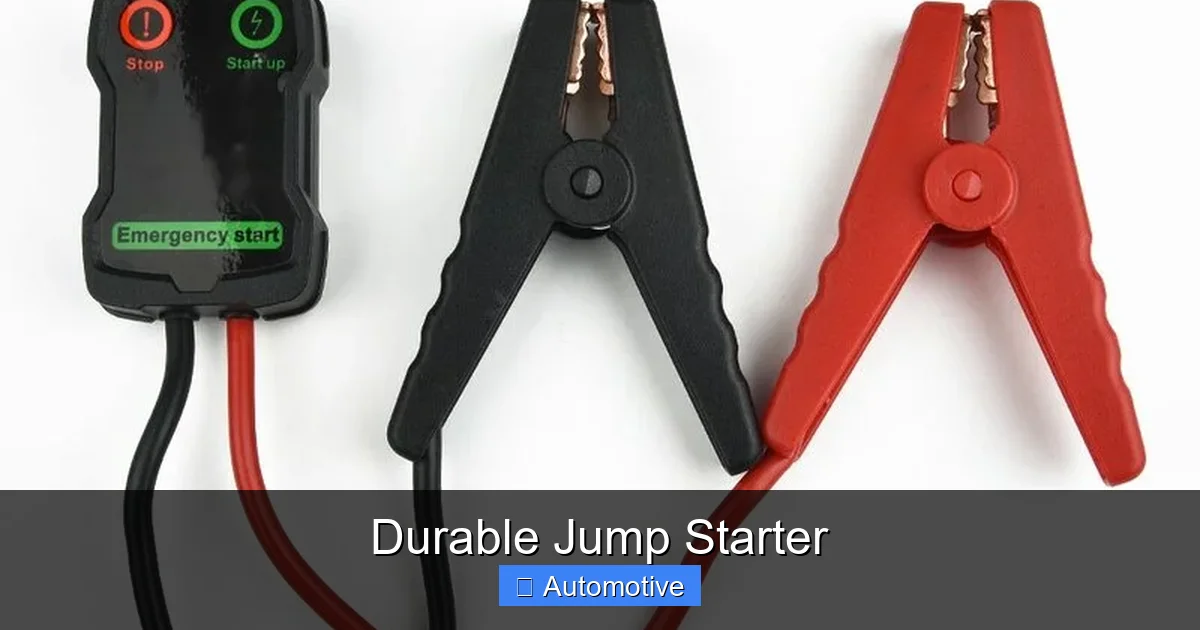
Most modern jump starters use smart technology to detect the correct polarity and deliver power safely. You simply connect the red clamp to the positive terminal and the black clamp to the negative (or a grounded metal part), press a button, and attempt to start your engine. Within seconds, your car should roar to life.
The entire process takes less than five minutes and requires no special tools or mechanical knowledge. It’s as easy as charging your phone—just with a lot more power.
Why Durability Matters in a Jump Starter
Visual guide about Durable Jump Starter
Image source: img.bestdealplus.com
When you’re stuck on the side of the road at 2 a.m. in the middle of a snowstorm, you don’t want to worry about whether your jump starter will work. That’s where durability becomes critical.
A durable jump starter is built to handle real-world conditions. It’s not just about surviving a few drops—it’s about performing reliably over time, in extreme temperatures, and under repeated stress. Cheap or flimsy models may work once or twice, but they often fail when you need them most.
Durability also means longevity. A well-made jump starter can last for years, even with monthly use. It’s an investment in safety and convenience, not a disposable gadget.
Materials and Build Quality
Top-tier jump starters are made with rugged, impact-resistant materials like reinforced polycarbonate or rubberized coatings. These protect the internal components from drops, vibrations, and moisture.
Look for models with IP-rated enclosures—such as IP65 or IP67—which indicate resistance to dust and water. An IP67 rating means the device can be submerged in up to one meter of water for 30 minutes without damage. That’s peace of mind if you’re using it in the rain or snow.
Internal components are equally important. High-quality lithium batteries (like LiFePO4) offer better thermal stability and longer cycle life than standard lithium-ion. They’re less likely to overheat or degrade over time, even after hundreds of uses.
Performance in Extreme Conditions
Cold weather is the enemy of car batteries. When temperatures drop below freezing, battery capacity can decrease by 30–50%, making it harder to start your engine. A durable jump starter must be able to deliver strong cranking amps (CA) and peak amps (PA) even in sub-zero conditions.
Many premium models are rated for use in temperatures as low as -4°F (-20°C). They use advanced battery management systems (BMS) to regulate power output and prevent damage from cold-induced stress.
Heat is another challenge. Prolonged exposure to high temperatures can degrade battery life. Durable jump starters often include thermal sensors that shut down the device if it overheats, protecting both the unit and your vehicle.
Key Features of a High-Quality Durable Jump Starter
Visual guide about Durable Jump Starter
Image source: img.bestdealplus.com
Not all jump starters are created equal. While the basic function is the same, the best models come packed with features that enhance safety, usability, and versatility.
When shopping for a durable jump starter, focus on these essential features to ensure you’re getting a reliable, long-lasting tool.
High Cranking and Peak Amps
The power of a jump starter is measured in cranking amps (CA) and peak amps (PA). Cranking amps refer to the amount of current the device can deliver at 32°F (0°C) for 30 seconds, while peak amps indicate the maximum surge of power it can provide instantly.
For most cars and SUVs, a jump starter with 600–1000 peak amps is sufficient. Trucks, vans, and diesel engines may require 1000–2000 peak amps or more. Always check your vehicle’s manual to determine the recommended cranking power.
A durable jump starter should maintain consistent power output over multiple uses. Some models even include digital displays that show remaining battery life and output voltage, so you know exactly how much juice is left.
Advanced Safety Protections
Safety is non-negotiable when dealing with high-voltage devices. A durable jump starter should include multiple layers of protection to prevent accidents.
Look for features like:
– Reverse polarity protection: Alerts you if the clamps are connected incorrectly.
– Spark-proof technology: Prevents sparks when connecting or disconnecting clamps.
– Short-circuit protection: Automatically shuts off power if a short is detected.
– Overcharge and over-discharge protection: Safeguards the internal battery from damage.
– Overheating protection: Cuts power if the device gets too hot.
These features not only protect the jump starter but also prevent damage to your vehicle’s electrical system. They’re especially important if you’re not experienced with car batteries.
Multi-Function Design
The best durable jump starters do more than just start your car. Many double as portable power banks, allowing you to charge phones, tablets, laptops, and other USB devices.
Look for models with multiple USB ports (including USB-C), 12V DC outputs, and even AC inverters for powering small appliances. Some even include built-in LED flashlights with strobe and SOS modes—perfect for emergencies or nighttime repairs.
For example, the NOCO Boost Plus GB40 is a popular durable jump starter that can jump-start vehicles up to 6.0L gas and 3.0L diesel engines, charge devices via USB, and includes a bright LED flashlight. It’s compact, lightweight, and built to last.
Fast Recharge and Long Shelf Life
A jump starter is only useful if it’s charged when you need it. A durable model should recharge quickly—ideally in 1–3 hours via a standard wall outlet or USB-C port.
Even better, many modern jump starters hold their charge for months. Some can retain up to 80% of their charge after 6–12 months of storage. That means you can toss it in your trunk and forget about it—until you need it.
Look for models with low self-discharge rates and smart charging systems that top off the battery automatically when needed.
Top Uses for a Durable Jump Starter
Visual guide about Durable Jump Starter
Image source: img.bestdealplus.com
A durable jump starter isn’t just for dead batteries. Its versatility makes it useful in a wide range of situations—both on and off the road.
Emergency Roadside Assistance
The most obvious use is jump-starting your car when the battery dies. This can happen for many reasons: leaving lights on, extreme weather, or an aging battery.
With a jump starter, you don’t have to wait for roadside assistance or rely on a stranger with jumper cables. You can get back on the road in minutes—safely and independently.
For example, imagine you’re on a road trip and your car won’t start at a remote rest stop. Instead of calling a tow truck and waiting hours, you pull out your jump starter, connect the clamps, and restart your engine in under five minutes.
Winter Weather Preparedness
Cold weather is tough on car batteries. A durable jump starter is a must-have in snowy or icy climates. It ensures you’re never stranded during a winter storm.
Many models are specifically designed for cold-weather performance, with batteries that maintain power even in freezing temperatures. Some even include heated grips or insulated clamps for easier handling in the cold.
Keep one in your winter emergency kit along with blankets, food, and a flashlight. It could be the difference between a minor inconvenience and a dangerous situation.
Outdoor Adventures and Off-Grid Use
If you enjoy camping, boating, or overlanding, a durable jump starter can be a game-changer. It can power your vehicle, charge devices, and even run small appliances at your campsite.
Some models are rugged enough to withstand outdoor conditions, with waterproof casings and shock-resistant designs. They’re perfect for RVs, boats, ATVs, and other off-road vehicles.
For instance, if your boat’s battery dies while you’re out on the lake, a jump starter can get you back to shore without calling for a tow.
Everyday Convenience
Even if you don’t face emergencies often, a jump starter adds everyday convenience. Use it to charge your phone during a long drive, power a portable cooler, or run a tire inflator.
Many people keep one in their glove box or center console for quick access. It’s like having a mini power station in your car.
How to Choose the Right Durable Jump Starter
With so many options on the market, choosing the right jump starter can feel overwhelming. Here’s a simple guide to help you pick the best one for your needs.
Match the Power to Your Vehicle
The first step is to match the jump starter’s power to your vehicle’s engine size. Here’s a quick reference:
– Compact cars (up to 4-cylinder): 400–600 peak amps
– Sedans and SUVs (4–6 cylinder): 600–1000 peak amps
– Trucks and large SUVs (V6/V8): 1000–2000 peak amps
– Diesel engines: 1500+ peak amps
Check your owner’s manual for the recommended cranking amps (CCA) of your battery. Choose a jump starter with at least 1.5 times that number for safe, reliable starts.
Consider Portability and Size
A durable jump starter should be compact enough to store easily but powerful enough to get the job done. Look for models that weigh under 3 pounds and fit in a backpack or glove box.
Some ultra-portable models are the size of a smartphone, while others are larger but offer more power and features. Balance size with performance based on your needs.
Check Battery Type and Lifespan
Lithium-ion (Li-ion) batteries are common and affordable but may degrade faster over time. Lithium iron phosphate (LiFePO4) batteries are more durable, safer, and last longer—often up to 10 years or 2000 charge cycles.
If you plan to use your jump starter frequently or store it for long periods, LiFePO4 is the better choice.
Read Reviews and Warranty
Before buying, read customer reviews to see how the jump starter performs in real-world conditions. Look for feedback on reliability, ease of use, and durability.
Also, check the warranty. A good durable jump starter should come with at least a 1–2 year warranty. Some brands, like NOCO and GOOLOO, offer 2–3 year warranties and excellent customer support.
Test It Regularly
Once you have your jump starter, test it every few months to ensure it’s holding a charge. Most models have a button or LED indicator to check battery level.
Keep it charged and store it in a cool, dry place. Avoid leaving it in extreme heat or cold for long periods.
Maintenance and Care Tips
To keep your durable jump starter in top condition, follow these simple maintenance tips.
Keep It Charged
Even if you don’t use it often, recharge your jump starter every 3–6 months. This prevents the battery from deep-discharging, which can reduce its lifespan.
Most models have a built-in indicator light that shows charge level. Green means fully charged, red means it needs power.
Clean the Clamps and Ports
Dirt, grease, and corrosion can interfere with connections. Wipe the clamps and USB ports with a dry cloth regularly. For stubborn grime, use a cotton swab with a little isopropyl alcohol.
Avoid using water or harsh chemicals, which can damage the device.
Store Properly
Store your jump starter in a cool, dry place—like your car’s trunk or a garage cabinet. Avoid direct sunlight, high humidity, or extreme temperatures.
If you live in a cold climate, bring it inside during winter months to prevent battery damage.
Inspect for Damage
Before each use, inspect the clamps, cables, and casing for cracks, fraying, or wear. Damaged components can be unsafe and should be replaced.
If you notice any issues, stop using the device and contact the manufacturer.
Conclusion
A durable jump starter is more than just a backup tool—it’s a smart investment in safety, convenience, and peace of mind. Whether you’re commuting to work, taking a road trip, or braving winter weather, having a reliable jump starter in your vehicle ensures you’re never truly stranded.
Look for a model that’s powerful enough for your vehicle, built to last, and packed with safety features. With the right jump starter, you’ll be ready for anything the road throws your way.
Don’t wait until your battery dies to think about it. Add a durable jump starter to your car today—and drive with confidence.
Frequently Asked Questions
How long does a durable jump starter last?
A high-quality durable jump starter can last 3–10 years, depending on usage and battery type. Lithium iron phosphate (LiFePO4) models typically last longer than standard lithium-ion versions.
Can a jump starter damage my car?
No, if used correctly. Modern durable jump starters include safety features like reverse polarity protection and spark-proof technology to prevent damage to your vehicle’s electrical system.
Do I need to recharge the jump starter after each use?
Yes, it’s best to recharge it as soon as possible after use. Most models hold their charge for months, but recharging ensures it’s ready for the next emergency.
Can I use a jump starter in the rain?
Yes, if it has a waterproof rating like IP65 or IP67. These models are designed to resist water and can be used safely in light rain or snow.
What vehicles can a durable jump starter power?
Most durable jump starters can handle cars, SUVs, trucks, motorcycles, boats, and RVs. Check the peak amp rating to ensure it matches your vehicle’s engine size.
Is a jump starter better than jumper cables?
A jump starter offers more convenience and independence since it doesn’t require another vehicle. It’s also safer and easier to use, especially for beginners.