
Does Turning on the Heater Cool the Engine?

Does Turning on the Heater Cool the Engine? is an essential topic that provides valuable insights and practical knowledge for anyone interested in learning more about this subject.
Key Takeaways
- Turning on the heater helps cool the engine by diverting hot coolant to the heater core, reducing engine temperature.
- Use the heater as a temporary fix during overheating, but address the root cause to prevent engine damage.
- Set the heater to max heat and fan speed for maximum cooling effect on the engine.
- Never remove the radiator cap when hot—wait for the engine to cool to avoid dangerous steam burns.
- Check coolant levels regularly to ensure the cooling system functions properly and efficiently.
- A malfunctioning thermostat can cause overheating—replace it if the engine runs hot even with the heater on.
- Heater effectiveness depends on system integrity—a clogged heater core may limit its cooling ability.
📑 Table of Contents
- Does Turning on the Heater Cool the Engine?
- How Your Car’s Heating System Works
- The Connection Between Heater and Engine Cooling
- When the Heater Can Help Cool the Engine
- Limitations and Risks of Relying on the Heater
- Practical Tips for Using the Heater to Manage Engine Temperature
- Data Table: Heater Use and Engine Temperature Impact
- Conclusion
Does Turning on the Heater Cool the Engine?
Picture this: It’s a chilly morning, you hop into your car, and the engine feels a little sluggish after sitting overnight. You turn the key, and as the engine warms up, you flip on the heater to take the edge off the cold. But then a thought pops into your head—wait, does turning on the heater actually cool the engine? It sounds counterintuitive, right? After all, the heater is pumping warm air into the cabin, so how could it possibly help cool anything under the hood?
You’re not alone in wondering this. Many drivers, especially those new to car maintenance or just trying to stay comfortable in extreme weather, have questioned whether using the heater affects engine temperature. The short answer? Yes, turning on the heater can help cool the engine—but only under specific conditions and in a very particular way. It’s not a magic coolant, and it won’t save an overheating engine on its own. But understanding how your car’s heating system works—and how it’s connected to the engine’s cooling system—can give you valuable insight into your vehicle’s health and performance.
In this post, we’ll dive deep into the mechanics behind your car’s heater and cooling system, explain why the heater can act as a temporary cooling aid, and share practical tips for using it wisely. Whether you’re dealing with summer heat, a malfunctioning radiator, or just curious about how your car works, this guide will help you make smarter decisions behind the wheel.
How Your Car’s Heating System Works
Before we can answer whether the heater cools the engine, we need to understand how the heating system actually functions. Unlike your home furnace, which burns fuel to generate heat, your car’s heater uses waste heat from the engine itself. This might sound surprising, but it’s a clever bit of engineering that turns excess thermal energy into cabin comfort.
Visual guide about Does Turning on the Heater Cool the Engine?
Image source: m.media-amazon.com
The Role of Engine Coolant
At the heart of your car’s heating system is the engine coolant—a mixture of water and antifreeze that circulates through the engine block and cylinder head. As the engine runs, it generates a tremendous amount of heat. Without proper cooling, critical components would warp, seize, or fail entirely. That’s where the coolant comes in. It absorbs heat from the engine and carries it away to the radiator, where it’s dissipated into the air.
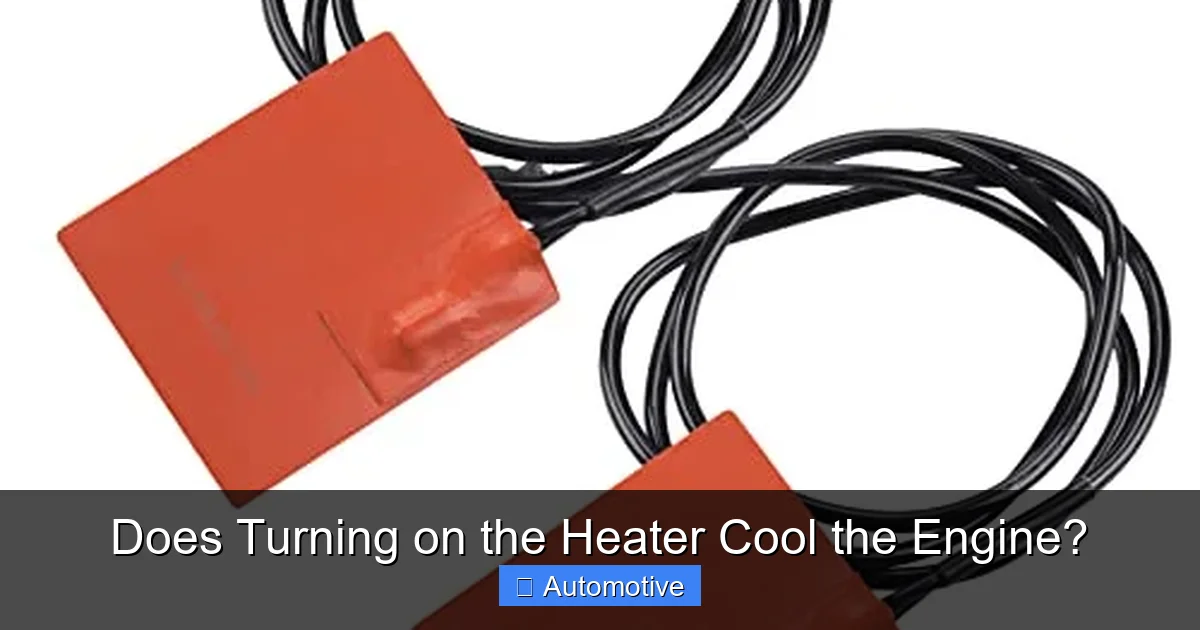
But here’s the key: not all of that heat goes to the radiator. Some of it is diverted to the heater core, a small radiator-like component located inside the dashboard. When you turn on the heater, a valve (called the heater control valve) opens, allowing hot coolant to flow into the heater core. A fan then blows air over the warm core, pushing heated air into the cabin.
The Heater Core: A Mini Radiator
Think of the heater core as a tiny version of the main radiator. It’s made of thin tubes and fins, just like the radiator under the hood, and it’s designed to transfer heat from the coolant to the air. When the heater is on, the coolant flows through this core, releasing heat into the cabin. This process doesn’t create new heat—it simply redirects existing heat that would otherwise be wasted.
This is why your heater doesn’t work when the engine is cold. Until the engine reaches operating temperature (usually around 195°F or 90°C), the coolant isn’t hot enough to warm the heater core. That’s also why it takes a few minutes after starting your car in winter before the heater starts blowing warm air.
How the Blower Fan Plays a Role
The blower fan is what pushes air through the heater core and into the cabin. The speed of the fan determines how much warm air you feel. Higher fan speeds mean more airflow over the heater core, which increases the amount of heat transferred from the coolant to the air. This is important because the more heat the heater removes from the coolant, the more it can theoretically help cool the engine.
However, the blower fan doesn’t directly affect engine temperature—it only influences how efficiently the heater core dissipates heat. So while cranking the fan to high might make you feel warmer, it doesn’t drastically change the engine’s cooling dynamics unless the system is already under stress.
The Connection Between Heater and Engine Cooling
Now that we understand how the heater works, let’s explore its relationship with the engine’s cooling system. The two systems are deeply interconnected, sharing the same coolant, thermostat, water pump, and even the radiator in some cases. This shared infrastructure means that actions in one system can influence the other—sometimes in unexpected ways.
Visual guide about Does Turning on the Heater Cool the Engine?
Image source: desiautocare.com
Shared Coolant Circulation
The engine and heater core are part of the same closed-loop cooling system. Coolant flows from the engine, through the heater core (when the heater is on), then to the radiator, and back to the engine via the water pump. This continuous circulation ensures that heat is constantly being moved away from critical engine components.
When the heater is turned on, more coolant flows through the heater core. This increases the total surface area available for heat dissipation. In other words, the heater core acts as a secondary radiator, helping to remove heat from the coolant before it returns to the engine. This can be especially helpful when the main radiator is struggling—such as in stop-and-go traffic or on a hot day.
Thermostat and Coolant Flow Regulation
The thermostat plays a crucial role in regulating coolant flow. It’s a temperature-sensitive valve that opens and closes based on engine temperature. When the engine is cold, the thermostat remains closed, keeping coolant circulating only within the engine block to speed up warm-up. Once the engine reaches operating temperature, the thermostat opens, allowing coolant to flow to the radiator and heater core.
When you turn on the heater, you’re essentially telling the system to prioritize heat transfer to the cabin. This can encourage the thermostat to stay open longer or open more fully, promoting better overall coolant circulation. In this way, the heater indirectly supports the engine’s cooling process by ensuring that coolant keeps moving efficiently.
Impact on Engine Temperature Under Load
Under normal driving conditions, the heater has a minimal effect on engine temperature. The radiator and cooling fan are more than capable of handling the heat load. However, in situations where the engine is under heavy load—like towing, climbing hills, or idling in traffic on a hot day—the cooling system may struggle to keep up.
In these cases, turning on the heater can provide a small but meaningful cooling benefit. By diverting some heat to the cabin, the heater reduces the thermal burden on the radiator. This can help prevent the engine from overheating, especially if the radiator is partially blocked, the coolant level is low, or the cooling fan isn’t working properly.
When the Heater Can Help Cool the Engine
So, does turning on the heater actually cool the engine? The answer is yes—but only in specific scenarios. It’s not a substitute for proper cooling system maintenance, and it won’t fix a serious overheating issue. However, in certain situations, using the heater can provide a temporary cooling boost that helps stabilize engine temperature.
Visual guide about Does Turning on the Heater Cool the Engine?
Image source: heaterwise.com
During Overheating Emergencies
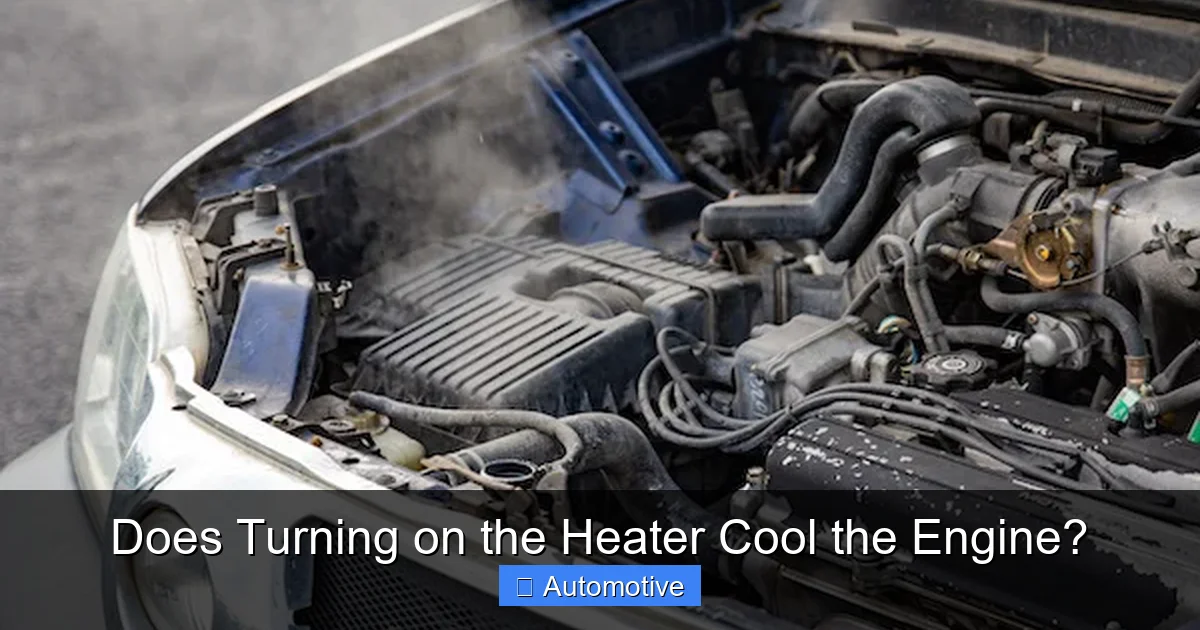
If your temperature gauge starts creeping into the red zone, turning on the heater can be a smart first step. By activating the heater, you’re essentially turning your cabin into a secondary heat sink. The heater core absorbs heat from the coolant, reducing the overall temperature of the system. This can buy you precious time to pull over safely or reach a service station.
For example, imagine you’re driving up a steep mountain pass on a 95°F day. Your engine is working hard, and suddenly the temperature warning light comes on. Instead of panicking, you turn the heater to full blast and crank the fan to high. Within a minute or two, you notice the temperature gauge begins to drop slightly. That’s the heater doing its job—diverting heat away from the engine and into the cabin.
In Stop-and-Go Traffic
Stop-and-go traffic is one of the worst conditions for engine cooling. With little airflow over the radiator and frequent idling, the engine can quickly build up heat. In these situations, turning on the heater can help. The increased coolant flow through the heater core provides an additional pathway for heat dissipation, helping to keep the engine within a safe temperature range.
This is especially true for older vehicles or those with less efficient cooling systems. If you drive a classic car or a high-mileage vehicle, using the heater during traffic jams can be a simple way to reduce thermal stress on the engine.
When the Radiator Is Compromised
If your radiator is partially clogged, low on coolant, or has a malfunctioning fan, the engine may struggle to cool itself effectively. In these cases, the heater can act as a backup cooling mechanism. While it won’t replace the radiator’s function, it can supplement it by removing some of the heat load.
For instance, if you notice coolant leaking from the radiator hose, you might not be able to drive far before overheating. But by turning on the heater and driving at moderate speeds, you can extend your range and avoid a complete breakdown. Just remember: this is a temporary fix. You’ll still need to address the underlying issue as soon as possible.
Extreme Weather Conditions
In very hot climates, engines are more prone to overheating. Turning on the heater during peak summer heat can help manage engine temperature, especially if you’re driving a vehicle with a smaller radiator or a high-performance engine that generates more heat.
Similarly, in cold weather, the heater can help maintain optimal engine temperature by encouraging coolant circulation. While this doesn’t “cool” the engine in the traditional sense, it helps prevent the engine from running too cool, which can reduce fuel efficiency and increase emissions.
Limitations and Risks of Relying on the Heater
While the heater can provide some cooling benefits, it’s important to understand its limitations. Relying on it as a primary cooling method can lead to discomfort, inefficiency, and even damage if not used properly.
It’s Not a Permanent Solution
The heater is not designed to replace the radiator or cooling fan. It’s a secondary system meant for cabin comfort, not engine cooling. If your engine is overheating, turning on the heater might help temporarily, but it won’t fix the root cause. Ignoring warning signs and continuing to drive with an overheating engine can lead to serious damage, including blown head gaskets, warped cylinder heads, or even engine seizure.
For example, if your coolant level is low due to a leak, the heater might help for a short time, but once the coolant runs out, the engine will overheat rapidly—regardless of whether the heater is on. Always address the underlying issue promptly.
Discomfort in Hot Weather
One obvious downside of using the heater to cool the engine is the discomfort it causes inside the car. Blowing hot air into the cabin on a sweltering day is unpleasant, to say the least. While it might be worth it in an emergency, it’s not a sustainable solution for daily driving.
In extreme cases, the cabin can become unbearably hot, leading to driver fatigue, dehydration, or even heat-related illness. This is especially risky for passengers, children, or pets. Always weigh the benefits against the comfort and safety of everyone in the vehicle.
Potential for Coolant System Stress
Constantly running the heater at high settings can put additional stress on the coolant system. The heater core, hoses, and water pump are designed for normal use, not continuous high-heat operation. Over time, this can lead to premature wear, leaks, or failure.
Additionally, if the heater core becomes clogged with debris or sediment, it can restrict coolant flow, reducing its effectiveness and potentially causing overheating. Regular maintenance, including coolant flushes and inspections, is essential to keep the system running smoothly.
Fuel Efficiency Impact
Using the heater doesn’t directly consume fuel, but it can indirectly affect efficiency. When the engine is working harder to maintain temperature—especially if it’s already under stress—it may burn more fuel. Additionally, if the heater is diverting heat that would otherwise be used to warm the engine in cold weather, it can increase warm-up time and reduce fuel economy.
While the impact is usually minor, it’s something to consider if you’re trying to maximize efficiency or reduce emissions.
Practical Tips for Using the Heater to Manage Engine Temperature
Now that we’ve covered the science and limitations, let’s talk about how to use the heater wisely to support engine cooling. These practical tips can help you stay safe and comfortable while protecting your vehicle.
Monitor the Temperature Gauge
The first step is to keep an eye on your temperature gauge. Most cars have a gauge on the dashboard that shows engine temperature. Normal operating range is usually between 195°F and 220°F (90°C to 105°C). If the needle starts creeping toward the red zone, it’s time to take action.
Don’t wait for the warning light to come on—by then, the engine may already be in danger. Regular monitoring can help you catch issues early and respond before serious damage occurs.
Turn On the Heater at the First Sign of Overheating
If you notice the temperature rising, turn the heater to full blast and set the fan to high. This maximizes heat transfer from the coolant to the cabin, helping to lower engine temperature. Roll down the windows to improve airflow and reduce cabin heat.
This simple step can buy you time to pull over safely or reach a service station. Just remember: it’s a temporary measure, not a cure.
Check Coolant Levels Regularly
Low coolant is one of the most common causes of overheating. Check your coolant reservoir regularly—ideally when the engine is cold—and top it off if needed. Use the correct type of coolant recommended by your vehicle’s manufacturer.
If you find yourself adding coolant frequently, there may be a leak. Have your cooling system inspected by a professional to identify and fix the issue.
Inspect the Radiator and Cooling Fan
A dirty or blocked radiator can restrict airflow and reduce cooling efficiency. Clean the radiator fins regularly, especially if you drive on dusty roads or through heavy vegetation. Also, make sure the cooling fan is working properly. If the fan doesn’t turn on when the engine is hot, it could be a sign of a faulty sensor, relay, or motor.
Listen for unusual noises or vibrations from the fan, and check for signs of wear or damage.
Use the Heater Strategically in Traffic
In heavy traffic or during long idling periods, consider turning on the heater briefly to help manage engine temperature. Even a few minutes of heater use can make a difference, especially in hot weather.
Just be mindful of cabin comfort—use it in short bursts if needed, and open windows to vent excess heat.
Schedule Regular Maintenance
Prevention is always better than repair. Schedule regular maintenance for your cooling system, including coolant flushes, thermostat checks, and hose inspections. A well-maintained system is less likely to overheat and more capable of handling stress.
Most manufacturers recommend a coolant flush every 30,000 to 50,000 miles, but check your owner’s manual for specific guidelines.
Data Table: Heater Use and Engine Temperature Impact
| Scenario | Heater On? | Effect on Engine Temp | Notes |
|---|---|---|---|
| Normal driving, cool weather | Yes | Minimal | Heater uses waste heat; no significant cooling effect. |
| Overheating emergency | Yes | Moderate decrease | Heater diverts heat to cabin; can lower temp by 5–10°F. |
| Stop-and-go traffic, hot day | Yes | Slight decrease | Helps reduce thermal load; best used with windows down. |
| Radiator partially blocked | Yes | Noticeable decrease | Acts as backup cooling; temporary fix only. |
| Cold engine, heater on | Yes | No cooling | Heater ineffective until engine warms up. |
Conclusion
So, does turning on the heater cool the engine? The answer is nuanced. Under normal conditions, the heater has little to no effect on engine temperature. But in situations where the engine is under stress—such as overheating, heavy traffic, or radiator issues—the heater can provide a valuable cooling boost by diverting heat to the cabin.
It’s not a miracle solution, and it certainly won’t replace proper maintenance or repairs. But understanding how your car’s heating and cooling systems work together can help you make smarter decisions on the road. Whether you’re dealing with summer heat or a malfunctioning radiator, knowing when and how to use the heater can keep you safe and your engine running smoothly.
Remember: the heater is a tool, not a cure. Use it wisely, monitor your engine temperature, and address any cooling system issues promptly. With a little knowledge and proactive care, you can keep your car comfortable and reliable—no matter the weather.
Frequently Asked Questions
What is Does Turning on the Heater Cool the Engine??
Does Turning on the Heater Cool the Engine? is an important topic with many practical applications and benefits.
How can Does Turning on the Heater Cool the Engine? help me?
Understanding Does Turning on the Heater Cool the Engine? can improve your knowledge and provide practical solutions.
