
Does Toyota Replace Windshields?

Yes, Toyota does replace windshields—either through authorized dealerships or certified service centers. Whether you need a full replacement due to cracks, chips, or safety concerns, Toyota offers OEM glass and professional installation backed by warranties. Understanding your options, insurance coverage, and the replacement process ensures a safe, reliable fix that maintains your vehicle’s integrity.
Key Takeaways
- Toyota offers windshield replacement services: Through authorized dealerships and certified technicians, Toyota provides professional windshield replacement using OEM (Original Equipment Manufacturer) glass designed specifically for your vehicle model.
- OEM glass ensures safety and compatibility: Toyota windshields are engineered to meet strict safety standards, including proper fit, structural integrity, and compatibility with advanced driver-assistance systems (ADAS) like lane departure warnings and automatic braking.
- Insurance often covers the cost: Most comprehensive auto insurance policies cover windshield replacement with little or no out-of-pocket expense, especially if you have full coverage or a zero-deductible glass clause.
- ADAS recalibration is essential after replacement: Modern Toyotas rely on cameras and sensors mounted behind the windshield. After replacement, these systems must be recalibrated to ensure accurate performance and safety.
- Repair vs. replacement depends on damage: Small chips or cracks under 6 inches may be repairable, but larger damage, cracks in the driver’s line of sight, or damage near the edge typically require full replacement.
- Use certified technicians for best results: Always choose Toyota-certified or ASE-certified technicians to ensure proper installation, seal integrity, and warranty compliance.
- Replacement time varies but is usually quick: Most windshield replacements take 1–3 hours, though ADAS recalibration may add time. Some dealerships offer same-day service.
📑 Table of Contents
- Does Toyota Replace Windshields? A Complete Guide
- Why Windshield Replacement Matters for Toyota Owners
- Toyota’s Windshield Replacement Services
- When Does a Toyota Windshield Need Replacement?
- The Toyota Windshield Replacement Process
- Cost of Windshield Replacement for Toyota Vehicles
- Tips for Toyota Windshield Care and Maintenance
- Conclusion
Does Toyota Replace Windshields? A Complete Guide
You’re driving down the highway, enjoying the open road, when suddenly—ping! A tiny rock hits your windshield, leaving behind a small chip. It seems minor at first, but over time, that chip can spread into a crack, obstructing your view and compromising your safety. If you drive a Toyota, you might be wondering: Does Toyota replace windshields? The short answer is yes—Toyota offers windshield replacement services through its network of authorized dealerships and certified service centers. But there’s more to the story than just a simple “yes” or “no.” Understanding how Toyota handles windshield replacement, what options are available, and what to expect can save you time, money, and stress.
Modern vehicles, including Toyota models like the Camry, RAV4, Corolla, and Highlander, are built with advanced safety features that depend heavily on the windshield. It’s not just a piece of glass—it’s a critical structural component that supports the roof in a rollover, helps airbags deploy correctly, and houses sensors for systems like adaptive cruise control and lane-keeping assist. That’s why replacing a windshield isn’t as simple as swapping out a window. It requires precision, the right materials, and expert installation. Whether you’re dealing with a small chip or a shattered pane, knowing your options and the process involved ensures your Toyota remains safe, reliable, and road-ready.
Why Windshield Replacement Matters for Toyota Owners
Your windshield does more than keep rain and bugs out of your face. In modern Toyotas, it plays a vital role in vehicle safety and performance. The windshield is laminated safety glass, made of two layers of glass with a plastic interlayer that holds it together when broken. This design prevents shattering and keeps passengers protected during collisions. But beyond physical protection, today’s windshields are integrated with technology that affects how your car drives.

Visual guide about Does Toyota Replace Windshields?
Image source: thedailyautomotive.com
Safety and Structural Integrity
The windshield contributes up to 45% of a vehicle’s structural strength in a rollover accident. In a collision, it helps maintain the cabin’s integrity and ensures the roof doesn’t collapse. For Toyota vehicles, which are designed with rigorous safety standards (many earning top ratings from the IIHS and NHTSA), a compromised windshield can reduce overall protection. Even a small crack near the edge can weaken the entire pane, making it more likely to fail under stress.
Advanced Driver-Assistance Systems (ADAS)
Many newer Toyotas come equipped with Toyota Safety Sense (TSS), a suite of ADAS features that rely on cameras and sensors mounted behind the windshield. These include:
- Pre-Collision System (PCS)
- Lane Departure Alert (LDA)
- Automatic High Beams (AHB)
- Dynamic Radar Cruise Control (DRCC)
If your windshield is replaced, these systems may need recalibration. Without it, features like automatic braking or lane-keeping assist might not work correctly, increasing the risk of accidents. That’s why using OEM glass and certified technicians is crucial—they ensure the new windshield is compatible with your vehicle’s sensors and that recalibration is performed accurately.
Resale Value and Warranty Considerations
A properly replaced windshield using OEM parts can help maintain your Toyota’s resale value. Buyers often look for signs of proper maintenance, and a poorly installed or aftermarket windshield can raise red flags. Additionally, if your vehicle is still under warranty, using non-OEM parts or uncertified installers could void certain coverage. Toyota recommends using authorized service centers to preserve warranty terms and ensure quality.
Toyota’s Windshield Replacement Services
So, how exactly does Toyota handle windshield replacement? The process typically begins at a Toyota dealership or an authorized service center. These locations have access to OEM windshields, trained technicians, and the tools needed for proper installation and ADAS recalibration.

Visual guide about Does Toyota Replace Windshields?
Image source: thedailyautomotive.com
Authorized Dealerships and Service Centers
Toyota dealerships are the most reliable source for windshield replacement. They stock OEM windshields designed specifically for your vehicle model and year. This ensures a perfect fit, optimal clarity, and compatibility with safety systems. Technicians at these locations are trained by Toyota and follow strict procedures for installation, sealing, and calibration.
For example, if you drive a 2022 Toyota RAV4 Hybrid with TSS 2.0, the dealership will install a windshield that matches the original specifications, including the correct curvature, thickness, and sensor mounting points. This level of precision isn’t always guaranteed with third-party glass shops.
OEM vs. Aftermarket Glass
When replacing your windshield, you’ll likely be offered two types of glass: OEM (Original Equipment Manufacturer) and aftermarket. OEM glass is made by the same manufacturer that supplied the original windshield to Toyota. It’s identical in quality, fit, and performance. Aftermarket glass, while often cheaper, may vary in thickness, clarity, or sensor compatibility.
While aftermarket glass can be a cost-effective option, it may not meet Toyota’s exact standards. Some aftermarket windshields don’t support ADAS features properly, requiring additional calibration or even replacement down the line. For safety and peace of mind, most experts recommend OEM glass, especially for vehicles with advanced safety systems.
Mobile Windshield Replacement Services
Some Toyota dealerships and certified third-party providers offer mobile windshield replacement. This means a technician comes to your home or workplace, removes the old windshield, installs the new one, and performs any necessary recalibration—all without you having to visit a service center. This is especially convenient for busy owners or those with mobility challenges.
However, mobile services may have limitations. For example, ADAS recalibration often requires a static or dynamic calibration process that needs specific equipment and space. Some mobile units can handle basic recalibration, but complex systems may still require a visit to a dealership.
When Does a Toyota Windshield Need Replacement?
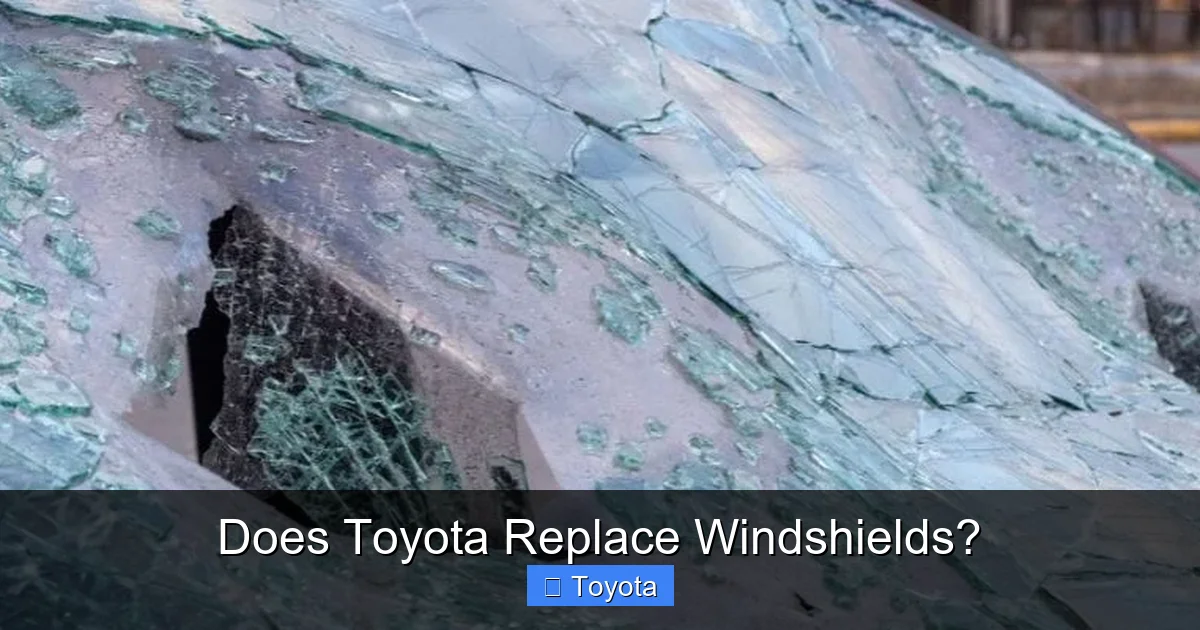
Not every chip or crack requires a full replacement. Toyota, like other manufacturers, follows industry guidelines to determine whether repair or replacement is needed. The decision depends on the size, location, and type of damage.
Visual guide about Does Toyota Replace Windshields?
Image source: thedailyautomotive.com
Repairable Damage
Small chips (typically under 1 inch) or cracks shorter than 6 inches can often be repaired, especially if they’re not in the driver’s direct line of sight. Repair involves injecting a special resin into the damaged area, which fills the crack and restores structural integrity. This process is quick, usually taking 20–30 minutes, and costs significantly less than replacement.
For example, a small stone chip on the passenger side of a Toyota Camry can often be repaired on the spot at a dealership or glass shop. However, if the chip is in the driver’s view or has started to spread, replacement is usually recommended.
When Replacement Is Necessary
Replacement is required in the following situations:
- Cracks longer than 6 inches
- Damage in the driver’s line of sight
- Cracks that extend to the edge of the windshield
- Multiple chips or cracks close together
- Damage that affects the structural integrity of the glass
- Cracks that have started to spiderweb or spread
Even if the damage seems minor, it’s important to have it inspected promptly. Temperature changes, road vibrations, and moisture can cause small cracks to grow rapidly. A crack that starts as a tiny line can become a major obstruction within days.
Impact of Weather and Environment
Extreme temperatures can worsen windshield damage. In cold weather, water trapped in a crack can freeze and expand, causing the crack to lengthen. In hot weather, the glass expands, which can also stress existing damage. If you live in an area with frequent temperature swings—like the Midwest or mountain regions—it’s especially important to address chips and cracks quickly.
The Toyota Windshield Replacement Process
Replacing a windshield is a precise process that requires skill, the right tools, and attention to detail. Here’s what you can expect when you bring your Toyota in for a replacement.
Step 1: Inspection and Assessment
A technician will first inspect the damage to determine whether repair or replacement is needed. They’ll check the size, location, and type of damage, as well as whether ADAS systems are affected. If replacement is required, they’ll verify your vehicle’s make, model, and year to ensure the correct OEM glass is ordered.
Step 2: Removal of the Old Windshield
The old windshield is carefully removed using specialized tools. The technician cuts through the urethane adhesive that seals the glass to the frame, then lifts the windshield out. This process must be done gently to avoid damaging the vehicle’s frame or paint.
Step 3: Preparation and Cleaning
Once the old glass is removed, the frame is cleaned to remove any debris, old adhesive, or rust. The surface is then primed to ensure a strong bond with the new windshield. This step is critical—poor preparation can lead to leaks, wind noise, or even glass failure.
Step 4: Installation of the New Windshield
The new OEM windshield is placed into the frame and secured with fresh urethane adhesive. The technician ensures it’s aligned correctly and applies even pressure to create a watertight seal. The adhesive needs time to cure—usually 1–2 hours—before the vehicle can be driven.
Step 5: ADAS Recalibration
If your Toyota has ADAS features, the technician will perform a recalibration. This may involve a static calibration (using targets and cameras in a controlled environment) or a dynamic calibration (driving the vehicle on a test route). The process ensures that cameras and sensors are properly aligned and functioning.
For example, after replacing the windshield on a 2023 Toyota Highlander with TSS 3.0, the technician will use Toyota’s Techstream software to reset and calibrate the forward-facing camera. This ensures that features like automatic emergency braking work as intended.
Step 6: Final Inspection and Cleanup
Once the adhesive has cured and recalibration is complete, the technician performs a final inspection. They check for proper sealing, alignment, and functionality of all systems. The interior and exterior are cleaned, and any protective coverings are removed.
Cost of Windshield Replacement for Toyota Vehicles
The cost of replacing a Toyota windshield varies depending on several factors, including the vehicle model, type of glass, and whether ADAS recalibration is needed.
Average Replacement Costs
On average, a Toyota windshield replacement costs between $300 and $1,000. Here’s a breakdown:
- Basic models (e.g., Corolla, Yaris): $300–$500
- Mid-range models (e.g., Camry, RAV4): $400–$700
- High-end or hybrid models (e.g., Prius Prime, Highlander Hybrid): $600–$1,000+
Prices are higher for vehicles with ADAS because of the added cost of recalibration. OEM glass is also more expensive than aftermarket, but it offers better quality and compatibility.
Insurance Coverage
Most comprehensive auto insurance policies cover windshield replacement with little or no deductible. Many insurers offer “full glass coverage” or “zero-deductible glass repair,” meaning you pay nothing out of pocket. It’s worth checking your policy—some even cover repair instead of replacement if the damage is minor.
For example, if you have full coverage with State Farm or Geico, your windshield replacement may be fully covered. Just be aware that filing a claim could affect your premium, so weigh the cost against potential rate increases.
Warranty and Service Plans
Some Toyota owners purchase extended service plans or maintenance packages that include glass protection. These plans may cover windshield repair or replacement for a set period or mileage. Additionally, if your vehicle is still under the factory warranty, certain glass issues may be covered—especially if they’re due to manufacturing defects.
Tips for Toyota Windshield Care and Maintenance
Preventing windshield damage is always better than dealing with repairs or replacements. Here are some practical tips to keep your Toyota’s windshield in top condition.
Avoid Extreme Temperature Changes
Don’t blast hot air on a cold windshield or pour hot water on ice. Sudden temperature changes can cause stress cracks. Instead, use a scraper and defroster to gently remove ice.
Maintain a Safe Following Distance
Keep a safe distance from large trucks and vehicles that may kick up rocks or debris. The closer you follow, the higher the risk of impact damage.
Inspect Regularly
Check your windshield monthly for chips, cracks, or scratches. Early detection can prevent small issues from becoming major problems.
Use Quality Washer Fluid
Cheap or diluted washer fluid can leave residue or damage seals. Use a high-quality fluid designed for your climate.
Park Smart
Whenever possible, park in a garage or shaded area to reduce exposure to UV rays, which can weaken glass over time. Avoid parking under trees where falling branches or sap can cause damage.
Conclusion
So, does Toyota replace windshields? Absolutely. Through its network of authorized dealerships and certified technicians, Toyota provides professional windshield replacement using OEM glass and advanced installation techniques. Whether you’re dealing with a small chip or a shattered pane, Toyota’s approach ensures your vehicle remains safe, reliable, and equipped with properly functioning safety systems.
Replacing a windshield isn’t just about fixing broken glass—it’s about maintaining the integrity of your vehicle’s design and safety features. From structural support to ADAS integration, the windshield plays a critical role in how your Toyota performs on the road. By choosing OEM parts, certified technicians, and proper recalibration, you protect not only your investment but also your safety and that of your passengers.
If you notice damage to your windshield, don’t wait. Schedule an inspection at your nearest Toyota dealership or authorized service center. With insurance often covering the cost and same-day service available in many locations, there’s no reason to delay. Your Toyota deserves the best care—and that starts with a clear, strong, and properly installed windshield.
Frequently Asked Questions
Does Toyota replace windshields for free?
Toyota does not typically offer free windshield replacements unless the damage is due to a manufacturing defect covered under warranty. However, most comprehensive auto insurance policies cover the cost with little or no deductible, effectively making it free for the owner.
Can I drive my Toyota immediately after windshield replacement?
No, you should wait at least 1–2 hours after installation to allow the urethane adhesive to cure. Driving too soon can compromise the seal and safety of the windshield. Your technician will provide specific guidance based on weather and adhesive type.
Will my insurance premium increase if I file a windshield claim?
In many cases, no—especially if you have full glass coverage. Most insurers treat windshield claims as “no-fault” and do not raise premiums. However, it’s best to check with your provider before filing.
Can I replace my Toyota windshield with aftermarket glass?
Yes, but it’s not recommended for vehicles with ADAS. Aftermarket glass may not meet Toyota’s specifications and could affect sensor performance. OEM glass ensures compatibility and safety.
How long does a Toyota windshield replacement take?
Most replacements take 1–3 hours, including installation and ADAS recalibration. Some dealerships offer same-day service, especially for common models with readily available glass.
What happens if I don’t recalibrate my ADAS after windshield replacement?
Without recalibration, features like automatic braking, lane departure warnings, and adaptive cruise control may not work correctly. This can compromise safety and lead to false alerts or system failures.
