Does Toyota Provide Loaner Cars?

Contents


Yes, Toyota may provide loaner cars during service appointments, but availability varies by dealership and location. While not guaranteed, many Toyota service centers offer complimentary or low-cost loaner vehicles for qualifying repairs and maintenance.
If you’ve ever dropped off your Toyota at the service center for an extended repair, you’ve probably wondered: “Will I be left stranded without a car?” It’s a fair concern—especially if you rely on your vehicle for work, school, or family commitments. The good news? Many Toyota dealerships do offer loaner cars to help keep you mobile while your vehicle is being serviced. But before you assume you’ll automatically get a free ride, it’s important to understand the nuances of Toyota’s loaner car policy.
Toyota doesn’t have a one-size-fits-all national program that guarantees a loaner vehicle for every customer. Instead, the availability of loaner cars depends largely on individual dealership policies, location, and the nature of your service appointment. Some dealerships maintain a fleet of loaner vehicles specifically for customer use, while others may only offer them under certain conditions—like warranty repairs or major mechanical issues. That said, Toyota does encourage its service centers to support customers with transportation solutions whenever possible, and many go the extra mile to keep their clients happy and mobile.
Key Takeaways
- Loaner cars are available at many Toyota dealerships but are not guaranteed at every location or for every service type.
- Eligibility depends on the type of repair—major or warranty-related services are more likely to qualify than routine maintenance.
- Advance reservation is recommended to increase your chances of securing a loaner vehicle.
- Loaner vehicles are typically compact or midsize models like the Toyota Corolla or Camry, depending on availability.
- Insurance and fuel policies vary by dealership—some include coverage, while others require you to pay for gas or provide proof of insurance.
- Some Toyota Certified Service Centers offer enhanced benefits, including priority access to loaner cars for loyal customers.
- Alternative transportation options like rental reimbursements or shuttle services may be available if a loaner car isn’t offered.
📑 Table of Contents
Understanding Toyota’s Loaner Car Policy
When it comes to loaner cars, Toyota operates with a decentralized approach. Unlike some luxury brands that have standardized loaner programs across all locations, Toyota leaves the decision to provide loaner vehicles up to individual dealerships. This means your experience can vary significantly depending on where you take your car for service.
Most Toyota service centers that offer loaner cars do so as a courtesy, not a contractual obligation. The goal is to enhance customer satisfaction and build long-term loyalty. However, because loaner vehicles are a limited resource, dealerships often prioritize them for customers whose repairs are expected to take longer than a day or are covered under warranty. For example, if your engine needs a major repair covered by the Toyota New Vehicle Limited Warranty, you’re much more likely to qualify for a loaner than if you’re just getting an oil change.
It’s also worth noting that loaner cars are typically reserved for customers who live within a certain distance of the dealership—often within 25 to 50 miles. This helps ensure the vehicle can be returned promptly and reduces the risk of long-distance misuse. Additionally, some dealerships may require you to schedule your service appointment in advance and specifically request a loaner car when booking. This allows them to check availability and prepare the vehicle ahead of time.
How to Request a Loaner Car
If you think you might need a loaner car during your next service visit, the best approach is to ask early and often. Start by calling your preferred Toyota dealership’s service department at least a few days before your appointment. Explain the type of service your vehicle needs and ask whether loaner cars are available. Be sure to mention if your repair is warranty-related, as this increases your chances of approval.
When you speak with the service advisor, be polite but clear about your transportation needs. For example, you might say, “I’m scheduled for a transmission diagnostic next Tuesday, and I’m expecting it to take a couple of days. Would it be possible to reserve a loaner car for that time?” This shows you’re planning ahead and gives the dealership time to arrange it.
Keep in mind that even if a loaner car is available, you may need to provide certain documentation. Most dealerships will ask for a valid driver’s license, proof of insurance, and sometimes a credit card for incidentals. Some may also require you to sign a loaner agreement that outlines your responsibilities while using the vehicle—such as returning it with a full tank of gas and reporting any damage immediately.
What to Expect When Using a Toyota Loaner Car
Once you’ve secured a loaner car, it’s helpful to know what to expect. Most loaner vehicles are late-model Toyota sedans or compact SUVs, such as the Corolla, Camry, RAV4, or Prius. These models are chosen for their reliability, fuel efficiency, and ease of use. While you won’t get a brand-new luxury vehicle, you can expect a clean, well-maintained car that’s safe to drive.
Before you drive off, the service advisor will usually walk you through the basics: where the fuel cap is, how to adjust the seats and mirrors, and whether the car has any special features like keyless entry or adaptive cruise control. They’ll also confirm the return date and any conditions—like needing to refuel or avoid off-road driving.
One common question is whether you’re responsible for fuel. Policies vary, but many dealerships expect you to return the loaner with the same amount of gas it had when you picked it up. Some may even provide a full tank at the start, while others might charge you for fuel used. It’s always a good idea to clarify this upfront to avoid surprises.
Insurance is another area where policies differ. In most cases, the dealership’s insurance covers the loaner vehicle while it’s in your possession, but this typically only applies to liability. If you want full coverage (including collision and comprehensive), you may need to use your own auto insurance policy. Check with your insurance provider to confirm whether your policy extends to rental or loaner vehicles.
When Are Loaner Cars Most Likely to Be Offered?

Visual guide about Does Toyota Provide Loaner Cars?
Image source: dt-collision.com
Not every service visit qualifies for a loaner car. Toyota dealerships tend to reserve these vehicles for situations where your car will be out of commission for an extended period. Here are some common scenarios where you’re more likely to receive a loaner:
Warranty Repairs
If your vehicle is still under the Toyota New Vehicle Limited Warranty (typically 3 years/36,000 miles) or the Powertrain Warranty (5 years/60,000 miles), and you’re facing a repair covered by that warranty, you’re in a strong position to request a loaner. Dealerships understand that unexpected breakdowns can be stressful, and offering a loaner car helps maintain customer trust.
For example, if your hybrid battery fails or your transmission starts slipping, and the issue is covered under warranty, the service center will likely provide a loaner while the repair is completed. This is especially true if the part needs to be ordered from a regional warehouse, which could take several days.
Major Mechanical Issues
Even if your car is out of warranty, major mechanical problems—like engine failure, brake system malfunctions, or suspension issues—may still qualify you for a loaner. These repairs often require specialized tools, diagnostic time, and parts that aren’t always in stock. Since the downtime can be significant, dealerships are more willing to offer temporary transportation.
Let’s say your 2018 Toyota Highlander develops a coolant leak that requires the radiator to be replaced. If the part isn’t on hand, the repair could take two to three days. In this case, the service advisor might offer a loaner car to help you get around while waiting.
Recall-Related Repairs
When Toyota issues a safety recall, they often cover the cost of repairs and may also provide loaner vehicles if the fix will take more than a day. Recalls are taken seriously, and dealerships are motivated to resolve them quickly and with minimal inconvenience to customers.
For instance, if your vehicle is part of a recall for a faulty airbag sensor, and the repair requires recalibration that can’t be completed in a single visit, the dealership may offer a loaner car during the process.
Extended Service Appointments
Even routine maintenance can sometimes qualify for a loaner if it’s expected to take longer than usual. For example, if you’re due for a 60,000-mile service that includes a timing belt replacement, fluid flushes, and brake inspection, the total time could stretch to a full day or more. In such cases, some dealerships will offer a loaner—especially if you’ve been a loyal customer or have a history of regular service visits.
Dealership Variations and Regional Differences
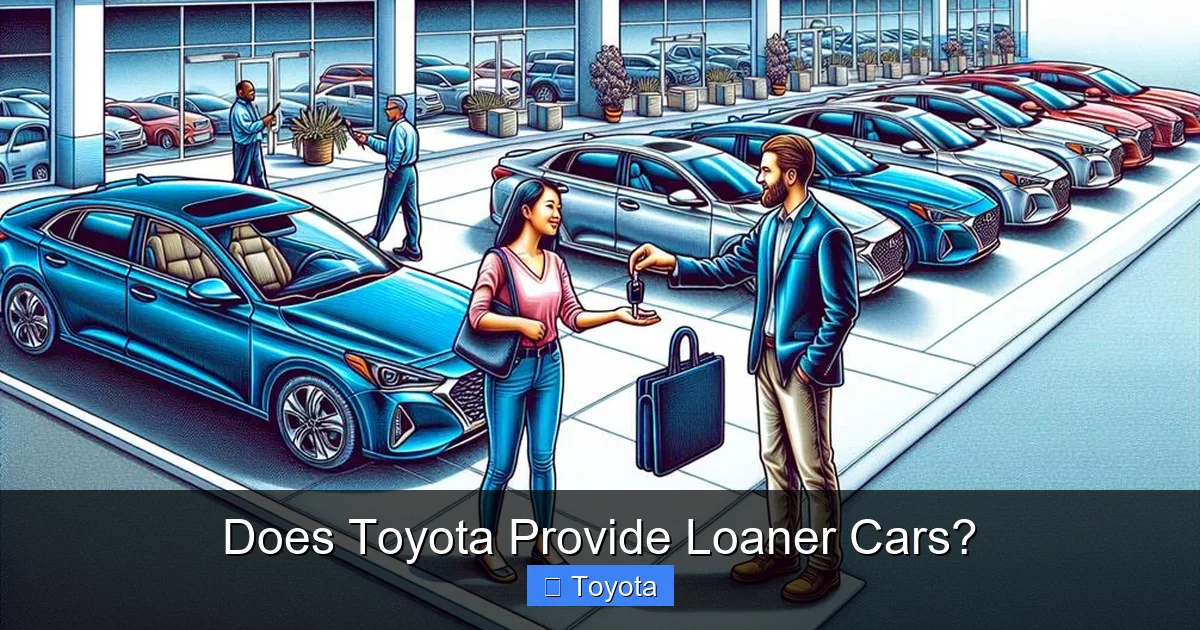
Visual guide about Does Toyota Provide Loaner Cars?
Image source: hyundaimaintenance.com
One of the biggest factors affecting loaner car availability is the dealership itself. Some Toyota service centers are well-equipped with a rotating fleet of loaner vehicles, while others may only have one or two on hand. Urban dealerships in large cities often have more resources and higher customer volume, which can make loaner cars harder to secure. In contrast, rural or smaller-town dealerships might have fewer customers competing for the same vehicles, increasing your chances.
Additionally, dealerships that are part of larger automotive groups or have strong customer service ratings are more likely to offer loaner cars as a standard benefit. These locations often invest in customer experience programs that include complimentary services like loaner vehicles, shuttle rides, or even car washes.
It’s also worth noting that some Toyota Certified Service Centers—dealerships that meet higher standards for training, equipment, and customer service—may offer enhanced perks, including priority access to loaner cars. If you frequently use the same dealership, building a relationship with the service team can also improve your chances of getting a loaner when needed.
How to Improve Your Chances of Getting a Loaner Car
While you can’t control dealership policies, there are several steps you can take to increase your likelihood of receiving a loaner vehicle:
– **Schedule in advance:** The earlier you book your service appointment, the better your chances of reserving a loaner.
– **Be a loyal customer:** Regular service visits and maintenance records can make you a preferred customer.
– **Ask politely but firmly:** Don’t assume you’ll get a loaner—ask directly and explain your situation.
– **Choose off-peak times:** Weekdays and non-holiday periods often have lower demand for loaner vehicles.
– **Check multiple dealerships:** If your local dealer doesn’t offer loaners, a nearby location might.
Alternative Transportation Options

Visual guide about Does Toyota Provide Loaner Cars?
Image source: hyundaimaintenance.com
If a loaner car isn’t available, don’t panic—there are still ways to stay mobile. Many Toyota dealerships offer alternative transportation solutions to help customers during service visits.
Rental Reimbursement Programs
Some dealerships participate in Toyota’s Rental Reimbursement Program, which allows you to rent a vehicle from a local agency and be reimbursed up to a certain amount (often $30–$50 per day). This is especially common for warranty repairs. You’ll need to pay for the rental upfront and submit a receipt to the dealership for reimbursement, which is usually processed within a few days.
Shuttle Services
Many Toyota service centers provide free shuttle rides to nearby locations, such as shopping centers, public transit hubs, or your home or office. This is a great option if you only need transportation for a few hours or if your repair will be completed the same day.
Ride-Sharing and Taxi Vouchers
In some cases, dealerships may offer vouchers for ride-sharing services like Uber or Lyft, especially if you’re dropping off your car early in the morning and need a way to get back later. While not as common as shuttles or loaners, this is becoming more popular in urban areas.
Loaner Bicycles or Scooters
A few forward-thinking dealerships have started offering loaner bicycles or electric scooters for short-distance travel. While this won’t work for everyone, it’s a creative solution for customers who live close by and only need to run quick errands.
Tips for a Smooth Loaner Car Experience
Using a loaner car can be a great convenience, but it’s important to treat it with care—just as you would your own vehicle. Here are some tips to ensure a positive experience:
– **Inspect the car before driving off:** Check for any existing damage and report it to the service advisor to avoid being charged later.
– **Keep it clean:** Avoid eating messy foods or smoking inside the vehicle.
– **Follow the rules:** Don’t exceed the mileage limit (if any), avoid off-road driving, and return it on time.
– **Refuel as agreed:** If you’re expected to return it with a full tank, make sure to do so.
– **Report issues immediately:** If the loaner car develops a problem while you’re using it, contact the dealership right away.
By being respectful and responsible, you’re more likely to be offered a loaner car in the future—and you’ll help maintain a positive relationship with your service team.
Conclusion
So, does Toyota provide loaner cars? The short answer is: yes, but with conditions. While Toyota doesn’t mandate a nationwide loaner car program, many dealerships offer them as a customer service benefit—especially for warranty repairs, major mechanical issues, or extended service appointments. Availability depends on the dealership, location, and type of service, so it’s always best to ask in advance.
If you’re planning a service visit that might take more than a day, don’t hesitate to call your local Toyota service center and inquire about loaner car options. Be prepared with your vehicle details, service needs, and transportation requirements. And remember, even if a loaner car isn’t available, alternatives like rental reimbursements, shuttles, or ride-sharing vouchers can help keep you on the move.
Ultimately, Toyota’s approach to loaner cars reflects its commitment to customer satisfaction—just in a flexible, dealership-driven way. By understanding the policies and planning ahead, you can minimize downtime and keep your life running smoothly, even when your car is in the shop.
Frequently Asked Questions
Does every Toyota dealership offer loaner cars?
No, not every Toyota dealership provides loaner cars. Availability depends on the individual dealership’s policies, location, and resources. It’s best to call ahead and ask.
Are loaner cars free at Toyota service centers?
Most loaner cars are provided at no extra cost, especially for warranty or major repairs. However, some dealerships may charge a small fee or require you to pay for fuel.
Can I get a loaner car for an oil change?
Generally, no. Loaner cars are typically reserved for longer repairs. Routine maintenance like oil changes is usually completed the same day, so a loaner isn’t usually necessary.
How far in advance should I request a loaner car?
It’s recommended to request a loaner car at least 2–3 days before your service appointment to increase your chances of availability.
What kind of Toyota models are used as loaner cars?
Loaner vehicles are usually compact or midsize models like the Toyota Corolla, Camry, RAV4, or Prius, depending on what’s available at the dealership.
Do I need my own insurance to drive a Toyota loaner car?
Most dealerships provide basic liability coverage, but you may need to use your own insurance for full protection. Check with your provider and the dealership beforehand.