Does Toyota Cover Windshield Cracks?

Contents
- 1 Key Takeaways
- 2 📑 Table of Contents
- 3 Does Toyota Cover Windshield Cracks? A Complete Guide
- 4 Understanding Toyota’s Warranty Coverage
- 5 Comprehensive Auto Insurance: Your Best Bet for Windshield Coverage
- 6 Toyota Protection Plans and Optional Coverage
- 7 Repair vs. Replacement: What’s the Best Option?
- 8 Where to Get Your Toyota Windshield Repaired or Replaced
- 9 Preventing Windshield Damage: Tips for Toyota Owners
- 10 Conclusion: Know Your Options, Act Quickly
- 11 Frequently Asked Questions

Car Wireless Charger Mount

Tire Pressure Monitoring System (TPMS)

Battery Terminal Cleaner

Bluetooth FM Transmitter
Windshield cracks can be stressful, but understanding your coverage is key. While Toyota doesn’t typically cover windshield damage under standard warranties, comprehensive insurance or add-on protection plans often do.
Key Takeaways
- Toyota’s New Vehicle Limited Warranty does not cover windshield cracks caused by road debris or accidents. It only covers manufacturing defects in materials or workmanship.
- Comprehensive auto insurance usually covers windshield repair or replacement. Many policies include glass coverage with no deductible.
- Toyota offers optional protection plans like Toyota Care Plus that may include glass repair benefits. These are add-ons purchased separately.
- Windshield damage can worsen quickly due to temperature changes and vibrations. Prompt repair prevents cracks from spreading.
- Some Toyota dealerships partner with glass repair services for convenient, OEM-quality replacements. Ask about certified technicians.
- State laws and insurance regulations vary. In some states, insurers must offer full glass coverage without a deductible.
- Regular maintenance and safe driving habits reduce the risk of windshield damage. Avoid following large trucks closely to minimize debris impact.
📑 Table of Contents
- Does Toyota Cover Windshield Cracks? A Complete Guide
- Understanding Toyota’s Warranty Coverage
- Comprehensive Auto Insurance: Your Best Bet for Windshield Coverage
- Toyota Protection Plans and Optional Coverage
- Repair vs. Replacement: What’s the Best Option?
- Where to Get Your Toyota Windshield Repaired or Replaced
- Preventing Windshield Damage: Tips for Toyota Owners
- Conclusion: Know Your Options, Act Quickly
Does Toyota Cover Windshield Cracks? A Complete Guide
You’re driving down the highway, enjoying the smooth ride in your Toyota Camry or RAV4, when suddenly—crack! A small chip appears on your windshield after a pebble flies up from the road ahead. Your first thought? “Will Toyota cover this?” It’s a common concern among Toyota owners, and the answer isn’t always straightforward.
Windshield damage is one of the most frequent automotive issues drivers face. Whether it’s a tiny chip from a gravel road or a long crack from a sudden temperature shift, these problems can escalate quickly if ignored. While Toyota builds reliable, durable vehicles, windshield cracks are generally considered external damage—not a defect in the vehicle itself. That means coverage depends on more than just your Toyota warranty. Understanding your options—from insurance policies to optional protection plans—can save you time, money, and stress.
In this guide, we’ll break down exactly what Toyota does and doesn’t cover when it comes to windshield cracks. We’ll explore warranty details, insurance implications, third-party repair options, and practical tips to protect your Toyota’s glass. By the end, you’ll know exactly what steps to take if you ever face that dreaded crack.
Understanding Toyota’s Warranty Coverage
When you buy a new Toyota, you get peace of mind thanks to the brand’s strong reputation for reliability and its comprehensive warranty package. But when it comes to windshield cracks, it’s important to know the limits of that coverage.
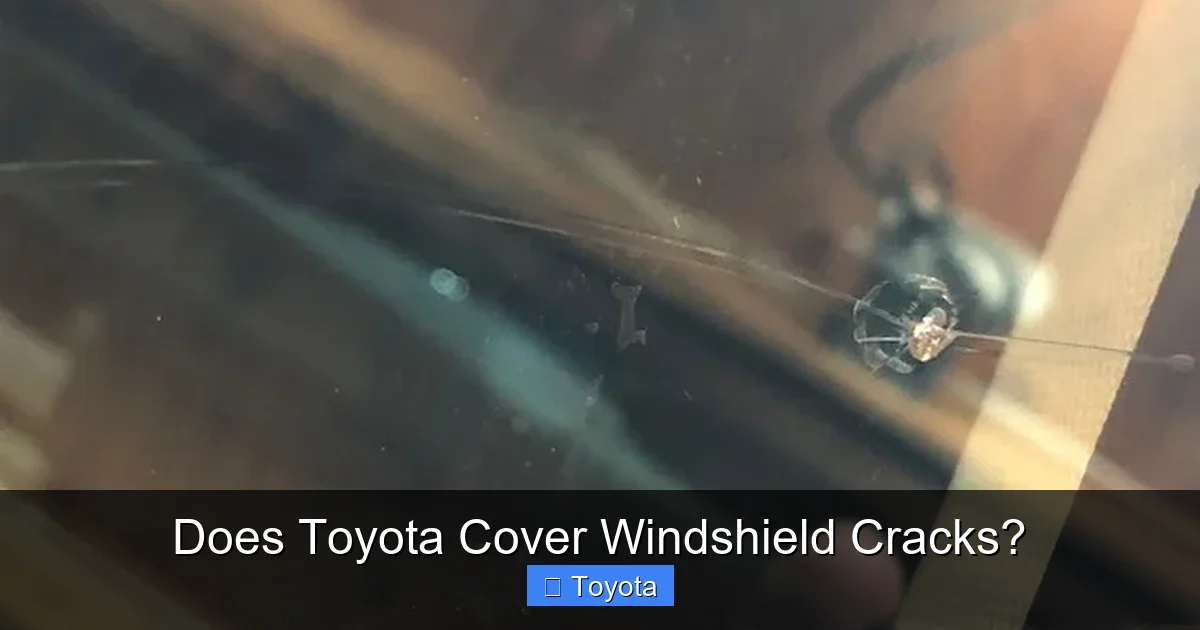
Visual guide about Does Toyota Cover Windshield Cracks?
Image source: cdn.carcomplaints.com
What Does the New Vehicle Limited Warranty Cover?
The Toyota New Vehicle Limited Warranty is a bumper-to-bumper protection plan that lasts for 36 months or 36,000 miles, whichever comes first. It covers defects in materials or workmanship for nearly all components of your vehicle. However, it explicitly excludes damage caused by accidents, misuse, environmental factors, or normal wear and tear.
Windshield cracks typically fall into the “external damage” category. Unless you can prove the crack resulted from a manufacturing flaw—such as improper sealing or defective glass installation—it won’t be covered. For example, if your windshield develops a spontaneous crack with no impact and you’re still under warranty, you might have a case. But these situations are rare and require documentation and inspection by a Toyota service center.
What About the Powertrain Warranty?
Toyota’s Powertrain Warranty, which lasts 60 months or 60,000 miles, covers major components like the engine, transmission, and drivetrain. It does not include the windshield or any glass components. So even if your vehicle is still under this longer-term warranty, a cracked windshield won’t be repaired or replaced at no cost unless it’s linked to a covered mechanical failure—which is highly unlikely.
Certified Pre-Owned (CPO) Warranty Considerations
If you own a Certified Pre-Owned Toyota, you may have extended warranty coverage. However, similar rules apply: glass damage from external causes isn’t included. The CPO warranty focuses on mechanical and electrical systems, not cosmetic or incidental damage like windshield chips.
In short, Toyota’s standard warranties are not designed to cover windshield cracks from everyday driving hazards. But that doesn’t mean you’re out of luck—there are other ways to get your glass repaired or replaced affordably.
Comprehensive Auto Insurance: Your Best Bet for Windshield Coverage
If Toyota’s warranty won’t cover your cracked windshield, your auto insurance policy might. Comprehensive coverage is the key here—it protects your vehicle from non-collision incidents like theft, vandalism, falling objects, and yes, windshield damage.
Visual guide about Does Toyota Cover Windshield Cracks?
Image source: cdn.carcomplaints.com
How Comprehensive Coverage Works for Windshields
Most comprehensive insurance policies include glass repair or replacement as a standard feature. Many insurers even offer “full glass coverage” with no deductible, meaning you pay nothing out of pocket for a repair or replacement. This is especially common in states with no-fault insurance laws or specific glass protection regulations.
For example, if you have a $500 deductible on your comprehensive policy but your insurer offers full glass coverage, a $400 windshield replacement would cost you $0. That’s a huge savings compared to paying full price.
State-Specific Rules and Benefits
Some states have laws that require insurers to offer windshield repair or replacement without a deductible. Florida, Kentucky, and South Carolina are well-known for these consumer-friendly policies. In these states, you can often get your windshield fixed for free, even if you don’t have comprehensive coverage—though you’ll still need to file a claim.
Even in states without such laws, many insurance companies voluntarily offer no-deductible glass coverage as a competitive perk. It’s worth checking your policy or calling your agent to confirm what’s included.
Filing a Claim: What to Expect
If you decide to use your insurance, the process is usually straightforward. Contact your insurer, describe the damage, and they’ll direct you to an approved repair shop. Some companies even offer mobile services that come to your home or office.
Keep in mind that filing a claim may affect your premium, especially if you have a history of frequent claims. However, since windshield repairs are often low-cost and sometimes fully covered, many insurers treat them as minor incidents that don’t trigger rate increases.
Tip: Always ask your insurer if the repair will impact your rates before proceeding. In many cases, the answer is no—especially for a single, small chip.
Toyota Protection Plans and Optional Coverage
While standard warranties don’t cover windshield cracks, Toyota offers optional protection plans that might. These add-ons are designed to give drivers extra peace of mind beyond the factory warranty.
Visual guide about Does Toyota Cover Windshield Cracks?
Image source: cdn.carcomplaints.com
Toyota Care Plus
Toyota Care Plus is an extended maintenance and protection plan available for purchase at the time of vehicle delivery or shortly after. It includes scheduled maintenance, roadside assistance, and—depending on the package—coverage for certain non-mechanical items, including glass.
Some versions of Toyota Care Plus include “Glass Repair” benefits, which can cover the cost of repairing small chips or cracks. However, full windshield replacement may still require a deductible or may not be included at all. Be sure to read the fine print or ask your dealer for a detailed breakdown of what’s covered.
Toyota Extra Care Protection (ECP)
Toyota Extra Care Protection is another extended warranty option that covers a wide range of components. While it primarily focuses on mechanical systems, some ECP plans offer “appearance protection” that includes glass repair. Again, this varies by plan and dealership, so it’s essential to review your contract.
Third-Party Extended Warranties and GAP Insurance
Some third-party providers offer extended warranties that include windshield coverage. These plans can be more flexible than Toyota’s own offerings but may come with higher costs or stricter terms. Always research the provider’s reputation and read customer reviews before signing up.
Additionally, if you have GAP insurance (which covers the difference between your car’s value and your loan balance in case of a total loss), it won’t help with windshield repairs. But it’s worth mentioning as part of a comprehensive protection strategy.
Bottom line: Optional plans can help, but they’re not a guarantee. Always verify coverage details before relying on them for windshield repairs.
Repair vs. Replacement: What’s the Best Option?
When you spot a crack or chip in your windshield, the first question is usually: “Can it be fixed, or do I need a new one?” The answer depends on several factors, including the size, location, and type of damage.
When Repair Is Possible
Small chips (usually under the size of a quarter) and short cracks (less than three inches) can often be repaired. Modern resin-based repair techniques can restore structural integrity and improve visibility. Repairs are typically quick—often completed in under 30 minutes—and cost between $50 and $150.
For example, a small star-shaped chip in the middle of the windshield can usually be filled and polished to near-invisibility. This is not only cheaper than replacement but also preserves the original glass, which is important for vehicles with advanced driver assistance systems (ADAS) like lane departure warning or automatic emergency braking.
When Replacement Is Necessary
If the crack is longer than three inches, located in the driver’s line of sight, or extends to the edge of the windshield, replacement is usually required. Deep cracks or those that have started to spiderweb also pose safety risks and should be replaced immediately.
Replacing a windshield is more involved. The old glass is removed, the frame is cleaned, and a new windshield is installed using automotive-grade urethane adhesive. The process takes a few hours, and the vehicle must sit for several hours (or overnight) to allow the adhesive to cure properly.
ADAS Calibration: A Critical Step
Modern Toyotas often come equipped with ADAS features that rely on cameras mounted near the windshield. If your windshield is replaced, these systems may need recalibration to function correctly. This ensures that features like adaptive cruise control, forward collision warning, and lane keeping assist work as intended.
Always choose a repair shop that offers ADAS calibration services. Many Toyota dealerships and certified glass shops have the equipment and training to perform this service. Skipping calibration can lead to malfunctioning safety systems, which is both dangerous and potentially costly to fix later.
Where to Get Your Toyota Windshield Repaired or Replaced
Once you’ve determined whether your windshield needs repair or replacement, the next step is choosing where to go. You have several options, each with pros and cons.
Toyota Dealerships
Visiting a Toyota dealership ensures you’re working with technicians familiar with your vehicle. They use OEM (original equipment manufacturer) glass, which matches the quality and specifications of your original windshield. Dealerships also typically offer ADAS calibration and may honor any applicable protection plans.
However, dealership services can be more expensive than independent shops. If you’re paying out of pocket, get a quote before committing.
Independent Glass Repair Shops
Many independent auto glass shops offer high-quality service at competitive prices. Look for shops certified by the Auto Glass Safety Council (AGSC) or those that use OEM-equivalent glass. These shops often provide mobile services, coming to your location to perform repairs.
Tip: Ask if the shop offers a warranty on their work. Reputable providers usually guarantee their installations for at least one year.
National Chains (Safelite, etc.)
Companies like Safelite AutoGlass are widely available and often work directly with insurance companies. They offer convenient scheduling, mobile services, and nationwide warranties. While their glass may not always be OEM, it meets federal safety standards and is often indistinguishable in quality.
One advantage of using a national chain is consistency. If you move or travel, you can often get service at any location.
DIY Repair Kits: Should You Try Them?
You’ve probably seen DIY windshield repair kits at auto parts stores. While these can work for very small chips, they’re not recommended for anything more than a temporary fix. Improper repairs can trap air or moisture, leading to further cracking or reduced visibility.
For safety and long-term results, it’s best to leave windshield work to professionals—especially if your vehicle has ADAS features.
Preventing Windshield Damage: Tips for Toyota Owners
While you can’t always avoid windshield damage, there are steps you can take to reduce the risk.
Drive Smart
Avoid following large trucks or vehicles that kick up debris. Maintain a safe following distance, especially on highways or gravel roads. If you see a truck ahead, slow down or change lanes if possible.
Park Wisely
When parking, choose shaded areas or covered spots to reduce temperature extremes. Sudden changes in temperature—like blasting the defroster on a cold morning—can stress the glass and cause existing chips to spread.
Inspect Regularly
Check your windshield during routine maintenance. Look for small chips or cracks, especially after long trips or driving in construction zones. Early detection means easier, cheaper repairs.
Use a Windshield Sunshade
A sunshade helps regulate interior temperature and reduces thermal stress on the glass. It’s a simple, inexpensive way to protect your windshield from heat-related damage.
Consider Paint Protection Film (PPF)
While not common for windshields, some drivers apply clear protective film to the lower edge of the glass to shield against gravel and road debris. This is more typical on high-end vehicles but can be an option for Toyota owners who frequently drive on rough roads.
Conclusion: Know Your Options, Act Quickly
So, does Toyota cover windshield cracks? The short answer is: not under standard warranties. But that doesn’t mean you’re stuck paying full price. Comprehensive insurance, optional protection plans, and prompt repairs can make windshield damage manageable and affordable.
The key is to act quickly. Small chips can turn into large cracks in a matter of days, especially with temperature changes or road vibrations. Ignoring the problem not only compromises your safety but can also lead to more expensive repairs down the line.
Whether you choose to use your insurance, visit a Toyota dealership, or go with a trusted independent shop, make sure the service includes proper ADAS calibration if your vehicle is equipped. And always prioritize safety over cost—your windshield is a critical part of your vehicle’s structural integrity and safety systems.
By understanding your coverage options and taking preventive measures, you can keep your Toyota’s windshield—and your peace of mind—in top condition.
Frequently Asked Questions
Does Toyota warranty cover windshield cracks from manufacturing defects?
Yes, but only if the crack is proven to be due to a defect in materials or workmanship. This is rare and requires inspection by a Toyota service center. Most cracks are caused by external factors and are not covered.
Will my Toyota insurance cover a cracked windshield?
If you have comprehensive coverage, yes—most policies include glass repair or replacement. Many insurers offer no-deductible glass coverage, especially in certain states.
Can I repair a small chip in my Toyota windshield myself?
DIY kits exist, but they’re not recommended for anything beyond a temporary fix. For safety and proper results, especially on vehicles with ADAS, professional repair is best.
Do I need ADAS calibration after a windshield replacement?
Yes, if your Toyota has advanced safety features like lane departure warning or adaptive cruise control. Calibration ensures these systems work correctly after the new glass is installed.
How much does it cost to replace a Toyota windshield?
Costs vary by model and location, but typically range from $300 to $800. OEM glass and ADAS calibration can increase the price. Insurance often covers most or all of the cost.
Can I drive with a cracked windshield?
It depends on the size and location. Small chips are usually safe, but large or spreading cracks can compromise structural integrity and visibility. Always get damage assessed promptly.