
Does Toyota Cover Windshield Crack

Windshield cracks can be stressful, but Toyota may cover repairs or replacements depending on your warranty, insurance, and vehicle age. While factory warranties typically don’t include glass damage, ToyotaCare and comprehensive auto insurance often do—making it easier and more affordable to fix chips and cracks quickly.
If you’ve ever heard that familiar *ping* as a tiny rock hits your windshield while driving down the highway, you know how quickly a small chip can turn into a major headache. One minute you’re cruising along, enjoying the open road, and the next—there’s a jagged line creeping across your view. Suddenly, you’re wondering: “Does Toyota cover windshield crack repairs?” It’s a common question among Toyota owners, and the answer isn’t always straightforward.
Windshield damage is more than just an eyesore—it can compromise your safety, visibility, and even your vehicle’s structural integrity. Modern Toyotas are packed with advanced driver-assistance systems (ADAS) like adaptive cruise control, lane departure warning, and automatic emergency braking. Many of these rely on cameras mounted behind the windshield, which means a cracked or improperly replaced windshield could throw off calibration and reduce system effectiveness. That’s why understanding your coverage options is essential—not just for cost savings, but for peace of mind and safety.
So, does Toyota cover windshield cracks? The short answer is: it depends. Toyota doesn’t have a universal “windshield replacement policy” that applies to all owners. Instead, coverage hinges on several factors, including your vehicle’s age, warranty status, insurance plan, and how the damage occurred. In this guide, we’ll walk you through everything you need to know—from what Toyota’s warranties actually cover to how insurance and ToyotaCare can help, plus tips for getting fast, reliable repairs without breaking the bank.
Key Takeaways
- Toyota’s basic warranty does not cover windshield cracks: The standard New Vehicle Limited Warranty excludes glass damage unless it’s due to a manufacturing defect.
- ToyotaCare may include glass repair benefits: Some ToyotaCare plans offer complimentary windshield repair for small chips and cracks, especially during the first two years or 25,000 miles.
- Comprehensive auto insurance usually covers windshield replacement: Most full-coverage policies include glass repair with little or no deductible, especially if you have full glass coverage.
- Road hazard and environmental damage are typically not covered by warranty: Cracks from rocks, debris, or weather are considered wear and tear, not defects.
- Early repair is crucial: Small chips can spread quickly—prompt repair prevents costly full windshield replacement.
- Toyota dealerships often partner with certified glass specialists: This ensures OEM-quality glass and proper installation that maintains safety systems like lane departure and automatic braking.
- Check your specific model and year: Coverage can vary by vehicle, trim level, and region, so always review your owner’s manual and warranty booklet.
📑 Table of Contents
- Understanding Toyota’s Warranty Coverage for Windshield Damage
- ToyotaCare: Does It Include Windshield Repair?
- Comprehensive Auto Insurance: Your Best Bet for Windshield Coverage
- The Importance of OEM vs. Aftermarket Windshields
- Prevention and Maintenance: Keeping Your Windshield Intact
- Conclusion: Know Your Options and Act Quickly
Understanding Toyota’s Warranty Coverage for Windshield Damage
When you drive a new Toyota off the lot, you’re protected by a comprehensive warranty package designed to cover defects in materials and workmanship. However, when it comes to windshield cracks, the fine print matters—and it often excludes glass damage unless it stems from a manufacturing flaw.
What the New Vehicle Limited Warranty Covers
Toyota’s New Vehicle Limited Warranty typically lasts 3 years or 36,000 miles, whichever comes first. This warranty covers repairs or replacements needed due to defects in factory-installed parts. But here’s the catch: windshields are considered “glass components,” and unless there’s clear evidence of a defect—like delamination, improper sealing, or distortion straight from the factory—the warranty won’t pay for cracks caused by external factors.
For example, if your 2023 Toyota Camry’s windshield develops a spontaneous crack with no impact point and shows signs of internal stress fractures, Toyota might investigate and potentially cover the replacement under warranty. But if the crack starts from a chip caused by a flying pebble on the interstate, that’s considered road hazard damage—and it’s not covered.
What’s Excluded: Road Hazard and Environmental Damage
Toyota explicitly excludes damage from “normal wear and tear,” “environmental conditions,” and “road hazards” in its warranty documentation. This includes:
– Chips from rocks, gravel, or debris
– Cracks due to temperature changes (like pouring hot water on a frozen windshield)
– Vandalism or accidents not covered under collision insurance
– Damage from improper installation or aftermarket modifications
In practical terms, this means most windshield issues you’ll encounter as a daily driver won’t qualify for warranty coverage. That doesn’t mean you’re out of luck—it just means you’ll need to look elsewhere for support, such as insurance or service plans.
Manufacturing Defects: The Rare Exception
While uncommon, there have been instances where Toyota has acknowledged windshield defects. For example, certain model years of the Toyota RAV4 and Highlander were found to have windshields prone to spontaneous cracking due to improper tempering or bonding issues. In such cases, Toyota issued service campaigns or goodwill repairs, especially if the vehicle was still under warranty.
If you suspect a manufacturing defect, document the damage thoroughly—take photos, note the location and pattern of the crack, and contact your local Toyota dealership. They can inspect the windshield and determine if it qualifies for coverage under a known issue or goodwill program. Keep in mind that goodwill repairs are at the dealer’s discretion and not guaranteed.
ToyotaCare: Does It Include Windshield Repair?
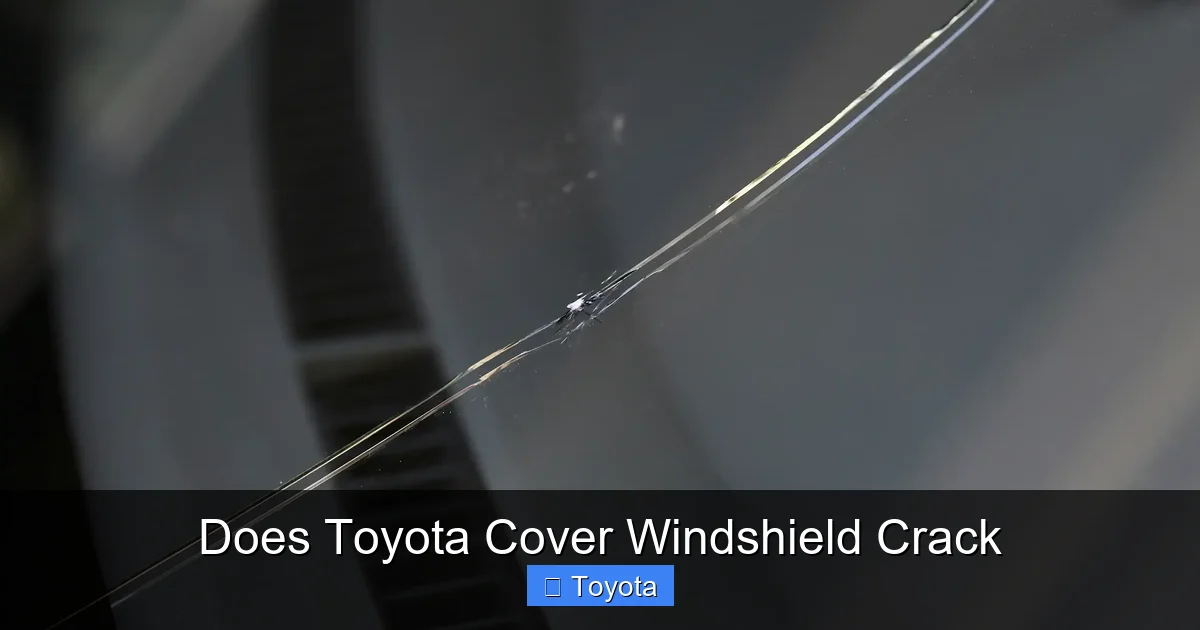
Visual guide about Does Toyota Cover Windshield Crack
Image source: repair2care.com
If your Toyota is relatively new, you might be enrolled in ToyotaCare—a complimentary maintenance plan included with most new vehicles for the first 2 years or 25,000 miles. While ToyotaCare primarily covers scheduled maintenance like oil changes, tire rotations, and multi-point inspections, some aspects of glass care may be included.
Glass Repair Benefits Under ToyotaCare
ToyotaCare doesn’t explicitly list “windshield replacement” as a covered service, but it does offer limited glass repair benefits in certain situations. Specifically, many Toyota dealerships provide complimentary repair for small chips and cracks (usually under 6 inches) during the ToyotaCare period, especially if the damage affects visibility or could compromise safety systems.
This isn’t a formal policy across all dealers—it’s often handled as a customer courtesy. For instance, if you bring your 2022 Toyota Corolla in for its 15,000-mile service and mention a tiny chip near the edge of the windshield, the service advisor might offer to have it repaired at no charge. This goodwill gesture helps maintain customer satisfaction and ensures ADAS cameras remain unobstructed.
Limitations and Regional Differences
It’s important to note that ToyotaCare glass repair isn’t guaranteed. Coverage can vary by dealership, region, and even individual service manager. Some dealers may only offer repairs for chips in the driver’s line of sight, while others might decline if the crack is too large or in a critical sensor zone.
Additionally, once your ToyotaCare period expires, these complimentary services typically end. However, you can often extend coverage through ToyotaCare Plus, a paid extension plan that includes additional benefits—though glass repair is still not a standard feature.
How to Maximize Your ToyotaCare Benefits
To get the most out of ToyotaCare when it comes to windshield issues:
– Mention any chips or cracks during routine maintenance visits.
– Ask your service advisor if glass repair is available as a courtesy.
– Keep your vehicle clean and free of debris that could worsen existing damage.
– Schedule inspections early—before small chips turn into long cracks.
Even if ToyotaCare doesn’t cover a full replacement, taking advantage of free repairs during the complimentary period can save you hundreds down the line.
Comprehensive Auto Insurance: Your Best Bet for Windshield Coverage
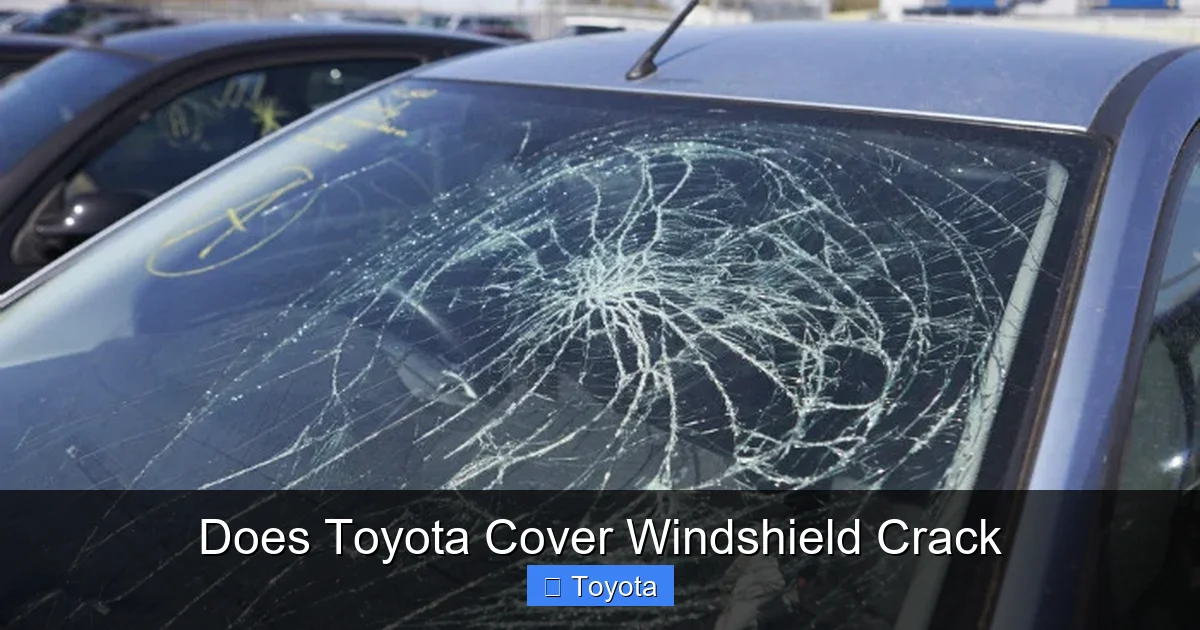
Visual guide about Does Toyota Cover Windshield Crack
Image source: bemac.ca
When Toyota’s warranty and service plans fall short, comprehensive auto insurance often steps in as the hero. Most full-coverage insurance policies include glass repair and replacement with minimal out-of-pocket costs—especially if you’ve added optional glass coverage.
How Comprehensive Coverage Works for Windshields
Comprehensive insurance covers non-collision damage, including:
– Theft
– Vandalism
– Fire
– Falling objects
– Animal collisions
– And yes—glass damage from road hazards
If a rock kicks up and cracks your windshield, filing a comprehensive claim typically won’t raise your premium (since it’s not at-fault damage). Many insurers even offer “full glass coverage” with $0 deductible, meaning you pay nothing for repairs or replacements.
For example, if you have Geico, State Farm, or Progressive with comprehensive coverage, you can often get your Toyota’s windshield replaced for free—or for just a small deductible (e.g., $50–$100). Some insurers partner with national glass networks like Safelite, which can come to your home or office for mobile repair.
Full Glass Coverage: Worth the Extra Cost?
Some insurance companies offer an add-on called “full glass coverage” or “zero-deductible glass repair.” This optional upgrade eliminates your deductible for windshield claims, making it ideal for drivers in areas with lots of gravel roads, construction zones, or harsh weather.
While it may cost an extra $5–$15 per month, it can pay for itself quickly. A single windshield replacement on a modern Toyota with ADAS can cost $500–$1,200, depending on the model and whether recalibration is needed. With full glass coverage, you avoid that expense entirely.
Filing a Claim: What to Expect
If you need to file a glass claim:
1. Contact your insurer as soon as possible—some require prompt reporting.
2. Provide photos of the damage and your vehicle info.
3. Schedule repair with an approved provider (many insurers have preferred networks).
4. Confirm whether recalibration of safety systems is included.
Most claims are processed within 24–48 hours, and repairs can often be completed the same day. Just remember: filing too many claims could affect your rates, so weigh the cost of paying out-of-pocket versus using insurance for minor damage.
The Importance of OEM vs. Aftermarket Windshields
Visual guide about Does Toyota Cover Windshield Crack
Image source: irp-cdn.multiscreensite.com
Not all windshields are created equal—and choosing the right one matters for safety, performance, and warranty compliance.
Why OEM Windshields Matter for Toyotas
OEM (Original Equipment Manufacturer) windshields are made by the same supplier that installed the glass in your Toyota at the factory. They’re designed to exact specifications, including thickness, curvature, and acoustic properties. More importantly, OEM glass is calibrated to work seamlessly with your vehicle’s ADAS.
Modern Toyotas use cameras and sensors mounted behind the windshield to power features like:
– Pre-Collision System (PCS)
– Lane Departure Alert (LDA)
– Dynamic Radar Cruise Control (DRCC)
If the windshield is replaced with an aftermarket or non-OEM part, the camera may not align properly, leading to false alerts, system failures, or reduced functionality. In some cases, the vehicle may even enter a “limp mode” until recalibration is performed.
Recalibration: A Critical Step After Replacement
Whenever a windshield is replaced on a Toyota with ADAS, dynamic or static recalibration is required. This process involves using specialized tools to realign the camera and ensure it’s pointing at the correct angle.
– **Dynamic recalibration** requires driving the vehicle on a straight road at a specific speed while the system recalibrates.
– **Static recalibration** is done in a shop using targets and laser alignment tools.
Most reputable glass shops that work with Toyota dealerships offer recalibration services. However, if you go to a generic auto glass shop, make sure they have the equipment and training to handle Toyota-specific systems. Skipping recalibration can void your warranty or lead to safety risks.
Cost Comparison: OEM vs. Aftermarket
| Type | Average Cost | ADAS Recalibration Included? | Warranty |
|——|————–|——————————-|———|
| OEM Windshield | $600–$1,200 | Usually yes (at dealer) | 1–3 years |
| Aftermarket Windshield | $300–$700 | Rarely | 6 months–1 year |
While aftermarket glass is cheaper upfront, the lack of recalibration and potential compatibility issues often make OEM the smarter long-term choice—especially for newer Toyotas.
Prevention and Maintenance: Keeping Your Windshield Intact
An ounce of prevention is worth a pound of cure—especially when it comes to windshield damage.
Tips to Avoid Chips and Cracks
– **Maintain a safe following distance:** Tailgating increases the chance of debris hitting your windshield.
– **Avoid gravel roads when possible:** If you must drive on unpaved surfaces, go slowly and follow another vehicle to reduce exposure.
– **Don’t pour hot water on a frozen windshield:** Sudden temperature changes can cause cracks.
– **Park in covered areas:** Garages or carports protect against falling branches, hail, and extreme sun exposure.
– **Inspect regularly:** Check for small chips after long trips or winter driving.
What to Do If You Spot a Chip
Act fast! Small chips can turn into long cracks within days, especially with temperature changes or vibration. Here’s what to do:
1. Clean the area with glass cleaner and a microfiber cloth.
2. Apply a temporary repair kit (available at auto stores) to prevent moisture intrusion.
3. Schedule professional repair within 48 hours.
Most chips under 1 inch can be repaired for $50–$100, saving you from a full replacement.
Seasonal Considerations
Winter and summer bring unique risks:
– **Winter:** Road salt and freezing temps weaken glass. Use a windshield cover at night.
– **Summer:** Heat expansion can worsen existing damage. Park in the shade and use a sun reflector.
Conclusion: Know Your Options and Act Quickly
So, does Toyota cover windshield crack repairs? The answer is nuanced. While Toyota’s standard warranty doesn’t cover most windshield damage, you have several pathways to affordable—or even free—repairs. ToyotaCare may offer courtesy fixes during the first two years, and comprehensive insurance often covers replacements with little to no cost. For the best results, choose OEM glass and ensure proper ADAS recalibration.
The key is to act quickly. Ignoring a small chip can lead to a costly full replacement, safety system malfunctions, or even failed inspections. By understanding your coverage options and taking preventive steps, you can keep your Toyota’s windshield clear, safe, and functional for years to come.
Don’t wait until the crack spreads. If you notice damage, contact your Toyota dealer or insurance provider today. Your safety—and your wallet—will thank you.
Frequently Asked Questions
Does Toyota warranty cover windshield cracks from rocks?
No, Toyota’s New Vehicle Limited Warranty does not cover windshield cracks caused by rocks, debris, or road hazards. These are considered environmental or wear-and-tear damage, not manufacturing defects.
Will ToyotaCare fix a cracked windshield for free?
ToyotaCare may offer complimentary repair for small chips during the first 2 years or 25,000 miles, but it’s not guaranteed. Coverage varies by dealership and is typically handled as a customer courtesy.
Can I use insurance to replace my Toyota’s windshield?
Yes, comprehensive auto insurance usually covers windshield replacement, especially if you have full glass coverage. Many policies offer $0 deductible for glass claims.
Do I need recalibration after a windshield replacement on my Toyota?
Yes, if your Toyota has ADAS features like lane departure warning or adaptive cruise control, recalibration is required after windshield replacement to ensure proper function.
Is aftermarket glass safe for my Toyota?
Aftermarket glass may be cheaper, but it often lacks the precision of OEM parts and may not support ADAS systems properly. OEM glass with recalibration is recommended for safety and performance.
How much does it cost to replace a Toyota windshield?
Costs range from $300 to $1,200, depending on the model, glass type (OEM vs. aftermarket), and whether ADAS recalibration is needed. Insurance or ToyotaCare may reduce or eliminate this cost.
