Does the Cold Make Your Tire Pressure Low
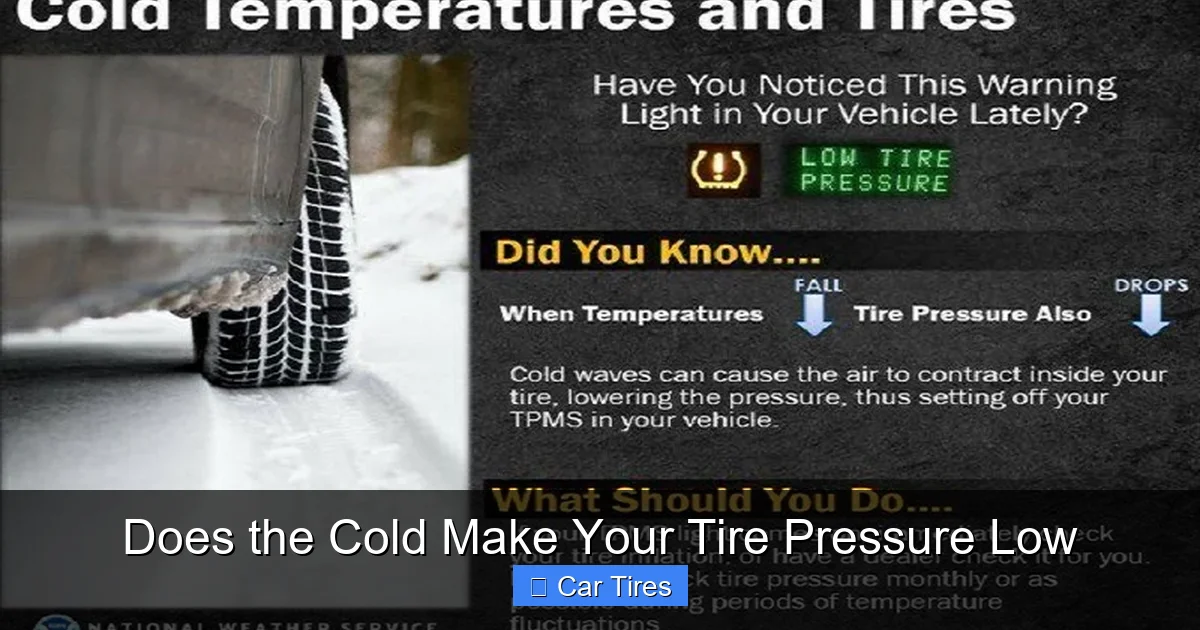
Yes, cold weather makes your tire pressure drop. For every 10°F decrease in temperature, tire pressure can fall by about 1 PSI. This happens because air contracts when it cools, reducing the pressure inside your tires.
In This Article
- 1 Key Takeaways
- 2 📑 Table of Contents
- 3 Does the Cold Make Your Tire Pressure Low? The Science Behind Winter Tire Pressure Drops
- 4 How Temperature Affects Air Pressure in Tires
- 5 Why Low Tire Pressure in Winter Is a Safety Concern
- 6 How to Check and Maintain Tire Pressure in Cold Weather
- 7 Should You Overinflate Tires to Compensate for Cold Weather?
- 8 Understanding Your Car’s Tire Pressure Monitoring System (TPMS)
- 9 Tips for Winter Tire Care Beyond Pressure
- 10 Conclusion: Stay Safe, Stay Inflated
- 11 Frequently Asked Questions
- 11.1 Why does my tire pressure drop in cold weather?
- 11.2 Should I check my tire pressure more often in winter?
- 11.3 Can I drive with the TPMS light on in winter?
- 11.4 Is it okay to overinflate tires to prepare for cold weather?
- 11.5 Do winter tires need special pressure care?
- 11.6 How do I know the correct tire pressure for my car?
Key Takeaways
- Cold temperatures reduce tire pressure: Air contracts in the cold, causing a drop in PSI—about 1 PSI for every 10°F decrease in temperature.
- Low tire pressure affects safety and performance: Underinflated tires can reduce fuel efficiency, increase wear, and raise the risk of blowouts or poor handling.
- Check tire pressure regularly in winter: Cold mornings are the best time to check, as tires haven’t warmed up from driving.
- Use a reliable tire pressure gauge: Digital or analog gauges help you monitor PSI accurately, especially when temperatures fluctuate.
- Don’t overinflate to compensate: Adding extra air to “prepare” for cold can lead to overinflation when temperatures rise, reducing traction and comfort.
- Tire pressure monitoring systems (TPMS) are helpful but not perfect: They alert you to low pressure but may not show exact PSI or detect gradual changes.
- Proper inflation improves fuel economy and tire life: Keeping tires at the recommended PSI saves money and extends tire lifespan, especially in cold climates.
📑 Table of Contents
- Does the Cold Make Your Tire Pressure Low? The Science Behind Winter Tire Pressure Drops
- How Temperature Affects Air Pressure in Tires
- Why Low Tire Pressure in Winter Is a Safety Concern
- How to Check and Maintain Tire Pressure in Cold Weather
- Should You Overinflate Tires to Compensate for Cold Weather?
- Understanding Your Car’s Tire Pressure Monitoring System (TPMS)
- Tips for Winter Tire Care Beyond Pressure
- Conclusion: Stay Safe, Stay Inflated
Does the Cold Make Your Tire Pressure Low? The Science Behind Winter Tire Pressure Drops
If you’ve ever woken up on a frosty winter morning to find your car’s tire pressure warning light glowing on the dashboard, you’re not alone. It’s a common experience—and for good reason. Yes, the cold does make your tire pressure low. This isn’t a myth or a glitch in your car’s system. It’s basic physics.
When temperatures drop, the air inside your tires contracts. This means the molecules move slower and take up less space, which results in lower pressure. For every 10°F (about 5.5°C) decrease in temperature, your tire pressure can drop by roughly 1 pound per square inch (PSI). So, if it’s 70°F one day and drops to 40°F the next, you could lose about 3 PSI—enough to trigger a warning light or affect how your car handles.
This phenomenon affects all vehicles, whether you drive a compact sedan, a rugged SUV, or a heavy-duty truck. It doesn’t matter if your tires are new or old, all-season or winter-specific. Cold air impacts them all the same way. And while modern cars come equipped with Tire Pressure Monitoring Systems (TPMS) to alert you when pressure is low, these systems don’t always explain why the pressure dropped—just that it did.
Understanding why cold weather lowers tire pressure is the first step to staying safe on the road. It’s not just about avoiding warning lights. Properly inflated tires are essential for good traction, braking, fuel efficiency, and overall vehicle performance. In winter, when roads are icy or snowy, having the right tire pressure can mean the difference between a smooth drive and a dangerous skid.
How Temperature Affects Air Pressure in Tires
Visual guide about Does the Cold Make Your Tire Pressure Low
Image source: minit-tune.com
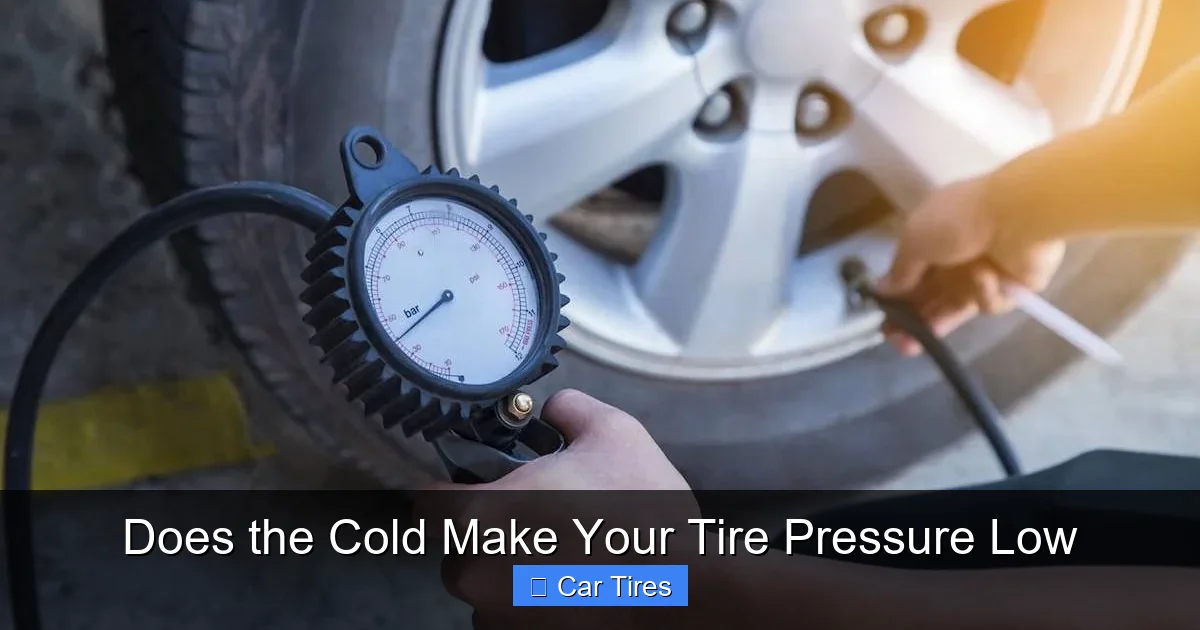
To really grasp why cold weather causes low tire pressure, it helps to understand a little bit of science—specifically, the ideal gas law. Don’t worry, we’ll keep it simple.
Air is made up of molecules that are constantly moving. When air is warm, those molecules move faster and spread out, increasing pressure inside the tire. When air cools, the molecules slow down and move closer together, reducing pressure. This is known as thermal contraction.
Think of it like a balloon. If you blow up a balloon on a hot day and then take it into a cold room, it will shrink. The same principle applies to your tires. The air inside doesn’t escape—it just becomes less pressurized because the temperature has dropped.
This effect is predictable and consistent. Studies and real-world testing show that for every 10°F drop in ambient temperature, tire pressure decreases by about 1 PSI. That might not sound like much, but it adds up quickly in winter. For example, if your tires are properly inflated at 35 PSI on a 60°F day, and the temperature drops to 20°F overnight, you could be running at around 32 PSI—below the recommended level for many vehicles.
It’s also important to note that this pressure drop happens even if your tires aren’t leaking. You don’t have a flat. The air is still in there—it’s just less pressurized due to the cold. This is why you might see the TPMS light come on in the winter, only to have it turn off after driving for a while. As your tires warm up from friction and road contact, the air inside expands slightly, increasing pressure back to normal.
Why Low Tire Pressure in Winter Is a Safety Concern
Visual guide about Does the Cold Make Your Tire Pressure Low
Image source: wrench.com
Driving with low tire pressure isn’t just an inconvenience—it’s a safety risk, especially in cold weather. When your tires are underinflated, several things happen that can compromise your vehicle’s performance and your safety.
First, low pressure increases the amount of tire surface that touches the road. While that might sound good for traction, it actually leads to uneven wear. The outer edges of the tire wear down faster than the center, shortening the tire’s lifespan and reducing its effectiveness over time.
Second, underinflated tires generate more heat. As the tire flexes more than it should, internal friction increases, causing the tire to heat up. In extreme cases, this can lead to a blowout—especially at high speeds or during long drives. A blowout in winter, on an icy or snowy road, can be extremely dangerous.
Third, low tire pressure reduces fuel efficiency. Your engine has to work harder to move a car with underinflated tires, which means you’ll burn more gas. According to the U.S. Department of Energy, underinflated tires can reduce fuel economy by up to 0.2% for every 1 PSI drop in pressure. Over time, that adds up to real money—and unnecessary emissions.
Finally, handling and braking are affected. Underinflated tires don’t respond as quickly to steering input, and they take longer to stop. In winter conditions, where roads may be slick or visibility is low, this delay can be critical. A few extra feet of braking distance could mean the difference between stopping safely and getting into an accident.
Real-World Example: A Winter Morning Commute
Imagine it’s a typical winter morning. The temperature dropped from 45°F the day before to 15°F overnight. You start your car, and the TPMS light comes on. You check the pressure and find that all four tires are at 28 PSI, even though they were at 35 PSI just two days ago.
You decide to drive anyway, thinking it’s not a big deal. But as you merge onto the highway, you notice the car feels a little sluggish. It takes longer to accelerate, and the steering feels less responsive. When you brake, the car doesn’t stop as quickly as usual.
Later, you stop at a gas station and use the air pump to inflate the tires back to 35 PSI. The difference is immediate. The car feels tighter, more responsive. Acceleration improves, and braking is more confident.
This scenario is more common than you might think. Many drivers ignore the TPMS light in winter, assuming it’s just a temporary glitch. But it’s often a real warning that your tires are underinflated due to the cold.
How to Check and Maintain Tire Pressure in Cold Weather
Visual guide about Does the Cold Make Your Tire Pressure Low
Image source: patch.com
The good news is that maintaining proper tire pressure in cold weather is simple—if you know what to do and when to do it.
The best time to check your tire pressure is in the morning, before you’ve driven anywhere. This is when the tires are “cold,” meaning they haven’t warmed up from driving. Checking pressure on warm tires can give you a false reading, because the air inside has expanded from heat.
Here’s a step-by-step guide to checking your tire pressure:
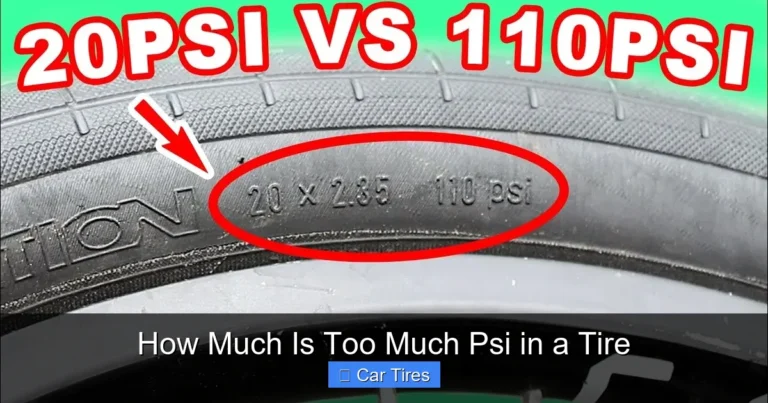
1. Find the recommended PSI: This is usually listed on a sticker inside the driver’s door jamb or in your owner’s manual. Don’t use the number printed on the tire sidewall—that’s the maximum pressure, not the recommended one.
2. Use a reliable gauge: A digital or analog tire pressure gauge is essential. Many gas stations have air pumps with built-in gauges, but these can be inaccurate. It’s better to use your own.
3. Remove the valve cap: Unscrew the cap from the tire’s valve stem and keep it somewhere safe.
4. Press the gauge onto the valve stem: Press firmly to get a good seal. You’ll hear a slight hiss—that’s normal. Read the pressure on the gauge.
5. Add or release air as needed: If the pressure is too low, use an air pump to add air. If it’s too high, press the valve stem slightly to release air, then check again.
6. Recheck and replace the cap: Once the pressure is correct, screw the valve cap back on.
Pro Tip: Check Weekly in Winter
In cold weather, it’s a good idea to check your tire pressure at least once a week. Temperature swings are common in winter, and even a small drop can affect your PSI. If you live in an area with frequent freeze-thaw cycles, you may need to check even more often.
Also, don’t forget the spare tire. If you have a full-size spare, it should be inflated to the same pressure as your other tires. A flat spare is no help in an emergency.
Should You Overinflate Tires to Compensate for Cold Weather?
One common question drivers ask is: “Should I overinflate my tires a little to prepare for the cold?” The short answer is no.
While it’s true that tire pressure drops in cold weather, intentionally overinflating your tires isn’t the solution. In fact, it can cause more problems than it solves.
Overinflated tires have less contact with the road. This reduces traction, especially on wet or icy surfaces. It also leads to uneven wear—this time, in the center of the tire. Over time, this can shorten the tire’s lifespan and make it more prone to damage.
Additionally, overinflated tires provide a harsher ride. You’ll feel every bump and pothole more intensely, which can be uncomfortable and even dangerous on rough winter roads.
Instead of overinflating, follow the recommended PSI for your vehicle. Check your tires regularly, especially when temperatures drop. If you’re planning a long winter trip, check the pressure before you leave. And if you’re unsure, consult your owner’s manual or a tire professional.
What About Winter Tires?
If you live in a cold climate, you might consider switching to winter tires. These are designed to perform better in snow, ice, and cold temperatures. But even winter tires are affected by cold air pressure drops.
Winter tires are made from a softer rubber compound that stays flexible in the cold. However, they still rely on proper inflation to function correctly. In fact, because they’re softer, they may be more sensitive to underinflation.
So, whether you’re using all-season or winter tires, the rule is the same: check the pressure regularly and keep it at the recommended level.
Understanding Your Car’s Tire Pressure Monitoring System (TPMS)
Most modern cars come equipped with a Tire Pressure Monitoring System (TPMS). This system uses sensors in the tires to monitor pressure and alert you if it drops below a certain threshold.
There are two types of TPMS:
– Direct TPMS: Uses sensors inside each tire to measure pressure directly. These systems are more accurate and can show the exact PSI for each tire.
– Indirect TPMS: Uses the car’s anti-lock braking system (ABS) to detect differences in wheel speed. If one tire is underinflated, it will rotate faster than the others, triggering a warning.
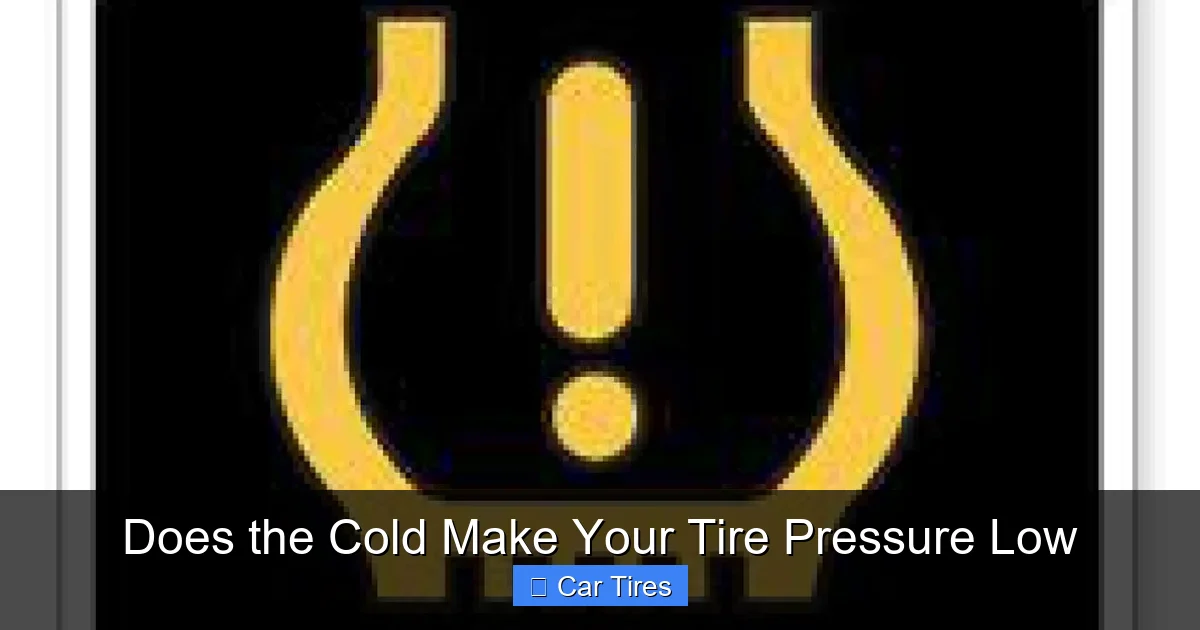
While TPMS is helpful, it’s not perfect. The warning light usually comes on when pressure drops by about 25% below the recommended level. That means your tires could already be significantly underinflated before you’re alerted.
Also, TPMS doesn’t account for temperature changes. It won’t tell you that your pressure dropped because it got colder—it just knows the pressure is low. That’s why it’s important to check your tires manually, especially in winter.
TPMS Light Came On—Now What?
If your TPMS light comes on, don’t ignore it. Here’s what to do:
1. Pull over safely: Find a safe place to stop, like a gas station or parking lot.
2. Check the pressure: Use your gauge to check all four tires (and the spare, if applicable).
3. Inflate as needed: Add air until each tire reaches the recommended PSI.
4. Reset the system: Some cars require you to reset the TPMS after inflating the tires. Check your owner’s manual for instructions.
5. Monitor the light: If the light stays off, you’re good to go. If it comes back on, there may be a leak or another issue—see a mechanic.
Tips for Winter Tire Care Beyond Pressure
While tire pressure is crucial, it’s not the only thing to consider in winter. Here are a few additional tips to keep your tires—and your car—safe during the cold months:
– Inspect for damage: Cold weather can make rubber more brittle. Check your tires for cracks, cuts, or bulges, especially around the sidewalls.
– Rotate your tires: Regular rotation helps ensure even wear. Most manufacturers recommend rotating tires every 5,000 to 7,500 miles.
– Keep tires clean: Road salt and grime can damage tires over time. Wash your wheels and tires regularly to remove buildup.
– Store tires properly: If you switch between summer and winter tires, store them in a cool, dry place away from direct sunlight. Use tire bags or covers to protect them.
– Don’t forget the spare: Make sure your spare tire is in good condition and properly inflated. You don’t want to be stuck with a flat spare in the middle of a snowstorm.
Conclusion: Stay Safe, Stay Inflated
So, does the cold make your tire pressure low? Absolutely. It’s a natural result of how air behaves in cold temperatures. But that doesn’t mean you have to live with underinflated tires or ignore the warning lights.
By understanding the science behind tire pressure and taking a few simple steps, you can keep your tires properly inflated all winter long. Check your pressure regularly, use a reliable gauge, and don’t overinflate to compensate. Your safety, fuel efficiency, and tire lifespan will thank you.
Winter driving comes with enough challenges—icy roads, reduced visibility, and longer stopping distances. Don’t let low tire pressure add to the risk. Stay proactive, stay informed, and keep your tires at the right PSI. It’s one of the easiest and most effective ways to stay safe on the road when the temperature drops.
Frequently Asked Questions
Why does my tire pressure drop in cold weather?
Cold temperatures cause the air inside your tires to contract, reducing pressure. For every 10°F drop in temperature, tire pressure can decrease by about 1 PSI. This is a normal physical reaction and not a sign of a leak.
Should I check my tire pressure more often in winter?
Yes, it’s a good idea to check your tire pressure at least once a week during cold months. Temperature fluctuations can cause frequent pressure changes, and underinflated tires can affect safety and fuel efficiency.
Can I drive with the TPMS light on in winter?
It’s not recommended. The TPMS light usually means your tires are underinflated by at least 25%. Driving with low pressure can reduce traction, increase wear, and raise the risk of a blowout—especially in winter conditions.
Is it okay to overinflate tires to prepare for cold weather?
No, overinflating tires can reduce traction, cause uneven wear, and lead to a harsher ride. Always inflate to the manufacturer’s recommended PSI, and check regularly as temperatures change.
Do winter tires need special pressure care?
Winter tires are still affected by cold temperatures and should be checked regularly. In fact, because they’re made of softer rubber, they may be more sensitive to underinflation. Follow the same pressure guidelines as with all-season tires.
How do I know the correct tire pressure for my car?
The recommended PSI is usually listed on a sticker inside the driver’s door jamb or in the owner’s manual. Never use the maximum pressure listed on the tire sidewall—that’s not the correct inflation level for your vehicle.