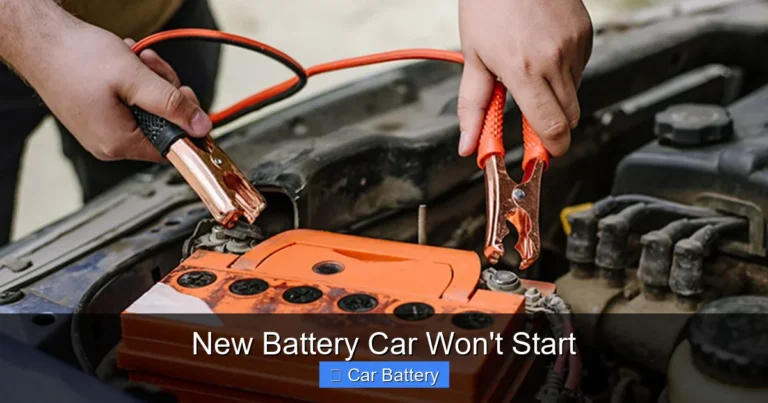
Does Idle Car Charge Battery
Yes, an idle car can charge its battery—but only under the right conditions. While the alternator generates power when the engine runs, idling alone often provides minimal charging, especially if electrical systems are active. Understanding how your car’s charging system works helps prevent unexpected dead batteries.
In This Article
- 1 Key Takeaways
- 2 📑 Table of Contents
- 3 Does Idle Car Charge Battery? The Truth Behind Engine Idling and Battery Recharge
- 4 How Your Car’s Charging System Works
- 5 Does Idling Actually Recharge the Battery?
- 6 Why Driving Is Better Than Idling for Charging
- 7 Factors That Affect Battery Charging While Idling
- 8 Better Alternatives to Idling for Battery Charging
- 9 Signs Your Battery Isn’t Charging Properly
- 10 Conclusion: Idling Helps, But It’s Not Enough
- 11 Frequently Asked Questions
- 11.1 How long should I idle my car to charge the battery?
- 11.2 Can I charge my car battery by just letting it idle with the radio off?
- 11.3 Will my car battery recharge if I leave it idling overnight?
- 11.4 Does revving the engine while idling help charge the battery faster?
- 11.5 Can a bad alternator prevent the battery from charging while idling?
- 11.6 Is it better to use a trickle charger than to idle the car?
Key Takeaways
- Idling does charge the battery, but very slowly: The alternator produces power when the engine runs, but at idle speeds, output is limited—often just enough to maintain, not recharge.
- Battery drain from electronics reduces net gain: Using lights, AC, radio, or phone chargers while idling can consume more power than the alternator generates, resulting in a net loss.
- Short idling sessions aren’t enough: Letting your car idle for 5–10 minutes won’t significantly recharge a depleted battery—driving is far more effective.
- Alternator output increases with RPM: Higher engine speeds (like during highway driving) allow the alternator to produce more electricity, charging the battery faster.
- Older batteries charge less efficiently: A worn-out battery may not hold a charge well, even when the alternator is working properly.
- Extreme temperatures affect charging: Cold weather reduces battery capacity and alternator efficiency, making idle charging even less effective in winter.
- Use a battery maintainer for long-term storage: If your car sits unused for days or weeks, a trickle charger or smart maintainer is the best way to keep the battery healthy.
📑 Table of Contents
- Does Idle Car Charge Battery? The Truth Behind Engine Idling and Battery Recharge
- How Your Car’s Charging System Works
- Does Idling Actually Recharge the Battery?
- Why Driving Is Better Than Idling for Charging
- Factors That Affect Battery Charging While Idling
- Better Alternatives to Idling for Battery Charging
- Signs Your Battery Isn’t Charging Properly
- Conclusion: Idling Helps, But It’s Not Enough
Does Idle Car Charge Battery? The Truth Behind Engine Idling and Battery Recharge
You’ve probably been there—your car has been sitting for a few days, and when you go to start it, the engine cranks slowly or doesn’t turn over at all. You jump-start it, let it idle for 10 minutes, and wonder: “Will this actually recharge my battery?” It’s a common question, and the answer isn’t as simple as “yes” or “no.”
The short answer is: yes, an idle car can charge its battery—but not efficiently, and not always enough to fully restore a depleted battery. Your car’s alternator generates electricity whenever the engine is running, including when it’s idling. However, the amount of power produced at idle is relatively low. If your battery is deeply discharged or if you’re using multiple electrical components while idling, the alternator may not be able to keep up with demand.
Understanding how your car’s charging system works—and the limitations of idling—can help you avoid getting stranded with a dead battery. In this article, we’ll break down how the alternator charges the battery, why idling isn’t a reliable charging method, and what you can do instead to keep your battery in top shape.
How Your Car’s Charging System Works
Visual guide about Does Idle Car Charge Battery
Image source: simplecarguides.com
To understand whether idling charges your battery, it helps to know how your car generates and uses electricity.
The Role of the Alternator
The alternator is the heart of your car’s charging system. It’s a small generator driven by a belt connected to the engine. When the engine runs, the alternator spins and produces alternating current (AC), which is then converted to direct current (DC) to power your car’s electrical systems and recharge the battery.
Unlike older cars that used generators, modern alternators are highly efficient and can produce a significant amount of power—typically between 70 and 150 amps, depending on the vehicle. This is more than enough to run headlights, the stereo, air conditioning, and other electronics while also keeping the battery charged.
Battery Function and Recharge Cycle
Your car battery stores electrical energy and provides the initial power needed to start the engine. Once the engine is running, the alternator takes over, supplying power to the vehicle and recharging the battery.
A healthy battery should maintain a voltage of around 12.6 volts when the engine is off. When the engine starts, the voltage should rise to between 13.7 and 14.7 volts, indicating that the alternator is charging the battery. If the voltage stays below 13 volts while the engine runs, it could signal a problem with the alternator or battery.
Power Demand vs. Alternator Output
Here’s the catch: the alternator doesn’t produce maximum power at idle. Its output depends on engine speed (RPM). At idle—typically around 600–800 RPM—the alternator spins slowly and generates less electricity. For example, a 100-amp alternator might only produce 30–50 amps at idle, which is barely enough to power essential systems like the ignition and fuel injection, let alone recharge a weak battery.
Meanwhile, modern cars have more electrical demands than ever: infotainment systems, heated seats, climate control, and advanced driver-assistance features. These can draw 20–40 amps or more, especially when first turned on. If your battery is already low, the alternator may not be able to recharge it while also powering these systems—even if the engine is running.
Does Idling Actually Recharge the Battery?

Visual guide about Does Idle Car Charge Battery
Image source: whatincar.com
Now let’s get to the core question: does idling charge the battery?
Yes, But Very Slowly
Technically, yes—idling does charge the battery, but at a very slow rate. If your battery is only slightly discharged (say, from leaving the headlights on for an hour), idling for 20–30 minutes might be enough to restore it to a usable level. However, if the battery is deeply discharged—common after a long period of inactivity or a failed alternator—idling alone won’t cut it.
Think of it like trying to fill a bucket with a tiny hole in the bottom. The alternator is pouring water in, but the hole (electrical load) is letting it drain out. If the inflow is less than the outflow, the bucket never fills.
Real-World Example: The 10-Minute Idle Myth
Many people believe that letting their car idle for 10 minutes after a jump-start will fully recharge the battery. Unfortunately, that’s a myth. In most cases, 10 minutes of idling provides only a tiny fraction of the charge needed.
For example, if your alternator produces 40 amps at idle and your battery needs 50 amp-hours to reach full charge, it would take over an hour of uninterrupted idling to restore it—assuming no electrical load. But if you’re using the radio, lights, or AC, that time increases significantly.
When Idling Might Help (and When It Won’t)
Idling can help in these situations:
– The battery is only slightly low (e.g., from a short drive the day before).
– You’re idling for a long time (30+ minutes) with minimal electrical use.
– The weather is mild, and the battery is in good condition.
Idling won’t help (or may even hurt) in these cases:
– The battery is deeply discharged (below 11.5 volts).
– You’re using high-drain electronics (AC, heated seats, stereo).
– The battery is old or damaged.
– It’s very cold outside, reducing battery efficiency.
Why Driving Is Better Than Idling for Charging
Visual guide about Does Idle Car Charge Battery
Image source: autoemc.net
If idling isn’t effective, what’s the best way to recharge your battery?
Higher RPM = More Power
The alternator produces more electricity as engine RPM increases. At highway speeds (2,000–3,000 RPM), most alternators operate near peak efficiency, generating 80–100% of their rated output. This means your battery charges much faster when you’re driving than when you’re idling.
For example, a 20-minute drive at moderate speeds can provide significantly more charge than an hour of idling. This is why mechanics and battery experts recommend driving your car regularly—especially after a jump-start—to ensure the battery recharges properly.
Real-World Charging Times
Here’s a rough estimate of how long it takes to recharge a typical 12-volt car battery under different conditions:
– Idling (no load): 1–2 hours for a partial recharge (not full).
– Idling (with AC/radio on): May not recharge at all—could even drain further.
– City driving (stop-and-go): 30–60 minutes for a decent recharge.
– Highway driving (steady speed): 20–30 minutes for a full recharge.
These times assume a healthy alternator and battery. If either is failing, charging will take much longer—or not happen at all.
Tip: Take a Short Drive After Jump-Starting
After jump-starting your car, don’t just let it idle. Instead, drive it for at least 20–30 minutes to give the alternator time to recharge the battery. Avoid turning on high-drain electronics during this time to maximize charging efficiency.
Factors That Affect Battery Charging While Idling
Several factors influence whether idling will actually charge your battery.
Battery Age and Condition
An older battery (3–5 years or more) has reduced capacity and may not accept a charge well, even when the alternator is working perfectly. Sulfation—a buildup of lead sulfate crystals—can occur in neglected batteries, reducing their ability to hold a charge.
If your battery is more than four years old and you’re having charging issues, it may be time for a replacement.
Electrical Load
The more electronics you use, the harder it is for the alternator to recharge the battery. For example:
– Running the AC can draw 15–25 amps.
– Heated seats use 5–10 amps each.
– A powerful stereo system can draw 20+ amps.
If your alternator is only producing 40 amps at idle, and your car is using 35 amps just to run accessories, there’s only 5 amps left to charge the battery—barely enough to maintain, let alone recharge.
Temperature Effects
Cold weather reduces battery capacity and increases internal resistance, making it harder to charge. In freezing temperatures, a battery may lose 30–50% of its cranking power. At the same time, the alternator’s efficiency drops slightly, and engine oil is thicker, reducing alternator output.
In hot weather, batteries degrade faster, and high under-hood temperatures can reduce alternator lifespan.
Alternator Health
A failing alternator may not produce enough power, even at high RPM. Common signs include:
– Dimming headlights at idle.
– Battery warning light on the dashboard.
– Frequent dead batteries despite regular driving.
If you suspect your alternator is failing, have it tested at an auto parts store or by a mechanic.
Better Alternatives to Idling for Battery Charging
Since idling isn’t reliable, what should you do instead?
Drive Regularly
The best way to keep your battery charged is to drive your car regularly—at least 20–30 minutes every few days. This gives the alternator enough time to recharge the battery fully.
Use a Battery Maintainer or Trickle Charger
If your car sits for long periods (e.g., classic cars, seasonal vehicles, or infrequent drivers), use a battery maintainer. These devices plug into a wall outlet and deliver a small, steady charge to the battery, preventing discharge without overcharging.
Smart chargers are even better—they monitor battery voltage and adjust the charge rate automatically.
Avoid Short Trips
Frequent short trips (under 10 minutes) don’t give the alternator enough time to recharge the battery. Over time, this can lead to a chronically undercharged battery and premature failure.
If you only make short trips, consider using a battery maintainer or taking longer drives occasionally.
Turn Off Electronics When Idling
If you must idle (e.g., waiting in a parking lot), turn off unnecessary electronics to reduce load on the alternator. This gives it a better chance to charge the battery.
Signs Your Battery Isn’t Charging Properly
Even if your car starts, it doesn’t mean the battery is charging correctly. Watch for these warning signs:
– Slow engine crank: The engine turns over slowly, especially in cold weather.
– Dim headlights: Lights are noticeably dimmer at idle or when starting.
– Battery warning light: A light on the dashboard that looks like a battery or “ALT.”
– Electrical issues: Power windows, locks, or radio acting erratically.
– Frequent jump-starts: Needing a jump more than once a year is a red flag.
If you notice any of these, have your battery and alternator tested.
Conclusion: Idling Helps, But It’s Not Enough
So, does idle car charge battery? The answer is yes—but with major caveats. Idling provides some charging, but it’s slow, inefficient, and often insufficient for a deeply discharged battery. Modern cars with high electrical demands may even experience a net loss of charge while idling if too many accessories are running.
The best way to keep your battery charged is to drive regularly, avoid short trips, and use a battery maintainer if your car sits for long periods. If you’ve jump-started your car, don’t rely on idling—take it for a 20- to 30-minute drive instead.
Understanding your car’s charging system empowers you to take better care of your battery and avoid unexpected breakdowns. Remember: a little knowledge goes a long way when it comes to keeping your car running smoothly.
Frequently Asked Questions
How long should I idle my car to charge the battery?
Idling for 20–30 minutes may provide a small charge, but it’s not enough to fully recharge a depleted battery. For effective charging, drive your car for at least 20–30 minutes instead.
Can I charge my car battery by just letting it idle with the radio off?
Yes, but very slowly. With minimal electrical load, idling can maintain or slightly recharge a weak battery, but it’s not reliable for full recharging—especially if the battery is deeply discharged.
Will my car battery recharge if I leave it idling overnight?
Leaving your car idling overnight is unnecessary and potentially dangerous due to carbon monoxide risk. It also wastes fuel and may not fully recharge the battery. A short drive or battery maintainer is safer and more effective.
Does revving the engine while idling help charge the battery faster?
Revving the engine briefly can increase alternator output slightly, but it’s not a practical or efficient charging method. Sustained high RPM at idle can overheat the engine and cause damage.
Can a bad alternator prevent the battery from charging while idling?
Yes. If the alternator is failing, it may not produce enough power to charge the battery—even at high RPM. A battery warning light or dim headlights are common signs of alternator trouble.
Is it better to use a trickle charger than to idle the car?
Yes. A trickle charger or smart battery maintainer is far more effective and efficient than idling. It provides a steady, controlled charge without wasting fuel or risking engine wear.