
Does Car Insurance Cover Windshield Replacement

Yes, most car insurance policies cover windshield replacement—especially if you have comprehensive coverage. However, coverage details, deductibles, and repair vs. replacement rules vary by insurer and state. Knowing your policy and acting fast can save you time and money.
Key Takeaways
- Comprehensive coverage typically includes windshield replacement: This part of your policy protects against non-collision damage like rocks, hail, or vandalism—common causes of windshield damage.
- Some states require full glass coverage with no deductible: States like Florida, Kentucky, and South Carolina mandate insurers to cover windshield repairs or replacements without charging a deductible.
- Small chips and cracks may be repairable instead of replaced: Many insurers prefer repairing minor damage (under 6 inches) to save costs, and some even offer free repairs.
- Filing a claim may not raise your premium: Because windshield damage is usually considered “no-fault,” claims often don’t affect your insurance rates.
- Use approved repair shops for best results: Most insurers work with certified auto glass providers and may offer mobile service for added convenience.
- Check your policy before filing: Not all policies include glass coverage, and some have specific exclusions or limits, so review your documents carefully.
- Act quickly to prevent further damage: A small chip can spread into a large crack due to temperature changes or road vibrations, making repair impossible.
📑 Table of Contents
- Does Car Insurance Cover Windshield Replacement? A Complete Guide
- Understanding Your Car Insurance Policy
- When Does Insurance Cover Windshield Replacement?
- Repair vs. Replacement: What’s the Difference?
- State Laws and No-Deductible Glass Coverage
- How to File a Windshield Replacement Claim
- Will Filing a Claim Raise Your Premium?
- Tips to Save Money on Windshield Replacement
- Conclusion
Does Car Insurance Cover Windshield Replacement? A Complete Guide
You’re driving down the highway, enjoying the view, when suddenly—ping! A tiny rock hits your windshield, leaving a small chip right in your line of sight. Your first thought? “Will my car insurance cover this?” The good news is, in most cases, the answer is yes. But like many things in insurance, it’s not always black and white. Understanding what your policy covers, how claims work, and when you might have to pay out of pocket can save you stress and money.
Windshield damage is one of the most common automotive issues drivers face. Whether it’s a flying pebble from a truck ahead, a falling branch during a storm, or vandalism in a parking lot, cracks and chips happen to the best of us. And while a small chip might seem harmless at first, it can quickly turn into a major safety hazard if left untreated. That’s why knowing whether your car insurance covers windshield replacement is so important—not just for your wallet, but for your safety on the road.
Understanding Your Car Insurance Policy
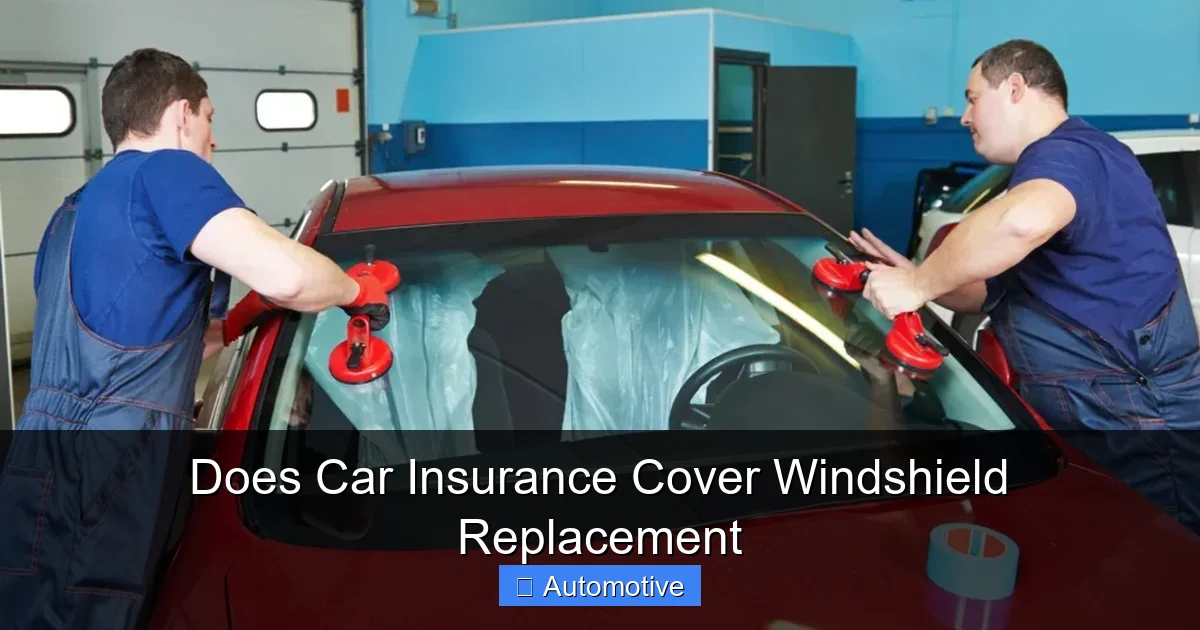
Before you can determine if your insurance will pay for a new windshield, you need to understand the different types of coverage in your policy. Most standard auto insurance policies include several components: liability, collision, and comprehensive. While liability covers damage you cause to others, and collision covers damage from accidents, it’s comprehensive coverage that typically handles windshield replacement.
Visual guide about Does Car Insurance Cover Windshield Replacement
Image source: trybeem.com
What Is Comprehensive Coverage?
Comprehensive coverage protects your vehicle from damage caused by events other than collisions. This includes things like theft, fire, vandalism, falling objects, and—yes—windshield damage from rocks or debris. If you have comprehensive coverage, there’s a strong chance your windshield replacement will be covered, minus any applicable deductible.
For example, if a large truck kicks up a stone that cracks your windshield, and you have comprehensive coverage with a $500 deductible, your insurer will pay for the replacement after you pay that $500. However, some policies offer “full glass coverage” with no deductible, especially in certain states or with specific insurers.
Do You Need Comprehensive Coverage?
If you financed your car or lease it, comprehensive coverage is usually required by the lender. But even if you own your vehicle outright, it’s often worth the extra cost. The average comprehensive claim is relatively low-risk for insurers, and the peace of mind it offers—especially for something as common as windshield damage—can be invaluable.
Keep in mind that not all policies are created equal. Some budget insurance plans may exclude glass coverage or charge higher deductibles for it. Always review your policy documents or speak with your agent to confirm what’s included.
When Does Insurance Cover Windshield Replacement?
So, under what circumstances will your insurer actually pay for a new windshield? The short answer: when the damage is caused by a covered peril under your comprehensive policy. But let’s break that down with real-world examples.
Visual guide about Does Car Insurance Cover Windshield Replacement
Image source: blog.glass.net
Common Covered Scenarios
- Road debris: A rock or piece of gravel hits your windshield while driving. This is one of the most common causes and is almost always covered.
- Hail or falling objects: A hailstorm cracks your windshield, or a tree branch falls on it during a storm. Both are typically covered.
- Vandalism: Someone intentionally damages your windshield with a tool or object. Covered under comprehensive.
- Animal collisions: While hitting an animal is usually a collision claim, if the animal causes windshield damage without a crash (e.g., a bird flying into the glass), it may fall under comprehensive.
- Manufacturing defects: In rare cases, if the windshield cracks due to a defect, your insurer may still cover it, though the manufacturer might also be liable.
What’s Not Covered?
There are some situations where your insurer may deny coverage. These include:
- Normal wear and tear: If your windshield is old and develops cracks over time without a specific incident, it may not be covered.
- Intentional damage: If you damage your own windshield, that’s not covered.
- Lack of comprehensive coverage: If you only have liability and collision, glass damage won’t be covered.
- Policy exclusions: Some insurers exclude certain types of glass damage, especially if the vehicle is older or has aftermarket modifications.
It’s also worth noting that if the damage is purely cosmetic—like a tiny chip in the corner that doesn’t affect visibility or structural integrity—some insurers may still cover repair but not full replacement unless it spreads.
Repair vs. Replacement: What’s the Difference?
One of the most important things to understand is that not all windshield damage requires a full replacement. In many cases, especially with small chips or cracks, a repair is possible—and often preferred by both you and your insurer.

Visual guide about Does Car Insurance Cover Windshield Replacement
Image source: thedailyautomotive.com
When Can You Repair Instead of Replace?
Most auto glass professionals can repair damage that meets these criteria:
- The chip is smaller than a quarter (about 1 inch in diameter).
- The crack is less than 6 inches long.
- The damage is not in the driver’s direct line of sight.
- The damage hasn’t penetrated both layers of the glass.
- The damage is not in the edge of the windshield (within 2 inches), where structural integrity is critical.
For example, a small star-shaped chip from a pebble on the passenger side might be easily repaired in under 30 minutes. The technician uses a special resin to fill the crack, restoring strength and clarity. This is usually much cheaper than a full replacement and often covered by insurance with little or no deductible.
When Is Replacement Necessary?
Replacement becomes necessary when:
- The crack is longer than 6 inches.
- The damage is in the driver’s field of vision.
- The windshield has multiple cracks or large chips.
- The damage affects the structural integrity of the glass.
- The repair would obstruct sensors or cameras (common in modern cars with advanced driver-assistance systems).
Modern windshields are more than just glass—they’re integrated into your car’s safety systems. Many vehicles have cameras, rain sensors, lane departure warnings, and automatic wipers mounted behind the glass. If these are damaged or misaligned during a repair, a full replacement with recalibration may be required.
State Laws and No-Deductible Glass Coverage
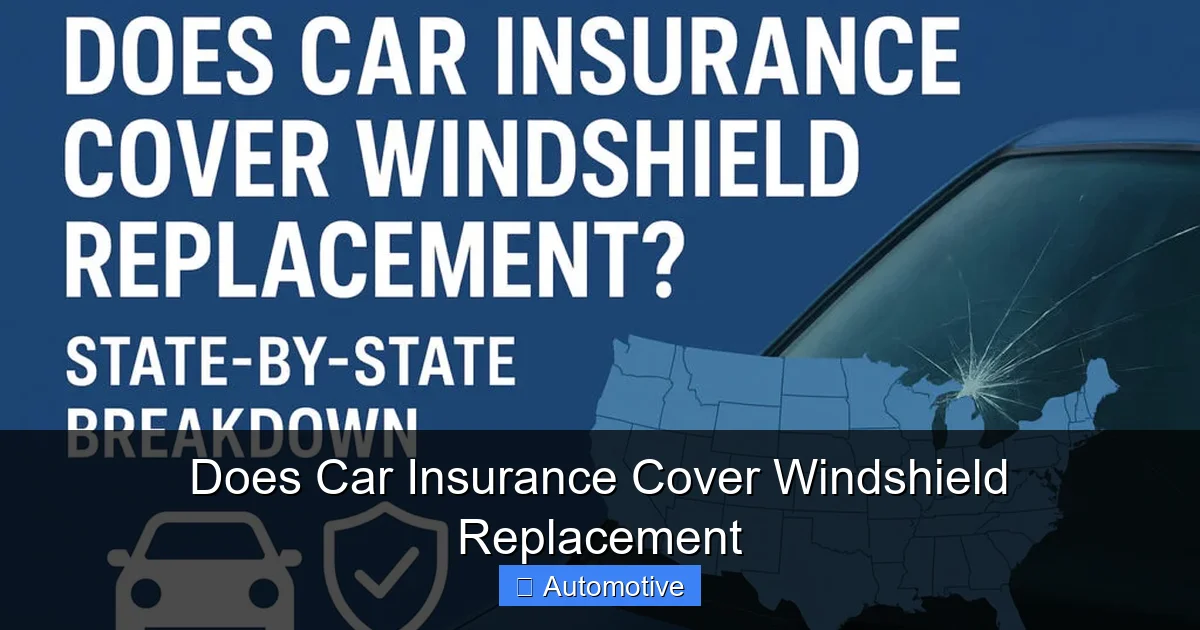
Here’s a little-known fact: in some states, you may be able to get your windshield replaced with no out-of-pocket cost—even if you have a deductible. This is due to specific state laws that require insurers to cover glass repairs and replacements without charging a deductible.
States with Full Glass Coverage Laws
Currently, three states have laws mandating no-deductible glass coverage:
- Florida: Insurers must cover windshield repairs and replacements with no deductible, regardless of fault.
- Kentucky: Similar to Florida, glass damage is covered without a deductible under comprehensive policies.
- South Carolina: Requires insurers to offer full glass coverage with no deductible, though drivers can opt out.
In these states, even if you have a $500 deductible on your comprehensive coverage, your windshield replacement could still be fully covered. This is a huge benefit, especially since windshield replacements can cost $200 to $600 or more depending on the vehicle.
Other States and Insurer Policies
Even in states without mandatory no-deductible laws, many insurers offer optional “full glass coverage” for a small additional premium. This endorsement waives the deductible for glass claims, making it easier and cheaper to get repairs or replacements.
For example, Geico, State Farm, and Progressive all offer full glass coverage options. It’s often available for just a few dollars more per month and can be worth it if you live in an area with lots of road debris or harsh weather.
How to File a Windshield Replacement Claim
If your windshield is damaged and you believe it’s covered, here’s how to file a claim the right way—without unnecessary hassle or cost.
Step 1: Assess the Damage
First, determine whether the damage can be repaired or needs replacement. Take clear photos from multiple angles. Note the size, location, and type of damage (chip, crack, star break, etc.). If it’s small and not in your line of sight, call a repair service first—they may be able to fix it on the spot.
Step 2: Contact Your Insurance Company
Call your insurer or use their mobile app to start a claim. Most companies allow you to file glass claims online or via phone. Be ready to provide:
- Your policy number
- Date and location of the incident
- Description of how the damage occurred
- Photos of the damage
Many insurers have partnerships with auto glass repair companies, so they may schedule the service directly. This can save you time and ensure the work is done by a certified technician.
Step 3: Choose a Repair Shop
You usually have the right to choose your own repair shop, but using an insurer-approved provider can simplify the process. These shops often bill the insurance company directly, so you only pay your deductible (if any).
Some insurers even offer mobile service—technicians come to your home or office to repair or replace your windshield. This is especially convenient if the damage affects your ability to drive safely.
Step 4: Pay Your Deductible (If Applicable)
If your policy has a deductible and it applies to glass claims, you’ll need to pay that amount. However, as mentioned earlier, some states and policies waive this for glass damage. Always ask your insurer or agent to confirm.
Step 5: Get Your Windshield Fixed
Once approved, the repair or replacement typically takes 30 minutes to a few hours. For replacements, the technician will remove the old glass, install the new one, and seal it properly. If your car has advanced safety systems, they may also need to recalibrate cameras and sensors—this can add time and cost.
Will Filing a Claim Raise Your Premium?
This is one of the biggest concerns drivers have: “If I file a claim, will my insurance go up?” The good news is, in most cases, a windshield replacement claim will not increase your premium.
Why Windshield Claims Are Usually “No-Fault”
Unlike collision claims, which often involve fault and can raise rates, windshield damage is typically considered an act of nature or unavoidable incident. There’s no other driver involved, and you didn’t cause the damage through negligence. As a result, insurers usually treat glass claims as low-risk and non-rate-affecting.
For example, if a tree branch falls on your car during a storm, that’s not your fault—it’s an “act of God.” Similarly, a rock kicked up by another vehicle is beyond your control. Because of this, most insurers won’t penalize you for filing a glass claim.
Exceptions to the Rule
That said, there are a few scenarios where a claim might affect your rates:
- Multiple claims in a short period: If you file several glass claims in one year, your insurer may see you as higher risk.
- At-fault accidents involving glass damage: If you rear-end another car and damage your windshield in the process, that’s a collision claim and could raise your rates.
- Policy-specific rules: Some insurers have internal guidelines that treat frequent claims differently, even for glass.
To be safe, ask your agent before filing. Many will tell you upfront whether a claim will affect your premium. In most cases, though, you can proceed with confidence.
Tips to Save Money on Windshield Replacement
Even with insurance, windshield replacement can be expensive. Here are some practical tips to keep costs down:
1. Act Quickly
The sooner you repair a chip or crack, the less likely it is to spread. A $50 repair today could prevent a $400 replacement tomorrow. Temperature changes, road vibrations, and moisture can all cause small damage to grow.
2. Use OEM or High-Quality Aftermarket Glass
Original Equipment Manufacturer (OEM) glass is made by your car’s manufacturer and matches the original exactly. Aftermarket glass is cheaper but may not fit as well or have the same clarity. Some insurers only cover OEM glass, while others allow aftermarket. Ask what’s covered under your policy.
3. Check for Free Repairs
Some insurers and glass companies offer free repairs for small chips, especially if you have comprehensive coverage. For example, Safelite (a major auto glass provider) often partners with insurers to provide no-cost repairs.
4. Consider the Location of Damage
Damage near the edge of the windshield is more likely to require replacement. If possible, avoid driving on rough roads or behind large trucks that kick up debris. Use lower speeds in construction zones.
5. Review Your Policy Annually
Insurance needs change over time. If you’ve had your policy for years, it’s worth reviewing it to see if you’re overpaying or missing out on benefits like full glass coverage. A quick call to your agent could save you money.
Conclusion
So, does car insurance cover windshield replacement? In most cases, yes—especially if you have comprehensive coverage. Whether it’s a rock chip on the highway or hail damage during a storm, your insurer is likely to foot the bill, minus any deductible. And in some states, you might not even have to pay that.
The key is knowing your policy, acting quickly, and understanding the difference between repair and replacement. With the right coverage and a little proactive care, you can keep your windshield—and your wallet—in great shape. Don’t wait until a small chip becomes a big problem. Check your insurance today, and drive with confidence knowing you’re protected.
Frequently Asked Questions
Does liability insurance cover windshield replacement?
No, liability insurance only covers damage you cause to other people’s property or injuries. It does not cover damage to your own vehicle, including windshield replacement.
Can I choose my own auto glass repair shop?
Yes, in most cases you can choose any certified repair shop. However, using an insurer-approved provider may simplify billing and ensure the work is covered under your policy.
Will my insurance go up if I file a windshield claim?
Generally, no. Windshield damage is usually considered a no-fault claim, so it typically doesn’t affect your premium. However, multiple claims in a short time could raise concerns.
How much does a windshield replacement cost without insurance?
Without insurance, a windshield replacement can cost between $200 and $600 or more, depending on the vehicle make, model, and whether advanced safety systems need recalibration.
Is a cracked windshield illegal to drive with?
It depends on your state and the size and location of the crack. Many states prohibit driving with cracks in the driver’s line of sight or longer than a certain length. Check your local laws to be safe.
Can I drive immediately after a windshield replacement?
Most technicians recommend waiting at least one hour before driving to allow the adhesive to set. For safety, avoid high speeds or rough roads for the first 24 hours.
