
Does Car Insurance Cover Windshield Damage?

Yes, car insurance often covers windshield damage—especially if you have comprehensive coverage. Most policies treat broken or cracked windshields as part of glass protection, and many insurers offer zero-deductible repairs. Knowing your coverage details can save you time and money.
Key Takeaways
- Comprehensive coverage typically includes windshield damage: This part of your policy covers non-collision incidents like rocks, hail, or vandalism that crack or shatter your windshield.
- Many insurers offer zero-deductible glass repair: Some companies waive the deductible for windshield-only claims, especially if you use their approved repair shops.
- Small chips may be repairable instead of replaced: Cracks under 6 inches or chips smaller than a quarter can often be fixed quickly and cheaply, avoiding a full replacement.
- State laws may influence coverage: In states like Florida, Kentucky, and South Carolina, insurers must offer full glass coverage without a deductible.
- Filing a claim could affect premiums: While minor glass claims rarely increase rates, it’s smart to check with your insurer before filing.
- Use in-network repair shops for best results: Choosing a certified technician ensures quality work and smoother claims processing.
- Document the damage immediately: Take photos and note when and where the damage occurred to support your claim.
📑 Table of Contents
- Does Car Insurance Cover Windshield Damage?
- Understanding Your Auto Insurance Policy
- Types of Windshield Damage Covered by Insurance
- Deductibles and Out-of-Pocket Costs
- State Laws and Windshield Coverage
- How to File a Windshield Damage Claim
- Will Filing a Claim Increase Your Premium?
- Tips to Prevent Windshield Damage
- Conclusion
Does Car Insurance Cover Windshield Damage?
You’re driving down the highway, minding your own business, when suddenly—*ping!*—a tiny rock hits your windshield. A small chip appears right in your line of sight. Your first thought? “Will my car insurance cover this?”
The short answer is: yes, in most cases, car insurance does cover windshield damage—but only if you have the right type of coverage. Most standard liability policies won’t help with glass repairs, but if you’ve added comprehensive coverage (also called “other-than-collision” coverage), you’re likely protected against windshield cracks, chips, and even full shatters caused by things like falling debris, hail, or vandalism.
Windshield damage is one of the most common auto insurance claims, yet many drivers don’t realize they’re covered until it happens to them. The good news? Repairing or replacing a windshield is usually straightforward, and many insurers make the process quick and hassle-free—especially if you act fast. In this guide, we’ll walk you through everything you need to know about windshield coverage, from what’s included in your policy to how to file a claim and avoid common pitfalls.
Understanding Your Auto Insurance Policy
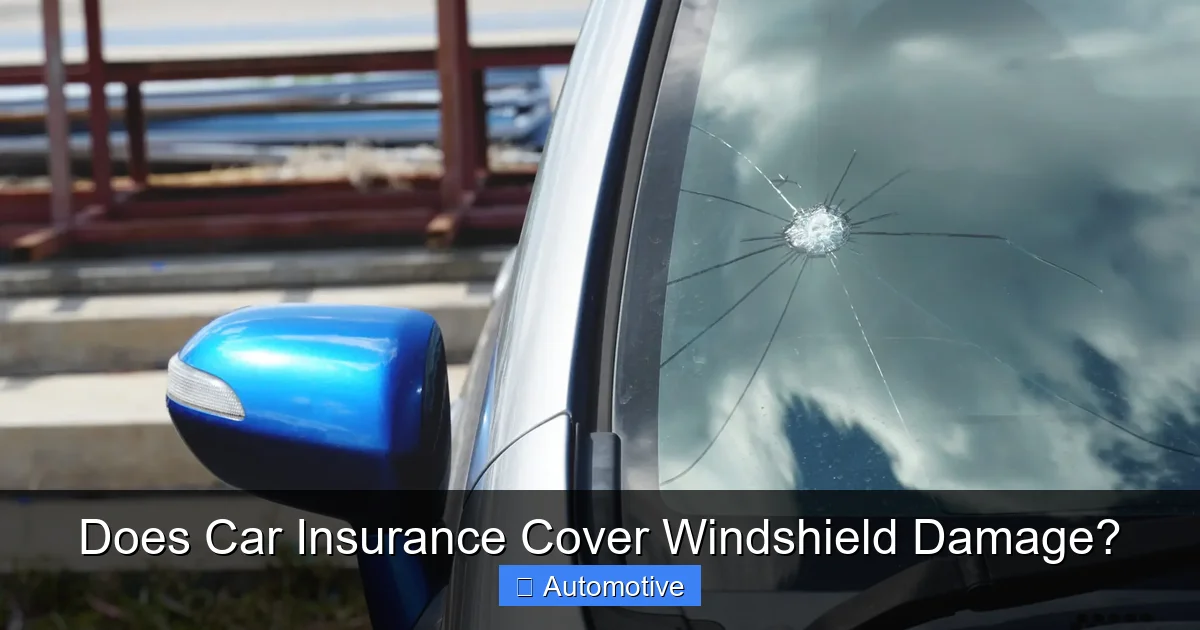
Visual guide about Does Car Insurance Cover Windshield Damage?
Image source: ratesonic.com
Before you can determine whether your insurance will pay for a cracked windshield, you need to understand the different parts of your auto policy. Most policies include several types of coverage, but not all of them apply to glass damage.
Liability Coverage: What It Covers (and What It Doesn’t)
Liability insurance is required in almost every state and covers damage or injuries you cause to others in an accident. However, it does not cover damage to your own vehicle—including your windshield. So if a rock flies up from the road and cracks your glass, liability won’t help you.
Collision Coverage: For Accidents Only
Collision coverage pays for damage to your car when you hit another vehicle or object—like a guardrail or pothole. If you rear-end someone and your windshield cracks from the impact, collision might cover it. But if the damage comes from something unrelated to a collision (like a tree branch falling on your car), collision won’t apply.
Comprehensive Coverage: The Key to Windshield Protection
This is where windshield coverage usually kicks in. Comprehensive coverage protects your vehicle from non-collision events such as:
– Falling objects (branches, construction debris)
– Weather-related damage (hail, ice, windstorms)
– Vandalism or theft
– Animal collisions
– Rocks or gravel kicked up by other vehicles
Because windshield damage often results from these types of incidents, comprehensive is the part of your policy that typically covers repairs or replacements. Most insurers treat glass damage under comprehensive, and many even have specific “glass coverage” endorsements.
Glass-Only Coverage: A Special Add-On
Some insurance companies offer standalone glass coverage, which may come with no deductible and fast service. This is especially common in states with high rates of windshield damage due to weather or road conditions. Even if you don’t have full comprehensive coverage, you might be able to add glass-only protection for a small monthly fee.
Types of Windshield Damage Covered by Insurance
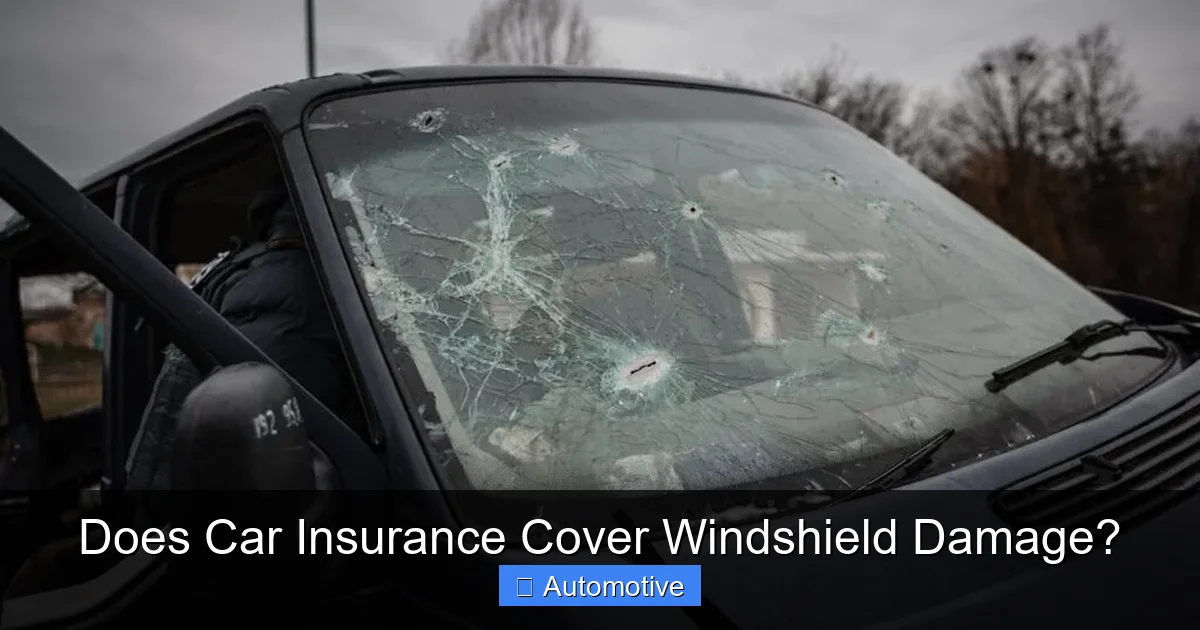
Visual guide about Does Car Insurance Cover Windshield Damage?
Image source: rosengardlawgroup.com
Not all windshield damage is created equal—and not all of it requires a full replacement. Understanding the difference can save you time, money, and stress.
Chips: Small but Potentially Problematic
A chip is a small area of damage where the outer layer of glass is cracked or missing, often caused by a pebble hitting the windshield at high speed. These are usually no bigger than a dime and may appear as a star, bullseye, or pit.
Most insurers will cover chip repairs under comprehensive coverage. And because chips can spread into larger cracks if left untreated, many policies encourage quick fixes—sometimes even offering mobile repair services that come to your home or office.
Cracks: When Repairs Aren’t Enough
Cracks are longer breaks in the glass that can vary in length and severity. Insurance typically covers cracks, but whether you can repair or must replace depends on:
– Length (most repairable cracks are under 6 inches)
– Location (cracks in the driver’s line of sight are harder to fix)
– Depth (if the crack goes through both layers of glass, replacement is usually needed)
For example, a 4-inch crack along the edge of the windshield might be repairable, but a 10-inch crack running across the center likely requires a full replacement—both of which are generally covered under comprehensive.
Shattered Windshields: Full Replacement Needed
In rare cases, a strong impact or extreme temperature change can cause the entire windshield to shatter. This is not only dangerous but also illegal to drive with in most states. Comprehensive coverage almost always pays for a full replacement in these situations.
Damage from Theft or Vandalism
If someone breaks into your car and damages the windshield during the process, comprehensive coverage should handle the repair or replacement. Even if nothing was stolen, the damage itself is typically covered.
Deductibles and Out-of-Pocket Costs

Visual guide about Does Car Insurance Cover Windshield Damage?
Image source: autoinsurance.org
One of the biggest concerns drivers have is cost—specifically, whether they’ll have to pay out of pocket for windshield repairs.
How Deductibles Work with Glass Claims
Your deductible is the amount you pay before insurance kicks in. For example, if you have a $500 deductible and your windshield replacement costs $600, you’d pay $500 and insurance would cover $100.
However, many insurers offer zero-deductible glass coverage, especially for windshield-only claims. This means you pay nothing out of pocket if you use an approved repair shop. Always check your policy or call your agent to confirm.
When You Might Pay Nothing
In some cases, you won’t pay a dime:
– Your policy includes zero-deductible glass coverage
– You live in a state that mandates full glass coverage (more on that below)
– The damage is minor and repairable for under $100 (some insurers waive the deductible for repairs)
When You Might Still Pay
You may still face costs if:
– You don’t have comprehensive coverage
– Your deductible is high and the repair cost is low
– You choose a non-approved repair shop that charges more than your insurer’s rate
Tip: If the repair costs less than your deductible, it’s often cheaper to pay out of pocket than to file a claim—especially if you’re worried about premium increases.
State Laws and Windshield Coverage
Believe it or not, where you live can affect whether your insurance covers windshield damage—and how much you pay.
States with Mandatory Glass Coverage
Three states require insurers to offer full windshield coverage with no deductible:
– Florida: Insurers must provide zero-deductible glass coverage for all policyholders.
– Kentucky: Full glass coverage is mandatory, and insurers cannot charge a deductible for windshield repairs or replacements.
– South Carolina: Similar to Florida and Kentucky, glass coverage must be offered without a deductible.
In these states, even if you only have liability insurance, you may still be eligible for free or low-cost windshield repairs through your insurer.
States with Partial or Optional Coverage
In most other states, glass coverage is optional and typically bundled with comprehensive. However, many insurers still offer competitive rates and incentives for adding it. Some states also have laws about windshield safety standards, requiring timely repairs to maintain roadworthiness.
How Weather and Geography Play a Role
If you live in an area prone to hailstorms (like Colorado or Texas), frequent road construction (common in urban areas), or heavy truck traffic (which kicks up debris), you’re more likely to experience windshield damage. In these regions, insurers often promote glass coverage more aggressively—and may even offer discounts for quick repairs.
How to File a Windshield Damage Claim
Filing a claim for windshield damage is usually simple, but doing it right can speed up the process and reduce stress.
Step 1: Assess the Damage
First, determine whether the damage is repairable or requires replacement. Use this quick guide:
– Chip smaller than a quarter? Likely repairable.
– Crack under 6 inches and not in the driver’s view? Probably repairable.
– Crack longer than 6 inches, in the driver’s line of sight, or spreading? Likely needs replacement.
Take clear photos from multiple angles and note the date, time, and location of the damage.
Step 2: Contact Your Insurance Company
Call your insurer or use their mobile app to report the damage. Most companies have 24/7 claims lines. Be ready to provide:
– Your policy number
– Description of the damage
– Photos (if possible)
– Preferred repair shop (if you have one)
Ask whether your policy includes zero-deductible glass coverage and if they recommend specific repair providers.
Step 3: Choose a Repair Shop
Many insurers have partnerships with glass repair companies like Safelite, AutoGlass Now, or local certified technicians. Using an in-network shop often means:
– Faster approval
– No out-of-pocket costs (if zero-deductible applies)
– Guaranteed workmanship
You’re usually allowed to choose your own shop, but going out-of-network might mean paying the difference if their rates exceed your insurer’s allowance.
Step 4: Get the Repair or Replacement Done
Repairs typically take 20–30 minutes and can often be done at your location. Replacements may take 1–2 hours and require the car to sit for a few hours to allow the adhesive to cure.
After the job is done, keep the receipt and any warranty information. Most quality repairs come with a guarantee against future leaks or defects.
Step 5: Follow Up
Check in with your insurer to confirm the claim is closed. If you paid anything out of pocket, submit receipts for reimbursement if applicable.
Will Filing a Claim Increase Your Premium?
This is a common worry—and a valid one. But in most cases, filing a windshield claim will not raise your insurance rates.
Why Glass Claims Are Treated Differently
Insurance companies view windshield damage as a “no-fault” claim. Since it’s usually caused by external factors (not driver error), it’s considered low-risk. As a result, many insurers don’t count glass-only claims against your driving record or use them to adjust premiums.
When Premiums Might Be Affected
Your rates could go up if:
– You file multiple claims in a short period
– The claim is part of a larger accident (e.g., collision + glass damage)
– Your insurer has a strict claims policy
Tip: Ask your agent directly whether a windshield claim will impact your premium before filing.
Weighing the Pros and Cons
If the repair cost is close to or less than your deductible, paying out of pocket might be smarter. But if the damage affects visibility or safety, don’t delay—driving with a cracked windshield can lead to tickets or worse, an accident.
Tips to Prevent Windshield Damage
While insurance can cover the cost, prevention is always better than repair.
Maintain a Safe Following Distance
Tailgating increases the chance of debris from the car ahead hitting your windshield. Keep at least 3–4 seconds behind other vehicles, especially trucks and SUVs.
Avoid Driving Behind Large Vehicles
Construction trucks, semis, and buses often kick up rocks and gravel. If you must follow one, stay far back.
Park Smart
Choose shaded or covered parking when possible to reduce exposure to hail, falling branches, or extreme temperature changes that can weaken glass.
Address Chips Immediately
A small chip can turn into a crack in days—especially with temperature swings or bumpy roads. Get it repaired within 24–48 hours.
Use a Windshield Sunshade
In hot climates, sunshades reduce interior heat and minimize thermal stress on the glass, which can prevent cracks from spreading.
Conclusion
So, does car insurance cover windshield damage? In most cases, yes—especially if you have comprehensive coverage. From tiny chips to full shatters, your policy is likely designed to protect you from unexpected glass damage caused by everyday hazards.
The key is knowing what your policy includes. Check for comprehensive or glass-specific coverage, understand your deductible, and don’t hesitate to ask your insurer about zero-deductible options. And remember: acting quickly not only keeps you safe but can also prevent small issues from becoming expensive problems.
Whether you’re cruising through a hailstorm or just dealing with a pesky rock chip, having the right coverage means peace of mind—and a clear view of the road ahead.
Frequently Asked Questions
Does liability insurance cover windshield damage?
No, liability insurance only covers damage you cause to others, not damage to your own vehicle. Windshield repairs require comprehensive or glass-specific coverage.
Will my insurance pay for a cracked windshield?
Yes, if you have comprehensive coverage. Most insurers treat cracked windshields as covered damage from non-collision events like rocks, hail, or falling debris.
Do I have to pay a deductible for windshield repair?
It depends. Many insurers offer zero-deductible glass coverage, especially for windshield-only claims. Check your policy or ask your agent.
Can I choose my own repair shop?
Usually, yes—but using an insurer-approved shop often means faster service and no out-of-pocket costs if you have zero-deductible coverage.
Will filing a windshield claim raise my insurance rates?
Typically, no. Glass-only claims are considered no-fault and rarely affect premiums, but it’s best to confirm with your insurer.
How long does it take to replace a windshield?
A full replacement usually takes 1–2 hours, plus additional time for the adhesive to cure before driving. Repairs take 20–30 minutes.