
Does Car Insurance Cover Water Damage from Rain?

Car insurance may cover water damage from rain—but only if you have comprehensive coverage. This protection typically includes flooding, heavy storms, and other weather-related incidents, but not wear and tear or lack of maintenance.
Key Takeaways
- Comprehensive coverage is essential: Water damage from rain is usually covered under comprehensive insurance, not liability or collision.
- Flooding and storms qualify: Heavy rain that leads to flooding or water intrusion is typically covered if you have the right policy.
- Maintenance issues aren’t covered: Damage from clogged drains, worn seals, or poor upkeep is generally excluded.
- Act quickly after damage: Promptly drying your car and documenting damage improves your chances of a successful claim.
- Check your policy details: Coverage varies by insurer and plan, so review your declarations page or speak with your agent.
- Prevention helps avoid claims: Park on higher ground during storms and maintain your vehicle’s seals and drainage systems.
- Claims may affect premiums: Filing a water damage claim could increase your rates, so weigh the cost of repairs against potential hikes.
📑 Table of Contents
- Does Car Insurance Cover Water Damage from Rain?
- Understanding Car Insurance Coverage Types
- When Does Insurance Cover Water Damage from Rain?
- How to File a Claim for Rain-Related Water Damage
- Preventing Water Damage from Rain
- Real-Life Examples: When Insurance Paid (and When It Didn’t)
- Should You File a Claim? Weighing the Pros and Cons
- Conclusion
Does Car Insurance Cover Water Damage from Rain?
Picture this: You’ve just parked your car under a tree during a sudden downpour, thinking you’re being smart. But when you return, you notice water pooling on the floor mats, a musty smell in the cabin, and your dashboard lights flickering. Your heart sinks—could this be water damage from rain? And more importantly, will your car insurance help cover the repairs?
The short answer? It depends—but there’s a good chance it will, if you have the right kind of coverage. Most standard auto insurance policies don’t automatically include protection against water damage. However, if you’ve added comprehensive coverage to your policy, you’re likely covered for rain-related water damage, especially if it’s caused by flooding, storms, or other weather events.
But here’s the catch: not all water damage is created equal. Insurance companies distinguish between sudden, accidental damage (like a flash flood) and gradual damage due to neglect (like a cracked seal that’s been leaking for months). Understanding the difference can mean the difference between a smooth claim process and a denied payout.
In this guide, we’ll walk you through everything you need to know about whether car insurance covers water damage from rain. We’ll break down the types of coverage, explain what’s typically included (and excluded), share real-life examples, and give you practical tips to protect your vehicle—and your wallet—from rainy-day surprises.
Understanding Car Insurance Coverage Types
Visual guide about Does Car Insurance Cover Water Damage from Rain?
Image source: clovered.com
Before we dive into water damage specifically, it’s important to understand the different types of car insurance coverage available. Most drivers are familiar with liability insurance—the minimum required in nearly every state. Liability covers damage you cause to other people’s property or injuries you inflict in an accident. But it doesn’t protect your own vehicle.
That’s where other coverage types come in. The two most relevant for water damage are collision and comprehensive coverage.
Collision Coverage
Collision insurance pays for damage to your car resulting from a crash with another vehicle or object—like hitting a tree, guardrail, or another car. It’s designed for accidents where your car collides with something. While it’s great for fender benders and rollovers, it doesn’t cover weather-related damage like rain or flooding.
Comprehensive Coverage
This is the coverage you’ll want if you’re worried about water damage from rain. Comprehensive insurance protects your vehicle from non-collision events, including:
– Theft
– Vandalism
– Fire
– Falling objects (like tree branches)
– Animal collisions
– And yes—weather-related damage, including rain, hail, and flooding
Because water damage from heavy rain often falls under “acts of nature,” comprehensive coverage is typically the only type that will step in to help. If you only have liability and collision, you’re likely out of luck when it comes to rain damage.
What About Full Coverage?
You’ve probably heard the term “full coverage” used by insurers or lenders. While it’s not a formal insurance category, it usually means you have liability, collision, and comprehensive coverage bundled together. If you’re financing or leasing your car, your lender will almost always require full coverage—including comprehensive—to protect their investment.
So, if you’re wondering whether your policy covers water damage from rain, check whether you have comprehensive coverage. It’s often an add-on that costs extra, but it can save you thousands in repair bills after a storm.
When Does Insurance Cover Water Damage from Rain?
Visual guide about Does Car Insurance Cover Water Damage from Rain?
Image source: motorbiscuit.com
Now that we know comprehensive coverage is the key, let’s explore the specific situations where car insurance will likely cover water damage caused by rain.
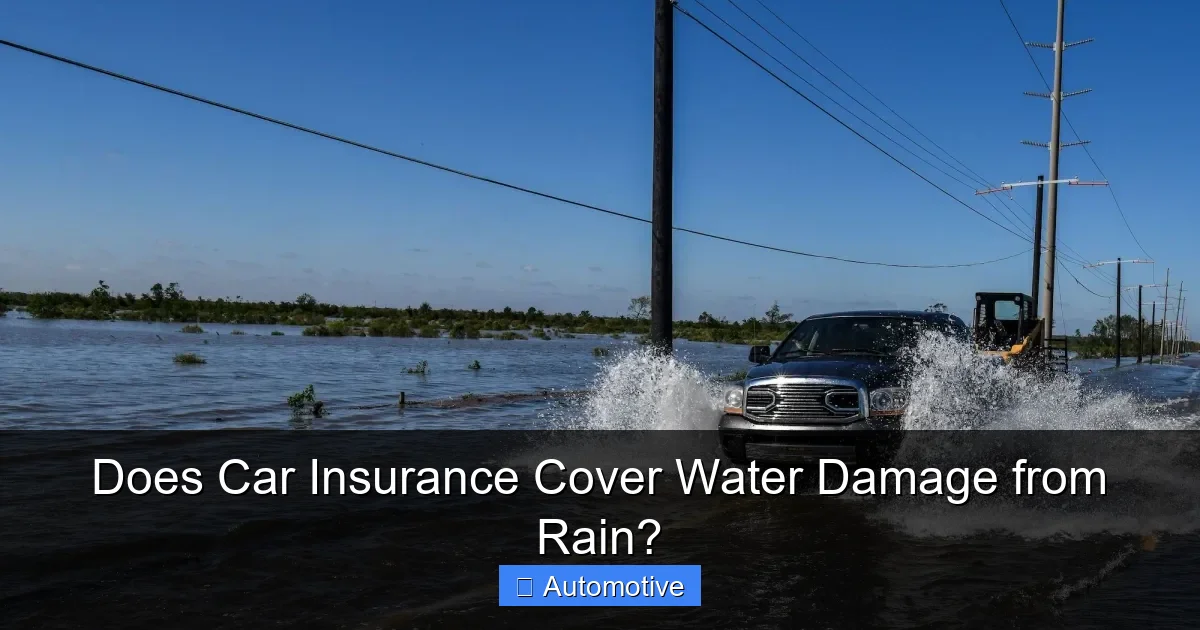
Flooding from Heavy Rain
One of the most common scenarios is flooding after a severe storm. If your car is parked in a low-lying area and gets submerged—even partially—due to rainwater, comprehensive coverage typically applies. This includes:
– Water rising into the cabin
– Engine flooding (if the car wasn’t running)
– Damage to electronics, upholstery, or the audio system
For example, imagine a thunderstorm dumps several inches of rain in just a few hours. Your driveway turns into a river, and your car sits in six inches of water. The next morning, you discover soaked carpets, a malfunctioning infotainment system, and a strange odor. In this case, your comprehensive policy should cover the repairs—provided you file a claim promptly.
Roof or Window Leaks During Storms
Sometimes, rain doesn’t flood your car from the ground up—it sneaks in through weak spots. If a storm causes a tree branch to fall and crack your sunroof, or if high winds blow open a poorly sealed window, water can pour into your vehicle. As long as the damage is sudden and accidental, comprehensive coverage usually applies.
But here’s an important distinction: if your sunroof seal has been cracked for months and you ignored it, the insurer may argue that the damage resulted from lack of maintenance—not the storm itself. That could lead to a denied claim.
Hail and Wind-Driven Rain
Hailstorms often come with heavy rain and strong winds. If hail damages your roof or windows, allowing rain to enter, that’s typically covered. Similarly, if wind forces rain through a door seal or under the hood, comprehensive insurance should respond—again, as long as the entry point was intact before the storm.
What’s Not Covered?
While comprehensive coverage is broad, it’s not unlimited. Insurers will deny claims if they determine the damage resulted from:
– Normal wear and tear (e.g., old weather stripping)
– Poor maintenance (e.g., clogged sunroof drains)
– Intentional neglect (e.g., driving through deep water knowingly)
For instance, if your car’s sunroof drain tubes are clogged with leaves and debris, and rainwater backs up into the cabin during a storm, the insurer may deny your claim. They’ll argue that proper maintenance could have prevented the issue.
How to File a Claim for Rain-Related Water Damage
Visual guide about Does Car Insurance Cover Water Damage from Rain?
Image source: res.cloudinary.com
If your car suffers water damage from rain, acting quickly and correctly can make all the difference in getting your claim approved. Here’s a step-by-step guide to help you through the process.
Step 1: Don’t Start the Engine
If your car has been submerged or flooded, do not attempt to start it. Doing so can cause severe engine damage if water has entered the combustion chambers. This is known as “hydrolocking,” and it can destroy your engine. Even if the car starts, it may stall or suffer internal damage.
Instead, turn off the ignition and leave the car as is. If it’s safe to do so, disconnect the battery to prevent electrical shorts.
Step 2: Document the Damage
Take clear photos and videos of the interior and exterior of your car. Focus on:
– Water level inside the cabin
– Wet carpets, seats, and electronics
– Any visible leaks or entry points
– The surrounding area (to show flooding or storm conditions)
This documentation will support your claim and help the adjuster assess the extent of the damage.
Step 3: Contact Your Insurance Company
Call your insurer as soon as possible. Most companies have 24/7 claims hotlines. Be ready to provide:
– Your policy number
– Date, time, and location of the incident
– A description of what happened
– Photos and any witness information
The insurer will assign a claims adjuster to your case. They may ask you to bring the car to a repair shop or meet them for an inspection.
Step 4: Get a Professional Assessment
A certified mechanic or body shop can evaluate the damage and provide an estimate. They’ll check for:
– Water in the engine oil or transmission fluid
– Mold or mildew growth
– Electrical system damage
– Corrosion in wiring and connectors
Some insurers require an independent inspection before approving repairs.
Step 5: Begin Repairs (After Approval)
Never start repairs before your claim is approved. If you do, the insurer may refuse to reimburse you. Once approved, choose a reputable repair shop—preferably one recommended by your insurer.
Common repairs for water damage include:
– Replacing carpets and upholstery
– Drying and treating mold
– Repairing or replacing electronics
– Flushing and replacing fluids
Keep all receipts and records for your files.
Step 6: Monitor for Long-Term Issues
Even after repairs, water damage can cause hidden problems. Watch for:
– Musty odors (signs of mold)
– Electrical glitches
– Rust or corrosion
– Unusual noises
If issues arise later, contact your insurer—some policies cover follow-up repairs if they’re linked to the original damage.
Preventing Water Damage from Rain
While insurance can help after the fact, prevention is always better than repair. Here are practical steps you can take to protect your car from rain-related water damage.
Park Smart During Storms
Whenever possible, park your car in a garage or under cover during heavy rain. If that’s not an option, choose higher ground. Avoid low-lying areas, ditches, or underpasses where water can accumulate.
If you live in a flood-prone area, consider installing a flood sensor or using a parking app that alerts you to rising water levels.
Maintain Your Vehicle’s Seals and Drains
Regular maintenance can prevent many water intrusion issues. Check and clean:
– Sunroof drain tubes (use compressed air or a thin wire)
– Door and window seals (look for cracks or gaps)
– Windshield and rear window seals
– Trunk and hood gaskets
Replace worn seals promptly. A small crack can let in gallons of water during a storm.
Use Water-Repellent Treatments
Apply water-repellent sprays to windows and seals to help water bead up and roll off. Products like Rain-X can improve visibility and reduce the chance of leaks.
Install a Car Cover
If you don’t have garage access, a high-quality, waterproof car cover can provide an extra layer of protection. Look for covers with breathable fabric to prevent moisture buildup underneath.
Check the Weather Forecast
Stay informed about upcoming storms. If a heavy rain or flood warning is issued, move your car to safer ground if possible. Even a few inches of elevation can make a big difference.
Inspect After Every Major Storm
After a storm, take a few minutes to inspect your car. Look for:
– Water stains on carpets or seats
– Dampness in the trunk or under the hood
– Musty smells
– Debris in sunroof or door drains
Catching small issues early can prevent major damage later.
Real-Life Examples: When Insurance Paid (and When It Didn’t)
Let’s look at a few real-world scenarios to illustrate how insurance handles water damage from rain.
Example 1: Covered – Flash Flood in a Parking Garage
Sarah parked her sedan in an underground garage during a severe thunderstorm. Overnight, heavy rain caused the garage to flood, submerging her car up to the dashboard. She discovered the damage the next morning and immediately called her insurer.
Because she had comprehensive coverage and the damage was due to a sudden flood, her claim was approved. The insurer covered the cost of drying the interior, replacing the carpets, and repairing the electrical system. Total payout: $3,200.
Example 2: Denied – Chronic Sunroof Leak
James noticed a small leak in his sunroof after a rainstorm. He ignored it, thinking it wasn’t serious. Over time, water seeped into the headliner and caused mold growth. When he finally filed a claim, the insurer denied it.
The adjuster determined that the leak was due to a clogged drain tube that hadn’t been cleaned in over a year. Because the damage resulted from lack of maintenance, not a sudden event, the claim was rejected.
Example 3: Partially Covered – Hailstorm with Rain
During a hailstorm, Maria’s car was hit by large hailstones that cracked her windshield and damaged the roof. Rain poured through the cracks, soaking the front seats. She filed a claim under her comprehensive policy.
The insurer covered the windshield replacement and interior drying but denied coverage for the upholstery, citing pre-existing wear. Maria paid $400 out of pocket but saved over $1,500 on major repairs.
These examples show how important it is to maintain your vehicle and act quickly when damage occurs.
Should You File a Claim? Weighing the Pros and Cons
Even if your insurance covers water damage from rain, filing a claim isn’t always the best move. Here’s what to consider before you call your insurer.
Pros of Filing a Claim
– Covers expensive repairs you might not afford out of pocket
– Protects your vehicle’s resale value by addressing damage properly
– May include rental car reimbursement while your car is in the shop
Cons of Filing a Claim
– Could increase your insurance premiums, especially if you have multiple claims
– May affect your no-claims discount or safe driver status
– Small claims (under your deductible) won’t result in a payout
When to File
File a claim if:
– Repair costs exceed your deductible
– The damage affects safety or functionality (e.g., electrical issues)
– You plan to keep the car long-term and want it properly repaired
When to Pay Out of Pocket
Consider paying yourself if:
– The damage is minor (e.g., a damp carpet that dries quickly)
– Repair costs are close to or less than your deductible
– You’re close to renewal and want to avoid a rate hike
Always get a repair estimate before deciding. And remember: even if you don’t file a claim, document the damage in case issues arise later.
Conclusion
So, does car insurance cover water damage from rain? The answer is: yes, but only if you have comprehensive coverage and the damage results from a covered event like flooding, storms, or falling debris. Maintenance-related leaks or gradual wear and tear are typically excluded.
Protecting your car from rain damage starts with the right insurance and smart habits. Park wisely, maintain your seals and drains, and act quickly if damage occurs. And if you do need to file a claim, document everything and follow your insurer’s process carefully.
While no one wants to deal with water damage, being prepared can save you time, money, and stress. With the right coverage and a little prevention, you can keep your car dry—and your mind at ease—no matter how hard it rains.
Frequently Asked Questions
Does liability insurance cover water damage from rain?
No, liability insurance only covers damage you cause to others. It does not protect your own vehicle from any type of damage, including water damage from rain.
Will my insurance cover mold caused by rainwater?
Yes, if the mold results from sudden water damage covered under your comprehensive policy. However, mold due to long-term leaks or poor ventilation may be denied.
Can I drive my car after it’s been flooded?
No. Driving a flooded car can cause severe engine and electrical damage. Have it towed to a repair shop for inspection before attempting to start it.
How much does comprehensive coverage cost?
Costs vary by location, vehicle, and driving history, but comprehensive coverage typically adds $100–$300 per year to your premium. It’s often worth the investment for protection against weather damage.
What if my car is totaled by floodwater?
If repair costs exceed the car’s value, your insurer will declare it a total loss and pay you the actual cash value minus your deductible, based on your comprehensive coverage.
Can I add comprehensive coverage after water damage occurs?
No. Insurance only covers future incidents, not past damage. You must have comprehensive coverage in place before the damage happens to file a claim.