
Does Car Insurance Cover Rodent Damage?

Car insurance may cover rodent damage—but only if you have comprehensive coverage. This type of policy typically pays for repairs when animals like mice, squirrels, or rats chew through wires, upholstery, or hoses. However, liability or collision-only plans won’t help, so understanding your policy is key.
Key Takeaways
- Comprehensive coverage is required: Rodent damage falls under “other-than-collision” incidents, meaning only comprehensive insurance will pay for repairs.
- Liability and collision won’t help: These standard coverage types don’t include animal-related damage, leaving you to foot the bill.
- Claims may affect premiums: Filing a claim for rodent damage could increase your rates, especially if it’s a repeat incident.
- Prevention is cheaper than repair: Simple steps like parking away from brush, using repellents, and inspecting your car regularly can save hundreds in repairs.
- Document everything for claims: Take photos, keep repair receipts, and file a claim quickly to improve your chances of approval.
- Not all insurers treat it the same: Some companies may deny claims if they deem the damage due to negligence, so read your policy carefully.
- DIY fixes aren’t always safe: Chewed wires can cause electrical fires or engine failure—always consult a professional mechanic.
📑 Table of Contents
Does Car Insurance Cover Rodent Damage?
You’ve probably heard the horror stories—someone parks their car for a few days, only to return and find chewed wires, shredded insulation, or even a nest under the hood. Rodents like mice, rats, and squirrels love cozy, warm spaces, and your car’s engine compartment is basically a five-star rodent hotel. But when these tiny intruders turn your vehicle into their personal buffet, who pays for the damage? The answer isn’t always clear, and it largely depends on your car insurance policy.
The good news? In many cases, yes—car insurance can cover rodent damage. But there’s a big catch: you need the right kind of coverage. Most basic policies, like liability or collision, won’t help you here. Instead, you’ll need comprehensive coverage, which is designed to protect your vehicle from non-collision events like theft, vandalism, weather damage—and yes, animal interference. So while your insurer might not send a pest control team, they could foot the bill for repairs if you’re properly covered.
Understanding whether your policy includes this protection starts with knowing what comprehensive coverage actually does. It’s often sold as an add-on to standard auto insurance, and while it’s not mandatory in most states, it’s highly recommended—especially if you live in an area with high rodent activity or park your car outdoors frequently. In this article, we’ll break down exactly how rodent damage is handled by insurers, what you can expect when filing a claim, and how to prevent these unwelcome guests from turning your car into their next home.
What Is Rodent Damage and Why Does It Happen?
Visual guide about Does Car Insurance Cover Rodent Damage?
Image source: trybeem.com
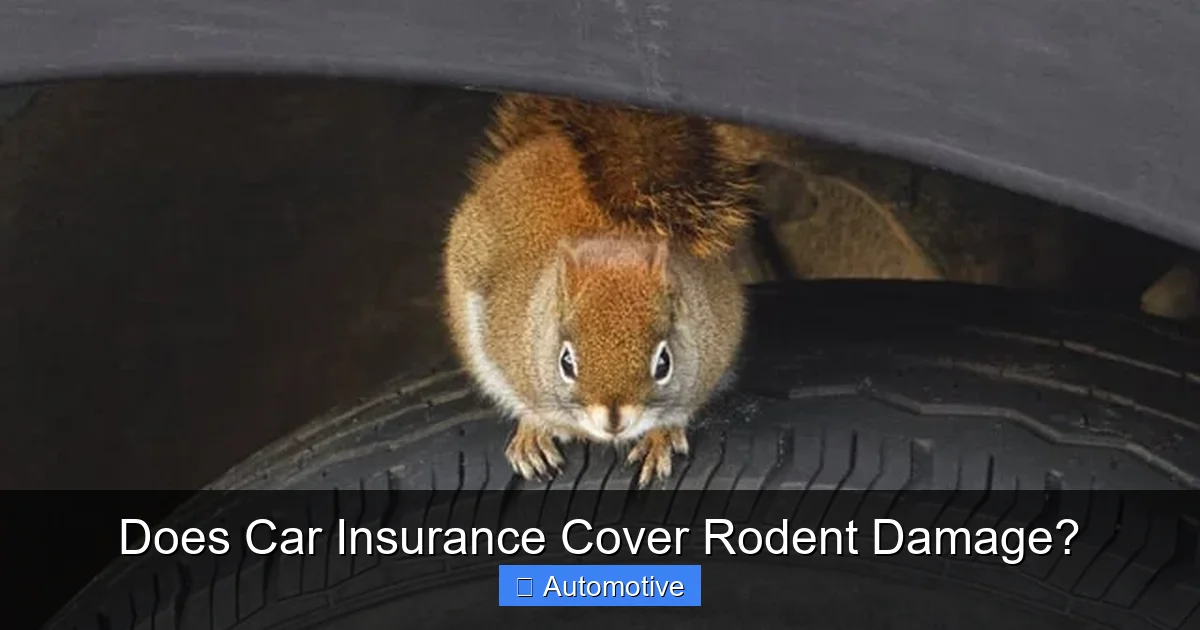
Rodent damage refers to harm caused to a vehicle by animals such as mice, rats, squirrels, or even raccoons. These creatures are naturally drawn to cars for several reasons: warmth, shelter, and food. Your car’s engine bay stays warm after driving, making it an attractive spot for nesting. Plus, crumbs, spilled drinks, or even air fresheners can attract pests looking for a snack.
Once inside, rodents can cause serious problems. They love to chew—it’s how they keep their teeth from growing too long. Unfortunately, your car’s wiring, hoses, belts, and upholstery are prime targets. A single mouse can chew through a dozen wires in one night, leading to electrical failures, engine trouble, or even fire hazards. In extreme cases, nests built in air filters or ventilation systems can restrict airflow and cause overheating.
Common Signs of Rodent Damage
- Chewed or frayed wires under the hood or inside the cabin
- Unusual smells (like urine or nesting materials)
- Scratching or squeaking noises when the car is off
- Nests made of paper, fabric, or insulation in the engine bay
- Damaged upholstery or carpeting inside the vehicle
- Warning lights on the dashboard (due to electrical issues)
One real-life example involves a woman in Ohio who left her car parked in her garage for two weeks while on vacation. When she returned, the check engine light was on, and the car wouldn’t start. A mechanic discovered that mice had chewed through the main wiring harness, causing a complete electrical failure. The repair cost over $1,200—but because she had comprehensive coverage, her insurance covered most of it after her deductible.
Why Rodents Target Cars
Rodents are opportunistic. They don’t plan to ruin your day—they’re just looking for a safe place to live and eat. Cars parked near fields, forests, or overgrown yards are especially vulnerable. Even urban areas aren’t safe; alleys, garages, and parking lots can harbor pests. Additionally, cars that sit unused for long periods (like classic cars or seasonal vehicles) are prime targets because they’re quiet and undisturbed.
Food is another big draw. If you eat in your car regularly, even small crumbs can attract rodents. Air fresheners with sweet scents? Also a lure. And once one rodent finds your car, others may follow, turning a minor issue into a full-blown infestation.
How Car Insurance Handles Rodent Damage
Visual guide about Does Car Insurance Cover Rodent Damage?
Image source: plymouthrock.com
Now for the million-dollar question: will your car insurance pay for rodent damage? The short answer is: it depends on your policy. Most standard auto insurance policies include three main types of coverage: liability, collision, and comprehensive. Only one of these—comprehensive—typically covers rodent damage.
Comprehensive Coverage Explained
Comprehensive coverage is designed to protect your vehicle from “other-than-collision” events. This includes things like:
- Theft
- Vandalism
- Fire
- Falling objects (like tree branches)
- Weather damage (hail, floods)
- Animal collisions (like hitting a deer)
- And yes—rodent damage
Because rodents aren’t colliding with your car but are instead causing damage through chewing or nesting, this falls squarely under comprehensive coverage. If you have this type of policy, you’re likely covered—up to your policy limits and minus your deductible.
For example, if your deductible is $500 and the repair costs $1,800, your insurer would pay $1,300. However, if the damage exceeds your vehicle’s actual cash value, the insurer may declare it a total loss and pay out the car’s value instead.
What If You Don’t Have Comprehensive Coverage?
If your policy only includes liability or collision coverage, you’re out of luck. Liability covers damage you cause to others, while collision covers damage from accidents. Neither includes protection from animal-related wear and tear or infestations. That means you’ll have to pay for repairs out of pocket—which can range from a few hundred to several thousand dollars, depending on the extent of the damage.
This is why many insurance experts recommend adding comprehensive coverage, especially if you live in a rural area, park outdoors, or own an older vehicle. The cost is usually modest—often $100–$200 per year—but it can save you thousands in unexpected repairs.
Filing a Claim for Rodent Damage
If you discover rodent damage, the first step is to contact your insurance company as soon as possible. Most insurers require prompt reporting, and delays could result in a denied claim. Here’s what to do:
- Document the damage: Take clear photos of chewed wires, nests, or damaged parts. Include close-ups and wide shots.
- Get a repair estimate: Visit a trusted mechanic or dealership for a detailed inspection and quote.
- File your claim: Submit photos, the estimate, and any other required info through your insurer’s app, website, or agent.
- Cooperate with the adjuster: An insurance adjuster may inspect the vehicle to verify the cause of damage.
Keep in mind that some insurers may require proof that the damage was sudden and accidental—not due to long-term neglect. For instance, if your car has been sitting unused for months with visible signs of infestation, they might argue you should have taken preventive steps.
Limitations and Exclusions to Be Aware Of
Visual guide about Does Car Insurance Cover Rodent Damage?
Image source: cdn.stratospherewebsites.com
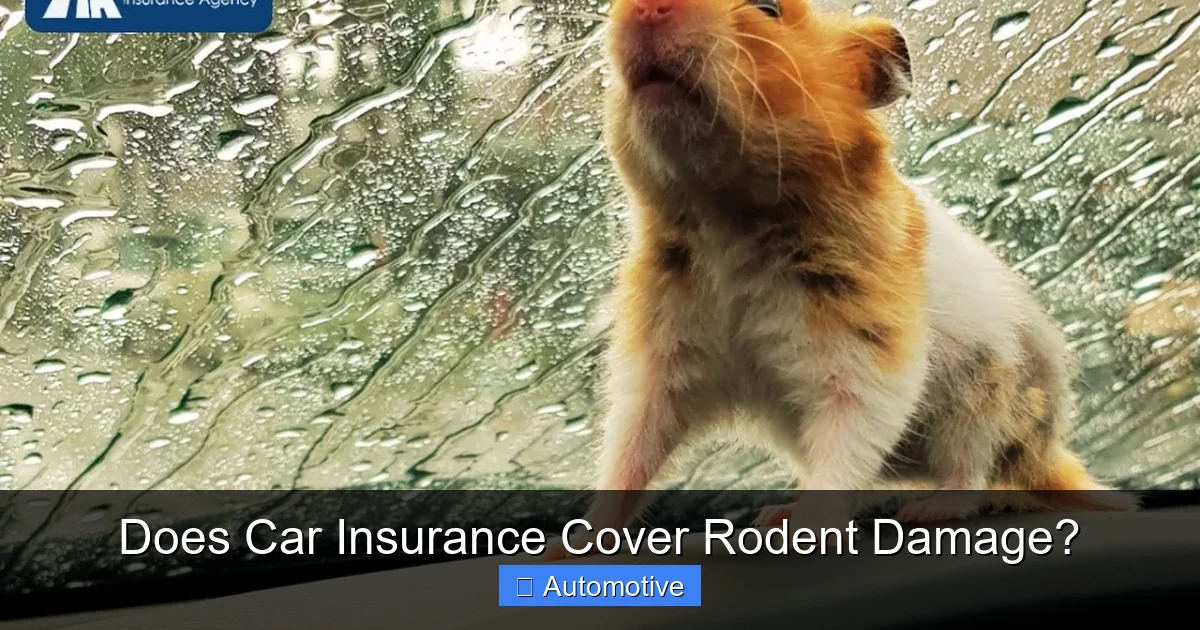
While comprehensive coverage is your best bet for rodent damage, it’s not a free pass. There are limitations and potential pitfalls that could affect your claim.
Negligence and Maintenance Issues
Insurance companies may deny claims if they believe the damage resulted from negligence. For example, if you knew your car had a rodent problem but didn’t take action—like setting traps or sealing entry points—they might argue you failed to maintain the vehicle properly. Similarly, if food wrappers or trash are found inside the car, it could be seen as an invitation to pests.
Repeat Claims and Premium Increases
Filing multiple claims for rodent damage could raise a red flag. Some insurers view frequent animal-related claims as a sign of high risk, which may lead to higher premiums or even non-renewal of your policy. If you live in an area with persistent rodent issues, consider investing in long-term prevention rather than relying solely on insurance.
Policy Exclusions and Fine Print
Always read your policy carefully. Some insurers exclude certain types of animal damage or impose special conditions. For instance, a policy might cover damage from wild animals but not from pests considered “vermin.” Others may require proof that the damage occurred within a specific timeframe (e.g., within 30 days of discovery).
Additionally, if your car is older or has high mileage, the insurer may depreciate the value of repairs or deny coverage altogether if the damage is deemed “wear and tear” rather than a sudden event.
How to Prevent Rodent Damage to Your Car
The best way to deal with rodent damage is to stop it before it starts. Prevention is not only cheaper than repair—it’s also less stressful. Here are practical, effective strategies to keep rodents away from your vehicle.
Park Smart
Where you park matters. Avoid areas with tall grass, brush, or woodpiles, as these are rodent hotspots. If possible, park in a well-lit, enclosed garage. If you don’t have a garage, choose a spot away from fences, trees, or dumpsters.
Keep Your Car Clean
Rodents are attracted to food. Never leave crumbs, wrappers, or drinks in your car. Vacuum regularly and wipe down surfaces. Consider using odor-neutralizing sprays to eliminate lingering food smells.
Use Repellents
Several repellents can deter rodents:
- Ultrasonic devices: These emit high-frequency sounds that pests dislike. Plug them into your car’s 12V outlet.
- Natural repellents: Peppermint oil, mothballs, or ammonia-soaked rags can be placed near the engine bay (use caution—some can damage paint or rubber).
- Commercial deterrents: Products like Rodent Repellent Spray or No Chew Strips are designed specifically for cars.
Seal Entry Points
Inspect your car for gaps where rodents could enter. Common entry points include:
- Air intake vents
- Hood gaps
- Wiring harnesses
- Exhaust pipes
Use steel wool, metal mesh, or silicone sealant to block these openings. Rodents can’t chew through metal, so this is one of the most effective barriers.
Set Traps and Monitor
Place snap traps or live traps near your parking area. Check them regularly. If you catch a rodent, dispose of it safely and reset the trap. You can also use motion-activated cameras to monitor activity.
Drive Your Car Regularly
Rodents prefer quiet, undisturbed spaces. If you drive your car frequently, the noise and vibration will discourage them from nesting. Even short trips a few times a week can make a difference.
Real-Life Examples and Case Studies
Let’s look at a few real-world scenarios to understand how rodent damage plays out with insurance.
Case 1: The Weekend Getaway Gone Wrong
A family in Colorado left their SUV parked in their driveway while they went camping for three days. When they returned, the car wouldn’t start. A mechanic found that mice had chewed through the fuel line and several electrical wires. The repair cost $950. Because the family had comprehensive coverage with a $250 deductible, their insurer paid $700. The claim was approved within a week.
Case 2: The Classic Car Collector
A man in Texas stored his vintage Mustang in a detached garage. After six months of non-use, he discovered a rat’s nest in the air filter and chewed insulation in the trunk. The damage totaled $2,300. His insurer initially denied the claim, arguing that long-term storage without protection constituted negligence. After appealing with photos and a pest control report, the claim was partially approved—covering $1,500 after depreciation.
Case 3: The Urban Apartment Dweller
A city resident parked his sedan on a busy street near a restaurant alley. Overnight, squirrels chewed through the serpentine belt and damaged the alternator. The repair cost $600. His comprehensive policy covered the full amount minus his $100 deductible. No issues were reported during the claim process.
These examples show that outcomes vary based on location, vehicle use, and policy details. But in all cases, having comprehensive coverage made a significant difference.
Should You Add Comprehensive Coverage?
If you’re still on the fence about comprehensive coverage, consider these factors:
- Where you live: Rural, suburban, or wooded areas have higher rodent activity.
- Where you park: Outdoor parking increases risk.
- How often you drive: Infrequent use makes your car a target.
- Your car’s value: Older or low-value cars may not justify the cost.
For most drivers, especially those in high-risk areas, comprehensive coverage is a smart investment. It not only protects against rodent damage but also covers theft, vandalism, and weather-related incidents. Talk to your agent about adding it to your policy—it could save you from a major financial headache down the road.
Conclusion
So, does car insurance cover rodent damage? The answer is a cautious yes—if you have comprehensive coverage. Without it, you’re on your own when mice, rats, or squirrels turn your car into their personal playground. While insurance can help cover the cost of repairs, it’s not a substitute for prevention. Simple habits like keeping your car clean, parking wisely, and using repellents can go a long way in avoiding damage altogether.
Remember, every policy is different. Read the fine print, understand your deductible, and don’t hesitate to ask your insurer about coverage for animal-related damage. And if you do find chewed wires or a nest under the hood, act fast—document everything, get a repair estimate, and file your claim promptly.
At the end of the day, a little knowledge and preparation can save you hundreds—or even thousands—of dollars. Don’t let a tiny rodent turn into a big problem. Protect your car, protect your wallet, and drive with peace of mind.
Frequently Asked Questions
Does liability insurance cover rodent damage?
No, liability insurance only covers damage you cause to other people’s property or vehicles. It does not cover damage to your own car, including rodent-related repairs.
Will my premium increase if I file a claim for rodent damage?
It’s possible. While not all insurers raise rates for comprehensive claims, some may view frequent animal-related claims as a risk factor. Check with your provider to understand their policy.
Can I prevent rodent damage without using chemicals?
Yes. Natural methods like peppermint oil, ultrasonic devices, and keeping your car clean are effective and chemical-free ways to deter rodents.
What if my car is declared a total loss due to rodent damage?
If repair costs exceed your car’s actual cash value, the insurer may declare it a total loss and pay you the vehicle’s market value instead of covering repairs.
Do all insurance companies cover rodent damage under comprehensive?
Most do, but policies vary. Some may exclude certain animals or require proof of sudden damage. Always review your policy or ask your agent.
How long do I have to file a claim after discovering rodent damage?
Most insurers require prompt reporting—usually within 30 days. Delaying could result in a denied claim, so act quickly once damage is found.