
Does Car Insurance Cover Paint Damage?

Car insurance may cover paint damage depending on your policy type and the cause of the damage. Comprehensive and collision coverage often include paint repairs from accidents, vandalism, or weather, but normal wear and tear usually isn’t covered.
Key Takeaways
- Comprehensive coverage typically covers paint damage from non-collision events like hail, falling objects, vandalism, or animal collisions.
- Collision coverage may pay for paint damage after an accident, regardless of who is at fault, including single-vehicle incidents.
- Liability-only policies do not cover paint damage to your own vehicle—only damage you cause to others.
- Normal wear and tear, fading, or oxidation are generally excluded from standard auto insurance policies.
- Deductibles apply to paint damage claims, so weigh repair costs against your out-of-pocket expense before filing.
- Document damage with photos and reports to support your claim, especially for vandalism or hit-and-run incidents.
- Consider paint protection add-ons or endorsements if you live in areas prone to environmental damage or frequent vandalism.
📑 Table of Contents
- Does Car Insurance Cover Paint Damage?
- Types of Car Insurance Coverage and Paint Damage
- Common Causes of Paint Damage and Insurance Eligibility
- What’s NOT Covered: Exclusions and Limitations
- How to File a Claim for Paint Damage
- Tips to Protect Your Car’s Paint and Reduce Insurance Claims
- When to Consider Additional Coverage or Endorsements
- Conclusion
Does Car Insurance Cover Paint Damage?
So, you’ve noticed a scratch, a chip, or maybe even a large area of peeling paint on your car. Your first thought? “Will my car insurance cover this?” It’s a fair question—after all, paint damage can be both unsightly and costly to fix. But the answer isn’t always straightforward. Whether or not your car insurance covers paint damage depends on several factors: the type of coverage you have, how the damage occurred, and your insurance provider’s specific policy terms.
Many drivers assume that any damage to their vehicle is automatically covered, but that’s not the case. Auto insurance is designed to protect you financially in specific situations—primarily accidents, theft, and certain types of environmental damage. Paint damage caused by everyday use, aging, or poor maintenance usually falls outside those protections. However, if the damage results from a covered event—like a hailstorm, a collision, or vandalism—your policy may very well step in to help cover the repair costs.
Understanding the nuances of your coverage can save you time, money, and frustration. In this guide, we’ll walk you through everything you need to know about car insurance and paint damage. From the types of policies that offer protection to real-life examples and tips for filing a claim, we’ve got you covered. Whether you’re dealing with a minor scratch or a full repaint, knowing your options empowers you to make smart decisions about your vehicle’s care.
Types of Car Insurance Coverage and Paint Damage
Visual guide about Does Car Insurance Cover Paint Damage?
Image source: trybeem.com
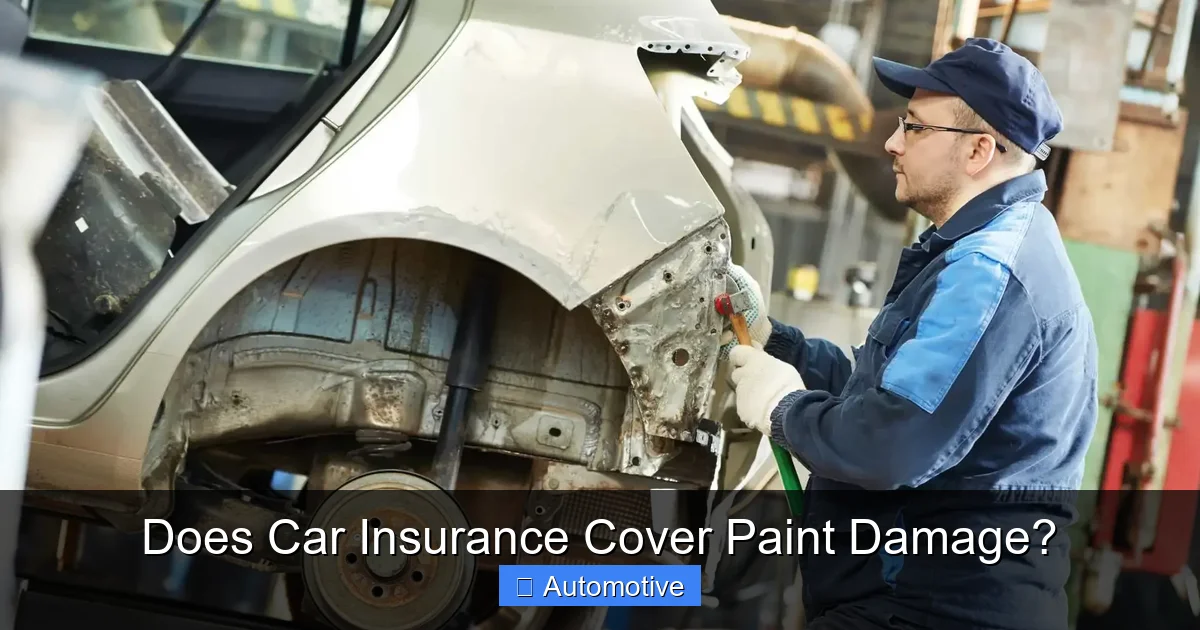
Not all car insurance policies are created equal—and that’s especially true when it comes to paint damage. The level of protection you have depends largely on the types of coverage included in your policy. Let’s break down the main coverage types and how they relate to paint damage.
Liability Coverage: What It Covers (and What It Doesn’t)
Liability insurance is the most basic form of car insurance and is required in nearly every state. It covers damage you cause to other people’s property and any medical expenses if you’re at fault in an accident. However, it does **not** cover damage to your own vehicle—including paint damage.
For example, if you rear-end another car and your bumper gets scratched in the process, liability insurance will pay for the other driver’s repairs, but you’ll be on the hook for fixing your own car. This means that if your paint damage is due to an accident you caused, and you only have liability coverage, you won’t be reimbursed for repairs.
Collision Coverage: Accidents and Single-Vehicle Incidents
Collision coverage is designed to pay for damage to your vehicle after a collision with another car or object—even if you’re at fault. This includes accidents like hitting a guardrail, sliding into a pole, or colliding with another vehicle. Importantly, collision coverage can also apply to paint damage resulting from these events.
Say you accidentally scrape your car against a concrete pillar in a parking garage. The resulting scratch or paint chip could be covered under collision insurance, minus your deductible. Similarly, if you’re involved in a fender bender and the impact damages your paint, collision coverage may help pay for touch-ups or a full panel repaint.
Keep in mind that collision coverage only applies to sudden, unexpected events. It won’t cover gradual damage or deterioration over time.
Comprehensive Coverage: Non-Collision Events That Affect Paint
Comprehensive coverage is where paint damage gets the most attention. This type of insurance protects your vehicle from a wide range of non-collision events, many of which can directly impact your car’s paint job. These include:
– Hailstorms
– Falling trees or branches
– Vandalism (keying, graffiti)
– Animal collisions (like hitting a deer)
– Fire or explosion
– Theft of parts (including paint damage during break-ins)
For instance, if a severe hailstorm dents and chips the paint on your hood and roof, comprehensive coverage would typically pay for repairs after you meet your deductible. Similarly, if someone keys your car or spray-paints graffiti on the side, comprehensive insurance may cover the cost of repainting the affected panels.
One key advantage of comprehensive coverage is that it often includes “act of God” events—natural disasters that are out of your control. This makes it especially valuable for drivers in areas prone to extreme weather.
Other Coverage Options: Gap, Rental Reimbursement, and More
While not directly related to paint damage, other coverage types can play a supporting role in the repair process. For example, rental reimbursement coverage may pay for a rental car while your vehicle is in the shop for paint repairs—especially if the damage is extensive and requires multiple days to fix.
Gap insurance, on the other hand, is more relevant if your car is totaled due to an event that also damaged the paint (like a flood or fire). It covers the difference between what you owe on your loan and the car’s actual cash value, which can be helpful if depreciation has outpaced your payments.
Common Causes of Paint Damage and Insurance Eligibility
Visual guide about Does Car Insurance Cover Paint Damage?
Image source: plymouthrock.com
Now that we’ve covered the types of insurance, let’s look at the most common causes of paint damage and whether they’re likely to be covered.
Accidents and Collisions
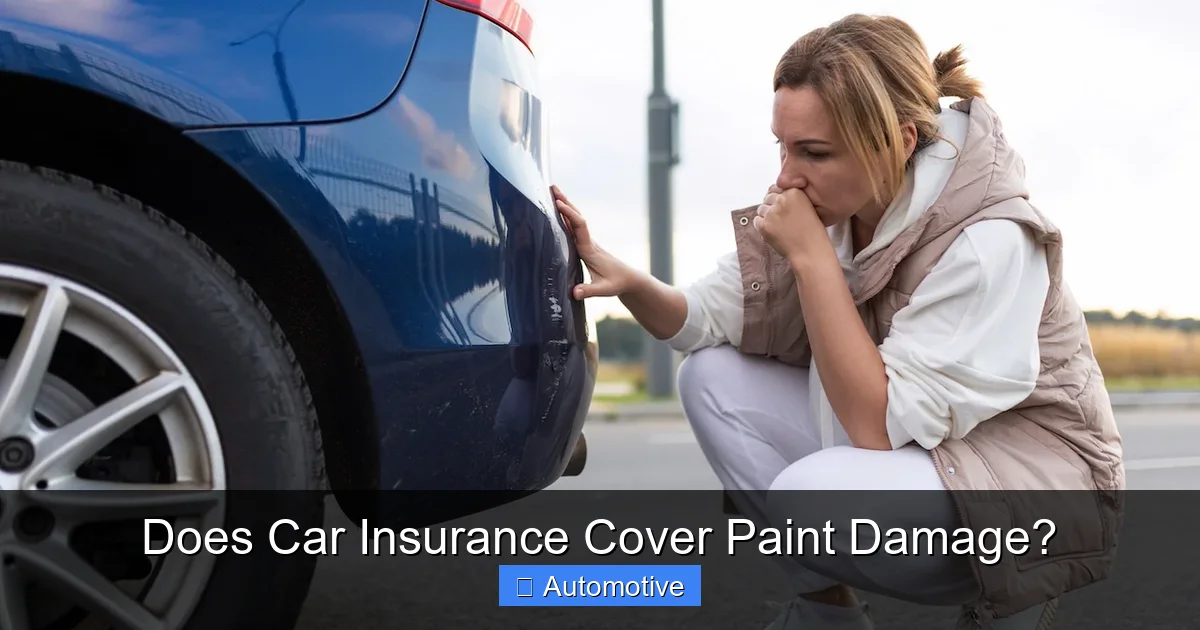
Paint damage from accidents—whether you hit another car, a mailbox, or a curb—is typically covered under collision insurance. Even if you’re at fault, your policy should help pay for repairs, including repainting scratched or dented panels.
For example, imagine you’re backing out of a tight parking spot and accidentally scrape the side of your car against a concrete wall. The resulting paint scratch and minor dent could be repaired under collision coverage, assuming you have it and the repair cost exceeds your deductible.
Weather-Related Damage
Severe weather is one of the leading causes of paint damage, and it’s often covered under comprehensive insurance. Hailstorms, in particular, can leave dozens of dents and paint chips across your vehicle’s surface. If you live in a region with frequent hail—like Colorado, Texas, or Kansas—comprehensive coverage is almost essential.
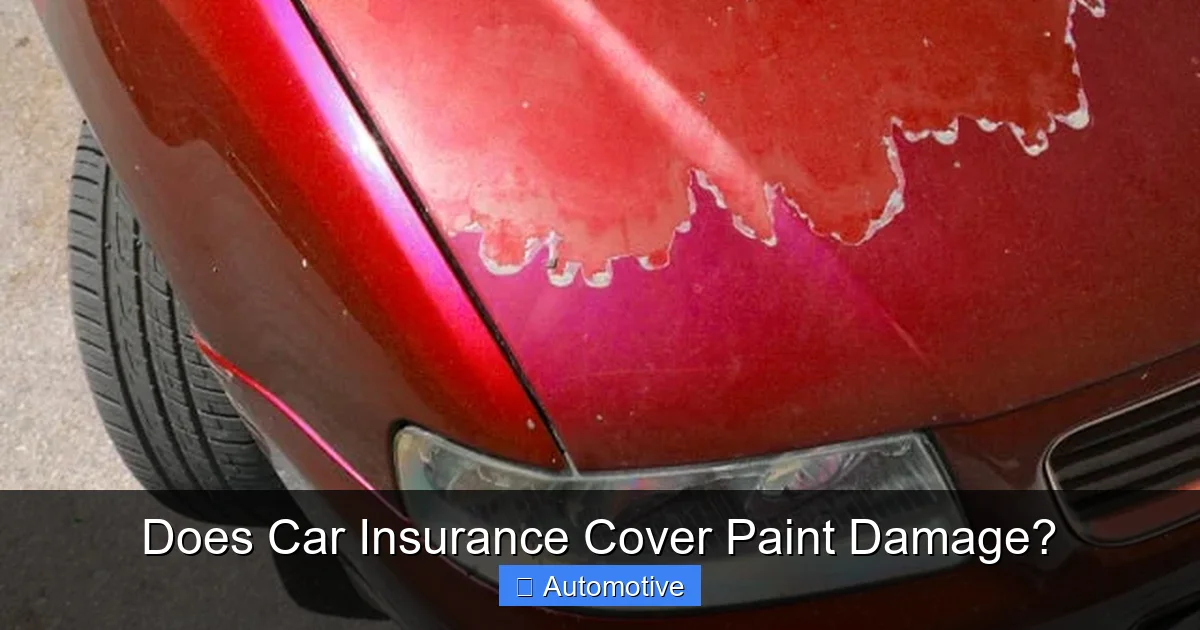
Other weather events, such as heavy rain carrying debris, strong winds blowing tree branches, or flooding that causes corrosion, may also qualify. However, gradual damage from sun exposure (like fading or oxidation) is usually not covered, as it’s considered normal wear and tear.
Vandalism and Theft-Related Damage
Vandalism is a broad category that includes keying, graffiti, broken windows, and even intentional paint damage. If someone deliberately damages your car’s paint, comprehensive coverage typically steps in to cover the cost of repairs.
For instance, if you wake up to find your car covered in spray paint or deep scratches from a key, you can file a claim under comprehensive insurance. In many cases, you’ll need to file a police report to support your claim, especially if the vandalism is part of a larger crime.
Theft-related paint damage can also be covered. If a thief breaks into your car and damages the paint in the process—say, by prying open a door—comprehensive insurance may pay for both the theft losses and the cosmetic repairs.
Animal Collisions
Hitting an animal, especially a large one like a deer, can cause significant damage to your vehicle—including paint. The impact can scratch, chip, or even strip paint from your bumper, hood, or fenders. Fortunately, animal collisions are generally covered under comprehensive insurance.
Even smaller animals, like birds or squirrels, can cause paint damage over time. Bird droppings, for example, are highly acidic and can etch into clear coat and paint if left untreated. While a single dropping might not warrant a claim, repeated exposure leading to noticeable damage could be considered under certain policies—especially if it’s part of a larger environmental claim.
Falling Objects and Debris
Trees, construction materials, and even airplane parts have been known to fall onto cars and cause paint damage. If a tree branch crashes onto your parked car during a storm, comprehensive coverage should cover the cost of repairs, including repainting any scratched or dented areas.
Similarly, if you’re driving and a piece of debris from a truck ahead of you hits your windshield or hood, comprehensive insurance may apply—especially if the object wasn’t part of a collision with another vehicle.
What’s NOT Covered: Exclusions and Limitations
Visual guide about Does Car Insurance Cover Paint Damage?
Image source: 52.26.201.226
While insurance can be a lifesaver for paint damage, it’s important to know what’s *not* covered. Understanding these exclusions can help you avoid unpleasant surprises when filing a claim.
Normal Wear and Tear
Insurance is designed for sudden, unexpected events—not the gradual deterioration that comes with age and use. Fading, oxidation, peeling clear coat, and minor scratches from daily driving are typically considered normal wear and tear and are not covered.
For example, if your car’s paint has started to dull after 10 years of sun exposure, your insurer won’t pay for a repaint. Similarly, small chips from highway driving (often called “rock chips”) are usually seen as part of normal vehicle use and aren’t eligible for coverage unless they result from a specific, covered event.
Manufacturing Defects and Recalls
If your car’s paint is peeling due to a factory defect—like poor adhesion or faulty clear coat—this is generally the manufacturer’s responsibility, not your insurer’s. In such cases, you should contact the dealership or manufacturer directly. Some automakers offer extended warranties or recall programs for paint issues, especially on newer models.
Improper Maintenance or Neglect
Failing to maintain your vehicle can void coverage for certain types of damage. For instance, if you ignore a small scratch that eventually leads to rust and paint failure, your insurer may deny the claim, arguing that the damage resulted from neglect.
Similarly, if you use harsh chemicals or abrasive tools to clean your car and damage the paint in the process, that’s considered user error and won’t be covered.
Cosmetic Upgrades and Custom Paint Jobs
Standard insurance policies cover repairs to restore your car to its original condition—not to upgrade it. If you’ve added a custom paint job, vinyl wrap, or specialty finish, you may need additional coverage (like a scheduled personal property endorsement) to protect those modifications.
Without such coverage, your insurer will only pay to repaint the car in its factory color and finish, not the custom design you’ve invested in.
How to File a Claim for Paint Damage
If you believe your paint damage is covered, here’s how to file a claim the right way.
Step 1: Document the Damage
As soon as you notice the damage, take clear photos from multiple angles. Include close-ups of the affected area and wider shots that show the context (like where the car was parked or what caused the damage). If the damage is due to vandalism or a hit-and-run, note the time, location, and any witnesses.
Step 2: File a Police Report (If Applicable)
For vandalism, theft, or hit-and-run incidents, filing a police report is often required. This creates an official record that supports your insurance claim. Even if the perpetrator isn’t found, the report strengthens your case.
Step 3: Contact Your Insurance Company
Call your insurer as soon as possible to report the damage. Provide all relevant details, including photos, the police report (if applicable), and a description of how the damage occurred. Your insurer will guide you through the next steps, which may include getting an estimate from a repair shop.
Step 4: Get Repair Estimates
Most insurers will ask you to get one or more repair estimates from approved or licensed body shops. These estimates help determine the cost of repairs and whether the damage meets your deductible. If the repair cost is less than your deductible, it may not make financial sense to file a claim.
Step 5: Approve Repairs and Pay Your Deductible
Once your claim is approved, you can proceed with repairs. You’ll typically need to pay your deductible upfront, and the insurance company will cover the rest. Some insurers offer direct payment to the repair shop, so you don’t have to front the full cost.
Step 6: Follow Up and Inspect the Work
After repairs are complete, inspect the work to ensure it meets your expectations. If you’re not satisfied, contact the repair shop and your insurer to resolve any issues.
Tips to Protect Your Car’s Paint and Reduce Insurance Claims
While insurance can help, prevention is always better than repair. Here are some practical tips to keep your car’s paint in top condition and minimize the need for claims.
Use a Car Cover or Garage
Parking your car in a garage or using a high-quality car cover protects it from sun, rain, hail, and falling debris. This is especially important if you live in an area with extreme weather or frequent storms.
Wash and Wax Regularly
Regular washing removes dirt, salt, and contaminants that can damage paint over time. Waxing adds a protective layer that helps repel water, UV rays, and minor scratches. Aim to wax your car every three to six months.
Address Scratches and Chips Promptly
Small scratches and chips can quickly lead to rust and larger paint failures if left untreated. Use touch-up paint or visit a detailer to fix minor damage before it worsens.
Install Paint Protection Film or Ceramic Coating
Paint protection film (PPF) is a clear, durable layer applied to high-impact areas like the hood, fenders, and mirrors. It absorbs scratches and chips, preserving the original paint. Ceramic coatings offer similar protection with added shine and water resistance.
While these options aren’t covered by standard insurance, they can save you money in the long run by reducing the need for repaints and claims.
Be Mindful of Where You Park
Avoid parking under trees (especially during storms), near construction sites, or in high-crime areas. These locations increase the risk of falling branches, debris, or vandalism.
When to Consider Additional Coverage or Endorsements
If you live in an area prone to hail, vandalism, or extreme weather, you might want to explore additional coverage options.
Some insurers offer endorsements like “paint protection coverage” or “cosmetic damage coverage” that go beyond standard policies. These can cover minor scratches, rock chips, or fading that wouldn’t normally qualify under comprehensive or collision.
While these add-ons come at an extra cost, they may be worth it if you drive a luxury vehicle, lease your car, or simply want peace of mind.
Conclusion
So, does car insurance cover paint damage? The short answer is: it depends. If the damage results from a covered event—like an accident, hailstorm, or vandalism—your comprehensive or collision coverage will likely help pay for repairs. But if the damage is due to normal wear and tear, neglect, or manufacturing issues, you’re probably on your own.
The key is understanding your policy and knowing what’s included. Review your coverage regularly, especially if you live in a high-risk area or drive a vehicle with expensive paint or custom finishes. And remember: prevention is always better than repair. Simple habits like regular washing, waxing, and protective parking can go a long way in preserving your car’s appearance and value.
When in doubt, talk to your insurance agent. They can help clarify your coverage, explain deductibles, and recommend add-ons that fit your needs. With the right knowledge and protection, you can keep your car looking great—and avoid unnecessary out-of-pocket expenses.
Frequently Asked Questions
Does car insurance cover paint damage from hail?
Yes, paint damage from hail is typically covered under comprehensive insurance. This includes dents, chips, and scratches caused by hailstorms, as long as you have comprehensive coverage and pay your deductible.
Will my insurance pay for a full repaint?
Insurance usually only covers repainting if the damage is extensive and part of a covered claim. Minor touch-ups or cosmetic improvements are generally not included unless specified in an endorsement.
Can I claim paint damage from a hit-and-run?
Yes, if you have comprehensive or collision coverage, you can file a claim for paint damage from a hit-and-run. You’ll need to report the incident to the police and provide documentation to support your claim.
Does liability insurance cover my car’s paint damage?
No, liability insurance only covers damage you cause to other people’s property. It does not cover any damage to your own vehicle, including paint.
What if my paint is peeling due to age?
Paint peeling from age, sun exposure, or oxidation is considered normal wear and tear and is not covered by standard auto insurance policies.
Should I file a claim for minor paint scratches?
It depends on the cost of repair versus your deductible. If the repair cost is close to or less than your deductible, it may not be worth filing a claim, as it could increase your premiums.
