
Does Car Insurance Cover Golf Cart Accidents?

Car insurance may cover golf cart accidents—but only under specific conditions. Coverage depends on your policy type, where the accident occurs, and whether the golf cart is street-legal. Understanding your options helps avoid costly surprises.
Key Takeaways
- Standard auto policies may extend to golf carts: If your golf cart is street-legal and registered, your car insurance might cover liability and collision damage.
- Location matters: Accidents on private property (like a golf course) are less likely to be covered than those on public roads.
- Liability coverage is key: If you injure someone or damage property while driving a golf cart, liability protection can help pay for medical bills or repairs.
- Comprehensive and collision vary: These coverages may apply if your golf cart is damaged in a crash, theft, or weather event—but only if added to your policy.
- Off-road use often excluded: Most standard policies won’t cover accidents that happen off public roads unless the vehicle is specifically endorsed.
- Specialized golf cart insurance exists: For frequent users, standalone policies offer broader protection tailored to low-speed vehicles.
- Check your policy details: Always review your declarations page or call your insurer to confirm coverage before relying on it.
📑 Table of Contents
- Does Car Insurance Cover Golf Cart Accidents?
- Understanding How Golf Carts Are Classified
- When Does Car Insurance Cover Golf Cart Accidents?
- When Car Insurance Won’t Cover Golf Cart Accidents
- Alternative Insurance Options for Golf Cart Owners
- Tips to Ensure You’re Properly Covered
- Real-Life Scenarios: What Could Happen?
- Final Thoughts: Stay Protected on and Off the Course
Does Car Insurance Cover Golf Cart Accidents?
You’re cruising down the fairway in your golf cart, enjoying a sunny afternoon on the course. Suddenly—bam!—you back into a golf bag, or worse, collide with another cart. Your first thought? “Will my car insurance cover this?”
It’s a smart question—and one many golfers and homeowners in golf communities ask. Golf carts are no longer just for 18 holes. They’re used for neighborhood errands, beach trips, campus commuting, and even short commutes in retirement communities. But because they’re not traditional automobiles, their insurance status can be confusing.
The short answer? Maybe. Whether your car insurance covers a golf cart accident depends on several factors: the type of policy you have, where the accident happened, whether the cart is street-legal, and how your insurer defines a “vehicle.” In this guide, we’ll break down everything you need to know so you’re not left footing the bill after a fender bender—or worse.
Understanding How Golf Carts Are Classified
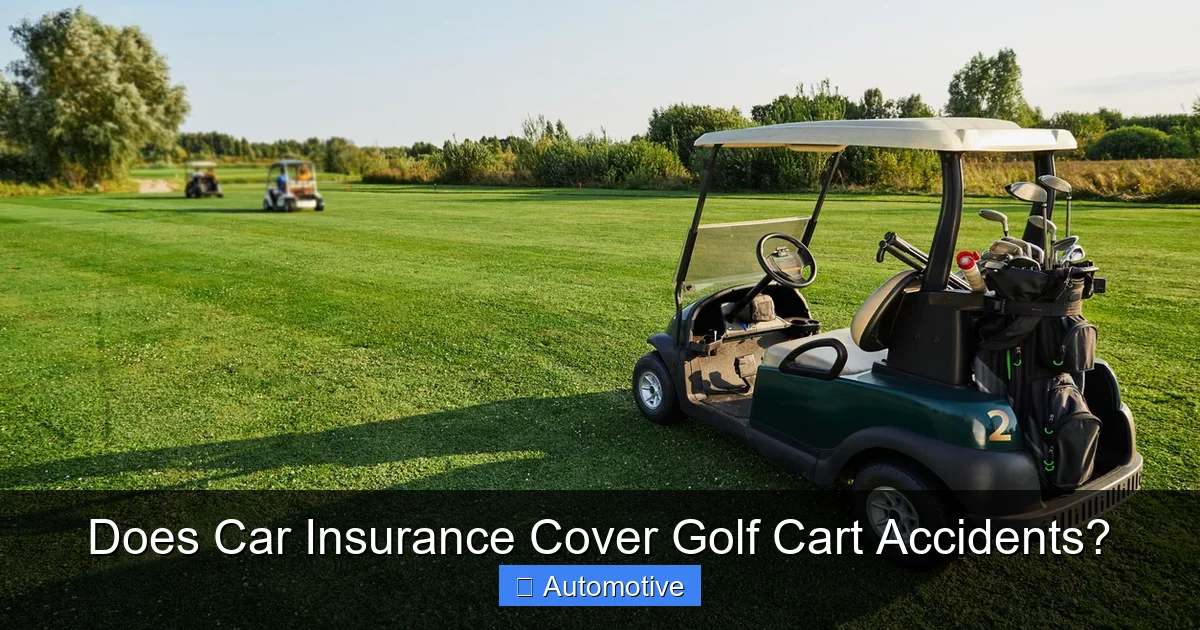
Visual guide about Does Car Insurance Cover Golf Cart Accidents?
Image source: baggettlaw.com
Before diving into insurance details, it’s important to understand how golf carts are legally and functionally classified. This classification directly impacts whether your auto policy will step in after an accident.
Street-Legal vs. Non-Street-Legal Golf Carts
Golf carts fall into two main categories: street-legal and non-street-legal.
Street-legal golf carts—also known as Low-Speed Vehicles (LSVs)—are modified to meet federal and state safety standards. These typically include headlights, brake lights, turn signals, seat belts, mirrors, and a Vehicle Identification Number (VIN). They must also be registered and insured like a regular car in many states.
Non-street-legal carts, on the other hand, are designed solely for use on private property like golf courses, resorts, or gated communities. They lack the necessary safety equipment and cannot legally operate on public roads.
Why does this matter? Insurance companies treat these two types very differently. If your golf cart is street-legal and registered, your auto insurer is more likely to extend coverage under your existing policy. But if it’s only meant for private use, you’ll likely need a separate policy or endorsement.
State Laws Vary Widely
Each state has its own rules about golf cart operation. For example:
– In Florida, golf carts can legally drive on roads with speed limits of 35 mph or less, provided they’re registered and insured.
– In California, LSVs must be registered with the DMV and carry liability insurance.
– In Texas, some cities allow golf carts on public streets within certain zones, but insurance requirements vary by municipality.
Because of this patchwork of regulations, it’s crucial to check your local laws. Even if your car insurance company is based in one state, your coverage may not apply if you’re driving in another state with different rules.
When Does Car Insurance Cover Golf Cart Accidents?
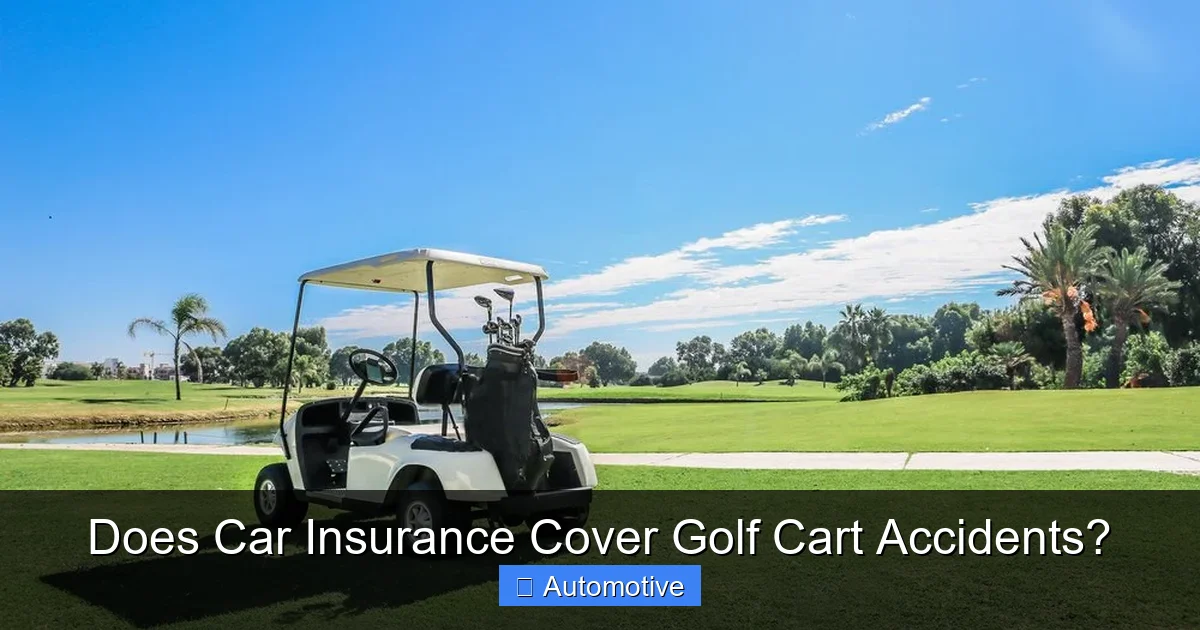
Visual guide about Does Car Insurance Cover Golf Cart Accidents?
Image source: boginmunns.com
Now for the million-dollar question: when will your car insurance actually pay up after a golf cart mishap?
The answer hinges on your policy type and the circumstances of the accident.
Liability Coverage: The Most Likely to Apply
Liability coverage is the part of your auto insurance that pays for injuries or property damage you cause to others. This is the most common form of coverage that may extend to golf cart accidents—especially if the cart is street-legal.
For example, imagine you’re driving your registered LSV through a residential neighborhood and accidentally run into a mailbox. If you have liability coverage on your auto policy, it may cover the cost of repairing the mailbox and any related claims.
However, there’s a catch: most standard policies only cover liability when the vehicle is being used “in the same manner as a private passenger automobile.” If you’re using the golf cart strictly for recreation on a golf course, your insurer might argue it’s not covered.
Collision and Comprehensive Coverage: Limited but Possible
Collision coverage pays for damage to your own vehicle after a crash, while comprehensive covers non-collision events like theft, vandalism, or weather damage.
These coverages are less likely to apply to golf carts—unless your policy specifically includes them or the cart is listed as a covered vehicle.
Some insurers will allow you to add a golf cart to your existing policy as an “additional vehicle,” especially if it’s street-legal. In that case, collision and comprehensive may kick in if your cart is damaged in an accident or stolen.
But here’s a real-world example: Sarah lives in a golf community in Arizona. She uses her electric golf cart daily to visit neighbors and run errands. Her cart is registered and insured under her auto policy. One day, a hailstorm damages the roof and windshield. Because she has comprehensive coverage and the cart is listed on her policy, her insurer covers the repairs.
Without that endorsement? She’d be paying out of pocket.
Uninsured/Underinsured Motorist Coverage
If someone else hits your golf cart and they don’t have insurance—or not enough—your uninsured/underinsured motorist (UM/UIM) coverage might help. This is especially relevant in areas where golf carts share roads with cars.
For instance, if a distracted driver rear-ends your LSV at a stop sign and flees the scene, your UM coverage could pay for your medical bills and cart repairs—assuming your policy extends to golf carts.
But again, this depends on how your insurer defines the vehicle and where the accident occurred.
When Car Insurance Won’t Cover Golf Cart Accidents
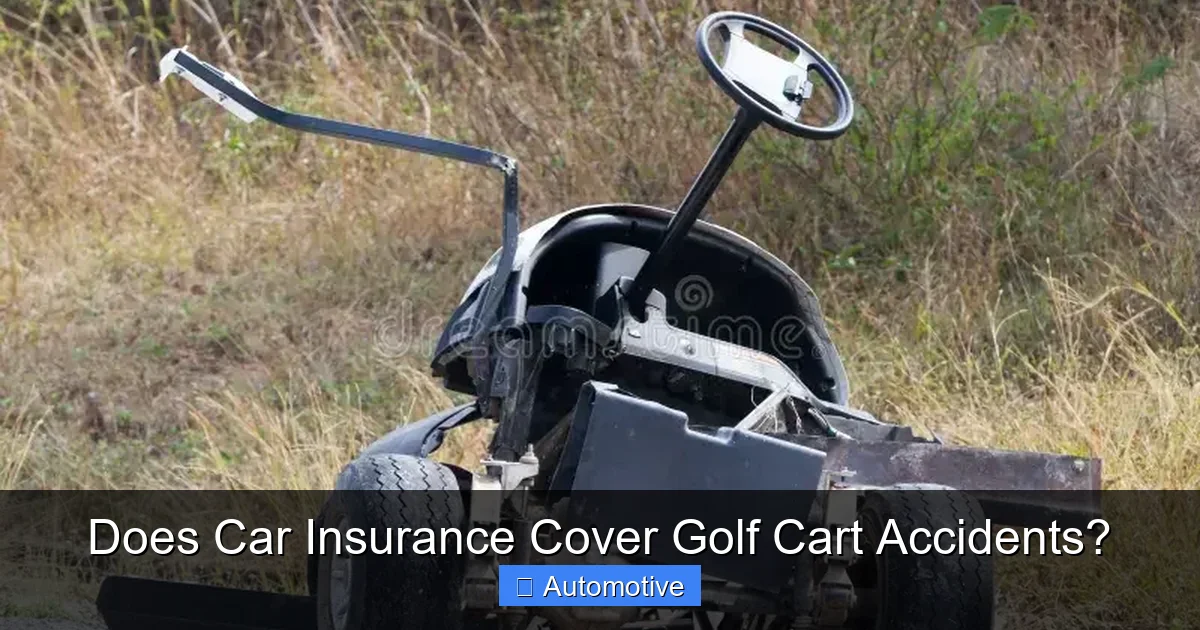
Visual guide about Does Car Insurance Cover Golf Cart Accidents?
Image source: robbinsig.com
Just as important as knowing when coverage applies is understanding when it doesn’t. Assuming your car insurance will protect you in every scenario can lead to financial headaches.
Accidents on Private Property
Most standard auto policies exclude coverage for accidents that occur off public roads—especially on private property like golf courses, resorts, or private driveways.
If you’re driving your golf cart on the 9th hole and accidentally run over a sprinkler head or collide with another player’s cart, your car insurance likely won’t respond. Why? Because the vehicle isn’t being used in a way that aligns with typical automobile use.
In these cases, the golf course’s liability insurance might cover damage to their property, but your personal injuries or cart damage would fall on you—unless you have a separate golf cart policy.
Recreational or Off-Road Use
Even if your golf cart is street-legal, using it strictly for recreation can void coverage. Insurers often distinguish between “transportation use” and “recreational use.”
For example, driving your cart to the grocery store? Likely covered. Racing it down a dirt trail for fun? Almost certainly not.
This distinction is critical. Many policies include language like “coverage applies only when the vehicle is used for personal, family, or household purposes”—and recreational joyriding may not qualify.
Unregistered or Unmodified Carts
If your golf cart isn’t registered with the DMV or lacks required safety features, your auto insurer will likely deny any claims. They view unregistered vehicles as higher risk and outside the scope of standard coverage.
This is especially true in states where registration is mandatory for road use. Driving an unregistered cart on public streets not only risks a ticket—it could leave you uninsured in an accident.
Lack of Proper Endorsement
Even if your cart is street-legal, it must be explicitly listed or endorsed on your auto policy to be covered. Simply owning a registered LSV doesn’t automatically extend your car insurance.
Think of it like adding a teen driver to your policy. You can’t just assume they’re covered—you have to notify your insurer and update your coverage.
If you don’t, and an accident occurs, your claim could be denied for “failure to disclose a covered vehicle.”
Alternative Insurance Options for Golf Cart Owners
If your car insurance doesn’t fully cover your golf cart—or you want more comprehensive protection—there are other options.
Standalone Golf Cart Insurance
Many insurers now offer specialized policies designed specifically for golf carts and LSVs. These policies often include:
– Liability coverage (bodily injury and property damage)
– Collision and comprehensive coverage
– Medical payments coverage
– Theft and vandalism protection
– Coverage for accessories (like coolers, stereos, or custom seats)
These policies are typically affordable, ranging from $150 to $400 per year, depending on coverage limits and usage.
For example, John lives in a large retirement community in Florida where golf carts are the primary mode of transportation. He uses his cart daily to visit friends, go to the clubhouse, and run errands. He purchased a standalone golf cart policy that covers him anywhere in the community—even on private roads. When he accidentally backed into a fence, his policy covered the $1,200 repair bill.
Homeowners or Renters Insurance Add-Ons
Some homeowners or renters insurance policies allow you to add golf cart coverage as an endorsement. This is especially useful if you primarily use your cart on private property.
These add-ons often cover physical damage to the cart and liability for injuries or property damage you cause—but only within the boundaries of your property or community.
However, coverage limits are usually lower than auto or standalone policies, and they may not include collision protection.
Golf Course or Community Insurance
If you’re involved in an accident on a golf course or within a private community, the facility’s insurance might cover certain damages—particularly if negligence was involved (like a poorly marked hazard or broken cart).
But this won’t help with your personal injuries or cart repairs. Always check the terms of any community agreement or membership contract to understand what’s covered.
Tips to Ensure You’re Properly Covered
Don’t wait until after an accident to find out you’re underinsured. Use these practical tips to protect yourself and your golf cart.
Review Your Auto Policy Annually
Insurance needs change. If you’ve recently modified your golf cart, started using it on public roads, or moved to a new state, your coverage may no longer be adequate.
Schedule an annual review with your agent to discuss any changes in usage or vehicle status.
Ask Specific Questions
When talking to your insurer, be direct. Ask:
– “Does my current policy cover my golf cart if it’s street-legal and registered?”
– “Will liability coverage apply if I cause damage on a public road?”
– “Can I add collision and comprehensive for my golf cart?”
– “What happens if I use the cart on private property?”
Get answers in writing whenever possible.
Consider Usage Frequency
If you only use your golf cart a few times a year on the course, a standalone policy might be overkill. But if you rely on it daily for transportation, investing in dedicated coverage is wise.
Document Modifications
If you’ve upgraded your cart with lights, seat belts, or other safety features to make it street-legal, keep records. Photos, receipts, and registration documents can help prove eligibility for coverage.
Know Your State’s Rules
Stay informed about local laws. Some states require golf carts to carry minimum liability limits, while others don’t. Knowing the rules helps you avoid fines and gaps in coverage.
Real-Life Scenarios: What Could Happen?
Let’s look at a few common situations to see how insurance might play out.
Scenario 1: Cart vs. Car on a Public Road
Maria is driving her registered LSV home from the grocery store when a speeding car runs a stop sign and t-bones her cart. She’s injured, and her cart is totaled.
Because her golf cart is street-legal and listed on her auto policy, her liability and medical payments coverage apply. The other driver’s insurance also contributes. Maria’s collision coverage pays for the cart’s replacement value.
Scenario 2: Collision on the Golf Course
Tom is playing a round with friends when he loses control on a wet slope and crashes into a golf cart parked near the green. Both carts are damaged, and a passenger suffers a broken arm.
Since the accident occurred on private property and the carts aren’t registered, Tom’s car insurance denies the claim. The golf course’s liability insurance covers the property damage, but Tom must pay for the medical bills and cart repairs out of pocket—unless he has a standalone golf cart policy.
Scenario 3: Theft from a Driveway
Linda’s golf cart is stolen from her driveway overnight. She has comprehensive coverage on her auto policy, but the cart isn’t listed as a covered vehicle.
Her claim is denied. However, if she had added the cart to her policy or purchased a standalone plan, she would have received compensation for the theft.
These examples show how critical it is to match your coverage to your usage.
Final Thoughts: Stay Protected on and Off the Course
Golf carts are fun, convenient, and increasingly essential in many communities. But they come with risks—and insurance gaps can be costly.
While your car insurance may cover golf cart accidents under the right conditions, it’s not a guarantee. Street-legal status, proper registration, policy endorsements, and usage location all play a role.
Don’t assume you’re covered. Take the time to review your policy, talk to your agent, and consider supplemental coverage if needed. A small investment in the right insurance can save you thousands in the long run.
Whether you’re cruising through a retirement village, navigating a beach town, or just enjoying a weekend round, peace of mind is priceless. Make sure your coverage keeps up with your lifestyle.
Frequently Asked Questions
Will my car insurance cover a golf cart accident on a public road?
It depends. If your golf cart is street-legal, registered, and listed on your policy, your liability and possibly collision coverage may apply. However, coverage is not automatic—always confirm with your insurer.
Does homeowners insurance cover golf cart accidents?
Some homeowners policies allow you to add golf cart coverage as an endorsement, especially for use on private property. However, coverage is usually limited and may not include collision or off-property liability.
Do I need separate insurance for my golf cart?
If you use your golf cart frequently—especially on public roads or in high-traffic areas—a standalone golf cart policy is often the best choice. It offers broader protection than most auto or home policies.
What if my golf cart isn’t street-legal?
Non-street-legal carts are rarely covered by standard auto insurance. You’ll likely need a specialized policy or rely on the golf course’s insurance if an accident occurs on their property.
Can I add my golf cart to my existing auto policy?
Some insurers allow you to add a street-legal golf cart as an additional vehicle. This may extend liability, collision, and comprehensive coverage—but you’ll need to notify your agent and possibly pay an extra premium.
What happens if I’m injured in a golf cart accident?
Your medical payments coverage (if included in your policy) or health insurance may help pay for your injuries. If someone else is at fault, their liability insurance could also contribute—depending on where and how the accident occurred.