Does Car Insurance Cover Fire Damage?

Contents

Side Mirror Rain Guard

Radiator Coolant

Chain Lubricant Spray

Brake Cleaner Spray
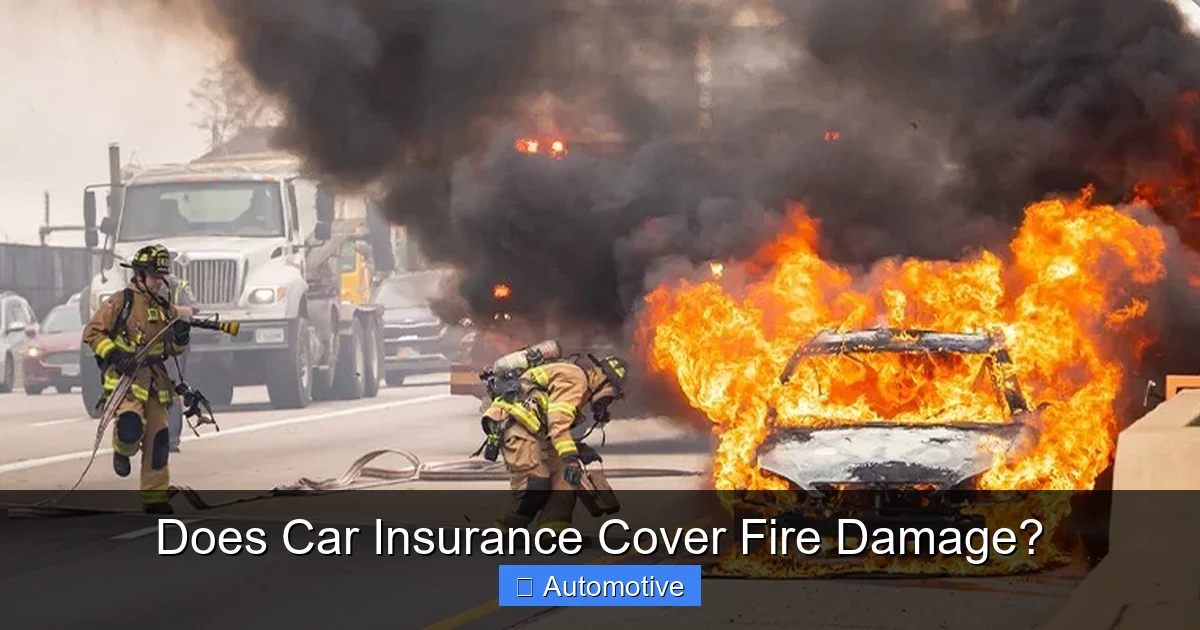
Yes, car insurance typically covers fire damage—but only if you have comprehensive coverage. This protection applies whether the fire is caused by accidents, electrical faults, or natural disasters. Without comprehensive insurance, you’ll likely be left paying out of pocket.
Have you ever parked your car under a tree during a thunderstorm and wondered, “What if lightning strikes?” Or maybe you’ve driven through a wildfire-prone area and thought, “Could my car catch fire from the heat?” These aren’t just random worries—they’re real concerns that millions of drivers face every year. Fires can destroy vehicles in minutes, leaving owners shocked, stressed, and unsure of what to do next. The good news? In most cases, your car insurance can help pick up the pieces—but only if you have the right kind of coverage.
Car insurance isn’t one-size-fits-all. Most drivers carry liability insurance, which covers damage you cause to others, but it doesn’t protect your own vehicle. That’s where comprehensive coverage comes in. Unlike collision insurance, which only covers accidents involving other vehicles or objects, comprehensive insurance protects against a wide range of non-collision events—including fire. Whether your car catches fire due to an electrical malfunction, a crash, or even a nearby wildfire, comprehensive coverage is usually your best defense. But here’s the catch: if you don’t have it, you’re on your own.
Understanding whether your policy covers fire damage starts with knowing what comprehensive insurance actually includes. It’s often bundled with collision coverage in what’s called “full coverage,” but it’s important to read the fine print. Some policies may exclude certain types of fires or require additional endorsements. For example, if you live in a region with frequent wildfires, your insurer might impose special conditions or higher deductibles. The key is to be proactive—don’t wait until after a fire to find out you’re unprotected.
Key Takeaways
- Comprehensive coverage is required: Fire damage is not covered under liability or collision insurance—only comprehensive policies include it.
- Multiple causes are covered: Whether the fire starts from a crash, faulty wiring, or a wildfire, comprehensive insurance usually steps in.
- Acts of nature count: Fires caused by lightning, earthquakes, or falling trees are typically included under comprehensive protection.
- Intentional fires are excluded: If you or someone else deliberately sets your car on fire, the claim will be denied.
- Document everything immediately: Take photos, file a police report if needed, and contact your insurer right away to speed up the process.
- Review your policy annually: Make sure your coverage limits and deductibles still meet your needs, especially if you live in high-risk areas.
- Gap insurance can help: If your car is totaled by fire and you owe more than it’s worth, gap coverage may cover the difference.
📑 Table of Contents
What Is Comprehensive Car Insurance?
Comprehensive car insurance is the unsung hero of auto coverage. While most people focus on liability (which pays for damage you cause to others) or collision (which covers crashes), comprehensive insurance handles everything else. Think of it as your safety net for the unexpected—things that aren’t your fault and don’t involve another vehicle. This includes theft, vandalism, falling objects, animal collisions, and yes, fire damage.
Unlike other types of coverage, comprehensive insurance doesn’t require another party to be involved. It kicks in when your car is damaged by events outside of a typical accident. For instance, if a tree falls on your parked car during a storm, comprehensive covers the repairs. If your car is stolen and later found burned, comprehensive handles the loss. And if a wildfire sweeps through your neighborhood and engulfs your vehicle, comprehensive insurance is typically there to help.
One of the biggest misconceptions about comprehensive coverage is that it’s expensive or unnecessary. In reality, it’s often more affordable than people think—especially when compared to the cost of replacing a vehicle after a total loss. According to the Insurance Information Institute, the average cost of comprehensive coverage in the U.S. is around $150–$200 per year, depending on your location, driving history, and vehicle type. For many drivers, that small annual fee is a worthwhile investment for peace of mind.
It’s also worth noting that comprehensive coverage isn’t just for new or luxury cars. Older vehicles can benefit too, especially if they’re still being financed or have sentimental value. Even if your car isn’t worth much on the market, the cost of repairs after a fire could exceed its value, making comprehensive insurance a smart financial move.
How Comprehensive Coverage Differs from Collision and Liability
To truly understand how fire damage is covered, it helps to compare comprehensive insurance with other common types of coverage. Liability insurance is mandatory in most states and covers bodily injury and property damage you cause to others in an accident. It does nothing to protect your own vehicle. Collision coverage, on the other hand, pays for damage to your car when you hit another vehicle or object—like a guardrail or parked car. But neither of these covers fire.
Comprehensive insurance fills the gap. It’s designed for “acts of God” and other non-collision events. This includes fires caused by internal malfunctions (like a short circuit), external sources (like a nearby building fire), or natural disasters (like lightning strikes). It even covers fires that start after an accident—say, your car flips over and the fuel line ruptures, leading to a blaze. In that case, collision might cover the initial crash damage, but comprehensive would handle the fire-related destruction.
Another key difference is how claims are processed. With collision coverage, fault often plays a role—especially if the other driver is at fault and their insurance pays. But with comprehensive, fault usually doesn’t matter. Since the damage isn’t caused by another driver, your own policy steps in regardless of who’s to blame. This makes the claims process faster and less stressful, especially in emotionally charged situations like a fire.
What’s Typically Included in Comprehensive Policies
Most comprehensive policies cover a wide range of fire-related scenarios. This includes fires caused by:
– Electrical system failures
– Fuel system leaks
– Overheated engines
– Arson (if someone else sets your car on fire)
– Wildfires or brush fires
– Lightning strikes
– Falling debris (like a burning roof tile)
– Explosions (such as a malfunctioning battery)
It’s important to note that the fire doesn’t have to start inside the car to be covered. If your vehicle is parked in a garage and the house catches fire, comprehensive insurance usually covers the damage to your car—even if the fire originated elsewhere. Similarly, if you’re driving through a wildfire zone and your car is damaged by flames or extreme heat, your policy should respond.
However, coverage can vary by insurer and policy. Some companies may exclude certain types of fires or require additional documentation. For example, if the fire was caused by a manufacturing defect, the manufacturer might be liable, and your insurer could seek reimbursement through subrogation. But from your perspective, your comprehensive policy still covers the loss upfront.
Types of Fires Covered by Car Insurance

Visual guide about Does Car Insurance Cover Fire Damage?
Image source: firesafetysupport.com
Not all fires are created equal—and not all are covered the same way. Understanding the different types of fires that can damage your vehicle helps you know what to expect from your insurance policy. The good news is that comprehensive coverage is broad, but there are still some nuances to be aware of.
Fires Caused by Accidents or Mechanical Failures
One of the most common fire scenarios involves a car accident. High-speed collisions can rupture fuel lines, damage electrical systems, or cause sparks that ignite flammable materials. Even low-speed fender benders can lead to fires if critical components are compromised. In these cases, both collision and comprehensive coverage may apply. Collision handles the impact damage, while comprehensive covers the fire that follows.
Mechanical failures are another major cause. Over time, wires can fray, fuel pumps can leak, and engines can overheat—all of which can spark a fire. These issues are often due to normal wear and tear or lack of maintenance. While some insurers may question whether proper upkeep was performed, most will still cover the damage under comprehensive as long as the fire wasn’t caused by negligence or intentional misuse.
For example, imagine you’re driving on the highway and suddenly smell smoke. You pull over and discover flames under the hood. After an inspection, a mechanic determines that a cracked fuel line caused the fire. Even though the issue was mechanical, your comprehensive insurance should cover the repairs or total loss—assuming you have that coverage.
Fires from Natural Disasters and Acts of Nature
Nature can be unpredictable, and sometimes it strikes without warning. Lightning strikes, wildfires, and even volcanic ash can all lead to vehicle fires. These events are typically covered under comprehensive insurance because they’re considered “acts of God”—unforeseeable and outside human control.
Wildfires are a growing concern in many parts of the U.S., especially in California, Colorado, and Texas. If your car is parked outside during a wildfire and gets damaged by flames or intense heat, comprehensive coverage should apply. The same goes for fires caused by falling embers or burning debris carried by the wind.
Lightning is another common natural cause. A direct strike can fry your car’s electronics, ignite fuel vapors, or even cause an explosion. Even if the lightning doesn’t directly hit your car, a nearby strike can create a power surge that damages the electrical system and leads to a fire. Again, comprehensive insurance is your go-to protection.
It’s worth noting that some natural disasters may require additional coverage. For example, floods are typically covered under comprehensive, but earthquakes may need a separate endorsement in certain states. Always check your policy to see what’s included.
Fires from External Sources (Arson, Vandalism, Nearby Fires)
Sometimes, fires start outside your car but still cause damage. Arson—when someone intentionally sets your vehicle on fire—is covered under comprehensive insurance, as long as you didn’t have any involvement. Vandalism, such as someone throwing a Molotov cocktail at your car, is also typically included.
Even if the fire originates elsewhere—like a neighboring building or a trash fire in a parking lot—your car can still be protected. As long as the fire wasn’t caused by your actions, comprehensive coverage should respond. This is especially important in urban areas where parked cars are vulnerable to nearby incidents.
However, if you’re found to have contributed to the fire—say, by leaving flammable materials in your car or modifying it in a way that increases fire risk—your claim could be denied. Insurers may investigate to determine the cause and whether negligence played a role.
What’s NOT Covered: Exclusions and Limitations
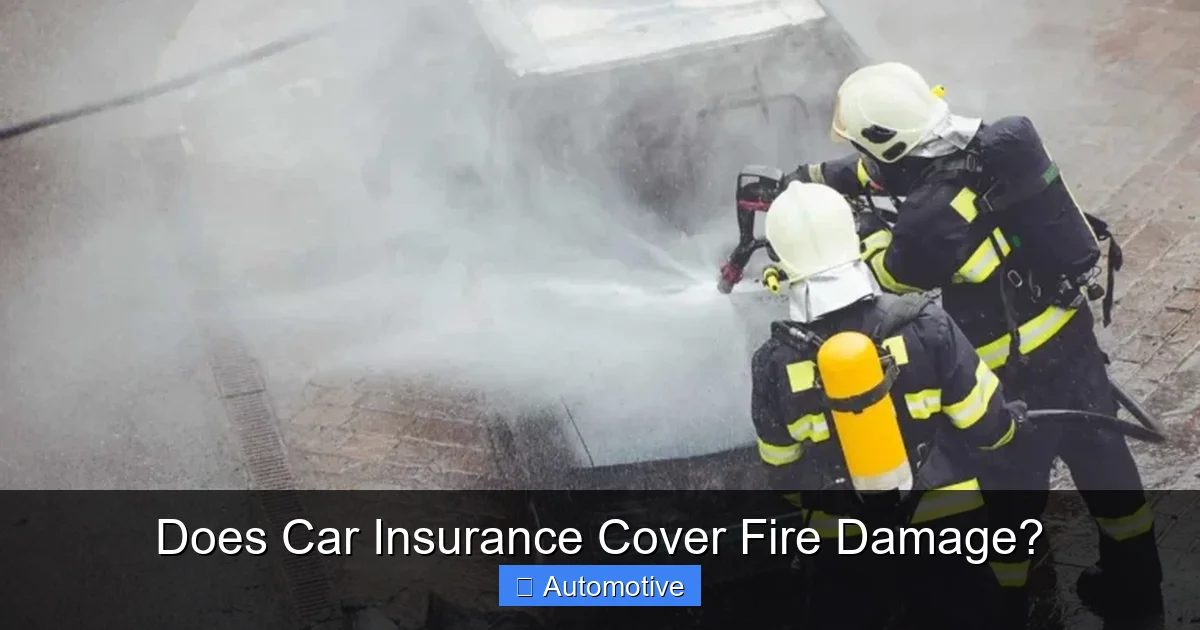
Visual guide about Does Car Insurance Cover Fire Damage?
Image source: trybeem.com
While comprehensive insurance offers broad protection, it’s not a blank check. There are several important exclusions and limitations to be aware of. Understanding these can save you from unpleasant surprises when you file a claim.
Intentional Damage and Fraud
The most obvious exclusion is intentional damage. If you or someone acting on your behalf sets your car on fire, the claim will be denied—and you could face criminal charges. Insurance fraud is taken very seriously, and insurers have teams dedicated to investigating suspicious claims.
Even if you didn’t start the fire yourself, but were involved in planning or benefiting from it, your policy won’t cover the loss. This includes staging a fire to collect insurance money or allowing someone else to damage your car for financial gain.
Wear and Tear or Lack of Maintenance
Insurance is designed to cover sudden, unexpected events—not gradual deterioration. If a fire is caused by poor maintenance, such as ignoring a known fuel leak or failing to replace worn-out wiring, your claim might be denied. Insurers expect drivers to perform basic upkeep, and negligence can void coverage.
For example, if you’ve been told by a mechanic that your fuel line is cracked but you delay repairs, and a fire starts as a result, the insurer may argue that the damage was preventable. In such cases, they may deny the claim or reduce the payout.
Modifications and Aftermarket Parts
If you’ve made modifications to your car—like installing a high-performance engine, custom exhaust, or aftermarket electrical systems—those changes could affect your coverage. Some insurers may exclude damage related to non-factory parts, especially if they increase fire risk.
Always disclose modifications when purchasing or renewing your policy. Some companies offer specialized coverage for modified vehicles, but it often comes at a higher premium.
Acts of War or Terrorism
Most standard policies exclude damage caused by war, nuclear events, or acts of terrorism. While rare, these exclusions are important to note, especially if you live in a high-risk area or travel frequently.
How to File a Claim for Fire Damage
Visual guide about Does Car Insurance Cover Fire Damage?
Image source: policyhouse.com
If your car is damaged or destroyed by fire, acting quickly can make a big difference in how smoothly your claim goes. Here’s a step-by-step guide to help you navigate the process.
Step 1: Ensure Safety First
Before doing anything else, make sure everyone is safe. If the fire is still active, call 911 immediately. Do not attempt to move the vehicle or touch any hot surfaces. Wait for emergency responders to arrive and secure the area.
Step 2: Document the Scene
Once it’s safe, take photos and videos of the damage from multiple angles. Capture the exterior, interior, engine compartment, and any visible signs of fire origin. If there are witnesses, get their contact information. This documentation will support your claim and help the insurer assess the damage.
Step 3: Contact Your Insurance Company
Call your insurer as soon as possible—most companies have 24/7 claims hotlines. Provide your policy number, describe what happened, and share the photos you’ve taken. The insurer will assign a claims adjuster to your case.
Step 4: File a Police Report (If Needed)
If the fire was caused by arson, vandalism, or a criminal act, file a police report. This creates an official record that can strengthen your claim. Even if the fire was accidental, a report may still be helpful, especially if it involves a natural disaster.
Step 5: Work with the Claims Adjuster
The adjuster will inspect the vehicle, review your documentation, and determine the cause of the fire. They may request additional information, such as maintenance records or mechanic reports. Be honest and cooperative throughout the process.
Step 6: Receive Your Settlement
Once the claim is approved, you’ll receive a settlement based on your car’s actual cash value (ACV) minus your deductible. If the car is totaled, the insurer will pay the ACV and take ownership of the vehicle. If it’s repairable, they’ll cover the cost of repairs up to the policy limit.
Tips to Prevent Car Fires and Protect Your Investment
While insurance can help after a fire, prevention is always better than cure. Here are some practical tips to reduce your risk:
– **Schedule regular maintenance:** Have your mechanic check the fuel system, electrical wiring, and engine components annually.
– **Address warning signs:** If you smell smoke, see fluid leaks, or notice dashboard warning lights, get your car inspected immediately.
– **Avoid overloading electrical systems:** Don’t plug in too many devices or use high-wattage accessories that can overheat.
– **Park wisely:** Avoid parking under trees during storms or near dry brush in wildfire zones.
– **Keep a fire extinguisher:** A small automotive fire extinguisher can help put out small fires before they spread.
– **Review your policy annually:** Make sure your coverage limits and deductibles are still appropriate for your needs.
Conclusion
So, does car insurance cover fire damage? The short answer is yes—but only if you have comprehensive coverage. This essential protection shields your vehicle from a wide range of fire-related risks, from mechanical failures to wildfires and arson. Without it, you could be facing thousands of dollars in out-of-pocket expenses.
The key is to understand what your policy includes and to review it regularly. Don’t assume you’re covered just because you have “full coverage”—make sure comprehensive is part of the package. And if you live in a high-risk area, consider additional protections like gap insurance or wildfire endorsements.
Fire damage is rare, but it’s devastating when it happens. With the right insurance and a few preventive measures, you can drive with confidence, knowing you’re prepared for the unexpected.
Frequently Asked Questions
Does liability insurance cover fire damage to my car?
No, liability insurance only covers damage you cause to other people’s property or vehicles. It does not protect your own car from fire or any other type of damage.
Will my insurance cover a fire caused by a recalled part?
Yes, if your car catches fire due to a manufacturer defect or recalled component, comprehensive insurance typically covers the damage. The insurer may later seek reimbursement from the manufacturer.
Can I add comprehensive coverage after a fire?
No, you cannot add coverage after an incident has occurred. Insurance only covers future events, so it’s important to have comprehensive coverage in place before a fire happens.
What if my car is totaled by fire—how much will I get?
You’ll receive the actual cash value (ACV) of your car at the time of the fire, minus your deductible. ACV is based on the car’s age, condition, mileage, and market value.
Does comprehensive coverage include rental car reimbursement?
Not always. Rental reimbursement is usually an optional add-on. Check your policy or ask your insurer if it’s included or available for an extra fee.
Are electric vehicle fires covered the same way?
Yes, electric vehicles are covered under comprehensive insurance just like gas-powered cars. Battery fires, charging issues, and other EV-related fire risks are typically included.