Does Car Battery Recharge Itself
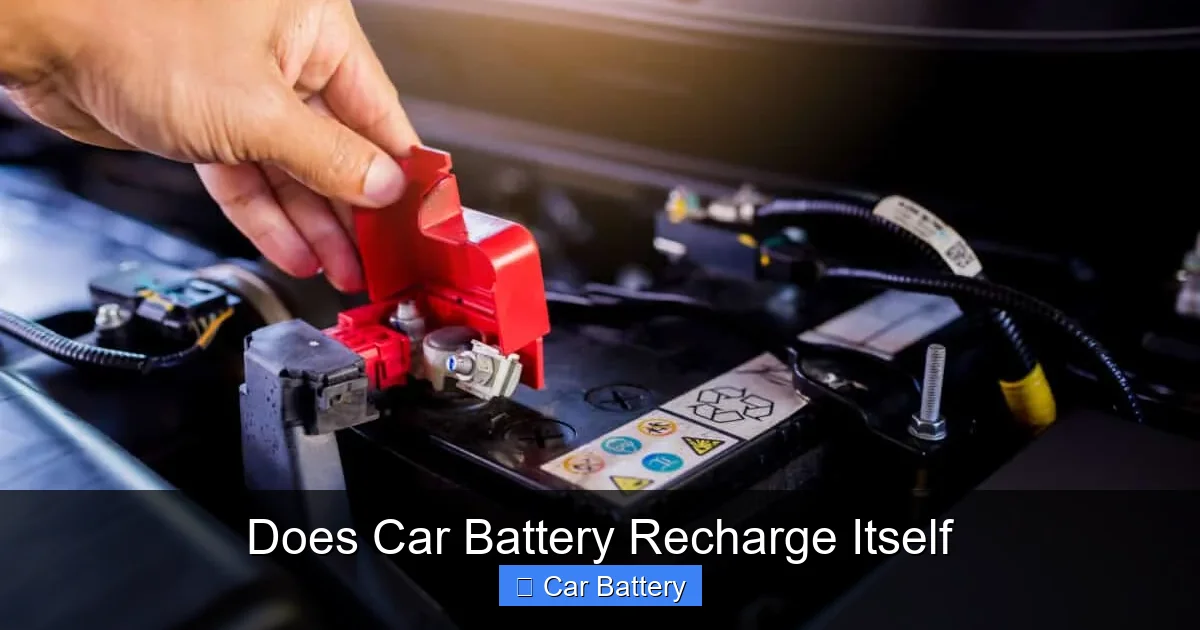
Yes, your car battery recharges itself—but only while the engine is running. This happens through the alternator, which converts mechanical energy into electrical power to replenish the battery. However, it won’t recharge if the alternator fails or you only take short trips.
In This Article
- 1 Key Takeaways
- 2 📑 Table of Contents
- 3 Does Car Battery Recharge Itself? The Simple Answer
- 4 How Does a Car Battery Recharge While Driving?
- 5 When Does the Battery NOT Recharge Itself?
- 6 Signs Your Battery Isn’t Recharging Properly
- 7 How to Help Your Battery Recharge Itself
- 8 When to Replace Your Battery or Alternator
- 9 Conclusion
- 10 Frequently Asked Questions
- 10.1 Does a car battery recharge while idling?
- 10.2 How long does it take to recharge a car battery while driving?
- 10.3 Can a car battery recharge itself when the car is off?
- 10.4 What happens if the alternator fails while driving?
- 10.5 Can a bad battery prevent the alternator from recharging it?
- 10.6 Is it bad to jump-start a car frequently?
Key Takeaways
- Car batteries do recharge themselves—but only when the engine is running. The alternator powers this process by converting engine motion into electricity.
- The alternator is the real hero behind battery recharging. It generates power to run electrical systems and top off the battery simultaneously.
- Short trips prevent full recharging. Frequent short drives don’t give the alternator enough time to restore the battery’s charge.
- A failing alternator stops the recharge cycle. If your lights dim or the battery warning light comes on, get it checked immediately.
- Extreme temperatures affect recharge efficiency. Cold weather slows chemical reactions; heat accelerates battery degradation.
- Parasitic drain can outpace recharging. Devices like dash cams or alarms may slowly drain the battery even when the car is off.
- Regular maintenance extends battery life. Clean terminals, check fluid levels (if applicable), and test the charging system annually.
📑 Table of Contents
Does Car Battery Recharge Itself? The Simple Answer
You’ve probably been there: you start your car, drive to the grocery store, and wonder—did my battery just recharge itself? The short answer is yes… but with a big caveat. Your car battery doesn’t magically refill like a self-filling water bottle. Instead, it relies entirely on your vehicle’s engine and a clever piece of engineering called the alternator to restore its charge.
Think of your car battery as a rechargeable AA battery—but much bigger and more complex. When you turn the key (or push the start button), the battery delivers a burst of power to crank the engine. Once the engine is running, the real work begins. The alternator kicks in, using the engine’s rotational energy to generate electricity. This electricity does two things: it powers your car’s lights, radio, AC, and other electronics, and it sends extra power back to the battery to “top it off.” So technically, yes—the battery recharges itself, but only because the car’s system is designed to do so while driving.
How Does a Car Battery Recharge While Driving?
To understand how your car battery recharges, you need to know the three main players: the battery, the alternator, and the voltage regulator. Together, they form the charging system—a silent but essential team that keeps your car running smoothly.

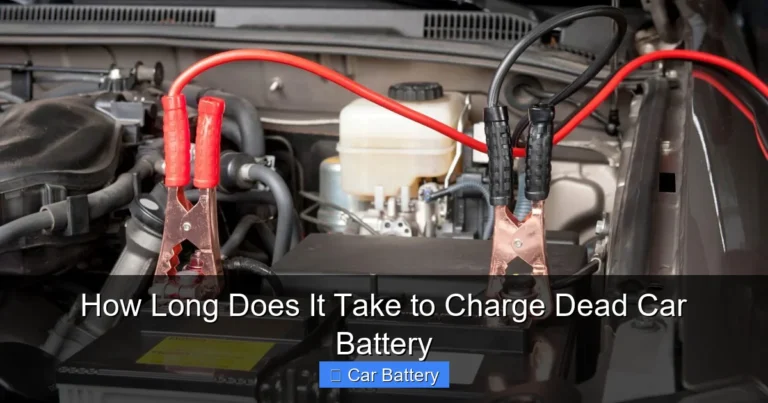
Visual guide about Does Car Battery Recharge Itself
Image source: vehicleanswers.com
The Role of the Alternator
The alternator is the powerhouse of your car’s electrical system. Mounted near the engine and driven by a serpentine belt, it spins whenever the engine is running. Inside the alternator, a rotor (electromagnet) spins inside a stator (coils of wire), creating an alternating current (AC). This AC is then converted to direct current (DC) by diodes—because your car’s electronics and battery run on DC power.
For example, imagine you’re driving at 60 mph on the highway. The engine is spinning fast, the alternator is whirring away, and it’s producing around 13.5 to 14.5 volts of electricity. That’s more than enough to power your headlights, infotainment system, and air conditioning—and still have extra to send back to the battery. This surplus voltage pushes electrons back into the battery plates, reversing the chemical reaction that occurred during discharge. In simple terms, it “recharges” the battery.
The Voltage Regulator: Keeping Things Balanced
Without a voltage regulator, the alternator could overcharge the battery, leading to overheating, gassing, and even explosion. The voltage regulator acts like a thermostat for electricity—it monitors the battery’s voltage and adjusts the alternator’s output accordingly. If the battery is low, it allows more current to flow. If the battery is full, it reduces output to prevent damage.
Modern cars often have the voltage regulator built into the alternator or controlled by the engine’s computer (ECU). This smart system ensures efficient charging without human intervention. For instance, if you’re idling in traffic with the AC blasting, the ECU might tell the alternator to work harder to meet demand and keep the battery topped up.
Battery Chemistry and Rechargeability
Most car batteries are lead-acid batteries, which are inherently rechargeable. They contain lead plates submerged in sulfuric acid (electrolyte). When the battery discharges, the lead plates react with the acid to produce electricity. During recharging, the alternator reverses this reaction, restoring the plates and electrolyte to their original state.
However, this process isn’t 100% efficient. Over time, sulfation—the buildup of lead sulfate crystals—can reduce the battery’s ability to hold a charge. That’s why older batteries may not recharge fully, even with a healthy alternator. Think of it like a sponge that’s been wrung out too many times—it just doesn’t hold water like it used to.
When Does the Battery NOT Recharge Itself?
While the system is designed to recharge the battery automatically, there are several scenarios where this doesn’t happen—or doesn’t happen enough.

Visual guide about Does Car Battery Recharge Itself
Image source: batterymanguide.com
Short Trips and City Driving
If you only drive short distances—like from home to work and back—your battery may never get a full recharge. Starting the car uses a lot of power, but idling or driving for just a few minutes doesn’t give the alternator enough time to replenish what was lost. Over time, this leads to a “partial state of charge,” which stresses the battery and shortens its lifespan.
For example, if you drive 5 minutes to the coffee shop every morning, your alternator might only restore 30% of the charge used during startup. After a week of this, your battery could be significantly depleted—even if the car starts fine. This is especially problematic in winter, when cold temperatures reduce battery efficiency.
Alternator Failure
If the alternator stops working, the battery has no way to recharge. You might notice dimming headlights, a battery warning light on the dashboard, or electrical issues like flickering dashboard lights. In this case, the car will run solely on battery power—until it dies.
A classic sign of alternator failure is a car that starts fine but dies after a few minutes of driving. This happens because the battery drains faster than it can be recharged. If you suspect alternator issues, get it tested immediately. A failing alternator can leave you stranded—and damage the battery over time.
Parasitic Drain
Even when your car is off, small amounts of power are used by systems like the clock, security system, or onboard computer. This is normal. But if a component—like a faulty glove box light or aftermarket dash cam—draws too much power, it can create a “parasitic drain” that slowly depletes the battery.
Imagine leaving a phone charger plugged in overnight. It doesn’t use much power, but over time, it adds up. The same happens with your car. If the drain exceeds what the alternator can replace during driving, the battery will gradually lose charge. This is why some people find their car won’t start after sitting for a week—even if the alternator is fine.
Extreme Temperatures
Both extreme cold and heat affect how well your battery recharges. In cold weather, the chemical reactions inside the battery slow down, reducing its ability to accept a charge. At the same time, engines are harder to start, which means the battery has to work harder—and the alternator has less time to recharge it.
In hot climates, the opposite problem occurs. Heat accelerates battery degradation and increases evaporation of the electrolyte (in non-sealed batteries). This can lead to internal damage and reduced recharge capacity. So whether you’re in Minnesota or Arizona, temperature plays a big role in how well your battery recharges itself.
Signs Your Battery Isn’t Recharging Properly
Knowing the warning signs can help you catch problems before they leave you stranded. Here are the most common indicators that your battery isn’t recharging as it should.

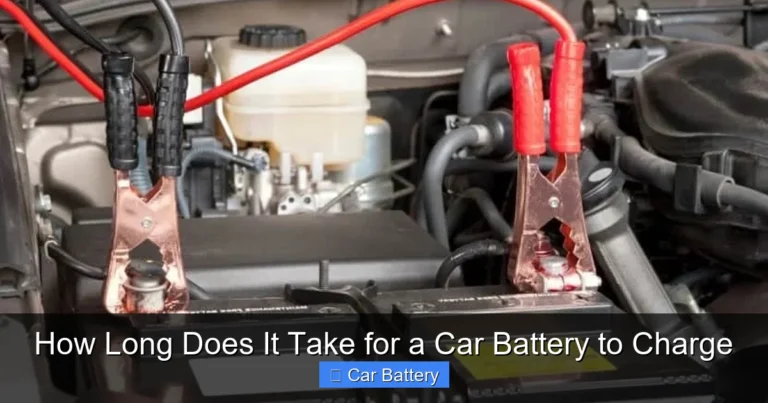
Visual guide about Does Car Battery Recharge Itself
Image source: m.media-amazon.com
Slow Engine Crank
If your engine cranks slowly when you start the car—especially in cold weather—it could mean the battery isn’t holding a full charge. This doesn’t always mean the battery is dead; it might just not be recharging fully due to short trips or alternator issues.
Battery Warning Light
The battery or charging system warning light on your dashboard is a direct alert. It usually looks like a battery symbol or says “ALT” or “CHG.” If it comes on while driving, it means the alternator isn’t producing enough power to recharge the battery. Pull over safely and get it checked.
Dim or Flickering Lights
Headlights that dim at idle or flicker when you turn on the AC or radio suggest the alternator isn’t keeping up with demand. This is a classic sign of alternator stress or failure.
Electrical Glitches
Unusual behavior—like power windows moving slowly, the radio resetting, or the dashboard acting erratically—can indicate low system voltage. This often happens when the battery isn’t being recharged properly.
Frequent Jump Starts
If you’re jump-starting your car more than once a year, something is wrong. It could be a bad battery, a failing alternator, or excessive parasitic drain. Don’t ignore it—get a professional diagnosis.
How to Help Your Battery Recharge Itself
While you can’t control the alternator’s output, you can take steps to ensure your battery recharges as efficiently as possible.
Take Longer Drives Regularly
If you mostly drive short distances, try to take a longer drive once a week—20 to 30 minutes at highway speeds. This gives the alternator enough time to fully recharge the battery. Think of it as a “battery workout” to keep it in shape.
Avoid Excessive Electrical Load
Running the AC, heated seats, and stereo at full blast while idling puts extra strain on the alternator. If possible, turn off non-essential electronics when the engine is off or at idle. This reduces the load and helps the alternator focus on recharging the battery.
Check for Parasitic Drain
If your battery dies after sitting for a few days, have a mechanic test for parasitic drain. They’ll use a multimeter to measure current draw with the car off. Normal drain is around 20–50 milliamps. Anything over 100 mA could indicate a problem.
Maintain the Charging System
Keep the battery terminals clean and tight. Corrosion can block the flow of electricity, reducing charging efficiency. If you have a maintenance-free battery, check the state of charge with a voltmeter. A healthy battery should read 12.6 volts or higher when the car is off.
Use a Battery Maintainer
If you don’t drive often—like with a classic car or seasonal vehicle—use a smart battery maintainer (also called a trickle charger). These devices plug into an outlet and deliver a slow, steady charge to keep the battery at full capacity without overcharging.
When to Replace Your Battery or Alternator
Even with perfect care, batteries and alternators don’t last forever. Here’s when it’s time to consider replacement.
Battery Lifespan
Most car batteries last 3 to 5 years. If yours is older than that and showing signs of weakness, it’s probably time for a new one. Extreme temperatures, frequent short trips, and poor maintenance can shorten this lifespan.
Alternator Lifespan
Alternators typically last 7 to 10 years or 100,000 to 150,000 miles. If you notice charging issues, strange noises (like grinding or whining), or frequent electrical problems, have it tested. Replacing an alternator is more expensive than a battery—but ignoring it can lead to a dead car and a ruined battery.
Professional Testing
Many auto parts stores offer free battery and charging system tests. They’ll check the battery’s voltage, load capacity, and the alternator’s output. This is a quick, easy way to diagnose problems before they become emergencies.
Conclusion
So, does car battery recharge itself? Yes—but only when the engine is running and the charging system is working properly. The alternator is the unsung hero, converting engine power into electricity to keep your battery topped off. However, short trips, extreme weather, parasitic drain, and component failures can all interfere with this process.
The good news? With a little awareness and maintenance, you can help your battery recharge efficiently and extend its life. Take longer drives, keep terminals clean, and pay attention to warning signs. And if something feels off, don’t wait—get it checked. Your car’s electrical system is too important to ignore. After all, a healthy battery means fewer surprises and more reliable starts, no matter where the road takes you.
Frequently Asked Questions
Does a car battery recharge while idling?
Yes, but not efficiently. The alternator produces less power at idle, so it may not fully recharge the battery—especially if electrical loads like AC or lights are on. For best results, drive at higher RPMs for 20–30 minutes.
How long does it take to recharge a car battery while driving?
It typically takes 20 to 30 minutes of driving at highway speeds to fully recharge a moderately depleted battery. Short trips may only restore 30–50% of the charge used during startup.
Can a car battery recharge itself when the car is off?
No. The alternator only works when the engine is running. When the car is off, the battery can only discharge—not recharge. Leaving electronics on can drain it further.
What happens if the alternator fails while driving?
The car will run on battery power until it drains completely—usually within 15–30 minutes. You’ll notice dimming lights, electrical issues, and eventually, the engine will stall.
Can a bad battery prevent the alternator from recharging it?
Yes. A severely damaged or sulfated battery may not accept a charge, even with a working alternator. In this case, the alternator works harder, which can lead to premature failure.
Is it bad to jump-start a car frequently?
Yes. Frequent jump starts indicate an underlying issue—like a failing battery, alternator, or parasitic drain. Repeated jumping can also damage the electrical system over time.