

Does A Bike Helmet Really Help: Science-Backed Safety Tips

Contents
- 1 How a bike helmet protects your head
- 2 What the evidence says about helmets and injury reduction
- 3 Benefits beyond head injury prevention
- 4 Limitations and common myths
- 5 Choosing the right helmet: standards and types
- 6 How to fit and wear a helmet correctly
- 7 Practical tips for different riders
- 8 Personal experience and lessons learned
- 9 PAA-style questions (quick answers)
- 10 Frequently Asked Questions about does a bike helmet really help
- 11 Conclusion

Car Hydraulic Jack

Tire Repair Kit

Car Battery Charger
Car Neck Pillow
Yes — a bike helmet significantly reduces head injury risk and the severity of crashes.
I’ve studied safety research and guided cyclists for years, so I can tell you clearly why does a bike helmet really help matters. This article breaks down the science, real-world data, common myths, how to pick and fit one, and practical tips you can use today. Read on for easy, evidence-based advice that helps you ride safer.
How a bike helmet protects your head
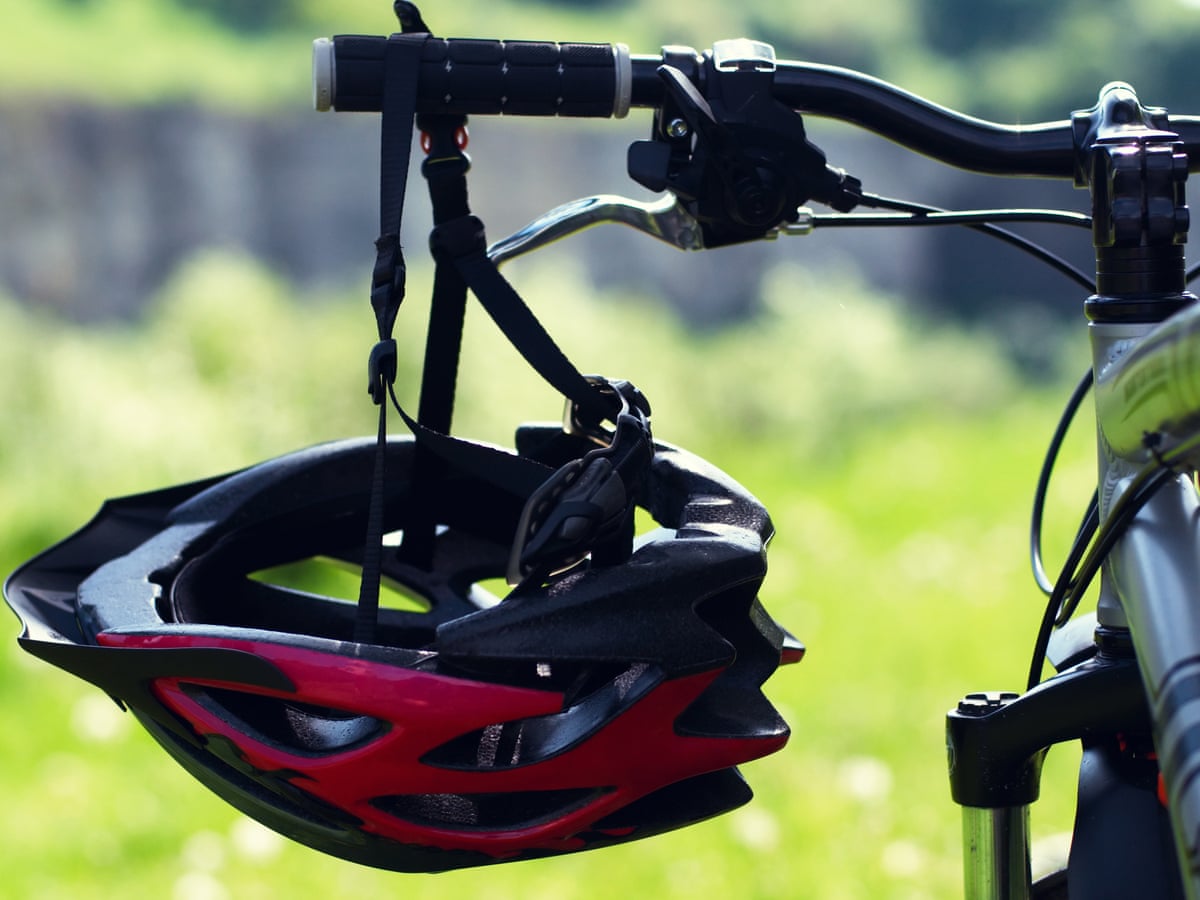
Helmets absorb and spread impact energy during a crash. They use a hard outer shell and crushable inner foam to slow how fast your skull stops. That reduces the force that reaches the brain.
Helmets also protect from cuts, scrapes, and flying debris. A helmet can prevent skull fractures and lessen traumatic brain injury. When people ask does a bike helmet really help, this is the basic answer: it lowers impact forces and reduces harm.

What the evidence says about helmets and injury reduction
Multiple studies show helmets cut the chance of head injury. Research links helmet use to fewer hospital visits for traumatic brain injury. Data also shows lower death rates among riders who wear helmets.
One large review reported that helmets reduce head injury risk by about half. Another analysis found serious brain injury and skull fractures drop significantly with helmet use. These findings make a strong case when people debate does a bike helmet really help.

Benefits beyond head injury prevention
Helmets give several extra benefits:
- Visible safety: Many helmets come in bright colors and reflective strips. They make riders easier to see.
- Weather protection: Helmets shield your head from rain, sun, and cold.
- Comfort and utility: Modern helmets have vents, visors, and mounts for lights or cameras.
- Confidence: Wearing a helmet helps some riders feel safer and ride smarter.
These perks add value every time you ride and support why does a bike helmet really help in daily use.
Limitations and common myths
Helmets are not magic. They reduce risk but do not prevent all brain injuries. A very high-speed crash or direct severe blow can still cause damage.
Common myths to avoid:
- Myth: Helmets cause neck injuries. Fact: Properly fitted helmets do not raise neck injury risk.
- Myth: Helmets make you invincible. Fact: Risk remains; helmets lower severity, not risk itself.
- Myth: Helmets are only for kids. Fact: Adults benefit just as much.
Knowing limits helps set the right expectations about does a bike helmet really help.

Choosing the right helmet: standards and types
Look for a helmet that meets safety standards. Certified helmets pass tests on impact and retention systems. Check the label for a recognized safety mark.
Types of helmets:
- Road helmets: Lightweight, lots of vents, aerodynamic.
- Commuter helmets: Comfortable, often include visors and lights.
- Mountain bike helmets: More coverage at back and sides; some have face protection.
- BMX and skate-style helmets: Thicker shells for low-speed impacts.
Pick the type that matches your ride. The right helmet improves protection and comfort and answers the practical side of does a bike helmet really help.

How to fit and wear a helmet correctly
A proper fit is key. Follow these simple steps:
- Level the helmet: It should sit low on your forehead.
- Side straps: Form a V under each ear.
- Chin strap: Snug with one finger space under the strap.
- Shake test: Helmet should not move more than an inch.
Replace a helmet after any crash or after 3–5 years of use. Foam breaks down with time and may not protect well in a new crash. Proper fit and replacement ensure the helmet does its job.

Practical tips for different riders
Commuters:
- Use a commuter helmet with lights or reflective stickers.
- Keep a spare helmet in your work locker.
Parents and kids:
- Let children pick a helmet they like to increase use.
- Teach kids how to fit helmets correctly.
Mountain bikers:
- Choose extra-coverage helmets for steep trails.
- Replace helmets after hard impacts.
Every rider can use simple changes to make helmets part of safe riding and confirm that does a bike helmet really help in daily practice.
Personal experience and lessons learned
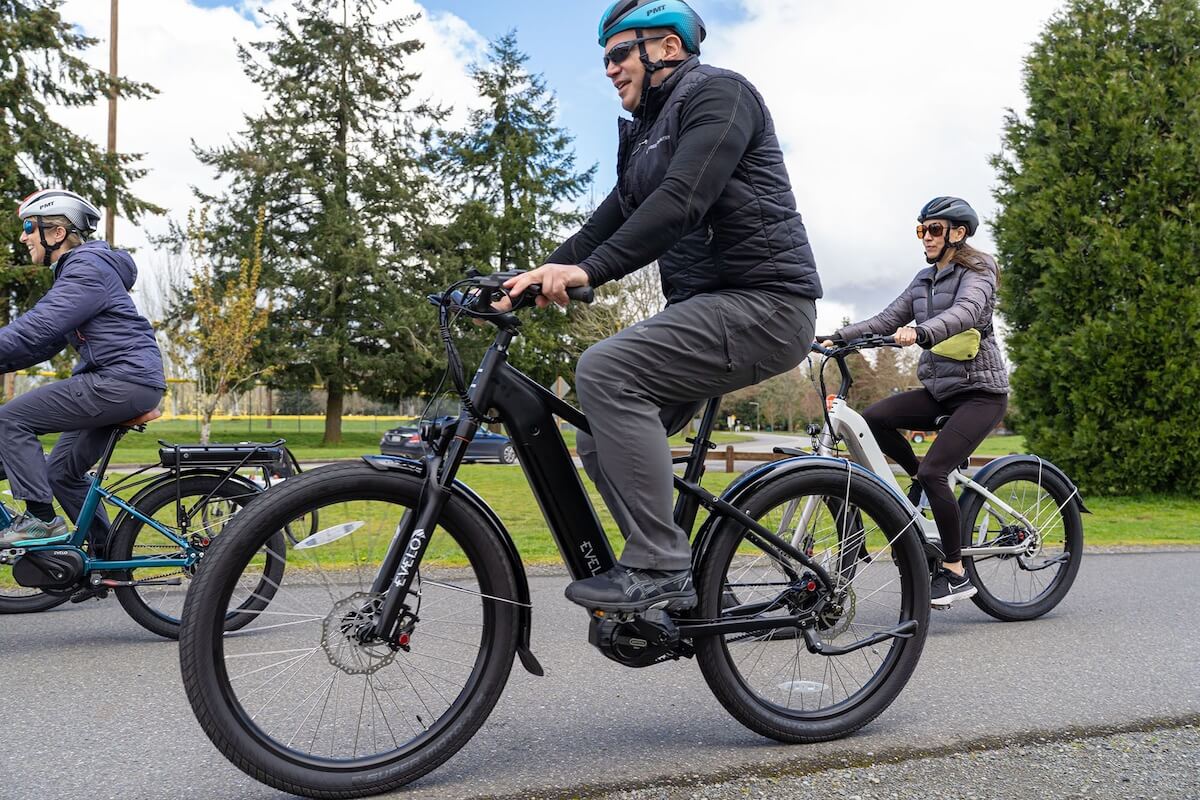
I’ve guided dozens of new riders and tested helmets on group rides. Early in my riding years, I ignored fit and bought a low-cost shell. It slipped in a fall and caused an ear bruise. After that, I switched to a properly fitted, certified helmet and noticed better comfort and confidence.
Lessons I share with riders:
- Spend a little more for a certified helmet that fits.
- Test fit before you buy.
- Keep helmets clean and replace them after impact.
These real-world tips come from hands-on use and support the practical answer to does a bike helmet really help.
PAA-style questions (quick answers)
What does a bike helmet protect?
A helmet protects the skull, scalp, and brain by absorbing impact energy and reducing the force transmitted during a crash.
Will a helmet prevent concussions?
Helmets lower the chance and severity of head injuries but cannot prevent all concussions, especially from rotational forces.
How often should you replace a helmet?
Replace after any significant crash or every 3–5 years, depending on use, exposure to sunlight, and wear.
Frequently Asked Questions about does a bike helmet really help
Does wearing a helmet really reduce my chance of a serious head injury?
Yes. Studies and hospital data show helmet use lowers the risk of serious head injury and skull fracture.
Are helmets effective at high speeds?
Helmets help at many impact speeds, but very high-speed impacts may still cause serious injury even with a helmet.
Can I wear a used helmet I found or was given?
Avoid used helmets without a known history. A helmet that was in a crash may be weaker and less protective.
Do all helmets meet the same safety level?
No. Look for certification marks. Different regions use different tests, so choose a helmet that meets recognized standards.
Will a helmet protect my face?
Most helmets protect the skull and scalp. Full-face helmets provide extra face and jaw protection for aggressive riding.
Conclusion
A helmet is a simple, proven tool that reduces head injury risk and often lessens injury severity. It is not a cure-all, but when fitted and used correctly, a helmet makes a clear difference. Decide now to pick a certified, well-fitting helmet and wear it every ride. Try a few fits, replace old gear, and share your experience in the comments or subscribe for more safety tips.


