Do You Need Insurance to Sell a Car

You don’t always need active insurance to sell a car, but it’s often required by law and highly recommended for safety and legality. Whether you’re selling privately or trading in, understanding your state’s rules and protecting yourself from liability is essential. Keep reading to learn when insurance is mandatory, how to handle coverage during the sale, and how to avoid costly mistakes.
In This Article
- 1 Key Takeaways
- 2 📑 Table of Contents
- 3 Do You Need Insurance to Sell a Car? A Complete Guide
- 4 Understanding the Basics: When Is Insurance Required?
- 5 Private Sale vs. Trade-In: Does It Make a Difference?
- 6 What Happens During a Test Drive?
- 7 Can You Cancel Insurance Before Selling?
- 8 State-by-State Rules: What You Need to Know
- 9 Common Mistakes to Avoid When Selling a Car
- 10 How to Protect Yourself During the Sale
- 11 Final Thoughts: Insurance Is Part of the Sale
- 12 Frequently Asked Questions
- 12.1 Can I sell my car without insurance?
- 12.2 When can I cancel my car insurance after selling?
- 12.3 Do I need insurance if the car isn’t being driven?
- 12.4 What happens if the buyer doesn’t have insurance?
- 12.5 Can I let someone test drive my car without insurance?
- 12.6 Do dealerships handle insurance during a trade-in?
Key Takeaways
- Insurance is not always required to sell a car, but most states mandate it until the vehicle is officially off your hands. You must maintain coverage until the sale is complete and the title is transferred.
- Once the buyer takes possession, their insurance typically becomes responsible—but only after proper documentation. Until then, you could still be liable in case of an accident.
- Selling a car without insurance can lead to fines, legal trouble, or financial liability if something goes wrong. Even if the car is parked, some states require minimum coverage.
- Private sellers should remove the car from their policy only after confirming the buyer has insured it. Never cancel coverage too early—this creates a dangerous gap.
- Dealerships often handle insurance during trade-ins, but private sales require more caution. Always get proof of the buyer’s insurance before handing over the keys.
- Non-operational vehicles may qualify for a “storage” or “liability-only” policy to reduce costs while keeping legal compliance. This is ideal if you’re not driving the car but still own it.
- Document everything: bill of sale, title transfer, and insurance confirmation. These records protect you from future claims or disputes.
📑 Table of Contents
- Do You Need Insurance to Sell a Car? A Complete Guide
- Understanding the Basics: When Is Insurance Required?
- Private Sale vs. Trade-In: Does It Make a Difference?
- What Happens During a Test Drive?
- Can You Cancel Insurance Before Selling?
- State-by-State Rules: What You Need to Know
- Common Mistakes to Avoid When Selling a Car
- How to Protect Yourself During the Sale
- Final Thoughts: Insurance Is Part of the Sale
Do You Need Insurance to Sell a Car? A Complete Guide
So, you’ve decided it’s time to sell your car. Maybe you’re upgrading to something newer, downsizing, or just ready for a change. But as you start listing your vehicle online or talking to potential buyers, one question keeps popping up: *Do you actually need insurance to sell a car?*
It’s a smart question—and one that many sellers overlook. The short answer? It depends. But the long answer involves state laws, liability risks, and timing. While you don’t need to be driving the car to sell it, insurance still plays a crucial role in the process. In fact, skipping insurance at the wrong time could land you in hot water—financially and legally.
Let’s break it down simply. Selling a car isn’t just about handing over the keys and cash. It’s a legal transfer of ownership, and with that comes responsibility. If something happens to the car—or because of the car—before the sale is fully complete, you could still be on the hook. That’s where insurance comes in. It’s not just about protecting the vehicle; it’s about protecting *you*.
In this guide, we’ll walk you through everything you need to know about insurance when selling a car. From state-specific rules to practical tips for private sellers, we’ll help you navigate the process safely and confidently. Whether you’re selling to a friend, listing on Craigslist, or trading in at a dealership, understanding your insurance obligations is a must.
Understanding the Basics: When Is Insurance Required?

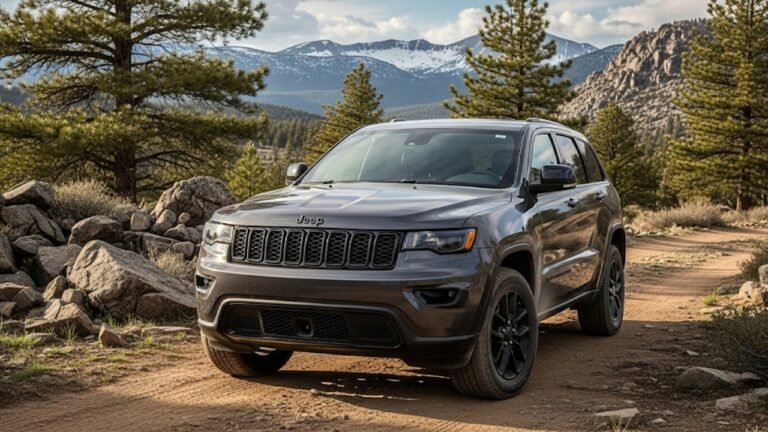
Visual guide about Do You Need Insurance to Sell a Car
Image source: nationaldispatch.com
Let’s start with the fundamentals. In most cases, you are required to have auto insurance on a vehicle as long as it’s registered in your name—even if you’re not driving it. That means if you still own the car, you likely still need coverage.
Why? Because insurance isn’t just for drivers—it’s for *owners*. If your car is involved in an accident, stolen, or damaged while it’s still legally yours, you could be held responsible. And if you don’t have insurance, you might have to pay out of pocket for damages, injuries, or legal fees.
State Laws Vary—But the Pattern Is Clear
Every state has its own rules, but most follow a similar logic: as long as the car is registered to you, you need insurance. For example:
– In California, you must maintain liability insurance until the vehicle is officially released from your responsibility—usually when the buyer registers it in their name.
– In Texas, the seller must keep insurance active until the title is signed over and the buyer has insured the vehicle.
– In New York, you can’t cancel your insurance until the DMV confirms the transfer of ownership.
Even if your car is sitting in the driveway, not being driven, some states still require minimum liability coverage. Why? Because the car could be stolen, vandalized, or even accidentally started by someone else.
The Moment of Transfer: When Does Responsibility Shift?
This is where things get tricky. The key moment is when legal ownership transfers from you to the buyer. That usually happens when:
– The title is signed over.
– The buyer pays you (or financing is secured).
– The buyer registers the car in their name and gets their own insurance.
Until all three steps are complete, you’re still the legal owner—and that means you’re still responsible.
Imagine this: You sell your car on a Saturday. The buyer takes it for a test drive and gets into an accident. They don’t have insurance yet. Who pays? Legally, it could be you—because the car is still in your name. That’s why timing is everything.
Private Sale vs. Trade-In: Does It Make a Difference?

Visual guide about Do You Need Insurance to Sell a Car
Image source: insurancepanda.com
The way you sell your car—privately or through a dealership—can affect your insurance needs. Let’s look at both scenarios.
Selling Privately: More Responsibility, More Caution
When you sell your car directly to another person, you’re in control of the process. That means you need to be extra careful about insurance.
Here’s what typically happens:
1. You list the car and find a buyer.
2. The buyer inspects it, maybe takes a test drive (more on that later).
3. You agree on a price and sign the title.
4. The buyer pays you (cash, check, or bank transfer).
5. You provide a bill of sale and release of liability form.
6. The buyer registers the car and gets insurance.
During this entire process, your insurance should remain active—especially if the car is still parked at your home or being driven for test drives.
One common mistake? Canceling your insurance too soon. Some sellers think, “I sold the car, so I don’t need coverage anymore.” But if the buyer hasn’t insured it yet, and something happens, you’re still liable.
Trading In at a Dealership: Simpler, But Not Risk-Free
When you trade in your car at a dealership, the process is usually smoother. The dealer often handles the title transfer and may even help the buyer get insurance on the spot.
But even here, you should keep your insurance active until the trade-in is complete. Why? Because until the dealer officially takes ownership, the car is still yours.
For example, if you drop off your car for a trade-in on Monday but the deal isn’t finalized until Wednesday, and the car is damaged in the lot on Tuesday, your insurance may still be needed.
Also, dealerships sometimes allow test drives before the trade-in is complete. If an accident happens during that drive, and the buyer doesn’t have coverage, your policy could be involved.
So even with a trade-in, don’t assume the dealer has everything covered. Stay insured until the paperwork is done.
What Happens During a Test Drive?

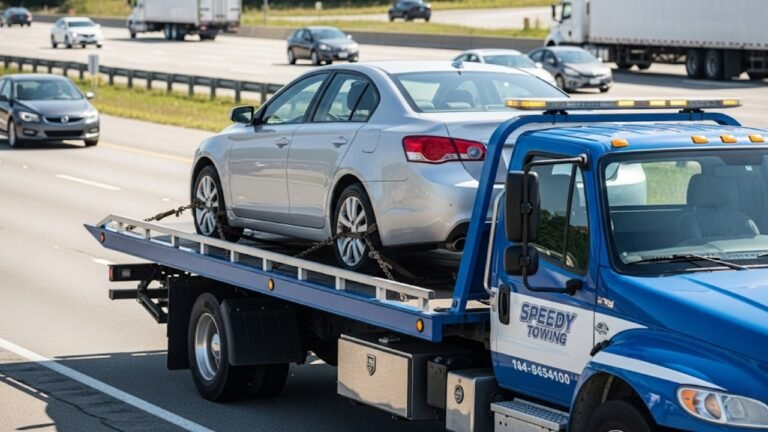
Visual guide about Do You Need Insurance to Sell a Car
Image source: s3.amazonaws.com
Test drives are a normal part of selling a car—but they come with risks. And yes, insurance matters here too.
Who’s Covered During a Test Drive?
If a potential buyer wants to test drive your car, your insurance policy usually covers them—but only under certain conditions.
Most standard auto policies include “permissive use,” which means someone driving your car with your permission is covered under your policy. So if the buyer gets into an accident during the test drive, your insurance may pay for damages—up to your policy limits.
But there are limits. If the driver is excluded from your policy (like a family member you’ve specifically removed), or if they’re driving recklessly, coverage might not apply.
Also, if the buyer has their own insurance, it might provide secondary coverage. But don’t count on it—always assume your policy is primary during a test drive.
How to Protect Yourself During a Test Drive
To minimize risk, follow these tips:
– **Verify the buyer’s license.** Make sure they have a valid driver’s license and are legally allowed to drive.
– **Stay in the car.** Ride along during the test drive. This gives you control and reduces the chance of reckless driving.
– **Set boundaries.** Limit the test drive to a safe, familiar route. Avoid highways or busy areas if possible.
– **Get proof of insurance.** Ask to see the buyer’s insurance card. While it’s not required, it shows they’re responsible.
– **Use a test drive agreement.** Some sellers create a simple form that the buyer signs, acknowledging they’re driving at their own risk. This isn’t a legal shield, but it adds a layer of protection.
Remember: even with precautions, accidents can happen. That’s why keeping your insurance active during the sale process is so important.
Can You Cancel Insurance Before Selling?
This is a common question: *Can I cancel my insurance as soon as I sell the car?*
The short answer: Not right away.
Why You Shouldn’t Cancel Too Soon
Canceling your insurance immediately after the sale—before the buyer has insured the car—creates a dangerous gap. If the car is damaged, stolen, or involved in an accident during that gap, you could be held liable.
For example, imagine you sell your car on Friday, cancel your insurance that afternoon, and the buyer doesn’t insure it until Monday. If the car is stolen Saturday night, who pays? Without insurance, you might have to cover the loss yourself.
Even if the car is parked and not being driven, some states require you to maintain coverage until the DMV processes the transfer.
When It’s Safe to Cancel
You can safely cancel your insurance when:
– The title has been signed over to the buyer.
– The buyer has registered the car in their name.
– The buyer has active insurance on the vehicle.
– You’ve received confirmation from the DMV (if required by your state).
In many states, you can file a “release of liability” form online or by mail. This tells the DMV you’re no longer responsible for the vehicle. Once that’s processed, you can cancel your insurance.
But don’t just take the buyer’s word for it. Ask for a copy of their insurance card or registration. Better yet, check with your state’s DMV to confirm the transfer is complete.
What If the Car Isn’t Being Driven?
If you’re not driving the car but still own it—maybe it’s sitting in the garage while you wait for a buyer—you might be tempted to cancel insurance entirely.
But again, that’s risky. Instead, consider switching to a “storage” or “non-operational” policy.
These policies are cheaper and provide limited coverage—usually just comprehensive (for theft, fire, vandalism) but not collision or liability. They’re designed for cars that aren’t being driven but are still owned.
This way, you stay legal, protect your investment, and save money—without leaving yourself exposed.
State-by-State Rules: What You Need to Know
Because insurance laws vary by state, it’s important to know your local requirements. Here’s a quick overview of how different states handle insurance when selling a car.
States That Require Insurance Until Transfer
In states like California, Texas, Florida, and New York, you must maintain insurance until the vehicle is officially transferred. You can’t cancel coverage until the DMV confirms the new owner has registered the car.
In these states, filing a release of liability is crucial. It protects you from future tickets, tolls, or accidents involving the car.
States with More Flexibility
Some states, like Arizona and Nevada, allow you to cancel insurance sooner—especially if the car is not being driven. But even there, you’re still responsible until the title is transferred.
States That Allow “Non-Op” Status
A few states let you declare a vehicle “non-operational.” This means you can cancel liability insurance but must still pay a small fee to keep the registration active. This is useful if you’re not driving the car but plan to sell it later.
Check your state’s DMV website for specific rules. When in doubt, call them directly.
Common Mistakes to Avoid When Selling a Car
Even experienced sellers make mistakes. Here are some common pitfalls—and how to avoid them.
Mistake #1: Canceling Insurance Too Early
As we’ve said, this is the biggest mistake. Always wait until the buyer has insured the car and the title is transferred.
Mistake #2: Not Getting Proof of Buyer’s Insurance
Don’t just take their word for it. Ask to see their insurance card or a digital copy. If they don’t have insurance, don’t let them drive the car.
Mistake #3: Skipping the Bill of Sale
A bill of sale is a simple document that records the sale. It includes the buyer’s and seller’s names, the car’s details, the sale price, and the date. It protects both parties and is often required for registration.
Mistake #4: Forgetting to Remove License Plates
In many states, you must remove your license plates when selling a car. Leaving them on could lead to tickets or tolls in your name.
Mistake #5: Not Notifying the DMV
Filing a release of liability form is essential. It tells the DMV you’re no longer responsible for the vehicle. Do this as soon as the sale is complete.
How to Protect Yourself During the Sale
Selling a car doesn’t have to be stressful. With the right steps, you can protect yourself and ensure a smooth transaction.
Step 1: Keep Your Insurance Active
Until the buyer has insured the car and the title is transferred, keep your policy active. This is your best defense against liability.
Step 2: Get Everything in Writing
Use a bill of sale, title transfer form, and release of liability. Keep copies for your records.
Step 3: Meet in a Safe, Public Place
For test drives and final transactions, meet at a police station, DMV, or other secure location. Many police departments even have “safe exchange zones” for online sales.
Step 4: Accept Secure Payment
Avoid cash for large amounts. Use a cashier’s check, bank transfer, or escrow service. Never hand over the title until payment is confirmed.
Step 5: Notify Your Insurance Company
Once the sale is complete, call your insurer to remove the car from your policy. This stops future charges and closes the loop.
Final Thoughts: Insurance Is Part of the Sale
So, do you need insurance to sell a car? The answer is yes—at least until the sale is fully complete. While you don’t need to be driving the car, you are still the legal owner until the title is transferred and the buyer has insurance.
Skipping coverage during this critical window can lead to fines, lawsuits, or out-of-pocket expenses. But with the right approach, you can sell your car safely and legally.
Remember: insurance isn’t just about protecting the vehicle—it’s about protecting *you*. Whether you’re selling privately or trading in, keep your policy active, document everything, and don’t rush the process.
By following these guidelines, you’ll avoid common pitfalls and walk away from the sale with peace of mind. After all, selling a car should be a positive experience—not a stressful one.
Frequently Asked Questions
Can I sell my car without insurance?
You can sell a car without driving it, but most states require you to maintain insurance until the title is transferred and the buyer has coverage. Selling without insurance can lead to legal and financial risks if something happens to the vehicle before the sale is complete.
When can I cancel my car insurance after selling?
You should cancel your insurance only after the buyer has insured the car, registered it in their name, and you’ve filed a release of liability with the DMV. Canceling too early can leave you liable for accidents or damage.
Do I need insurance if the car isn’t being driven?
Yes, in most states you still need at least liability insurance if the car is registered in your name—even if it’s parked. Some states allow a “non-operational” status, which reduces coverage but keeps you legal.
What happens if the buyer doesn’t have insurance?
If the buyer doesn’t have insurance and gets into an accident before the sale is complete, your insurance may be responsible. That’s why it’s important to verify their coverage before handing over the keys.
Can I let someone test drive my car without insurance?
Your insurance typically covers permissive drivers during a test drive, but only if they have your permission and a valid license. Always ride along and get proof of their insurance to reduce risk.
Do dealerships handle insurance during a trade-in?
Dealerships often help buyers get insurance, but you should keep your coverage active until the trade-in is finalized. Don’t assume the dealer has everything covered—stay insured until the paperwork is done.