Do You Need a Notary to Sell a Car in Nc

In North Carolina, notarization is not always required to sell a car, but it is highly recommended for certain documents like the bill of sale and odometer disclosure. While the title transfer itself doesn’t require a notary, having key paperwork notarized adds legal protection and reduces the risk of fraud. Understanding when and why to use a notary ensures a smoother, safer transaction for both buyer and seller.
Selling a car in North Carolina can be a straightforward process—if you know what’s required. Whether you’re upgrading to a newer model, downsizing, or simply parting ways with an old vehicle, understanding the legal steps is crucial. One common question that pops up is: “Do you need a notary to sell a car in NC?” The short answer is: not always. But the longer, more practical answer is that notarization can save you a lot of headaches down the road.
Let’s be honest—nobody wants to deal with legal disputes, forged signatures, or rejected paperwork after a car sale. That’s where notarization comes in. While North Carolina law doesn’t require a notary for every part of the car-selling process, certain documents become much more reliable and legally sound when notarized. Think of it like adding a security seal to your transaction. It doesn’t change the deal, but it proves that everyone involved was who they said they were, and that they signed willingly.
In this guide, we’ll walk you through everything you need to know about notarization when selling a car in North Carolina. From title transfers to bill of sale requirements, we’ll break down when you need a notary, when you don’t, and why it still matters—even if it’s not legally required. Whether you’re selling to a private buyer, trading in at a dealership, or shipping the car out of state, this article will help you navigate the process with confidence.
In This Article
- 1 Key Takeaways
- 2 📑 Table of Contents
- 3 Understanding Car Sale Requirements in North Carolina
- 4 When Is a Notary Required When Selling a Car in NC?
- 5 Why You Should Consider Using a Notary Even When It’s Not Required
- 6 How to Find and Use a Notary in North Carolina
- 7 Selling to a Dealership vs. Private Sale
- 8 Common Mistakes to Avoid
- 9 Conclusion
- 10 Frequently Asked Questions
- 10.1 Do I need a notary to sell a car in North Carolina?
- 10.2 Can I sell my car without a bill of sale in NC?
- 10.3 Is an odometer disclosure required when selling a car in NC?
- 10.4 Can a notary refuse to notarize my car sale documents?
- 10.5 How much does it cost to notarize car sale documents in NC?
- 10.6 Can I use online notarization for a car sale in North Carolina?
Key Takeaways
- Notarization is not mandatory for all car sales in NC: The title transfer does not legally require a notary, but other documents might.
- A notarized bill of sale adds credibility: It helps prevent disputes and proves the transaction was voluntary and legitimate.
- Odometer disclosure statements may need notarization: Federal law requires accurate mileage reporting, and notarization strengthens its validity.
- Private sellers benefit from notarized documents: It protects against fraud and ensures the buyer can’t claim coercion or forgery.
- Dealerships often handle notarization internally: If you’re selling to a dealer, they typically manage the paperwork, including notarization if needed.
- Out-of-state buyers may require notarized forms: Some states require notarized documents for registration, so check the buyer’s state laws.
- Use a licensed notary public: Only authorized notaries can legally notarize documents in North Carolina.
📑 Table of Contents
Understanding Car Sale Requirements in North Carolina
Before diving into notarization, it’s important to understand the basic legal framework for selling a car in North Carolina. The state has specific rules designed to protect both buyers and sellers, ensure proper registration, and prevent fraud. Knowing these requirements will help you determine where notarization fits in.
In North Carolina, the primary document for transferring ownership of a vehicle is the title. The seller must sign the title over to the buyer, and the buyer must take that signed title to the North Carolina Division of Motor Vehicles (NCDMV) to register the vehicle and obtain new license plates. This process is known as a title transfer.
The title itself does not need to be notarized in North Carolina. That’s a common misconception. The NCDMV does not require a notary’s seal or signature on the title for it to be valid. However, the signature on the title must match the name printed on the title exactly. If there’s a discrepancy—like a middle name missing or a typo—the DMV may reject the transfer.
But here’s the catch: while the title doesn’t need notarization, other documents involved in the sale often do. For example, if you’re using a bill of sale—which is highly recommended—North Carolina law doesn’t require it to be notarized. However, many buyers and sellers choose to have it notarized anyway to add an extra layer of authenticity.
Additionally, federal law requires an odometer disclosure statement for vehicles under 10 years old. This form confirms the vehicle’s mileage at the time of sale. While notarization isn’t mandatory for this form either, having it notarized can prevent future disputes about whether the mileage was accurately reported.
So, while notarization isn’t a strict legal requirement for every document, it plays a valuable role in protecting both parties. It acts as a witness to the transaction, confirming that the signatures are genuine and that the individuals signing are doing so voluntarily.
When Is a Notary Required When Selling a Car in NC?
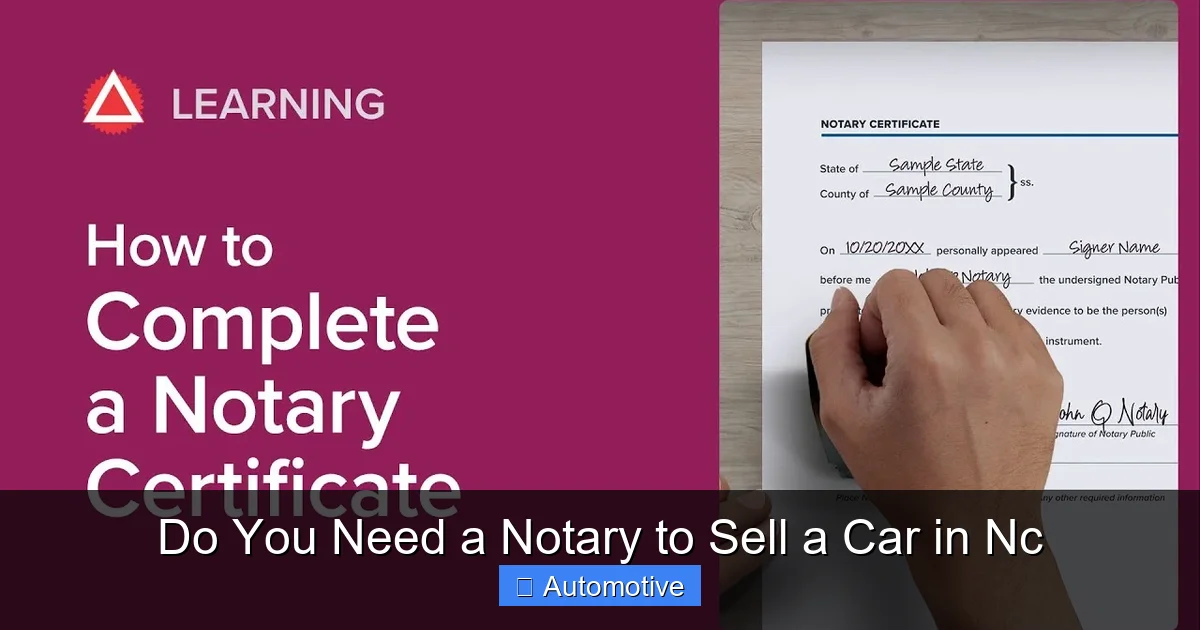
Visual guide about Do You Need a Notary to Sell a Car in Nc
Image source: examplesweb.net
Now that we’ve covered the basics, let’s get specific: when do you actually need a notary when selling a car in North Carolina? The answer depends on the type of document and the nature of the transaction.
First, let’s clarify what a notary public does. A notary is a state-appointed official who verifies the identity of signers, ensures they are signing willingly, and confirms that the document is being signed correctly. They don’t provide legal advice, but they do add a layer of verification that can be crucial in legal or administrative settings.
In North Carolina, the following situations may require or benefit from notarization:
Bill of Sale
A bill of sale is a written record of the transaction, detailing the vehicle’s make, model, year, VIN, sale price, and the names and addresses of both buyer and seller. While North Carolina does not legally require a bill of sale for private car sales, it is strongly recommended. It serves as proof of the sale and can be used to resolve disputes.
Although notarization is not mandatory, having the bill of sale notarized adds credibility. It proves that both parties were present, identified themselves, and signed the document willingly. This can be especially helpful if the buyer later claims they were misled or if there’s a disagreement about the sale price or condition of the car.
For example, imagine you sell your 2018 Honda Civic for $15,000. You and the buyer sign a bill of sale, but it’s not notarized. A month later, the buyer claims they paid $18,000 and demands a refund. Without a notarized document, it becomes a “he said, she said” situation. But with a notarized bill of sale, you have第三方 verification that the transaction occurred as stated.
Odometer Disclosure Statement
Federal law requires that sellers provide an accurate odometer reading for vehicles under 10 years old. This is typically done using Form MVR-18AP, which must be signed by the seller and submitted to the DMV.
While notarization is not required by federal or state law, many sellers choose to have this form notarized to prevent fraud. Odometer rollback is a serious issue, and a notarized disclosure makes it harder for someone to later claim the mileage was falsified.
For instance, if you sell a 2020 Toyota Camry with 40,000 miles, and the odometer statement is notarized, it’s much harder for the buyer to later allege that you rolled back the odometer. The notary’s seal acts as a timestamp and verification of the information provided.
Power of Attorney (If Applicable)
In some cases, the seller may not be able to sign the title or other documents in person. For example, if the seller is out of state, hospitalized, or otherwise unavailable, they may appoint someone else to act on their behalf using a power of attorney (POA).
In North Carolina, a power of attorney used for vehicle transactions must be notarized. This is a legal requirement. The notary verifies the identity of the person granting the power and ensures they understand what they’re signing. Without notarization, the POA is invalid for DMV purposes.
So, if you’re selling your car but can’t be there to sign the title, you’ll need a notarized POA authorizing someone else to do it for you. This is common in estate sales or when a family member is handling the sale on behalf of an elderly relative.
Out-of-State Transactions
If you’re selling a car to someone in another state, the requirements may differ. Some states require notarized documents for registration, even if North Carolina doesn’t. For example, California, Texas, and New York often require notarized bills of sale or title transfers for out-of-state vehicles.
If your buyer is registering the car in another state, it’s a good idea to check their state’s DMV website or ask them directly whether notarization is needed. Providing a notarized bill of sale or title can prevent delays and ensure the buyer can register the vehicle without issues.
Why You Should Consider Using a Notary Even When It’s Not Required
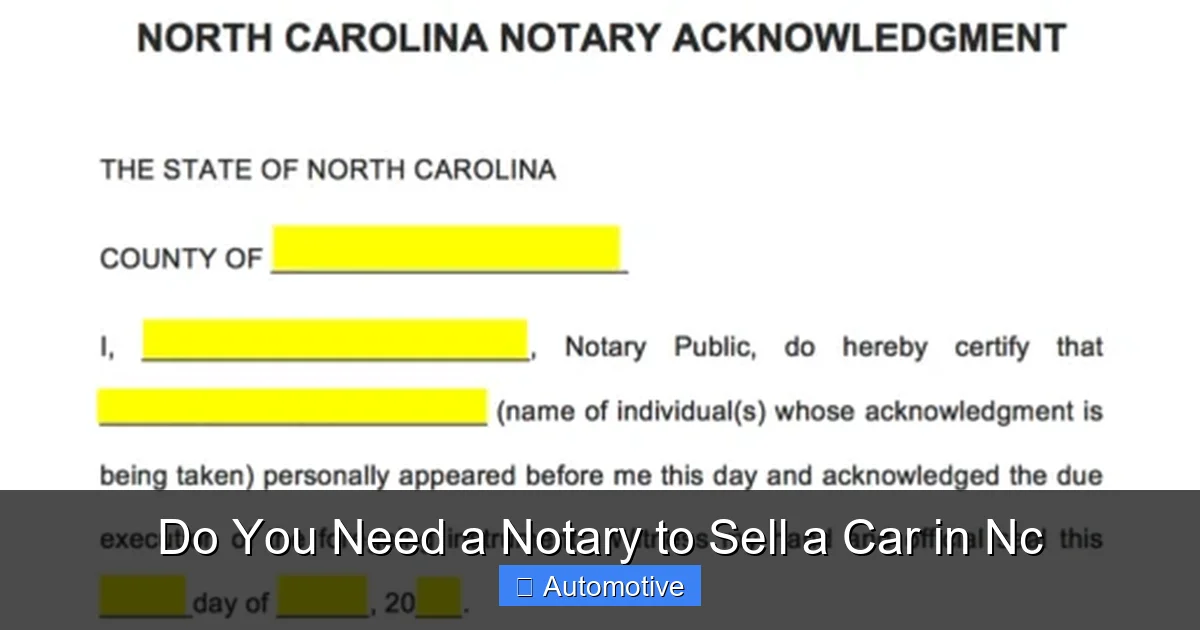
Visual guide about Do You Need a Notary to Sell a Car in Nc
Image source: eforms.com
Even though notarization isn’t always legally required in North Carolina, there are several compelling reasons to use a notary when selling a car. Think of it as an investment in peace of mind.
Prevents Fraud and Forgery
One of the biggest risks in private car sales is fraud. A dishonest buyer could claim they never signed a document, or a seller could later deny the sale. Notarization reduces this risk by having a neutral third party witness the signing.
Notaries are trained to verify identities using government-issued IDs, such as driver’s licenses or passports. They also ensure that the person signing is doing so willingly and is not under duress. This makes it much harder for someone to later claim they were tricked or forced into the transaction.
For example, if you’re selling your car to a buyer you met online, having the documents notarized adds a layer of trust. It shows you’re serious about a legitimate sale and aren’t trying to hide anything.
Speeds Up the DMV Process
While the NCDMV doesn’t require notarized titles, they do appreciate complete and accurate documentation. If you submit a notarized bill of sale or odometer statement, it can help your buyer process the registration faster.
DMV employees deal with thousands of transactions, and incomplete or suspicious paperwork can lead to delays or rejections. A notarized document signals that the transaction was handled properly and reduces the need for additional verification.
Imagine your buyer goes to the DMV with a notarized bill of sale and odometer statement. The clerk sees the notary seal and knows the signatures are verified. They’re more likely to process the registration quickly, without asking for additional proof.
Protects Against Future Disputes
Even the friendliest car sales can turn sour. Maybe the buyer discovers a mechanical issue they didn’t know about, or the seller later regrets the sale price. Without proper documentation, these disputes can escalate.
A notarized bill of sale clearly outlines the terms of the sale, including the price, vehicle condition, and any “as-is” disclosures. This can prevent misunderstandings and provide evidence if a dispute goes to small claims court.
For instance, if you sell a car “as-is” and include that in a notarized bill of sale, the buyer can’t later claim they were misled about the condition. The notary’s presence confirms that both parties understood and agreed to the terms.
Builds Trust with the Buyer
Using a notary shows that you’re professional and trustworthy. It signals that you’re not cutting corners and that you want the transaction to be above board.
Many buyers feel more comfortable when documents are notarized. It gives them confidence that the sale is legitimate and that they’re not being scammed. This can make the entire process smoother and less stressful for both parties.
How to Find and Use a Notary in North Carolina
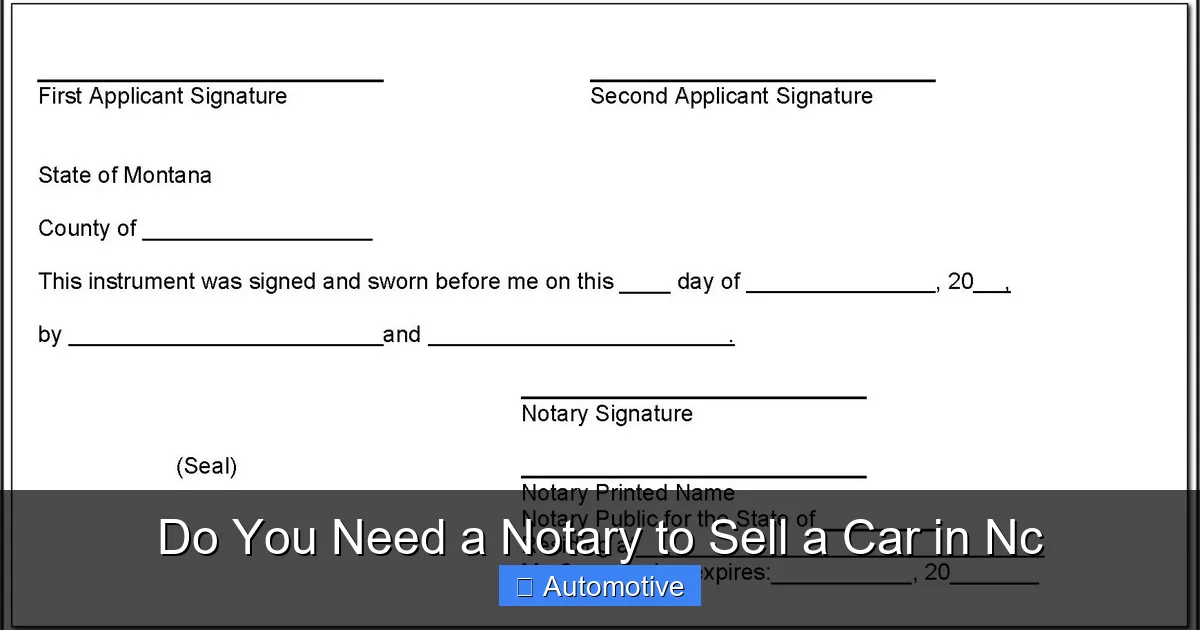
Visual guide about Do You Need a Notary to Sell a Car in Nc
Image source: contrapositionmagazine.com
If you’ve decided to use a notary for your car sale, the next step is finding one. Fortunately, notaries are widely available in North Carolina, and the process is usually quick and affordable.
Where to Find a Notary
Notaries can be found in many places, including:
– Banks and credit unions (often free for customers)
– UPS Stores and FedEx Office locations
– Law offices
– Public libraries
– Some government offices
Many banks offer notary services to their customers at no charge. If you have a checking or savings account, call your local branch to see if they provide this service. Even if you’re not a customer, some banks will notarize documents for a small fee.
UPS Stores and FedEx Office locations are also convenient options. They typically charge around $5–$10 per signature, and you don’t need an appointment. Just bring your documents and a valid ID.
What to Bring to the Notary
When you go to the notary, make sure you have:
– The document(s) to be notarized (e.g., bill of sale, odometer statement)
– A valid government-issued photo ID (driver’s license, passport, state ID)
– The other party (buyer or seller), if both signatures need to be notarized
The notary will verify your identity, watch you sign the document, and then apply their official seal and signature. They may also ask you to confirm that you understand the document and are signing it willingly.
Cost of Notarization
In North Carolina, notaries can charge up to $5 per signature, as set by state law. Most charge the maximum, but some may offer discounts for multiple signatures or bundle services.
For a typical car sale, you might need two notarized signatures: one from the seller on the bill of sale and one on the odometer statement. That would cost around $10 total. Compared to the value of the car, this is a small price to pay for added security.
Online Notarization Options
North Carolina allows remote online notarization (RON), which means you can have documents notarized over video call. This is especially useful if you or the buyer lives far away.
To use RON, you’ll need to find a notary who offers online services. Many platforms, like Notarize or DocuSign Notary, connect you with licensed notaries. You’ll need a smartphone or computer with a camera and internet access.
The process is similar to in-person notarization: the notary verifies your ID, watches you sign electronically, and applies their digital seal. The document is then legally valid, just like a paper version.
Selling to a Dealership vs. Private Sale
The need for notarization can vary depending on whether you’re selling to a dealership or a private buyer.
Selling to a Dealership
When you trade in or sell your car to a dealership, they typically handle most of the paperwork, including title transfer and registration. Dealerships often have notaries on staff or work with local notaries to ensure documents are properly executed.
In this case, you may not need to find a notary yourself. The dealership will guide you through the process and may notarize any required documents as part of the transaction.
However, it’s still a good idea to review all documents before signing and ask questions if something isn’t clear. Even though the dealership is handling the paperwork, you’re still responsible for ensuring the information is accurate.
Private Sale
In a private sale, you and the buyer are responsible for all documentation. This means you’ll need to coordinate the title transfer, bill of sale, and any notarization.
Since there’s no intermediary, the risk of errors or disputes is higher. That’s why notarization is even more valuable in private sales. It ensures that both parties are on the same page and that the transaction is documented properly.
For example, if you’re selling your car to a friend or family member, you might be tempted to skip the formalities. But even in personal transactions, notarization can prevent misunderstandings and protect your relationship.
Common Mistakes to Avoid
Even with the best intentions, sellers often make mistakes that can delay the process or cause legal issues. Here are some common pitfalls to avoid:
Skipping the Bill of Sale
Some sellers assume the title is enough, but a bill of sale provides important details about the transaction. Always create one, even if it’s not required.
Not Checking the Buyer’s ID
Always verify the buyer’s identity before handing over the car. A notary can help with this, but it’s also a good practice to do your own check.
Forgetting the Odometer Disclosure
If your car is under 10 years old, you must provide an odometer disclosure. Failing to do so can result in fines and registration delays.
Not Removing License Plates
In North Carolina, license plates stay with the seller, not the vehicle. Make sure to remove them before handing over the car.
Ignoring “As-Is” Disclosures
If you’re selling the car “as-is,” clearly state that in the bill of sale. This protects you from future claims about the vehicle’s condition.
Conclusion
So, do you need a notary to sell a car in NC? The answer is: not always, but often yes—especially for peace of mind and legal protection. While North Carolina law doesn’t require notarization for title transfers, having key documents like the bill of sale and odometer statement notarized adds credibility, prevents fraud, and speeds up the registration process.
Whether you’re selling to a private buyer or trading in at a dealership, taking the extra step to use a notary is a smart move. It’s a small investment that can save you from big headaches down the road. From verifying identities to preventing disputes, notarization ensures your car sale is smooth, secure, and legally sound.
Remember, selling a car isn’t just about handing over the keys—it’s about completing the transaction the right way. By understanding when and why to use a notary, you’re not just following the rules; you’re protecting yourself, your buyer, and your vehicle’s legacy.
Frequently Asked Questions
Do I need a notary to sell a car in North Carolina?
No, notarization is not legally required for the title transfer in North Carolina. However, it is recommended for documents like the bill of sale and odometer disclosure to add legal protection and prevent fraud.
Can I sell my car without a bill of sale in NC?
Yes, North Carolina does not require a bill of sale for private car sales. However, it is highly recommended as proof of the transaction and can help resolve disputes.
Is an odometer disclosure required when selling a car in NC?
Yes, federal law requires an odometer disclosure for vehicles under 10 years old. While notarization is not mandatory, it adds credibility to the mileage statement.
Can a notary refuse to notarize my car sale documents?
Yes, a notary can refuse if they cannot verify your identity, if you appear to be under duress, or if the document is incomplete or suspicious. Always bring valid ID and complete forms.
How much does it cost to notarize car sale documents in NC?
Notaries in North Carolina can charge up to $5 per signature. Most charge this amount, so expect to pay around $10 for two signatures, such as on a bill of sale and odometer statement.
Can I use online notarization for a car sale in North Carolina?
Yes, North Carolina allows remote online notarization (RON). You can have documents notarized via video call using platforms like Notarize or DocuSign Notary, as long as the notary is licensed in NC.