
Do You Have to Have a Notary to Sell a Car

Selling a car doesn’t always require a notary, but it depends on your state’s laws. Some states mandate notarization for title transfers, while others only recommend it for added security. Understanding local requirements helps prevent delays and legal issues.
Key Takeaways
- Notarization is state-dependent: Some states require a notary for car title transfers, while others do not.
- It adds legal protection: A notary verifies identities and prevents fraud, making the sale more secure.
- Private sales vs. dealerships: Dealerships often handle paperwork internally, but private sellers may need a notary.
- Out-of-state sales may have different rules: If selling across state lines, both states’ laws may apply.
- Bill of sale can be notarized: Even if not required, notarizing a bill of sale strengthens the transaction’s legitimacy.
- Check with your DMV: Always verify current requirements with your local Department of Motor Vehicles.
- Mobile notaries offer convenience: Many notaries will come to you, especially useful for busy sellers.
📑 Table of Contents
- Do You Have to Have a Notary to Sell a Car?
- What Is a Notary and Why Do They Matter in Car Sales?
- State-by-State Breakdown: When Is a Notary Required?
- Private Sale vs. Selling to a Dealership: Does It Make a Difference?
- What Documents Need to Be Notarized?
- How to Find and Use a Notary When Selling Your Car
- Common Mistakes to Avoid When Selling a Car
- Conclusion: Is a Notary Worth It?
Do You Have to Have a Notary to Sell a Car?
So, you’ve decided to sell your car. Maybe you’re upgrading to a newer model, downsizing, or just ready for a change. Whatever the reason, one of the first questions that pops up is: *Do I need a notary to sell my car?* It’s a fair question—after all, you want the sale to go smoothly, legally, and without any hiccups down the road.
The short answer? It depends—mostly on where you live. Every state in the U.S. has its own rules about car sales, title transfers, and notarization. In some states, a notary is required by law. In others, it’s optional but highly recommended. And in a few, you might not need one at all. But even if it’s not mandatory, using a notary can save you from headaches like title disputes, fraud, or rejected paperwork at the DMV.
Let’s break it down so you know exactly what to expect—and how to protect yourself during the sale.
What Is a Notary and Why Do They Matter in Car Sales?
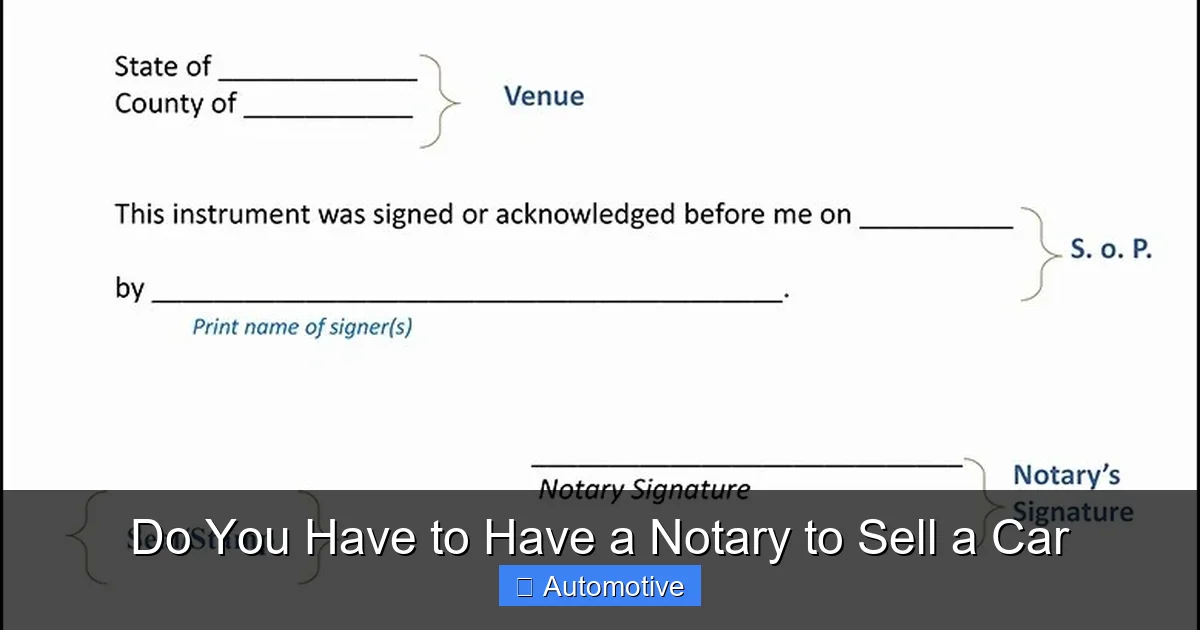
Visual guide about Do You Have to Have a Notary to Sell a Car
Image source: peterainsworth.com
Before we dive into state laws, let’s clarify what a notary actually does. A notary public is a state-appointed official whose job is to witness the signing of important documents and verify the identities of the people involved. They don’t give legal advice, but they do ensure that signatures are genuine and that no one is being forced to sign under duress.
When it comes to selling a car, the notary typically witnesses the seller signing the vehicle title—the legal document that proves ownership. Once notarized, the title transfer becomes more credible and harder to dispute.
But why does this matter? Imagine this scenario: You sell your car to someone, sign over the title, and think everything is done. A few weeks later, the buyer claims they never received the title or that your signature was forged. Without a notary, it’s your word against theirs. But with a notarized signature, there’s an official record that you signed willingly and in front of a neutral third party.
That’s why even in states where notarization isn’t required, many sellers and buyers choose to use one—it’s like an insurance policy for your transaction.
State-by-State Breakdown: When Is a Notary Required?
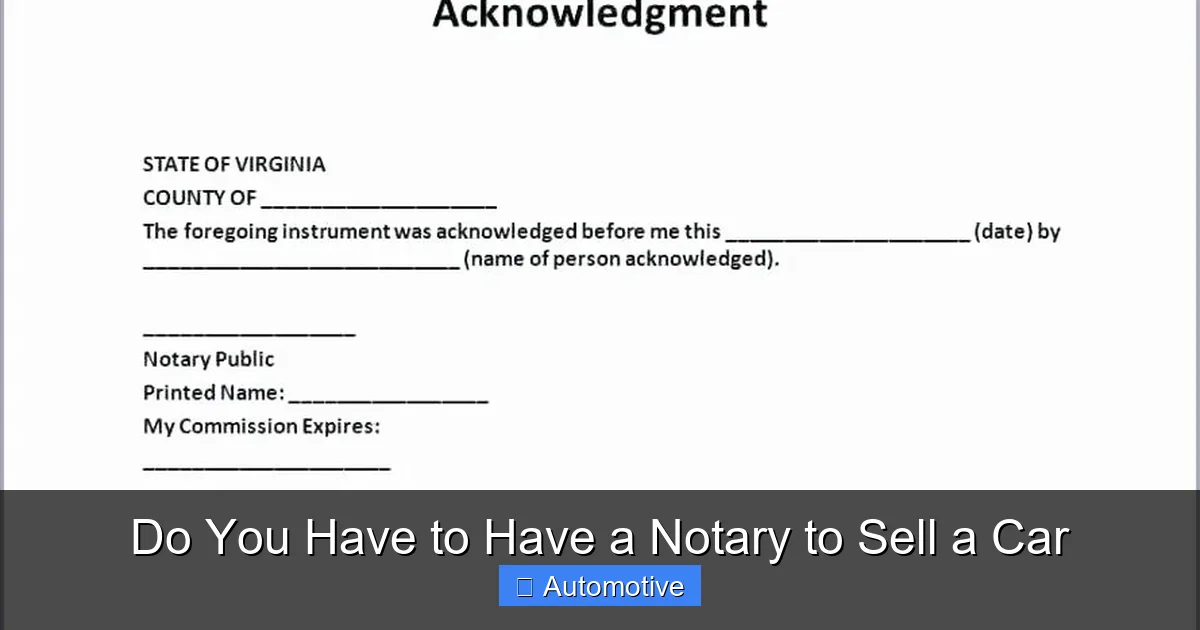
Visual guide about Do You Have to Have a Notary to Sell a Car
Image source: peterainsworth.com
This is where things get detailed—and important. Since each state sets its own rules, we’ll go over the most common scenarios and highlight key states to give you a clear picture.
States That Require Notarization
In several states, notarization is not just recommended—it’s mandatory for a valid title transfer. If you’re selling a car in one of these states, skipping the notary could mean your paperwork gets rejected at the DMV.
– **California:** Notarization is required for all private vehicle title transfers. The seller must sign the title in front of a notary.
– **Texas:** A notary is required when transferring a title, especially if the vehicle is over 10 years old or if the seller is signing over the title to someone else.
– **Florida:** Notarization is required for most title transfers, including private sales.
– **New York:** While not always required, notarization is strongly recommended and often needed if the title is signed by someone other than the registered owner (like a family member with power of attorney).
– **Illinois:** Notarization is required for title transfers involving out-of-state buyers or certain types of ownership changes.
If you’re in one of these states, don’t skip the notary. It’s not just a formality—it’s the law.
States That Don’t Require Notarization (But Recommend It)
In many other states, notarization isn’t legally required, but it’s still a smart move. These states often allow the DMV to process title transfers without a notary, but they may ask for one if there are red flags—like a signature that looks suspicious or a title that’s been altered.
– **Arizona:** Not required, but recommended for private sales.
– **Colorado:** Not mandatory, but a notarized bill of sale adds credibility.
– **Georgia:** Not required, but helpful if the buyer is registering the car in another state.
– **Michigan:** Not required, but the DMV may request it if there are questions about the transfer.
– **North Carolina:** Not required, but a notarized bill of sale is often used to prove the sale occurred.
Even in these states, getting a notary can prevent delays. For example, if the buyer moves to a state that *does* require notarization, they might have trouble registering the car without it.
States with Unique Rules
A few states have special conditions that affect notarization:
– **Alaska:** Not required, but if the title is signed by someone other than the owner (like a spouse or agent), notarization may be needed.
– **Hawaii:** Not required for most transfers, but recommended for high-value vehicles or out-of-state sales.
– **Louisiana:** As a civil law state, it has different documentation rules. Notarization is often used for authenticity, especially in private sales.
The bottom line? Always check your state’s DMV website or call them directly. Laws can change, and what was true last year might not apply today.
Private Sale vs. Selling to a Dealership: Does It Make a Difference?
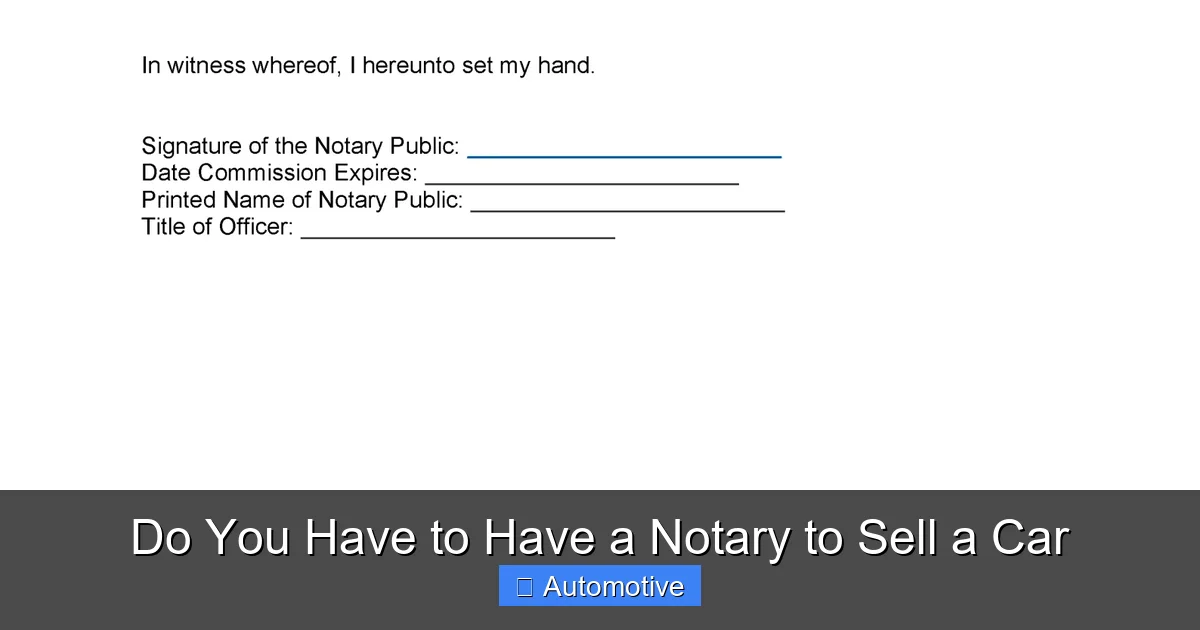
Visual guide about Do You Have to Have a Notary to Sell a Car
Image source: esign.com
Now, let’s talk about who you’re selling to. Are you selling privately to another individual, or are you trading in or selling directly to a dealership? The answer can affect whether you need a notary.
Selling Privately
When you sell your car to another person—say, a friend, neighbor, or someone you met online—you’re responsible for handling the paperwork. That includes signing over the title, providing a bill of sale, and sometimes completing a release of liability form.
In this case, notarization becomes more important because there’s no third party (like a dealership) to verify the transaction. If something goes wrong—like the buyer doesn’t register the car or claims they never got the title—you could still be held liable for parking tickets, tolls, or even accidents.
A notarized title transfer helps protect you by proving the sale was legitimate and completed properly.
Selling to a Dealership
If you’re selling your car to a dealership—either as a trade-in or a direct sale—the process is usually simpler. Dealerships are used to handling title transfers and often have in-house notaries or work with title clerks who manage the paperwork.
In most cases, you won’t need to find a notary yourself. The dealership will take care of it as part of the sale process. They’ll verify your identity, witness your signature, and submit the paperwork to the DMV.
However, it’s still a good idea to ask whether the title transfer will be notarized—especially if you’re selling a high-value vehicle or if you’re concerned about liability.
What Documents Need to Be Notarized?
Not every document in a car sale needs to be notarized, but some are more important than others. Here’s a breakdown of what typically requires—or benefits from—notarization.
The Vehicle Title
This is the big one. The title is the legal document that proves ownership. When you sell your car, you must sign the title over to the buyer. In states that require notarization, this signature must be witnessed by a notary.
Even in states that don’t require it, having the title notarized adds a layer of protection. It proves that you signed the document voluntarily and that your identity was verified.
The Bill of Sale
A bill of sale is a written agreement that outlines the terms of the sale—like the sale price, vehicle details, and date of transfer. While not always required, it’s a good practice to have one.
In some states, a notarized bill of sale is recommended or required, especially for high-value vehicles or out-of-state sales. It helps prevent disputes over the sale price or condition of the car.
For example, if the buyer claims they paid $10,000 but you only received $8,000, a notarized bill of sale with both signatures can clear up the confusion.
Power of Attorney (If Applicable)
If someone else is signing the title on your behalf—like a spouse, family member, or legal representative—you may need a power of attorney (POA) document. This document gives them the legal right to act for you.
In many cases, the POA itself must be notarized to be valid. Without it, the DMV may reject the title transfer.
Odometer Disclosure Statement
Federal law requires sellers to disclose the vehicle’s mileage at the time of sale. This is usually done on the title or a separate form.
While notarization isn’t typically required for this, having it notarized can help prove that the disclosure was made honestly and accurately.
How to Find and Use a Notary When Selling Your Car
Okay, so you’ve decided you need a notary—or at least want one for peace of mind. How do you find one, and what should you expect?
Where to Find a Notary
Notaries are more common than you might think. Here are some places to look:
– **Banks and Credit Unions:** Most banks offer notary services to customers, and some will serve non-customers for a small fee.
– **UPS Stores and Postal Services:** Many UPS Store locations have notaries on staff.
– **Law Offices:** Lawyers often have notaries, especially if they handle real estate or estate planning.
– **Mobile Notaries:** These are notaries who come to you—your home, office, or even the car sale location. They’re convenient but may charge a travel fee.
– **Online Notary Services:** In some states, you can use remote online notarization (RON), where you sign documents via video call. This is especially useful if you’re selling to someone in another state.
What to Bring to the Notary
When you meet with a notary, be prepared. They’ll need to verify your identity, so bring:
– A valid government-issued photo ID (like a driver’s license or passport)
– The vehicle title (unsigned until the notary is present)
– The bill of sale (if you’re having it notarized)
– The buyer’s information (if they’re present)
The notary will check your ID, confirm you’re signing willingly, and then stamp and sign the document. The whole process usually takes just a few minutes.
Cost of Notarization
Notary fees vary by state and provider. In most places, it’s between $5 and $15 per signature. Some banks offer free notary services to customers, while mobile notaries may charge $25–$50 depending on location and travel time.
It’s a small price to pay for the legal protection and peace of mind it provides.
Common Mistakes to Avoid When Selling a Car
Even with a notary, things can go wrong if you’re not careful. Here are some common pitfalls and how to avoid them.
Not Checking State Requirements
Assuming all states have the same rules is a big mistake. Always verify your state’s notarization requirements before finalizing the sale.
Signing the Title Incorrectly
Make sure you fill out the title correctly. Common errors include:
– Signing in the wrong section
– Forgetting to include the sale price
– Not dating the signature
A notary won’t correct these mistakes—they only verify your identity and witness the signature. So double-check everything before you sign.
Not Getting a Bill of Sale
Even if it’s not required, a bill of sale protects both you and the buyer. Include:
– Vehicle make, model, year, and VIN
– Sale price
– Date of sale
– Names and addresses of both parties
– Odometer reading
Failing to Notify the DMV
In most states, you must file a release of liability form after selling your car. This tells the DMV you’re no longer responsible for the vehicle. If you don’t, you could still get tickets or fines.
Not Keeping Copies
Always keep copies of the signed title, bill of sale, and any other documents. You may need them if there’s a dispute later.
Conclusion: Is a Notary Worth It?
So, do you have to have a notary to sell a car? The answer is: it depends on your state, but it’s almost always a good idea.
In states where it’s required, there’s no choice—you need one. In others, it’s optional, but the benefits far outweigh the small cost and time investment. A notary adds legitimacy, prevents fraud, and protects you from future liability.
Whether you’re selling privately or to a dealership, taking the extra step to get documents notarized shows you’re serious about doing things the right way. It’s a simple move that can save you from major headaches down the road.
Before you finalize your car sale, take a few minutes to check your state’s DMV website or call them directly. Confirm the notarization requirements, gather your documents, and find a notary near you. It’s a small step that makes a big difference in ensuring a smooth, legal, and stress-free transaction.
Selling a car doesn’t have to be complicated. With the right preparation—and yes, sometimes a notary—you can hand over the keys with confidence, knowing everything is done correctly.
Frequently Asked Questions
Do all states require a notary to sell a car?
No, not all states require a notary. Some, like California and Texas, mandate notarization for title transfers, while others, like Arizona and Colorado, do not but recommend it for added security.
Can I sell my car without a notary if my state doesn’t require it?
Yes, you can legally sell your car without a notary in states that don’t require it. However, using a notary is still wise to prevent fraud and protect yourself from future liability.
What happens if I don’t notarize the title in a state that requires it?
If notarization is required and you skip it, the DMV will likely reject the title transfer. This can delay the buyer’s registration and create legal complications for both parties.
Can a family member notarize my car sale?
No, a notary must be impartial. A family member cannot notarize a document they have a personal interest in, including a car sale involving a relative.
Is a notarized bill of sale required?
It depends on the state. Some states require a notarized bill of sale, especially for high-value vehicles or out-of-state sales. Even when not required, it’s a good practice for proof of transaction.
Can I use an online notary to sell my car?
Yes, in states that allow remote online notarization (RON), you can complete the process via video call. Check your state’s rules to see if this option is available.
