Do I Keep License Plates When I Sell Car in California
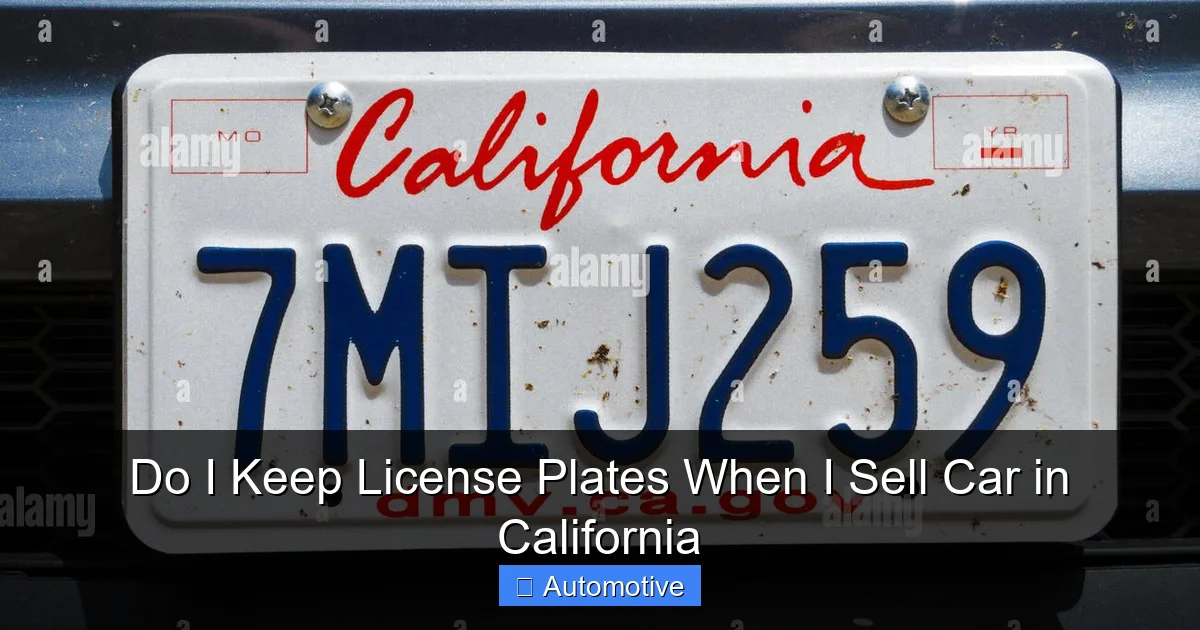
In California, you generally keep your license plates when selling a car, but there are important exceptions and steps to follow. Understanding DMV rules helps avoid fines, registration issues, or liability after the sale.
In This Article
- 1 Key Takeaways
- 2 📑 Table of Contents
- 3 Do I Keep License Plates When I Sell a Car in California?
- 4 California Law: Who Keeps the License Plates?
- 5 Step-by-Step: What to Do When Selling Your Car
- 6 What Happens to the Buyer’s Registration?
- 7 Special Cases: Leased, Financed, and Commercial Vehicles
- 8 Personalized and Specialty Plates: What You Need to Know
- 8.1 Keeping Your Custom Plates
- 8.2 What If You Don’t Want the Plates? If you no longer want your personalized plates, you can surrender them to the DMV. However, once surrendered, they cannot be recovered—even if you change your mind. Alternatively, you can sell or give them to someone else, but the recipient must apply to transfer them to their own vehicle, and the DMV must approve the transfer. Common Mistakes to Avoid Even experienced sellers make mistakes when it comes to license plates. Here are some common pitfalls—and how to avoid them. Leaving Plates on the Car
- 8.3 Not Filing the Release of Liability
- 8.4 Forgetting to Cancel Insurance
- 8.5 Not Keeping Records
- 9 Frequently Asked Questions from California Sellers
- 10 Final Thoughts: Protect Yourself When Selling
- 11 Frequently Asked Questions
- 11.1 Do I have to return my license plates to the DMV when I sell my car in California?
- 11.2 Can the buyer use my license plates after I sell the car?
- 11.3 What happens if I leave my license plates on the car when I sell it?
- 11.4 How soon do I need to notify the DMV after selling my car?
- 11.5 Can I transfer my personalized plates to the new owner?
- 11.6 What should I do with my license plates after removing them from the sold car?
Key Takeaways
- You keep your plates in most cases: California law allows sellers to retain license plates unless the vehicle is a commercial truck or part of a fleet.
- Remove plates before handing over the car: Always take your plates off the vehicle before the buyer drives away to avoid future liability.
- Notify the DMV within 5 days: File a Notice of Transfer and Release of Liability online to protect yourself from tickets or tolls after the sale.
- Buyer must register the car in their name: The new owner is responsible for registering the vehicle and getting new plates if needed.
- Special rules for leased or financed vehicles: If the car is leased or still under loan, the leasing company or lender may require you to return the plates.
- Personalized or specialty plates stay with you: Custom plates are yours to keep and can be transferred to another vehicle you own.
- Failure to remove plates can lead to problems: Leaving plates on the car may result in the buyer using your registration, leading to fines or legal issues.
📑 Table of Contents
- Do I Keep License Plates When I Sell a Car in California?
- California Law: Who Keeps the License Plates?
- Step-by-Step: What to Do When Selling Your Car
- What Happens to the Buyer’s Registration?
- Special Cases: Leased, Financed, and Commercial Vehicles
- Personalized and Specialty Plates: What You Need to Know
- Common Mistakes to Avoid
- Frequently Asked Questions from California Sellers
- Final Thoughts: Protect Yourself When Selling
Do I Keep License Plates When I Sell a Car in California?
Selling a car in California can be exciting—especially when you’re upgrading to something newer, more efficient, or just different. But amid the paperwork, negotiations, and test drives, one question often slips through the cracks: “Do I keep my license plates when I sell my car?”
The short answer? Yes, in most cases, you do keep your license plates. But like most things involving the California Department of Motor Vehicles (DMV), there are nuances, exceptions, and important steps you shouldn’t skip. Getting this wrong could lead to fines, registration headaches, or even liability for traffic violations committed by the new owner.
This guide will walk you through everything you need to know about license plates when selling a car in California. From legal requirements to practical tips, we’ll cover the process step by step—so you can sell your vehicle with confidence and peace of mind.
California Law: Who Keeps the License Plates?
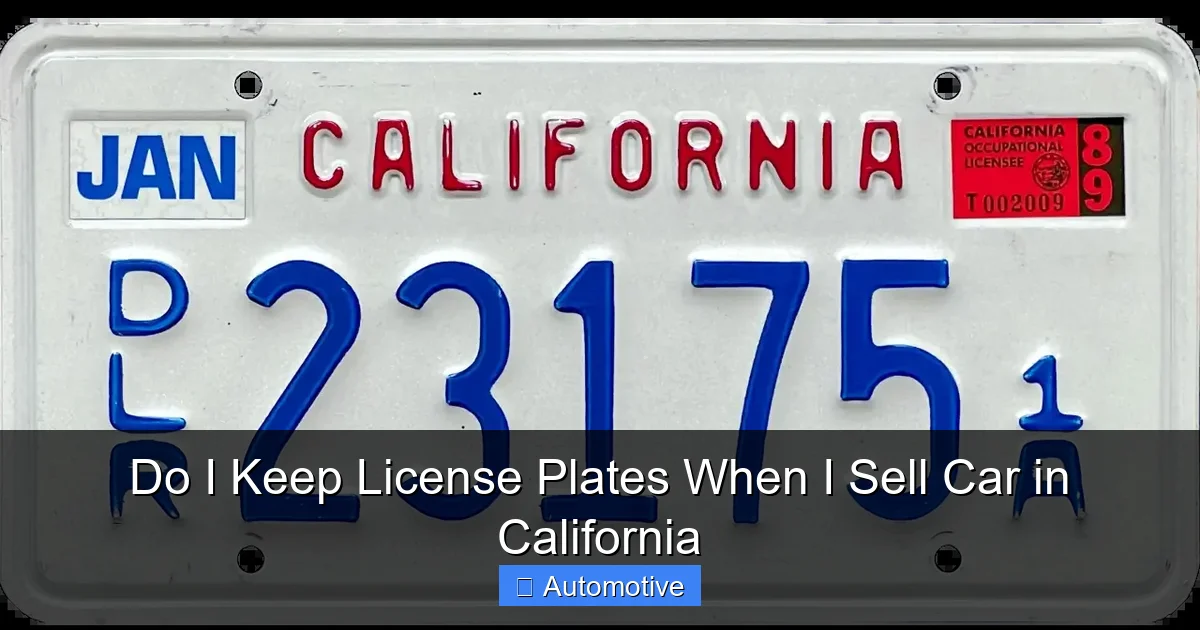
Visual guide about Do I Keep License Plates When I Sell Car in California
Image source: californiadealeracademy.com
In California, license plates are considered the property of the vehicle’s registered owner—not the car itself. This means that when you sell your vehicle, the plates typically stay with you, the seller. The buyer does not automatically inherit your plates, and they cannot legally drive the car using your registration.
This rule is outlined in the California Vehicle Code (CVC) and enforced by the DMV. The logic is simple: plates are tied to the owner, not the vehicle. So even if the car changes hands, your plates remain yours unless you choose to transfer them (which is rare and usually not recommended).
Exceptions to the Rule
While most private vehicle sales allow you to keep your plates, there are a few important exceptions:
– Commercial vehicles: If you’re selling a commercial truck, delivery van, or vehicle used for business purposes (especially those registered under a company name), the rules may differ. Some commercial plates must be surrendered or transferred depending on the business structure.
– Fleet vehicles: If the car is part of a fleet (e.g., rental cars, company cars), the plates often remain with the fleet operator, not the individual seller.
– Leased vehicles: If you’re returning a leased car to the dealership, the leasing company may require you to return the plates as part of the contract.
– Vehicles with outstanding liens: If there’s still a loan on the car, the lender may have specific instructions about the plates, especially if the sale involves a payoff.
For the average person selling a personal car—like a sedan, SUV, or pickup truck—you’ll almost always keep your plates.
Why You Should Keep Your Plates
Keeping your plates isn’t just allowed—it’s smart. Here’s why:
– Avoid liability: If the buyer leaves your plates on the car and gets a speeding ticket, runs a red light, or racks up toll charges, those violations could be tied to your registration. By removing the plates, you break that link.
– Reuse or transfer them: You can use your existing plates on a new vehicle you purchase, saving time and money. This is especially useful if you have personalized or specialty plates.
– Prevent misuse: Without plates, the buyer can’t legally drive the car on public roads until they register it. This gives you peace of mind knowing the vehicle isn’t being used improperly under your name.
Step-by-Step: What to Do When Selling Your Car
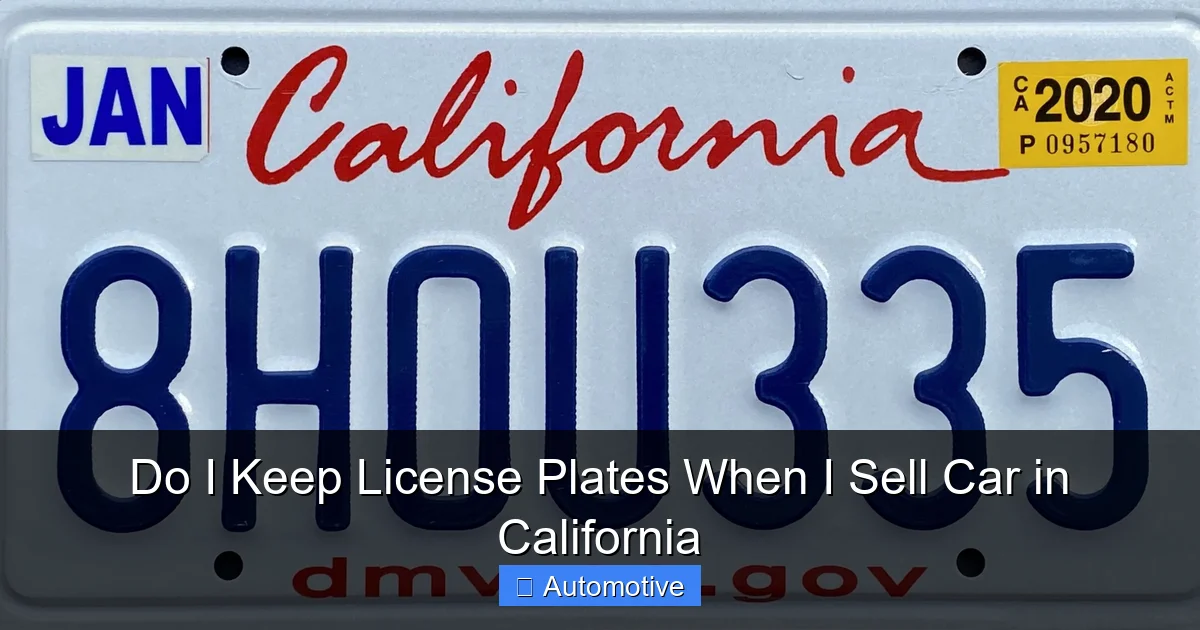
Visual guide about Do I Keep License Plates When I Sell Car in California
Image source: jeffsplates.ca
Selling a car involves more than just handing over the keys. To protect yourself and ensure a smooth transfer, follow these steps—especially when it comes to license plates.
1. Remove the License Plates Before the Sale
This is the most important step. Before the buyer drives away, physically remove both the front and rear license plates from the vehicle. Use a screwdriver or plate removal tool, and keep the plates with you.
Don’t assume the buyer will do it—many don’t know the rules. And don’t leave them on “just in case.” Once the car leaves your possession, you lose control.
Pro tip: Take a photo of the car without plates as proof that you removed them at the time of sale. This can be useful if any disputes arise later.
2. Complete the Bill of Sale
California requires a bill of sale for private vehicle transactions. This document should include:
– Seller and buyer names and addresses
– Vehicle identification number (VIN)
– Sale price
– Date of sale
– Odometer reading
– Signatures of both parties
You can use the DMV’s official Form REG 135 or create your own. Keep a copy for your records.
3. Notify the DMV Within 5 Days
Within five days of selling your car, you must file a Notice of Transfer and Release of Liability with the DMV. This can be done online at the DMV website, by mail, or in person.
This form tells the DMV that you’re no longer responsible for the vehicle. It protects you from future tickets, tolls, or registration fees.
Important: Filing this notice does not cancel your registration or plates—it only releases your liability for the vehicle after the sale date.
4. Cancel or Transfer Your Insurance
Once the car is sold, contact your insurance company to cancel coverage or transfer it to your new vehicle. Don’t wait—driving without insurance is illegal, and you don’t want to pay for a car you no longer own.
If you’re buying a new car, make sure the new policy is active before driving it off the lot.
5. Handle the Title Transfer
The buyer is responsible for registering the car in their name and paying use tax. However, you must sign the title over to them. Make sure the buyer completes the transfer within 10 days to avoid penalties.
If the title is lost, you’ll need to apply for a duplicate before the sale.
What Happens to the Buyer’s Registration?
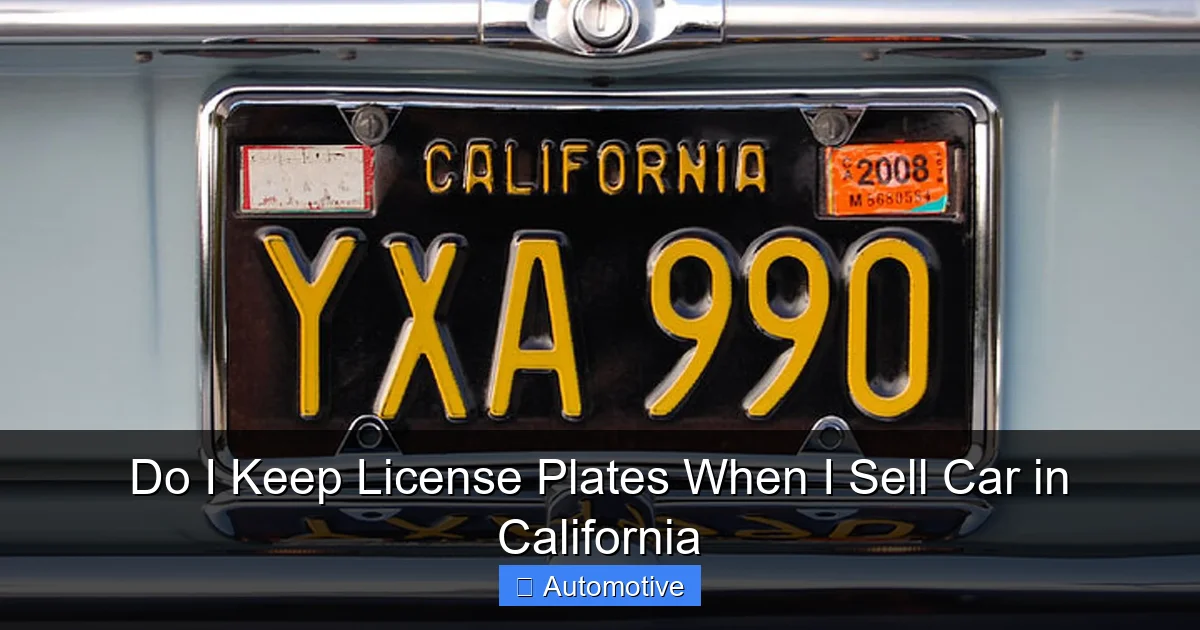
Visual guide about Do I Keep License Plates When I Sell Car in California
Image source: cdn.motor1.com
After the sale, the buyer must register the vehicle in their name. Here’s what that process looks like:
Getting New License Plates
The buyer will need to visit a DMV office or complete the process online (if eligible) to register the car. During registration, they’ll be issued new license plates unless they choose to transfer existing ones from another vehicle they own.
California does not allow buyers to use the seller’s plates—even temporarily. The vehicle must have valid, current plates to be driven legally.
Smog Check and Documentation
In most cases, the buyer will need a smog check certificate (unless the vehicle is less than four years old or meets other exemptions). They’ll also need:
– The signed title
– Bill of sale
– Proof of insurance
– Valid ID
– Payment for registration fees and use tax
Can the Buyer Use My Plates?
No. The buyer cannot legally use your plates, even if they’re still valid. Plates are non-transferable between owners. If the buyer tries to drive with your plates, they could be cited for registration violations.
The only exception is if you’re transferring plates to another vehicle you own—not to a new owner.
Special Cases: Leased, Financed, and Commercial Vehicles
Not all car sales are the same. If your vehicle is leased, financed, or used for business, the rules around license plates may change.
Leased Vehicles
If you’re returning a leased car to the dealership, the leasing company typically handles the plates. You may be required to remove them and return them with the vehicle, or the dealer may do it for you.
Check your lease agreement for specific instructions. Some companies allow you to keep personalized plates, while others require all plates to be returned.
Financed Vehicles
If there’s still a loan on the car, the lender has a security interest in the vehicle. When you sell, the loan must be paid off first—either by you or through the sale proceeds.
Once the loan is satisfied, the lender will release their interest, and you can proceed with the sale. The plates remain yours unless the lender specifies otherwise (rare, but possible in some commercial loans).
Commercial and Fleet Vehicles
For businesses selling company vehicles, the rules can be more complex. Plates may be registered to the business entity, not an individual. In such cases, the business may retain the plates or transfer them to another company vehicle.
If you’re selling a commercial vehicle as an individual (e.g., a food truck or delivery van), consult the DMV or a legal advisor to ensure compliance.
Personalized and Specialty Plates: What You Need to Know
If you have personalized (vanity) plates or specialty plates (like environmental, military, or university-themed), you definitely want to keep them. These plates are custom-made and tied to you, not the vehicle.
Keeping Your Custom Plates
When you sell your car, remove your personalized plates and keep them. You can then transfer them to your next vehicle, provided you meet DMV requirements.
To transfer plates to a new car, you’ll need to:
– Submit a Plate Transfer Application (Form REG 135)
– Pay a small transfer fee (usually around $20)
– Ensure the new vehicle is registered in your name
This process can often be done online or at a DMV office.
What If You Don’t Want the Plates?
If you no longer want your personalized plates, you can surrender them to the DMV. However, once surrendered, they cannot be recovered—even if you change your mind.
Alternatively, you can sell or give them to someone else, but the recipient must apply to transfer them to their own vehicle, and the DMV must approve the transfer.
Common Mistakes to Avoid
Even experienced sellers make mistakes when it comes to license plates. Here are some common pitfalls—and how to avoid them.
Leaving Plates on the Car
This is the #1 mistake. Leaving your plates on the car gives the buyer a way to drive it illegally under your registration. If they get a ticket, you could be held responsible.
Solution: Always remove the plates before the sale is complete.
Not Filing the Release of Liability
Some sellers assume that signing over the title is enough. But without filing the Notice of Transfer and Release of Liability, you’re still on the hook for violations.
Solution: File the form online within 5 days of the sale.
Forgetting to Cancel Insurance
Continuing to insure a car you no longer own wastes money and creates unnecessary risk.
Solution: Contact your insurer the same day you sell the car.
Not Keeping Records
If a dispute arises—like a ticket sent to you months after the sale—you’ll need proof that you sold the car and removed the plates.
Solution: Keep copies of the bill of sale, release of liability confirmation, and photos of the car without plates.
Frequently Asked Questions from California Sellers
Many California drivers have the same questions when selling a car. Here are some of the most common:
Can I sell my car with the plates still on it?
Technically, you can, but it’s not recommended. The buyer cannot legally drive the car with your plates, and you risk liability for any violations. Always remove the plates before the sale.
What if the buyer wants to use my plates temporarily?
This is not allowed. Plates cannot be transferred to another owner, even for a short time. The buyer must register the car and get new plates.
Do I need to return my plates to the DMV?
No. You keep your plates unless you choose to surrender them. The DMV does not require you to return them after a sale.
Can I transfer my plates to the buyer?
No. Plates are non-transferable between owners. Only you can use them on another vehicle you own.
What if I lose my plates after removing them?
If you lose your plates, you can apply for replacements at the DMV for a fee. You’ll need to provide ID and proof of registration.
Do I need a smog check to sell my car?
Yes, in most cases. The seller must provide a valid smog check certificate that’s less than 90 days old, unless the vehicle is exempt (e.g., new cars under 4 years old).
Final Thoughts: Protect Yourself When Selling
Selling a car in California doesn’t have to be stressful—especially when it comes to license plates. By following the rules and taking a few simple steps, you can protect yourself from liability, avoid fines, and ensure a smooth transfer.
Remember: You keep your license plates when you sell a car in California. Remove them before the buyer drives away, file your release of liability, and keep good records. Whether you’re upgrading to a new ride or downsizing, handling the plate situation correctly is a small step that makes a big difference.
And if you have personalized plates? Hold onto them—they’re yours to keep, reuse, or even pass on. Just don’t leave them on the car.
With this guide, you’re ready to sell your vehicle the right way—legally, safely, and stress-free.
Frequently Asked Questions
Do I have to return my license plates to the DMV when I sell my car in California?
No, you do not have to return your license plates to the DMV when selling your car. In most cases, you keep them and can reuse them on another vehicle you own.
Can the buyer use my license plates after I sell the car?
No, the buyer cannot legally use your license plates. Plates are tied to the owner, not the vehicle, and cannot be transferred to a new owner.
What happens if I leave my license plates on the car when I sell it?
Leaving your plates on the car could result in the buyer driving illegally under your registration, potentially leading to fines or liability for traffic violations in your name.
How soon do I need to notify the DMV after selling my car?
You must file a Notice of Transfer and Release of Liability with the DMV within 5 days of the sale to protect yourself from future liability.
Can I transfer my personalized plates to the new owner?
No, personalized plates cannot be transferred to another person. Only the registered owner can use them on a vehicle they own.
What should I do with my license plates after removing them from the sold car?
You can keep them for future use on another vehicle, store them safely, or surrender them to the DMV if you no longer want them.