
Can I Sell My Car in Another State

Yes, you can sell your car in another state—but it’s not as simple as handing over the keys. You’ll need to handle title transfers, registration, taxes, and inspections according to both your home state and the buyer’s state rules. With the right preparation, selling across state lines can be safe, legal, and profitable.
Key Takeaways
- You can legally sell your car in another state as long as you follow both states’ motor vehicle laws and complete proper paperwork.
- Title transfer is essential—you must sign over the title correctly and provide a bill of sale to avoid future liability.
- Registration and plates stay with you in most cases; the buyer handles new registration in their home state.
- Emissions and safety inspections may be required by the buyer’s state before they can register the vehicle.
- Taxes and fees vary by state—some states collect sales tax at registration, while others don’t tax private sales.
- Selling online expands your market and increases chances of a higher sale price, especially for rare or well-maintained vehicles.
- Use secure payment methods like cashier’s checks or wire transfers to avoid scams when dealing with out-of-state buyers.
📑 Table of Contents
Can I Sell My Car in Another State?
Thinking about selling your car but want to reach buyers beyond your local area? You’re not alone. With online marketplaces like Facebook Marketplace, Craigslist, Autotrader, and Cars.com, it’s easier than ever to connect with interested buyers across the country. And yes—you absolutely can sell your car in another state. But while the idea sounds simple, the process involves several legal and logistical steps that vary depending on where you and the buyer live.
Selling a car across state lines isn’t just about finding a buyer and handing over the keys. You’ll need to navigate title transfers, registration rules, tax implications, and sometimes even vehicle inspections—all while ensuring the transaction is secure and legally binding. The good news? With proper planning and attention to detail, selling your car in another state can be a smooth, stress-free experience that puts more money in your pocket.
Whether you’re upgrading to a new vehicle, moving to a different state, or simply looking to get the best possible price for your current ride, understanding the ins and outs of interstate car sales is crucial. In this guide, we’ll walk you through everything you need to know—from preparing your vehicle and listing it online to finalizing the sale and protecting yourself from fraud.
Understanding the Legal Requirements
Visual guide about Can I Sell My Car in Another State
Image source: assets-global.website-files.com
When selling a car in another state, the first thing to understand is that each state has its own rules regarding vehicle sales, titles, and registration. What’s acceptable in California might not fly in Texas, and vice versa. That’s why it’s essential to research both your home state’s laws and the buyer’s state requirements before finalizing the deal.
Title Transfer: The Most Important Step
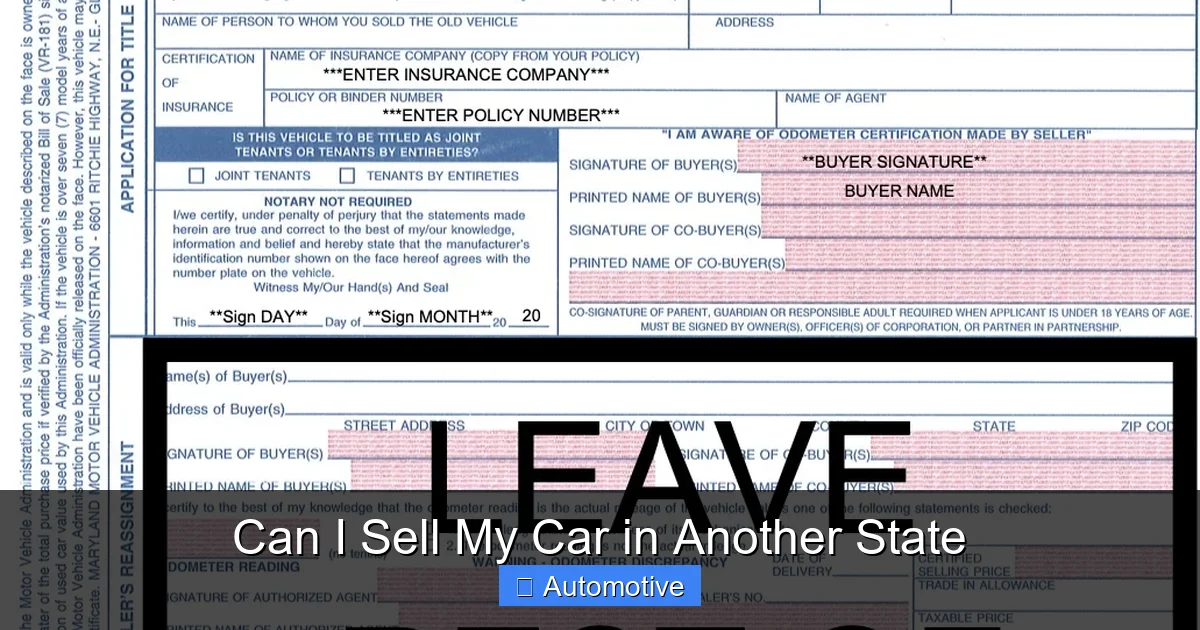
The cornerstone of any car sale is the title transfer. This legal document proves ownership and must be properly signed over to the buyer. In most states, you’ll need to:
– Sign the title in the designated seller section.
– Fill in the buyer’s name and address.
– Record the sale price and odometer reading.
– Provide a bill of sale (more on that below).
Some states require the title to be notarized, while others don’t. For example, in Arizona, notarization isn’t required, but in Indiana, it is. Always check your state’s Department of Motor Vehicles (DMV) website for specifics.
One common mistake sellers make is forgetting to remove their name from the title. If you don’t complete the transfer correctly, you could still be liable for parking tickets, tolls, or even accidents involving the vehicle after the sale. That’s why it’s critical to ensure the buyer registers the car in their name as soon as possible.
Bill of Sale: Your Protection
A bill of sale is a simple document that outlines the terms of the transaction. It typically includes:
– Seller and buyer names and addresses
– Vehicle make, model, year, and VIN
– Sale price
– Date of sale
– Odometer reading
– Signatures of both parties
While not always legally required, a bill of sale protects both you and the buyer. It serves as proof that the sale occurred and can help resolve disputes later. Many states provide free bill of sale templates online, or you can use a trusted third-party service.
Release of Liability
After the sale, you should file a release of liability with your state’s DMV. This form notifies the government that you’re no longer responsible for the vehicle. In states like California and Florida, this is a mandatory step. Failing to do so could leave you on the hook for fines or violations tied to the car after it’s sold.
Registration and License Plates
One of the most common questions sellers have is: “What happens to the license plates?” The answer depends on the state.
Plates Stay with the Seller (Usually)
In most states, license plates remain with the seller. That means you’ll keep your plates and can either transfer them to a new vehicle or surrender them to the DMV. The buyer will need to register the car in their home state and get new plates.
For example, in New York, plates are not transferred with the vehicle. The buyer must apply for new registration and plates. In contrast, some states like Michigan allow plate transfers under certain conditions, but this is rare in private sales.
Registration Is the Buyer’s Responsibility
Once the car is sold, the buyer is responsible for registering it in their state. This process typically involves:
– Providing the signed title
– Submitting a bill of sale
– Paying registration and title fees
– Passing any required inspections
As the seller, your job is to provide all necessary documents so the buyer can complete this process smoothly. Be sure to keep copies of everything you hand over.
Emissions and Safety Inspections
Some states require vehicles to pass emissions or safety inspections before they can be registered. If the buyer lives in one of these states, they may need to have the car inspected after purchase.
Which States Require Inspections?
States with mandatory emissions testing include California, Texas, New York, Illinois, and Pennsylvania. Safety inspections are required in states like Virginia, North Carolina, and New Hampshire.
If your car is older or has high mileage, it might not pass these tests. Be upfront with potential buyers about the vehicle’s condition. You can even offer to have it inspected before listing it to build trust and avoid last-minute dealbreakers.
What If the Car Fails Inspection?
If the buyer’s state requires an inspection and the car fails, they may back out of the deal or ask you to cover repair costs. To avoid this, consider getting a pre-sale inspection yourself. This shows buyers the car is in good shape and reduces the risk of disputes.
Taxes and Fees: What You Need to Know
Taxes can get tricky when selling a car across state lines. Here’s what to keep in mind.
Sales Tax on Private Car Sales
Most states do not collect sales tax on private vehicle sales. Instead, the buyer pays use tax when they register the car in their home state. For example, if you sell a car in Oregon (which has no sales tax) to a buyer in Washington, the buyer will pay Washington’s use tax when registering the vehicle.
However, a few states—like Texas and Florida—do impose a sales tax on private car sales. In Texas, for instance, the buyer pays a 6.25% motor vehicle sales tax based on the vehicle’s standard presumptive value (SPV), not necessarily the sale price.
Always check the tax rules in both states to avoid surprises.
Document Fees and Transfer Costs
While you won’t pay registration fees (that’s the buyer’s job), you may need to pay a small fee to process the title transfer or release of liability. These fees vary by state but are usually under $50.
Selling Online: Expanding Your Market
One of the biggest advantages of selling your car in another state is access to a larger pool of buyers. Local markets can be saturated, especially for common models. By listing your car online, you increase your chances of finding a buyer willing to pay a premium.
Where to List Your Car
Popular platforms for selling cars include:
– **Facebook Marketplace**: Great for local and regional buyers. Easy to use and free to list.
– **Craigslist**: Still widely used, especially in smaller cities. Be cautious of scams.
– **Autotrader and Cars.com**: Ideal for serious buyers. These sites attract people actively shopping for cars.
– **eBay Motors**: Allows nationwide listings and even shipping options for buyers.
When listing your car, include high-quality photos, a detailed description, and key specs like mileage, condition, and recent maintenance. Mention that you’re open to out-of-state buyers to attract more interest.
Handling Inquiries from Out-of-State Buyers
When a buyer from another state contacts you, be prepared to answer questions about the car’s history, condition, and paperwork. Offer to send additional photos or videos. If they’re serious, suggest a video call to walk them through the vehicle.
Be wary of buyers who want to send a check for more than the sale price and ask for a refund. This is a common scam. Only accept payment through secure methods.
Secure Payment and Finalizing the Sale
Once you’ve found a buyer, it’s time to close the deal—safely.
Accepting Payment
The safest ways to receive payment for a car sale include:
– **Cash**: Ideal for in-person transactions. Count it in front of the buyer.
– **Cashier’s Check**: Issued by a bank and harder to fake than personal checks. Verify it with the issuing bank before handing over the car.
– **Wire Transfer**: Secure and fast, but ensure the funds are fully cleared before transferring ownership.
Avoid personal checks, money orders from unknown sources, or payment apps like Venmo or Zelle for large amounts—these can be reversed or fraudulent.
Meeting the Buyer
If the buyer is coming from out of state, meet in a public, well-lit location like a DMV office or police station parking lot. Bring a friend for safety. Have all documents ready, including the signed title, bill of sale, and release of liability form.
If the buyer can’t come in person, they may ask to ship the car. In this case, use a reputable auto transport company and only release the title and keys after payment is confirmed.
After the Sale
Once the sale is complete:
– Notify your DMV with a release of liability form.
– Cancel your insurance on the vehicle (but keep coverage until the title is transferred).
– Keep copies of all documents for your records.
Common Mistakes to Avoid
Even experienced sellers make errors when selling across state lines. Here are some pitfalls to watch out for:
– **Incomplete title transfer**: Always sign the title correctly and provide a bill of sale.
– **Not filing a release of liability**: This protects you from future liability.
– **Accepting risky payment methods**: Stick to cash, cashier’s checks, or wire transfers.
– **Overlooking inspection requirements**: Know the buyer’s state rules to avoid surprises.
– **Poor communication**: Respond promptly to buyer questions and provide clear documentation.
Conclusion
Selling your car in another state is not only possible—it can be a smart financial move. By expanding your market, you increase your chances of getting a better price and finding the right buyer. However, it’s important to do your homework. Understand the legal requirements in both your state and the buyer’s, prepare all necessary documents, and use secure payment methods to protect yourself.
With careful planning and attention to detail, you can complete a smooth, legal, and profitable interstate car sale. Whether you’re upgrading, downsizing, or just ready for a change, selling your car across state lines opens up new opportunities. Just remember: the key to success is preparation, transparency, and safety.
Take the time to research, document everything, and communicate clearly with your buyer. That way, you’ll walk away from the sale with cash in hand and peace of mind—knowing you handled it the right way.
Frequently Asked Questions
Can I sell my car in another state if it’s still financed?
Yes, but you’ll need to pay off the loan first or arrange for the buyer to assume the financing. Most lenders won’t allow the title to be transferred until the loan is paid in full. Contact your lender to understand the process.
Do I need to provide a warranty when selling across state lines?
No, private car sales are typically “as-is,” meaning the buyer accepts the vehicle in its current condition. However, be honest about any known issues to avoid disputes or legal trouble.
What if the buyer’s state requires a smog check and my car fails?
If the car fails an emissions test in the buyer’s state, they may back out of the deal or ask you to cover repairs. To prevent this, consider getting a pre-sale inspection and addressing any issues beforehand.
Can I ship the car to the buyer?
Yes, many buyers hire auto transport companies to ship the vehicle. Only release the title and keys after payment is confirmed and cleared. Use a reputable shipping service with insurance.
Do I have to pay capital gains tax on the sale?
Generally, no. Personal vehicles are not subject to capital gains tax unless you’re selling it as part of a business. However, if you sell it for more than you paid, the IRS may consider it a personal gain, though it’s rarely taxed.
What documents should I keep after the sale?
Keep copies of the signed title, bill of sale, release of liability form, and any communication with the buyer. These records protect you in case of disputes or legal issues down the road.