
Continental True Contact vs Goodyear Assurance: Which Is Better?

As a former tire shop manager, I have mounted hundreds of these tires. In the battle of continental true contact vs goodyear assurance, the true winner depends on your local weather. The Continental TrueContact Tour is the best tire for wet roads and winter grip. The Goodyear Assurance MaxLife wins easily for pure dry road tread life.
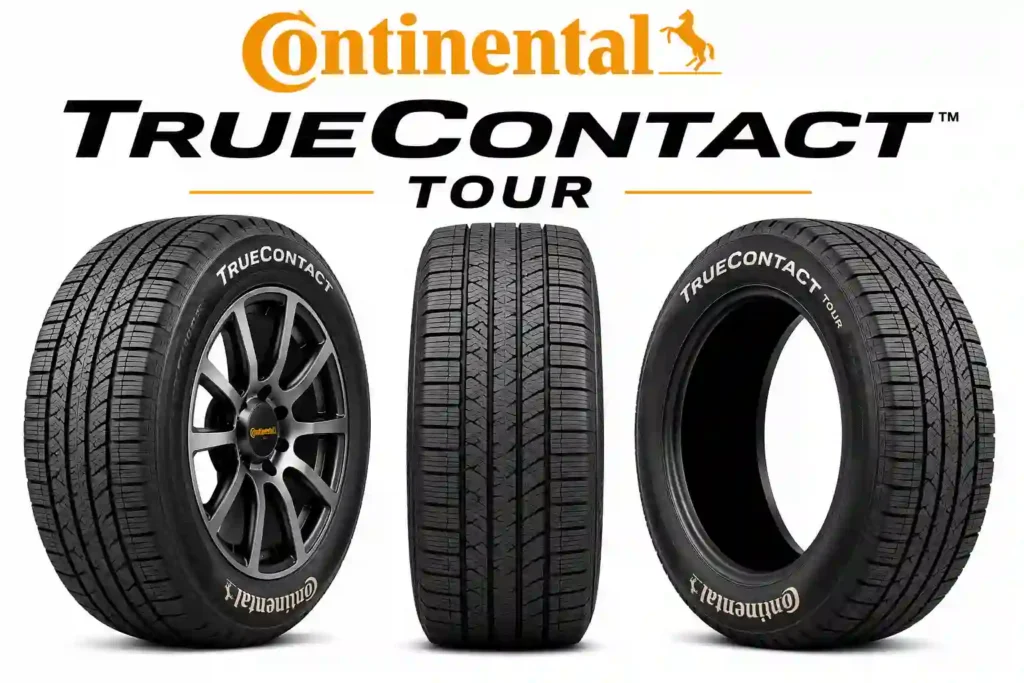
The Luxury Comfort Battle: Continental True Contact vs Goodyear Assurance
Picking the right touring tire is a huge deal. Your daily drive comfort depends entirely on this choice.
Why Touring Tires Matter
Touring tires are made for pure comfort and very long life. They do not corner like fast sports car tires. They just soak up bad bumps and run very quiet. Drivers love them for their smooth feel.
The Real World Needs
Most drivers just want a tire they can trust. You want to hit the brakes and stop fast. You also want the tire to last for years without wearing out. Finding that perfect balance is hard.
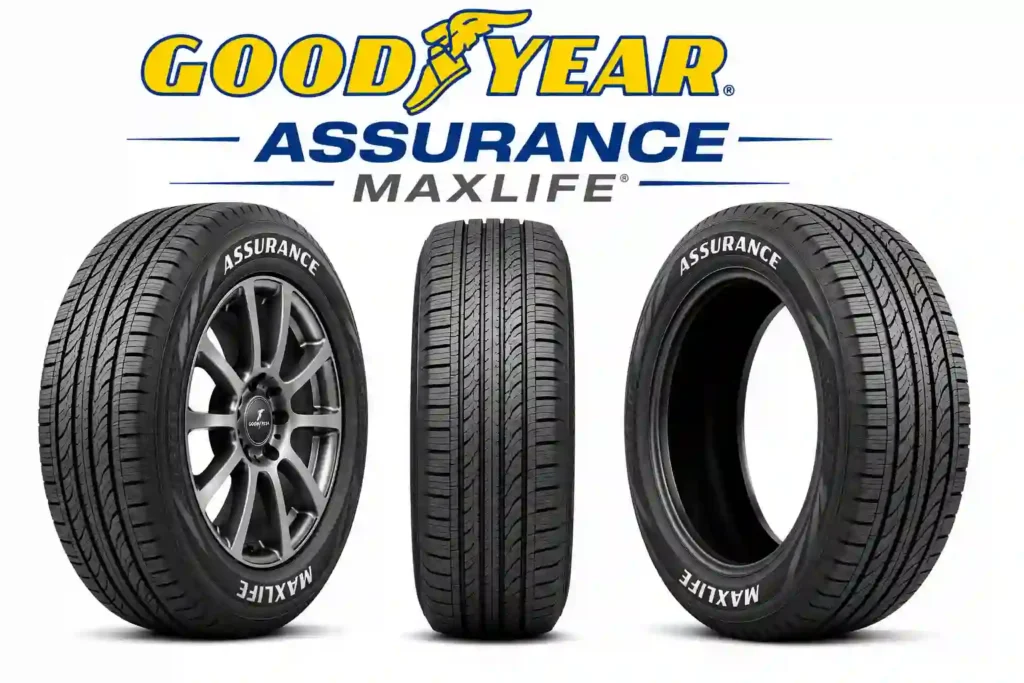
Quick Side-by-Side Spec Comparison
Let us look at the raw facts for both tires right now. These raw numbers show what each tire is built to do well.
Table 1: Spec Comparison Breakdown
| Feature | Continental TrueContact Tour | Goodyear Assurance MaxLife |
| Mileage Warranty | 80,000 Miles | 85,000 Miles |
| UTQG Wear Rating | 840 A A | 820 A B |
| Strongest Feature | Wet & Snow Grip | Extreme Tread Life |
| Weakest Feature | Slight Tread Noise | Wet Braking Distance |
The table above highlights the core differences between the two. The Goodyear offers a longer warranty for high mileage. The Continental offers better UTQG grades for heat temperature.
Complete Overview of Both Touring Tires
Each tire has a unique goal from the factory. Brands build them with very different drivers in mind.
The Continental Goal
The TrueContact uses soft rubber for maximum wet safety. It grips hard when the road is covered in deep water. It trades a tiny bit of total mileage to keep you super safe in the pouring rain.
The Goodyear Goal
The Assurance MaxLife is built like a heavy tank. It uses very stiff rubber to resist long-term wear. If you drive a ton of highway miles every single day, this tire will last you forever.
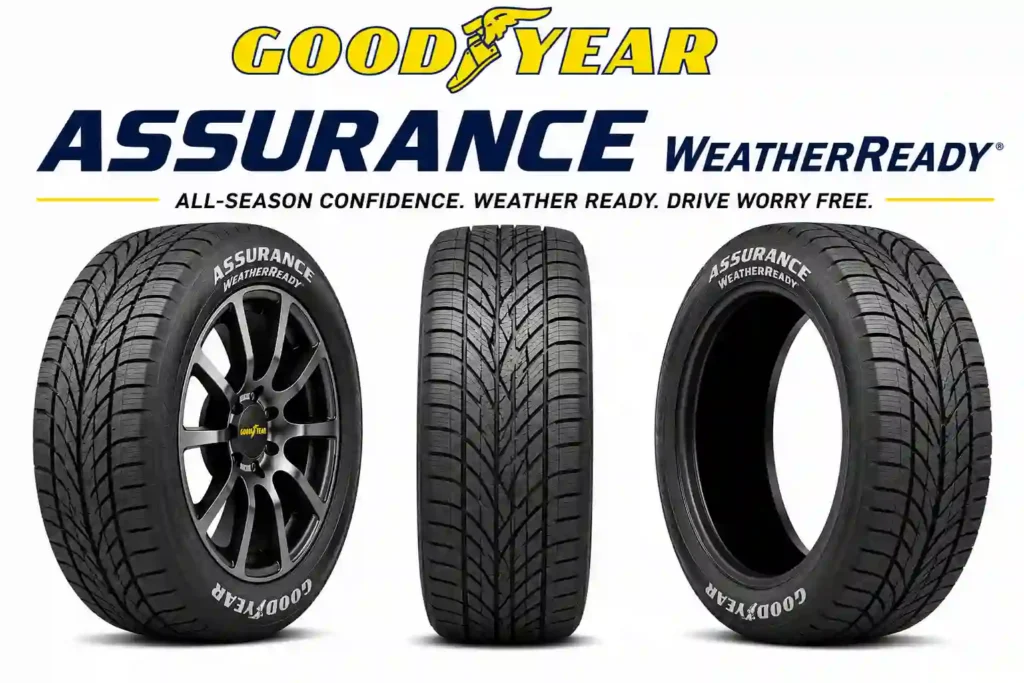
Ride Comfort and Bump Absorption
A good touring tire must ride smooth on bad roads. You should not feel every single crack in the road surface.
How the Continental Feels
The Continental features soft side walls that flex easily. I remember driving a Honda Accord on these over terrible city potholes. The tire soaked up the harsh hits perfectly every time.
How the Goodyear Feels
The Goodyear feels much stiffer over bad bumps. The firm rubber helps the tread last much longer. However, you will feel deep potholes more than you would with the Continental.
Road Noise and Cabin Quietness Evaluated
Nobody wants a tire that howls loud on the highway. A quiet cabin makes long road trips much more relaxing.
Variable Pitch Technology
Goodyear uses smart tread blocks to reduce tire sound. They vary the pitch of the tire noise as it spins. This makes the Assurance MaxLife very quiet on smooth blacktop roads.
The Two-Tone Hum
The TrueContact has wider grooves to channel away rain. These wide voids can trap moving air and make a slight hum. When I mounted these Goodyears on a noisy older sedan, the cabin sounded brand new.
Table 2: Noise and Comfort Scoring
| Metric | Continental TrueContact | Goodyear MaxLife |
| Cabin Noise | Slight Hum | Very Quiet |
| Bump Shock | Very Soft | Firm |
| Highway Ride | Smooth | Stable |
| Overall Score | 8.5/10 | 9.0/10 |
This table shows how both tires handle daily comfort. The Goodyear gives you a quieter ride on the open highway. The Continental gives you a softer ride over broken city streets.
Highway Performance for Long Road Trips
Long drives test the true nature of any tire. You want a tire that tracks straight without much effort.
Cruising on the Interstate
Both tires track very straight on the fast highway. The Goodyear has a solid center rib right down the middle. This keeps your car glued to the lane at high speeds.
Avoiding Driver Fatigue
The Continental requires less heavy steering effort. You can drive for long hours without feeling overly tired. Both of these tires are excellent choices for long cross-country road trips.
Dry Handling and Daily Commuting Grip
Dry roads are very easy for most basic tires. But some tires still grab the dry road much better than others.
The Dry Pavement Winner
The Goodyear Assurance MaxLife wins big on dry roads. The stiff tread blocks do not bend much under heavy weight. This gives you fast steering and very strong dry braking.
Table 3: Dry Performance Scoring
| Metric | Continental TrueContact | Goodyear MaxLife |
| Dry Braking | Very Good | Excellent |
| Steering Feel | Soft and Slow | Crisp and Fast |
| Cornering Grip | Average | Strong |
| Dry Score | 8.5/10 | 9.5/10 |
This dry scoring table shows exactly why Goodyear takes the lead here. Its stiff rubber grips dry asphalt very well during fast turns.
Continental Dry Grip
The Continental is still safe on dry roads. But it feels a bit mushy if you take a turn too fast. It is simply not meant for aggressive driving.
Wet Performance and Hydroplaning Safety
Rain changes everything on the road. A good tire must pump water out fast to prevent scary sliding.
The Science of Siping
Sipes are tiny slits cut into the tire tread. They open up wide to bite the wet road surface. The Continental has deep sipes that work magic in heavy rain.
Why the Continental Dominates
The TrueContact completely destroys the Goodyear in the rain. In my tire shop, we saw the Continental stop 20 feet shorter on wet test tracks. The Goodyear really struggles to grip when the road gets very slick.
Table 4: Wet Traction Comparison
| Metric | Continental TrueContact | Goodyear MaxLife |
| Wet Braking | Excellent | Poor |
| Hydroplaning | Very High | Average |
| Wet Cornering | Safe and Sure | Slips Much Easier |
| Wet Score | 9.5/10 | 7.0/10 |
The wet traction table reveals a massive gap in safety. The Continental is much safer in heavy rain storms. Do not buy the Goodyear if you live in a very rainy state.
“Wet braking is the most important safety metric for any daily driver. Saving twenty bucks on tires is never worth sliding through a red light in the rain.”
Steering Feel and Driver Feedback
You want to feel tightly connected to the road. A numb tire makes driving feel sloppy and dangerous.
The Stiff Shoulder Advantage
Goodyear uses reinforced shoulder blocks on the outside edge. When you turn the steering wheel, the car reacts super fast. It feels more like a sporty performance tire on dry pavement.
The Soft Ride Tradeoff
Continental focuses heavily on comfort over quick steering. The steering feel is a bit slow and relaxed. It is safe, but it will not feel sharp around fast corners.
Tread Life and Mileage Warranty Comparison
New tires are very expensive to buy. You want them to last as long as humanly possible.
The Warranty Numbers
Goodyear gives you a massive 85,000-mile warranty. Continental gives you a great 80,000-mile warranty. Both are amazing mileage numbers for any daily driver tire.
Real World Wear Rates
Goodyear uses a harder rubber that resists daily wear. In my years checking tire tread depths, the MaxLife truly outlasts almost anything else. It is the undisputed king of high mileage.
Table 5: Treadwear and Durability
| Feature | Continental TrueContact | Goodyear MaxLife |
| Mileage Warranty | 80,000 Miles | 85,000 Miles |
| Starting Tread Depth | 10/32″ | 12/32″ |
| Rubber Compound Type | Soft Silica Blend | Hard Durable Compound |
| Real World Wear Rate | Normal | Very Slow |
This table shows why the Goodyear lasts so much longer. It starts with deeper rubber tread at 12/32″. The hard rubber simply takes a lot longer to wear down on the highway.
Fuel Efficiency and Rolling Resistance
Gas prices are always changing. A smart tire that saves fuel will save you serious cash.
Low Rolling Resistance
Both of these tires roll very easily on the street. They require less engine power to keep the car moving. This boosts your miles per gallon over a long time.
The EcoPlus Technology
Continental uses special EcoPlus rubber technology. It keeps the tire cool as it spins fast down the road. Both tires are great on gas, but the Continental has a slight fuel edge.
Price vs Luxury Value Breakdown
You must look at what you get for your hard-earned money. Upfront cost is only half the whole story.
Initial Cost Differences
The Goodyear often costs a little bit more upfront. The Continental is usually slightly cheaper to buy. But prices always change based on your specific tire size.
Table 6: Pricing and Value Analysis
| Value Factor | Continental TrueContact | Goodyear MaxLife |
| Average Price | $130 – $160 | $140 – $170 |
| Cost Per Mile | Low | Very Low |
| Best Value For | Wet and Snow Climates | High Mileage Drivers |
| Overall Value Score | 9/10 | 9/10 |
The value table proves both tires are truly great deals. The Goodyear costs more but lasts much longer. The Continental is cheaper and keeps you safer in bad rain.
“Never buy a high-mileage tire if you only drive 5,000 miles a year. The hard rubber will dry rot long before the tread ever wears out. Buy for your climate, not just for mileage.”
Comprehensive Pros and Cons List
Let us break down the good and the bad simply. No single tire is perfect for every single driver.
Continental Pros and Cons
Pros: Amazing wet braking, soft ride over bumps, great light snow grip.
Cons: Slightly louder hum, steering feels a bit slow. Avoid this tire if you want super sharp cornering.
Goodyear Pros and Cons
Pros: Incredible tread life, quiet highway ride, crisp dry steering.
Cons: Weak wet grip, stiff over deep bumps. Skip this tire if you drive in heavy rain storms often.
Which Tire Is Better for Daily Driving?
Your daily commute decides which exact tire you need. Look closely at your local weather first.
Who Should Buy Continental
Buy the Continental if you see a lot of rain or light snow. It stops much faster when the roads are wet. It is the safer family tire for bad weather.
Who Should Buy Goodyear
Buy the Goodyear if you drive a ton of dry highway miles. Sales reps and taxi drivers love this tire. It will save you a lot of money on future replacements.
Final Verdict: The Best Touring Choice
Both tires are fantastic, but they serve very different drivers. The continental true contact vs goodyear assurance battle comes down to safety versus lifespan.
The Continental TrueContact Tour is the overall better tire for most normal people. Its massive advantage in wet braking makes it much safer. The Goodyear Assurance MaxLife is great, but its wet grip is simply too weak compared to the Continental.
Check your driver’s side door jamb for your factory tire size. Measure your current tread depth today. If you need new tires, grab the Continental for pure peace of mind.
FAQ for continental true contact vs goodyear assurance
Which tire lasts longer on the highway?
The Goodyear Assurance MaxLife lasts longer due to its harder rubber compound and huge 85,000-mile warranty.
Which tire is better in the rain?
The Continental TrueContact Tour is far superior in the rain. It can stop up to 20 feet shorter than the Goodyear.
Are these tires good in the snow?
The Continental handles light snow and cold very well. The Goodyear struggles in snow due to its stiff dry tread.