Car Glass Replacement

Contents
- 1 Key Takeaways
- 2 Why Car Glass Replacement Is More Than Just a Fix
- 3 Understanding Your Car’s Glass: Types and Functions
- 4 When to Repair vs. Replace Your Car Glass
- 5 Choosing the Right Glass for Your Vehicle
- 6 The Car Glass Replacement Process: What to Expect
- 7 Cost of Car Glass Replacement: What Influences the Price?
- 8 Maintaining Your New Car Glass
- 9 Conclusion
- 10 Frequently Asked Questions

Car Battery Tester

Parking Sensor Kit
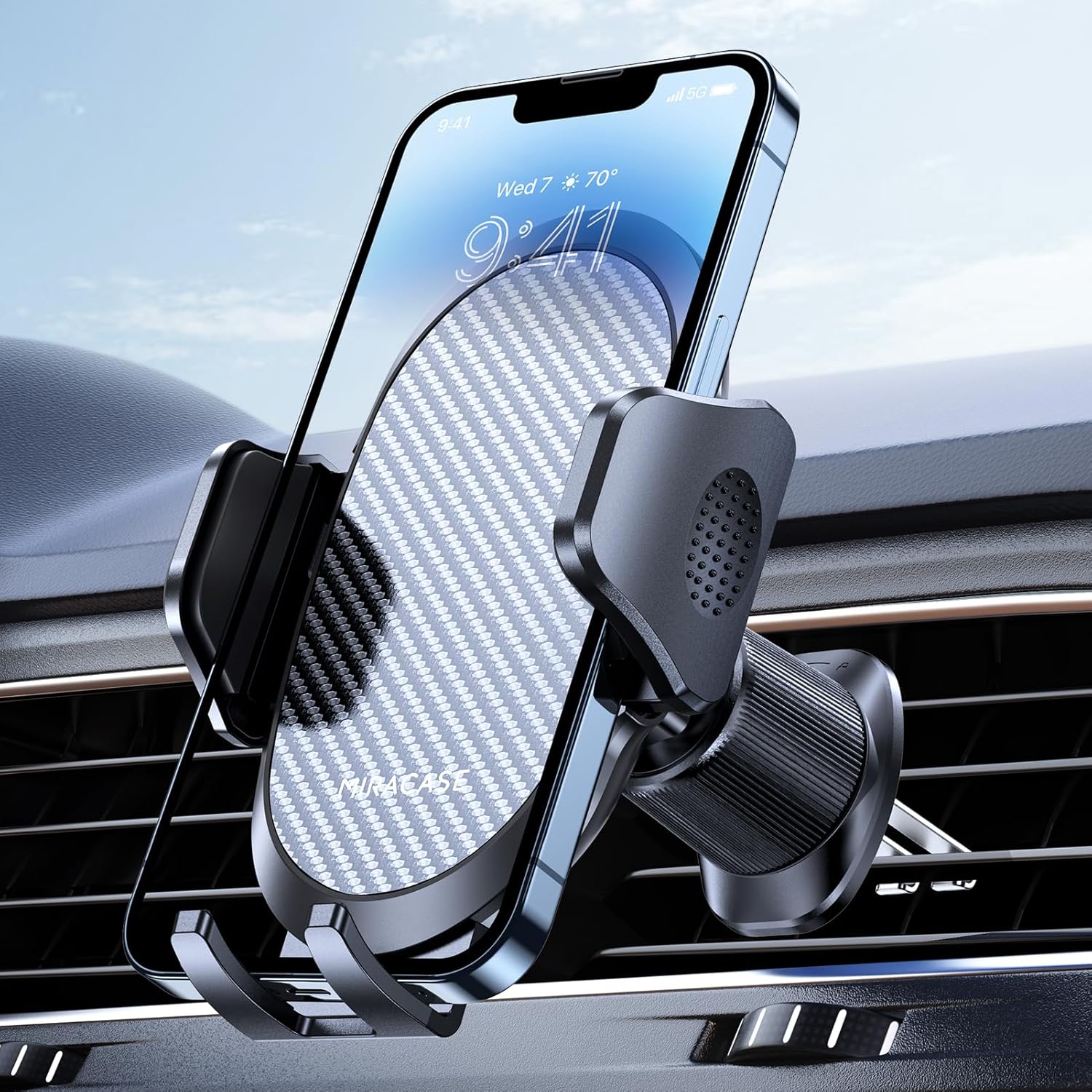
Car Phone Holder

Windshield Cleaning Tool
Car glass replacement isn’t just about fixing a crack—it’s about restoring your vehicle’s structural integrity and ensuring safe driving. Whether it’s a small chip or a shattered windshield, timely replacement prevents further damage and keeps you protected on the road.
This is a comprehensive guide about Car Glass Replacement.
Key Takeaways
- Don’t ignore chips and cracks: Small damage can spread quickly due to temperature changes, road vibrations, or pressure, turning a simple repair into a full car glass replacement.
- Safety first: Your windshield supports the roof in a rollover and helps airbags deploy correctly—compromised glass puts you at serious risk.
- Know when to repair vs. replace: Chips smaller than a quarter and cracks under 6 inches may be repairable; larger damage usually requires full car glass replacement.
- Choose OEM or high-quality aftermarket glass: Original Equipment Manufacturer (OEM) glass matches your car exactly, but certified aftermarket options offer reliable performance at a lower cost.
- Professional installation matters: DIY kits may seem tempting, but improper installation can lead to leaks, wind noise, or even glass detachment during an accident.
- Insurance often covers replacement: Many auto insurance policies include comprehensive coverage for car glass replacement with little or no deductible.
- Allow proper curing time: After replacement, wait at least one hour before driving and avoid car washes or heavy rain for 24–48 hours to ensure the adhesive sets correctly.
[FEATURED_IMAGE_PLACEHOLDER]
Why Car Glass Replacement Is More Than Just a Fix
You’re cruising down the highway, enjoying the breeze through your slightly open window, when suddenly—*ping!*—a tiny rock hits your windshield. At first, it’s just a small chip, barely noticeable. But over the next few days, that little flaw grows into a crack that stretches across your line of sight. Now what?
This scenario is more common than you think. According to the Auto Glass Safety Council, over 14 million windshields are replaced in the U.S. each year. And while many drivers treat a cracked windshield as a minor annoyance, the truth is that car glass replacement is a critical maintenance task—not just for visibility, but for your safety.
Modern vehicles rely heavily on their windshields for structural support. In fact, during a rollover accident, the windshield can contribute up to 45% of the vehicle’s roof strength. It also plays a vital role in airbag deployment: front passenger airbags rely on the windshield as a backstop to inflate properly. When glass is compromised, these safety systems may fail when you need them most.
So, whether you’re dealing with a hairline crack from a pothole or a spiderweb of fractures after a hailstorm, understanding your options for car glass replacement is essential. This guide will walk you through everything you need to know—from spotting damage early to choosing the right installer and understanding your insurance coverage.
Understanding Your Car’s Glass: Types and Functions
Before diving into replacement, it helps to understand what kind of glass your car uses and why it matters. Not all auto glass is created equal, and different windows serve different purposes.
Laminated vs. Tempered Glass
Most windshields are made from laminated glass, which consists of two layers of glass bonded together with a thin layer of polyvinyl butyral (PVB) in between. This design prevents the glass from shattering into sharp pieces upon impact—instead, it tends to stay intact or crack in a spiderweb pattern. That’s why you often see windshields with large cracks but no holes.
Side and rear windows, on the other hand, are typically made from tempered glass. This type is heat-treated to be stronger than regular glass and, when broken, shatters into small, dull cubes rather than dangerous shards. While this makes tempered glass safer in collisions, it also means it can’t be repaired—only replaced.
The Role of Each Window
– Windshield: Provides structural support, protects against debris, and ensures clear visibility. It’s also essential for advanced driver-assistance systems (ADAS) like lane departure warnings and automatic braking, which use cameras mounted behind the glass.
– Side windows: Offer visibility, ventilation, and protection from weather. Some modern cars feature acoustic laminated side glass to reduce road noise.
– Rear window: Supports rear visibility and often includes defrosters and antenna elements. In hatchbacks and SUVs, it may also serve as a door.
Understanding these differences helps explain why car glass replacement isn’t a one-size-fits-all process. A cracked rear window might seem less urgent than a damaged windshield, but if it houses your defroster or radio antenna, replacement becomes more complex—and costly.
When to Repair vs. Replace Your Car Glass
One of the most common questions drivers ask is: “Can this be fixed, or do I need a full replacement?” The answer depends on several factors, including the size, location, and type of damage.
Repairable Damage
Small chips and cracks can often be repaired quickly and affordably—sometimes in under 30 minutes. Here’s what’s typically repairable:
– Bullseye chips: Circular damage with a small pit in the center, common from flying rocks.
– Star breaks: Cracks radiating from a central point.
– Combination breaks: A mix of chip types with multiple cracks.
– Cracks up to 6 inches long: As long as they don’t extend to the edge of the glass.
Most repair technicians follow the “quarter rule”: if the damage is smaller than a U.S. quarter and not in the driver’s direct line of sight, it’s usually a candidate for repair. Repairs work by injecting a special resin into the damaged area, which is then cured with UV light. The result? A nearly invisible fix that restores strength and clarity.
When Replacement Is Necessary
However, not all damage can be repaired. You’ll likely need car glass replacement if:
– The crack is longer than 6 inches.
– The damage is in the driver’s primary viewing area (even if small).
– There are multiple cracks close together.
– The chip is deeper than the outer layer of glass (into the PVB layer).
– The glass is shattered or has a hole.
– The damage is on the edge of the windshield (within 2–3 inches), where stress concentrations can cause rapid spreading.
Location matters too. Cracks near the edge compromise the windshield’s structural integrity more than those in the center. And if your car has ADAS features, even a small chip in the camera zone may require replacement to ensure proper calibration.
The Risks of Delaying Replacement
Ignoring damage might seem harmless at first, but it can lead to bigger problems:
– Spreading cracks: Temperature fluctuations, road vibrations, and humidity can cause cracks to grow overnight.
– Reduced visibility: Fogging, glare, or distortion around the damaged area can impair your ability to see hazards.
– Failed inspections: In many states, a cracked windshield can cause you to fail a safety inspection.
– Safety hazards: A weakened windshield may not hold up in a crash, increasing injury risk.
For example, imagine driving through a sudden downpour. The pressure from rain hitting a cracked windshield can cause the crack to expand rapidly. Or consider a long road trip—constant vibration from rough roads can turn a 2-inch chip into a 12-inch crack before you reach your destination.
That’s why experts recommend addressing damage within 24–48 hours. The sooner you act, the more likely you are to avoid a full car glass replacement.
Choosing the Right Glass for Your Vehicle
Once you’ve determined that replacement is necessary, the next step is selecting the right glass. Not all replacement windshields are equal, and your choice can affect safety, performance, and cost.
OEM vs. Aftermarket Glass
– OEM (Original Equipment Manufacturer) glass is made by the same company that supplied your car’s original windshield. It matches the exact specifications, tint, and features of your factory glass. OEM glass is ideal for luxury vehicles, newer models with ADAS, or if you want guaranteed compatibility.
– Aftermarket glass is produced by third-party manufacturers. While often more affordable, quality can vary. Look for aftermarket glass that meets or exceeds DOT (Department of Transportation) standards and carries certifications like those from the Auto Glass Safety Council (AGSC) or the National Windshield Repair Association (NWRA).
Many drivers worry that aftermarket glass is inferior, but reputable brands like Pilkington, Safelite, and PGW produce high-quality alternatives that perform just as well as OEM—often at 30–50% lower cost.
Special Features to Consider
Modern windshields come with a range of features that affect replacement choices:
– Acoustic glass: Reduces road and wind noise with a sound-dampening interlayer.
– Heated glass: Includes embedded wires or coatings to defrost quickly.
– Rain sensors: Detect moisture and activate wipers automatically.
– Solar control glass: Blocks UV rays and reduces interior heat.
– Heads-up display (HUD) compatibility: Required if your car projects information onto the windshield.
If your original windshield had any of these features, your replacement should match them. Installing a standard windshield in a car designed for acoustic or HUD glass can lead to poor performance, error messages, or even system malfunctions.
Tint and UV Protection
Some drivers opt for tinted windshields to reduce glare and protect interiors from sun damage. However, federal and state laws regulate how dark your windshield can be. Most states allow a clear or light tint only on the top few inches (the “AS-1 line”). Check your local regulations before adding tint during replacement.
The Car Glass Replacement Process: What to Expect
Replacing a windshield isn’t as simple as swapping out a pane of glass. It’s a precise procedure that requires skill, the right tools, and proper materials. Here’s what happens during a professional car glass replacement.
Step 1: Inspection and Preparation
The technician will first inspect the damage and confirm that replacement is needed. They’ll also check for rust, corrosion, or damage to the car’s frame around the windshield opening. Any issues must be addressed before installation to ensure a proper seal.
Step 2: Removing the Old Glass
Using specialized tools, the technician cuts through the urethane adhesive that holds the windshield in place. This is done carefully to avoid damaging the car’s paint or interior. Once the old glass is removed, the frame is cleaned and prepped for the new windshield.
Step 3: Installing the New Windshield
A high-strength urethane adhesive is applied to the frame, and the new windshield is positioned precisely. The technician uses suction cups to handle the glass and ensures it’s aligned correctly. The adhesive begins to cure immediately, but full strength takes time.
Step 4: Reassembly and Calibration
After installation, trim pieces, mirrors, and sensors are reattached. If your car has ADAS features, the technician may need to perform a calibration—either static (using targets in a shop) or dynamic (driving the car under specific conditions). This ensures cameras and sensors work accurately.
Step 5: Curing and Final Check
The adhesive needs time to cure—typically 1–2 hours before driving, and 24–48 hours before exposure to heavy rain or car washes. The technician will provide care instructions and may schedule a follow-up to check the seal.
DIY vs. Professional Installation
While DIY windshield replacement kits are available online, they’re not recommended for most drivers. Improper installation can lead to:
– Air and water leaks
– Wind noise
– Reduced structural strength
– Glass detachment in a crash
Professional installers have the training, tools, and experience to get it right the first time. Plus, reputable shops offer warranties on their work—something you won’t get with a DIY job.
Cost of Car Glass Replacement: What Influences the Price?
The cost of car glass replacement varies widely, from $100 for a basic sedan to over $1,000 for a luxury vehicle with advanced features. Several factors influence pricing:
Vehicle Make and Model
Luxury brands like BMW, Mercedes, and Tesla often require OEM glass and specialized calibration, driving up costs. Similarly, larger vehicles like SUVs and trucks may have bigger, more complex windshields.
Glass Type and Features
A standard windshield costs less than one with acoustic, heated, or HUD features. Adding tint or solar control can also increase the price.
Labor and Location
Labor rates vary by region and shop. Urban areas tend to be more expensive than rural ones. Mobile services (where technicians come to you) may charge a convenience fee but save you time.
Insurance Coverage
Many comprehensive auto insurance policies cover car glass replacement with no deductible—especially if you have full glass coverage. Some insurers even waive the deductible entirely for windshield repairs. Check your policy before paying out of pocket.
For example, a 2020 Honda Accord with a basic windshield might cost $250–$400 for replacement. A 2023 Tesla Model 3 with acoustic glass and ADAS calibration could run $800–$1,200. Always get multiple quotes and ask about warranties.
Maintaining Your New Car Glass
Once your windshield is replaced, a little care goes a long way in keeping it in top condition.
– Avoid car washes for 48 hours: Let the adhesive cure fully.
– Don’t slam doors: Sudden pressure changes can stress the new seal.
– Use both wipers and washer fluid: Dry wiping can scratch the glass.
– Park in the shade or use a sunshade: Extreme heat can weaken adhesive over time.
– Inspect regularly: Check for new chips or cracks and address them early.
Regular maintenance not only extends the life of your glass but also ensures your safety systems remain functional.
Conclusion
Car glass replacement is a vital part of vehicle maintenance that goes far beyond aesthetics. A damaged windshield compromises your safety, visibility, and the performance of advanced driver-assistance systems. Whether you’re dealing with a small chip or a shattered window, acting quickly and choosing the right replacement option can save you money, stress, and potentially your life.
By understanding the types of glass, knowing when to repair or replace, and selecting a qualified installer, you can ensure your vehicle remains safe and road-ready. And with insurance often covering the cost, there’s no reason to delay.
Don’t wait for a crack to become a crisis. If you spot damage, get it assessed by a professional today. Your safety—and the safety of everyone on the road—depends on it.
Frequently Asked Questions
How long does car glass replacement take?
Most windshield replacements take 30–60 minutes, but you should wait at least one hour before driving to allow the adhesive to set. Full curing takes 24–48 hours.
Can I drive immediately after car glass replacement?
No. You should wait at least one hour before driving to ensure the adhesive has begun to cure. Avoid high speeds, rough roads, and car washes for the first 24–48 hours.
Will my insurance cover car glass replacement?
Many comprehensive auto insurance policies cover windshield replacement with little or no deductible, especially if you have full glass coverage. Check your policy details.
Can a cracked windshield be repaired instead of replaced?
Small chips and cracks under 6 inches may be repairable if they’re not in the driver’s line of sight or near the edge. Larger or complex damage usually requires full replacement.
Is aftermarket glass safe for my car?
Yes, if it’s certified by organizations like the Auto Glass Safety Council. Reputable aftermarket glass meets or exceeds safety standards and is often more affordable than OEM.
Do I need ADAS recalibration after windshield replacement?
Yes, if your car has advanced safety features like lane departure warning or automatic braking. These systems rely on cameras behind the windshield and must be recalibrated after replacement to function correctly.