Car Battery Sparking When Connecting

Seeing a spark when connecting a car battery is normal in many cases, but it can also signal a serious electrical issue. Understanding the causes, safety precautions, and proper connection techniques helps prevent damage and injury. This guide explains everything you need to know about car battery sparking when connecting.
In This Article
- 1 Key Takeaways
- 2 📑 Table of Contents
- 3 Why Does a Car Battery Spark When Connecting?
- 4 Common Causes of Battery Sparking
- 5 Safety Precautions When Handling Car Batteries
- 6 How to Properly Connect a Car Battery
- 7 When to Worry: Signs of Serious Electrical Problems
- 8 Conclusion
- 9 Frequently Asked Questions
- 9.1 Is it normal for a car battery to spark when connecting?
- 9.2 Why does my battery spark when I connect the negative cable?
- 9.3 Can a spark damage my car’s electronics?
- 9.4 Should I disconnect the battery if I see a big spark?
- 9.5 How can I reduce sparking when connecting a battery?
- 9.6 Can a bad alternator cause battery sparking?
Key Takeaways
- Minor sparking is normal: A small spark when connecting the positive terminal is common due to the sudden flow of current to power the vehicle’s electronics.
- Large or sustained sparks are dangerous: Bright, loud, or continuous sparks may indicate a short circuit, faulty wiring, or a deeply discharged battery.
- Always connect positive first: Attach the positive cable before the negative to reduce the risk of accidental short circuits.
- Wear safety gear: Use gloves and safety glasses to protect against acid burns and flying debris from unexpected sparks.
- Check for corrosion and damage: Clean terminals and inspect cables before connecting to ensure a solid, safe connection.
- Disconnect in reverse order: Always remove the negative terminal first when disconnecting the battery to minimize sparking risk.
- Seek professional help if unsure: If sparking is excessive or you’re not confident, consult a mechanic to avoid injury or vehicle damage.
📑 Table of Contents
Why Does a Car Battery Spark When Connecting?
You’ve probably seen it before—you’re hooking up a car battery, and just as the cable touches the terminal, a small flash of light appears. It might make you jump, but in most cases, it’s not a cause for panic. However, understanding why this happens is key to staying safe and keeping your vehicle in good shape.
When you connect a car battery, especially after it’s been disconnected or replaced, a brief electrical spark can occur. This happens because the battery is suddenly supplying power to the vehicle’s electrical system. Modern cars have dozens of electronic components—like the engine control unit (ECU), infotainment system, security system, and sensors—that draw power even when the car is off. When the battery is reconnected, these systems “wake up” and pull a surge of current, which can create a visible spark.
Think of it like turning on a light switch after it’s been off for a while. The moment the circuit closes, electricity flows, and if there’s dust or moisture, you might see a tiny flash. The same principle applies to your car’s battery. The spark is simply the result of current rushing into a system that was previously without power.
But not all sparks are equal. A small, quick spark at the positive terminal is usually harmless. It’s the big, loud, or continuous sparks that should raise a red flag. These could mean there’s a short circuit, a faulty component drawing too much power, or even a damaged battery. Knowing the difference between normal and dangerous sparking is essential for both safety and vehicle maintenance.
Normal vs. Abnormal Sparking
So how do you tell if the spark is normal or something to worry about? Let’s break it down.
A normal spark is typically small, brief, and happens only when the positive cable is connected. It might look like a tiny blue or white flash and last less than a second. This is common, especially if the car has been sitting for a while or if the battery was completely dead. The spark occurs because the electrical system is drawing a surge of current to recharge capacitors and power up modules.
On the other hand, abnormal sparking is more intense. It might be bright orange or yellow, louder (like a pop or crack), and last longer. In extreme cases, the spark could even cause the cable to smoke or melt. This kind of sparking suggests a serious problem—like a direct short circuit, a grounded wire, or a component that’s failing and drawing excessive current.
For example, imagine you’re connecting a battery and the positive cable touches the car’s metal frame before reaching the terminal. That’s a direct short, and it can cause a massive spark, potentially damaging the battery or even starting a fire. Similarly, if a component like the alternator or a fuse box is faulty, it might create a path for uncontrolled current flow, leading to dangerous sparking.
Another clue is the location of the spark. If it happens at the negative terminal instead of the positive, that’s a red flag. The negative terminal is connected to the car’s chassis, so sparking there could mean the positive cable is accidentally touching metal somewhere else in the system.
Common Causes of Battery Sparking

Visual guide about Car Battery Sparking When Connecting
Image source: imgcdn.stablediffusionweb.com
Understanding the root causes of battery sparking helps you prevent it and respond appropriately when it happens. While a small spark is often harmless, knowing what triggers larger or more dangerous sparks can save you from costly repairs or personal injury.
One of the most common causes is the natural inrush of current when the battery reconnects to the vehicle’s electrical system. As mentioned earlier, modern cars have many electronic control units (ECUs) that store settings and monitor systems. When the battery is disconnected, these systems lose power. Reconnecting the battery sends a surge of electricity to “wake them up,” which can create a spark. This is especially noticeable in vehicles with advanced infotainment systems, keyless entry, or onboard diagnostics.
Another frequent cause is improper connection order. If you connect the negative terminal first and then the positive, you increase the risk of a short circuit. Why? Because the negative cable is already grounded to the car’s chassis. If the positive cable accidentally touches any metal part of the vehicle while being connected, it completes a circuit and causes a spark. That’s why experts always recommend connecting the positive terminal first and the negative last.
Corrosion on the battery terminals can also contribute to sparking. Over time, battery terminals can develop a white, powdery buildup (usually lead sulfate or potassium carbonate). This corrosion increases resistance and can cause arcing when current flows. In severe cases, the spark might be stronger or more persistent. Cleaning the terminals with a wire brush and a mixture of baking soda and water can help prevent this.
A deeply discharged or damaged battery is another potential culprit. If a battery has been completely drained—say, from leaving the lights on overnight—it may have internal damage or reduced capacity. When reconnected, it might struggle to handle the initial current demand, leading to unusual sparking. In some cases, the battery could even be shorted internally, causing excessive current flow and dangerous sparks.
Faulty wiring or damaged cables are also common causes. Frayed wires, loose connections, or corroded clamps can create unintended paths for electricity. For instance, if the positive cable is worn and touches the engine block, it can cause a continuous spark or even a fire. Regular inspection of battery cables and connections is crucial for safety.
Finally, aftermarket accessories can play a role. If you’ve installed a new stereo, alarm system, or dash cam, and it’s not properly fused or grounded, it might draw power unexpectedly when the battery is connected. This can lead to sparking, especially if the accessory is wired directly to the battery without a relay or fuse.
Real-Life Example: The Case of the Popping Battery
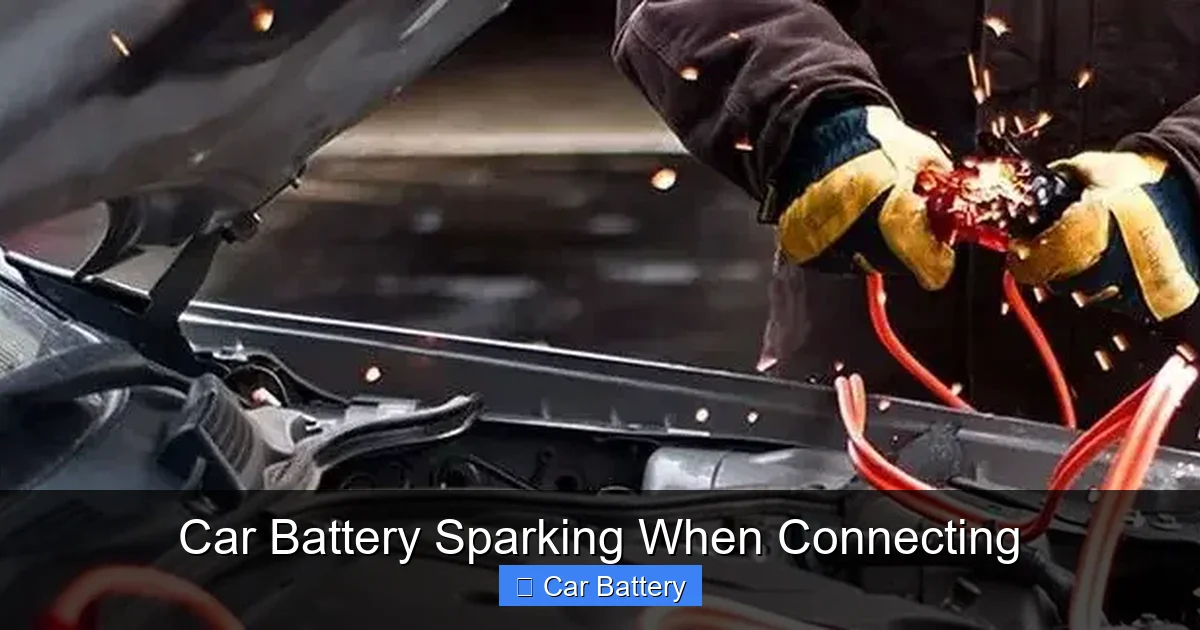
Let’s say you’re helping a friend jump-start their car. You’ve connected the jumper cables—red to the dead battery’s positive terminal, red to the good battery’s positive, black to the good battery’s negative, and black to a grounded metal part on the dead car. When you touch the final black clamp to the grounding point, there’s a loud pop and a bright spark.
This is actually normal in jump-starting scenarios. The spark occurs because the dead battery is suddenly receiving a large amount of current from the good battery. The electrical system of the dead car is also waking up, drawing power. As long as the cables are connected correctly and the spark is brief, it’s usually not a problem.
But if the spark is huge, sustained, or happens at the wrong terminal, that’s a sign something’s wrong. Maybe the dead battery has an internal short, or one of the cables is touching the wrong place. In that case, disconnect immediately and check your connections.
Safety Precautions When Handling Car Batteries

Visual guide about Car Battery Sparking When Connecting
Image source: thumbs.dreamstime.com
Car batteries may seem simple, but they pack a punch—both electrically and chemically. A standard 12-volt car battery can deliver hundreds of amps of current, enough to cause serious injury or start a fire. Plus, they contain sulfuric acid and produce hydrogen gas, which is highly flammable. That’s why safety should always come first when connecting or disconnecting a battery.
The first rule is to wear protective gear. Always use safety glasses to protect your eyes from acid splashes or flying debris. Gloves—preferably acid-resistant ones—are also essential. Even a small spark can dislodge corrosion or cause a clamp to slip, potentially exposing your skin to battery acid.
Next, work in a well-ventilated area. Batteries can release hydrogen gas, especially when charging or sparking. In enclosed spaces, this gas can build up and become explosive. If you’re working in a garage, open the doors and windows. Avoid smoking, using lighters, or creating any open flames nearby.
Before touching anything, inspect the battery and cables. Look for cracks, leaks, or swelling in the battery case. Check the cables for fraying, corrosion, or loose connections. If you see any damage, don’t proceed—get professional help. A damaged battery can be unpredictable and dangerous.
When connecting the battery, always follow the correct order: positive first, then negative. This minimizes the risk of a short circuit. If the positive cable accidentally touches the car’s metal frame while the negative is already connected, it creates a direct path to ground and can cause a massive spark. By connecting positive first, you reduce this risk because the negative isn’t yet grounded.
Use the right tools. A proper battery wrench or socket ensures a tight, secure connection. Avoid using pliers or makeshift tools that could slip and cause a short. Also, make sure the terminals are clean. Use a wire brush to remove any corrosion, and apply a thin layer of dielectric grease afterward to prevent future buildup.
Never lay tools or metal objects on top of the battery. A wrench or screwdriver bridging the positive and negative terminals can cause a short circuit, leading to sparks, heat, and even an explosion.
Finally, if you’re jump-starting a car, follow the correct sequence: connect the positive cables first, then the negative to the good battery, and finally the negative to a grounded metal part on the dead car—not the battery terminal itself. This reduces the chance of sparking near the battery, where hydrogen gas may be present.
What to Do If You See a Large Spark
If you connect the battery and see a large, loud, or sustained spark, don’t panic—but act quickly. First, disconnect the cable immediately, starting with the negative terminal. This breaks the circuit and stops the flow of current.
Next, inspect the battery and cables for damage. Look for melted insulation, burnt smells, or signs of overheating. Check the terminals for tightness and cleanliness. If everything looks okay, try reconnecting—but slowly and carefully. If the spark happens again, stop and consult a mechanic. There may be an underlying electrical issue that needs professional diagnosis.
How to Properly Connect a Car Battery
Visual guide about Car Battery Sparking When Connecting
Image source: whatincar.com
Connecting a car battery might seem straightforward, but doing it correctly can prevent sparking, damage, and injury. Whether you’re replacing a battery, jump-starting a car, or reconnecting after maintenance, following the right steps is crucial.
Start by turning off the ignition and removing the keys. This ensures no electrical systems are active when you begin. Open the hood and locate the battery. Most are under the hood, but some newer models have them in the trunk or under the rear seat.
Identify the positive and negative terminals. The positive terminal is usually marked with a “+” sign and may have a red cover or red cable. The negative terminal is marked with a “–” and typically has a black cable.
Before connecting, clean the terminals. Use a wire brush to scrub away any corrosion. You can make a cleaning solution with baking soda and water—apply it with an old toothbrush, then rinse with water and dry thoroughly. This ensures a solid electrical connection and reduces sparking.
Now, connect the positive cable first. Place the clamp securely on the positive terminal and tighten it with a wrench. Make sure it’s snug but don’t over-tighten, as this can damage the terminal.
Next, connect the negative cable to the negative terminal. Again, tighten securely. Once both are connected, double-check that the cables are firmly attached and not touching any moving parts or hot surfaces.
If you’re reconnecting after a jump-start, follow the same order: positive first, then negative. When disconnecting, reverse the order: negative first, then positive. This minimizes the risk of sparking.
After connecting, start the car and check that all electrical systems are working properly. Look for warning lights on the dashboard and test lights, wipers, and the radio. If everything works, you’re good to go.
Pro Tip: Use a Memory Saver
If you’re disconnecting the battery for maintenance, consider using a memory saver device. This small gadget plugs into the OBD-II port or cigarette lighter and keeps your car’s electronic settings (like radio presets and seat positions) intact while the battery is off. It can also reduce the initial current surge when reconnecting, potentially minimizing sparking.
When to Worry: Signs of Serious Electrical Problems
While minor sparking is normal, certain signs indicate a deeper issue that needs attention. Ignoring these can lead to battery failure, electrical damage, or even fire.
One major red flag is a large, bright spark that lasts more than a second. This could mean a short circuit or a component drawing excessive current. For example, a faulty alternator diode can create a parasitic drain, causing the battery to spark when reconnected.
Another warning sign is sparking at the negative terminal. Since the negative is grounded to the chassis, sparking there suggests the positive cable is touching metal somewhere else in the system. This is dangerous and should be investigated immediately.
If the battery gets hot, swells, or leaks acid after connecting, stop using it. These are signs of internal damage or overcharging. A damaged battery can explode or release toxic fumes.
Frequent sparking, even with proper connections, may point to a wiring issue or a failing component. For instance, a shorted ECU or a malfunctioning relay can cause repeated surges. In such cases, a professional diagnostic scan is recommended.
Also, if your car won’t start after reconnecting the battery, or if electrical systems behave erratically (like flickering lights or unresponsive controls), there may be an underlying problem. Don’t keep trying to start the car—this can drain the battery further or damage the starter.
When to Call a Mechanic
If you’re unsure about the cause of sparking, or if you notice any of the warning signs above, it’s best to consult a professional. A mechanic can perform a load test on the battery, check the alternator, and scan for electrical faults. They can also inspect wiring and fuses to ensure everything is in working order.
Conclusion
Car battery sparking when connecting is a common occurrence, and in many cases, it’s perfectly normal. A small spark at the positive terminal is usually just the result of the vehicle’s electronics waking up and drawing current. However, large, loud, or sustained sparks are a sign that something is wrong and should not be ignored.
By understanding the causes—such as inrush current, improper connection order, corrosion, or faulty components—you can take steps to prevent dangerous situations. Always follow safety precautions: wear protective gear, work in a ventilated area, and connect the positive terminal first. Clean terminals regularly and inspect cables for damage.
Remember, when in doubt, seek professional help. Your safety and the health of your vehicle are worth the extra caution. With the right knowledge and habits, you can handle battery connections confidently and keep your car running smoothly.
Frequently Asked Questions
Is it normal for a car battery to spark when connecting?
Yes, a small, brief spark when connecting the positive terminal is normal. It occurs because the vehicle’s electrical system draws a surge of current to power up components. However, large or sustained sparks are not normal and may indicate a problem.
Why does my battery spark when I connect the negative cable?
Sparking at the negative terminal is unusual and potentially dangerous. It suggests the positive cable may be touching metal elsewhere, creating a short circuit. Always connect the positive first and ensure cables are secure and insulated.
Can a spark damage my car’s electronics?
A small spark is unlikely to cause damage, but a large or continuous spark can harm sensitive electronics like the ECU or sensors. If sparking is excessive, have your electrical system checked by a professional.
Should I disconnect the battery if I see a big spark?
Yes, disconnect immediately—starting with the negative cable. Inspect for damage, corrosion, or loose connections. If the problem persists, consult a mechanic to avoid further risk.
How can I reduce sparking when connecting a battery?
Connect the positive terminal first, clean terminals regularly, and ensure cables are in good condition. Using a memory saver can also reduce initial current surge and minimize sparking.
Can a bad alternator cause battery sparking?
Yes, a faulty alternator with bad diodes can create a parasitic drain or voltage spike, leading to unusual sparking when reconnecting the battery. A mechanic can test the alternator to confirm.