Car Battery Not Fully Charging
When your car battery isn’t fully charging, it can leave you stranded and frustrated. This issue often stems from a failing alternator, corroded terminals, or an old battery—but the good news is that most causes are fixable with the right knowledge and tools.
In This Article
- 1 Key Takeaways
- 2 📑 Table of Contents
- 3 Why Is My Car Battery Not Fully Charging? Understanding the Basics
- 4 Top Causes of a Car Battery Not Fully Charging
- 5 How to Diagnose a Car Battery Not Fully Charging
- 6 How to Fix a Car Battery Not Fully Charging
- 7 Preventing Future Charging Problems
- 8 When to Call a Professional
- 9 Conclusion
- 10 Frequently Asked Questions
- 10.1 Why is my car battery not charging even though the alternator is working?
- 10.2 Can a bad battery cause the alternator to fail?
- 10.3 How long should it take to fully charge a car battery while driving?
- 10.4 Is it safe to drive with a battery that’s not fully charging?
- 10.5 Can a car battery not fully charge because of a bad ground connection?
- 10.6 Should I replace my battery or alternator first if both seem weak?
Key Takeaways
- Alternator failure is a top cause: If your alternator isn’t generating enough power, your battery won’t recharge properly while driving.
- Corroded battery terminals block current flow: White or green buildup on terminals can prevent a full charge—clean them regularly.
- Old batteries lose charging capacity: Most car batteries last 3–5 years; if yours is older, it may simply be time for a replacement.
- Parasitic drain drains your battery overnight: Faulty electronics or lights left on can slowly deplete charge even when the car is off.
- Extreme temperatures affect performance: Cold weather reduces battery efficiency, while heat accelerates internal wear.
- Faulty voltage regulator disrupts charging: This component controls alternator output—if it fails, overcharging or undercharging can occur.
- Regular maintenance prevents issues: Simple checks like cleaning terminals and testing voltage can catch problems early.
📑 Table of Contents
Why Is My Car Battery Not Fully Charging? Understanding the Basics
You’re heading out for work, turn the key, and—nothing. Or worse, the engine cranks slowly, and you’re left wondering if your car will even start. One of the most common culprits behind this frustrating scenario is a car battery that’s not fully charging. It’s not just an inconvenience; it’s a sign that something in your vehicle’s electrical system isn’t working as it should.
Your car battery doesn’t just start the engine—it powers everything from your headlights to your infotainment system. But here’s the thing: the battery isn’t meant to run your car all on its own. Once the engine starts, the alternator takes over, recharging the battery and supplying power to the vehicle’s electrical components. So when your battery isn’t holding a full charge, the problem might not be the battery itself—it could be the alternator, wiring, or even how you’re driving.
Many drivers assume a dead or weak battery means it’s time for a replacement. But that’s not always the case. In fact, up to 70% of “bad battery” diagnoses are actually caused by other issues in the charging system. Understanding how your car’s electrical system works is the first step toward solving the problem. Let’s break it down.
How Your Car’s Charging System Works
Think of your car’s charging system like a team: the battery is the player who starts the game, but the alternator is the one who keeps the energy flowing throughout. When you turn the key, the battery sends a burst of electricity to the starter motor, which cranks the engine. Once the engine is running, the alternator kicks in. It uses the engine’s mechanical energy (via a belt) to generate electricity. This electricity does two things: it powers your car’s electronics and recharges the battery.
The voltage regulator ensures the alternator doesn’t overcharge the battery. It keeps the output steady—usually around 13.5 to 14.5 volts when the engine is running. If everything is working correctly, your battery should stay fully charged, even after short trips.
But if any part of this system fails, your battery won’t get the charge it needs. That’s why a “car battery not fully charging” issue often points to a deeper problem than just the battery itself.
Top Causes of a Car Battery Not Fully Charging
Visual guide about Car Battery Not Fully Charging
Image source: cdn.hackaday.io
Now that you understand how the system works, let’s look at the most common reasons your battery might not be charging properly. Identifying the root cause is key to fixing the issue quickly and affordably.
1. Alternator Failure
The alternator is the heart of your car’s charging system. If it’s not working, your battery won’t recharge—no matter how long you drive. A failing alternator might still produce some power, but not enough to keep the battery fully charged. This leads to a slow drain that leaves you with a weak or dead battery.
Signs of alternator trouble include dim headlights, a battery warning light on your dashboard, or electrical components acting up (like power windows moving slowly). You might also notice a burning smell or hear a whining noise from under the hood.
To test your alternator, use a multimeter to check the voltage at the battery terminals with the engine running. A healthy alternator should show between 13.5 and 14.5 volts. If it’s below 13 volts, the alternator isn’t doing its job.
2. Corroded or Loose Battery Terminals
Corrosion on battery terminals is one of the most overlooked causes of charging problems. Over time, chemical reactions between the battery terminals and the air create a white, green, or blue powdery buildup. This corrosion acts like an insulator, blocking the flow of electricity between the battery and the car’s electrical system.
Even a small amount of corrosion can reduce charging efficiency. You might notice your car starts fine after a jump but dies again after a short drive—this is a classic sign of poor connection due to corrosion.
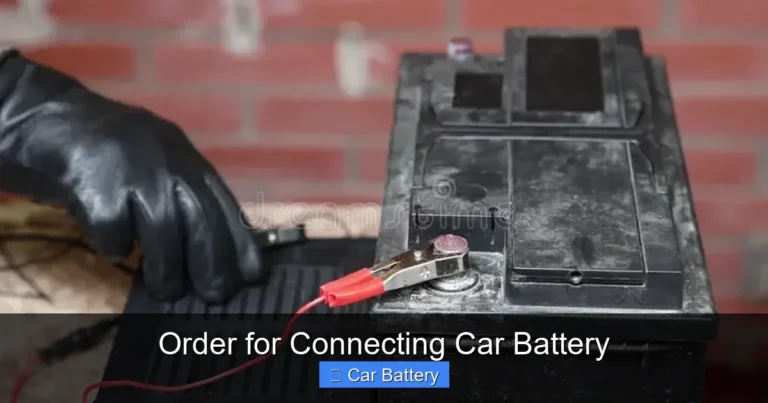
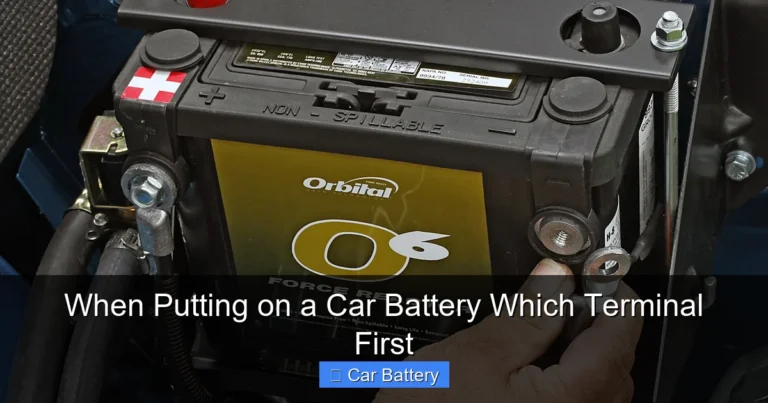
Cleaning the terminals is simple: disconnect the battery (negative first, then positive), scrub the terminals and cable clamps with a mixture of baking soda and water, rinse with clean water, and dry thoroughly. Reconnect the cables (positive first, then negative) and tighten securely. For extra protection, apply a thin layer of dielectric grease to prevent future corrosion.
3. Old or Worn-Out Battery
Car batteries don’t last forever. Most last between 3 and 5 years, depending on climate, driving habits, and maintenance. As a battery ages, its internal plates degrade, reducing its ability to hold a charge. Even if the alternator is working perfectly, an old battery may not accept or retain a full charge.
Signs of a dying battery include slow engine cranking, especially in cold weather, frequent need for jump-starts, or a battery that reads below 12.4 volts when the car is off (a fully charged battery should be around 12.6 volts).
If your battery is more than four years old and showing these symptoms, it’s likely time for a replacement. Don’t wait until it fails completely—unexpected breakdowns are inconvenient and potentially dangerous.
4. Parasitic Drain
Parasitic drain happens when something in your car continues to draw power from the battery even when the engine is off. This can slowly deplete the battery overnight, leaving it undercharged by morning.
Common culprits include interior lights left on, faulty relays, aftermarket electronics (like dash cams or alarms), or a malfunctioning module in the car’s computer system. Even a glove compartment light that stays on can drain a battery over time.
To check for parasitic drain, use a multimeter to measure the current draw with the car off and all accessories switched off. A normal draw is usually less than 50 milliamps. If it’s higher, you’ll need to isolate the circuit causing the drain—this may require professional help.
5. Faulty Voltage Regulator
The voltage regulator controls how much power the alternator sends to the battery. If it’s malfunctioning, the alternator might undercharge or overcharge the battery. Undercharging leads to a battery that’s never fully charged, while overcharging can damage the battery and other electronics.
Symptoms of a bad voltage regulator include flickering lights, a battery that dies quickly, or a battery that swells or leaks (a sign of overcharging). In many modern cars, the voltage regulator is built into the alternator, so replacing the alternator may be necessary.
6. Extreme Temperatures
Weather plays a big role in battery performance. Cold temperatures slow down the chemical reactions inside the battery, reducing its ability to deliver power. This is why many batteries fail in winter—even if they were fine in summer.
On the flip side, extreme heat accelerates internal corrosion and evaporation of the electrolyte, shortening the battery’s lifespan. If you live in a hot climate, your battery may wear out faster than average.
To protect your battery, park in a garage when possible, use a battery insulator in winter, and have your battery tested regularly—especially before extreme weather seasons.
How to Diagnose a Car Battery Not Fully Charging
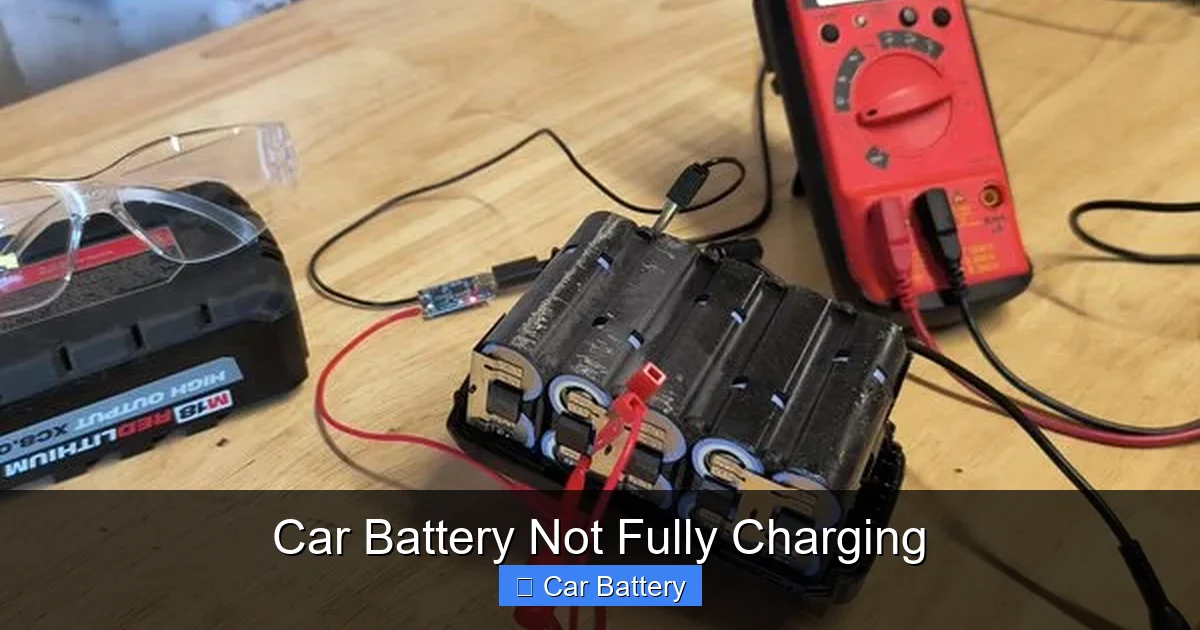
Visual guide about Car Battery Not Fully Charging
Image source: cdn.hackaday.io
Before you spend money on a new battery or alternator, it’s important to diagnose the issue correctly. A proper diagnosis saves time, money, and frustration. Here’s how to do it step by step.
Step 1: Check the Battery Voltage
Start with a simple voltage test. Turn off the engine and all electrical accessories. Use a multimeter to measure the voltage across the battery terminals.
– 12.6 volts or higher: Battery is fully charged.
– 12.4 volts: Battery is about 75% charged.
– 12.2 volts: Battery is about 50% charged.
– Below 12 volts: Battery is severely discharged.
If the voltage is low, try charging the battery with a battery charger and test again. If it still won’t hold a charge, the battery may be bad.
Step 2: Test the Alternator Output
With the engine running, measure the voltage at the battery terminals again. It should read between 13.5 and 14.5 volts. If it’s lower, the alternator isn’t charging properly. If it’s higher than 15 volts, the voltage regulator may be faulty.
You can also listen for unusual noises from the alternator or check for a burning smell, which could indicate a failing alternator.
Step 3: Inspect Battery Terminals and Cables
Look for signs of corrosion, looseness, or damage. Clean the terminals as described earlier. Make sure the cables are tight and not frayed. A loose connection can mimic a bad battery or alternator.
Step 4: Check for Parasitic Drain
Set your multimeter to measure current (amps). Disconnect the negative battery cable and place the multimeter between the cable and the battery terminal. A normal reading is under 50 milliamps. If it’s higher, start pulling fuses one by one to isolate the circuit causing the drain.
Step 5: Perform a Load Test
A load test simulates the demand placed on the battery when starting the engine. Many auto parts stores offer free load testing. This test checks whether the battery can hold a charge under stress. If it fails, the battery needs replacing.
How to Fix a Car Battery Not Fully Charging
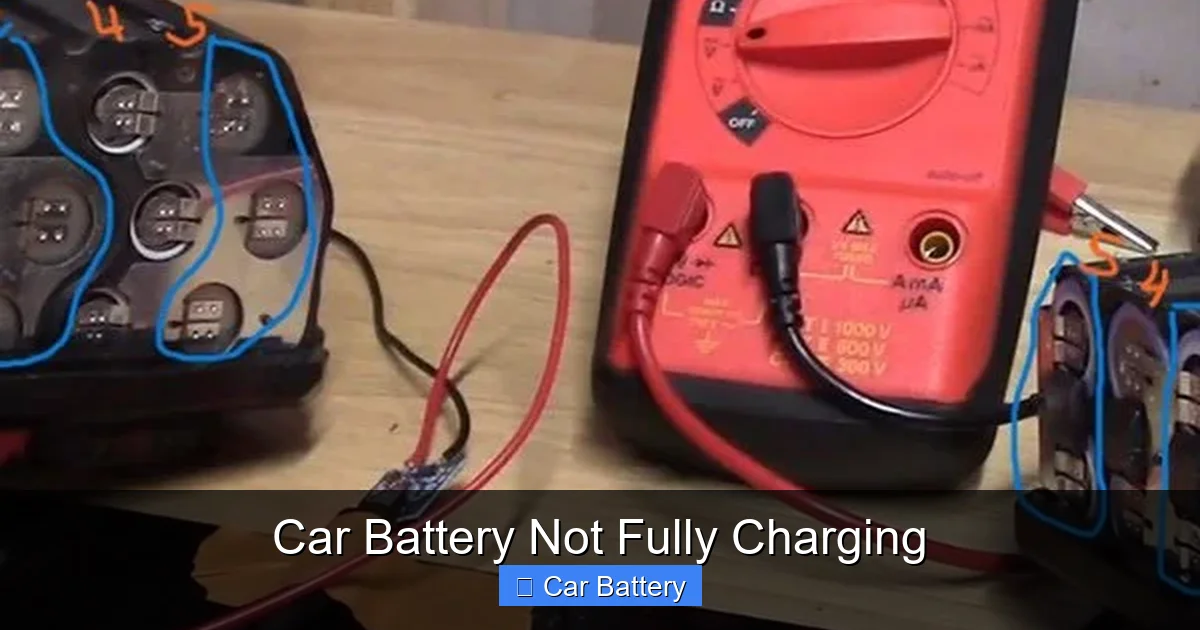
Visual guide about Car Battery Not Fully Charging
Image source: cdn.hackaday.io
Once you’ve diagnosed the problem, it’s time to fix it. The solution depends on the cause, but here are the most effective fixes.
Replace the Alternator
If the alternator is faulty, replacing it is usually the best option. While it’s possible to rebuild an alternator, a new or remanufactured unit is often more reliable and comes with a warranty. Expect to pay between $300 and $800, including labor.
Clean or Replace Battery Terminals
Cleaning terminals is a quick, inexpensive fix. If the terminals are severely corroded or damaged, consider replacing the battery cables. Poor connections can cause ongoing charging issues.
Replace the Battery
If the battery is old or fails a load test, replace it. Choose a battery with the correct group size, cold cranking amps (CCA), and reserve capacity for your vehicle. A higher CCA rating is better for cold climates.
Repair Parasitic Drain
Once you’ve identified the source of the drain, repair or replace the faulty component. This might involve fixing a stuck relay, replacing a malfunctioning module, or removing an aftermarket device.
Address Electrical Issues
If the problem is related to wiring, fuses, or the voltage regulator, consult a professional mechanic. Electrical issues can be complex and dangerous to diagnose without proper tools and knowledge.
Preventing Future Charging Problems
An ounce of prevention is worth a pound of cure—especially when it comes to your car battery. Regular maintenance can help you avoid the frustration of a car battery not fully charging.
Schedule Regular Inspections
Have your battery and charging system checked at least once a year, or during routine oil changes. Many mechanics include a free battery test with service.
Keep Terminals Clean
Check your battery terminals every few months. Clean them at the first sign of corrosion. A quick wipe with a baking soda solution can prevent major issues.
Drive Regularly
Short trips don’t give the alternator enough time to fully recharge the battery. If you only drive short distances, consider taking longer drives occasionally or using a battery maintainer.
Use a Battery Maintainer
If you don’t drive often (e.g., for classic cars or seasonal vehicles), use a smart battery maintainer. These devices keep the battery charged without overcharging it.
Protect Against Extreme Weather
In cold climates, use a battery blanket or park in a garage. In hot climates, park in the shade and consider a battery with enhanced heat resistance.
When to Call a Professional
While many charging issues can be diagnosed and fixed at home, some problems require professional help. If you’re unsure about using a multimeter, don’t feel comfortable working with electrical systems, or if the problem persists after basic fixes, it’s time to visit a mechanic.
A professional can perform advanced diagnostics, including checking the alternator’s ripple voltage, testing the starter draw, and scanning the vehicle’s computer for error codes. They can also ensure all connections are secure and that the charging system is balanced.
Don’t ignore warning signs like a battery light on the dashboard or frequent jump-starts. These are red flags that shouldn’t be ignored.
Conclusion
A car battery not fully charging is more than just an annoyance—it’s a signal that your vehicle’s electrical system needs attention. Whether it’s a failing alternator, corroded terminals, or an old battery, the good news is that most causes are fixable with the right approach.
By understanding how your charging system works and knowing the common signs of trouble, you can catch problems early and avoid being stranded. Regular maintenance, timely diagnostics, and smart driving habits go a long way in keeping your battery healthy and your car reliable.
Remember, your battery doesn’t work alone—it’s part of a team. Keep that team in top shape, and you’ll enjoy smoother starts, fewer surprises, and a car that’s always ready to go.
Frequently Asked Questions
Why is my car battery not charging even though the alternator is working?
Even if the alternator is functioning, issues like corroded terminals, loose cables, or a faulty voltage regulator can prevent proper charging. Also, an old battery may not accept a charge efficiently, even with a working alternator.
Can a bad battery cause the alternator to fail?
Yes, a severely discharged or shorted battery can overload the alternator, causing it to work harder and fail prematurely. Always replace a bad battery before diagnosing alternator issues.
How long should it take to fully charge a car battery while driving?
It typically takes 30 minutes to an hour of driving at highway speeds to recharge a moderately depleted battery. Short trips may not provide enough charging time, especially in cold weather.
Is it safe to drive with a battery that’s not fully charging?
Driving with an undercharged battery is risky. It can lead to sudden breakdowns, especially in extreme weather. Have the issue diagnosed and fixed as soon as possible to avoid being stranded.
Can a car battery not fully charge because of a bad ground connection?
Yes, a poor ground connection between the battery and the engine or chassis can disrupt the charging circuit. Check and clean the ground cable and its connection points.
Should I replace my battery or alternator first if both seem weak?
Test both components first. If the battery is old or fails a load test, replace it first. A new battery under load can stress a weak alternator, so always address the battery before the alternator.